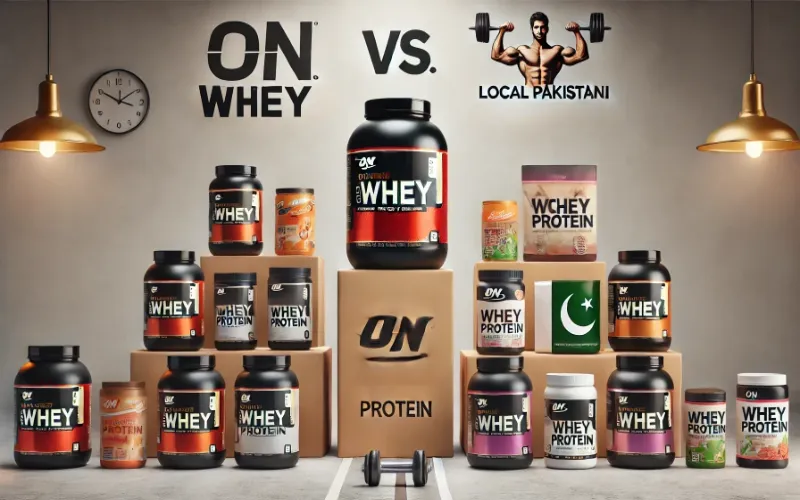














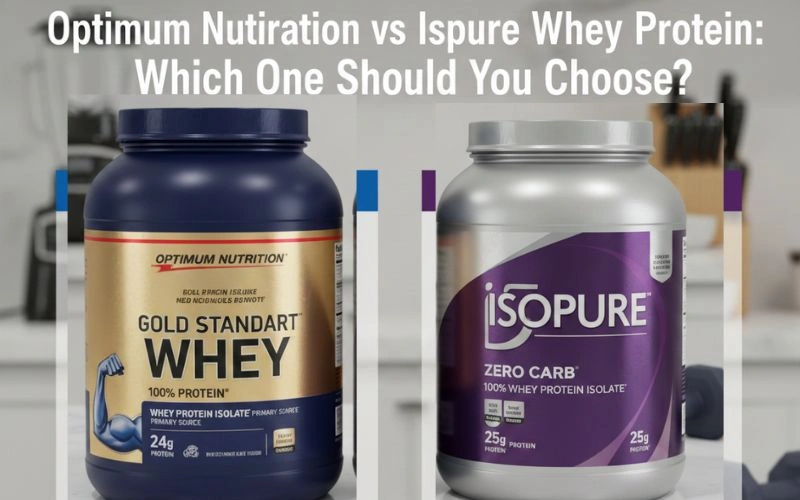
When it comes to premium whey protein supplements, Optimum Nutrition vs Isopure whey protein is one of the most searched comparisons among gym-goers, athletes, and fat-loss focused users. Both brands are globally trusted, lab-tested, and widely used, but they serve slightly different nutritional goals.
This guide explains the real differences so you can confidently choose the whey protein that fits your body, diet, and training style.
Table of Contents
Original Comparison: Optimum Nutrition vs Isopure Whey Protein
Before diving into the specifics, it helps to understand what each brand is fundamentally designed to do, because the right choice becomes much clearer once you know your own goal.
The comparison usually starts with a simple question: should you choose Optimum Nutrition Gold Standard Whey for overall fitness, or Isopure Zero Carb Whey for clean, low-carb nutrition? The answer depends less on branding and more on macronutrients, digestion, taste preferences, and budget.
Protein Source and Processing Methods Explained
How a protein powder is sourced and processed has a direct impact on its purity, digestibility, and overall nutritional value, so this is a logical place to start the comparison.
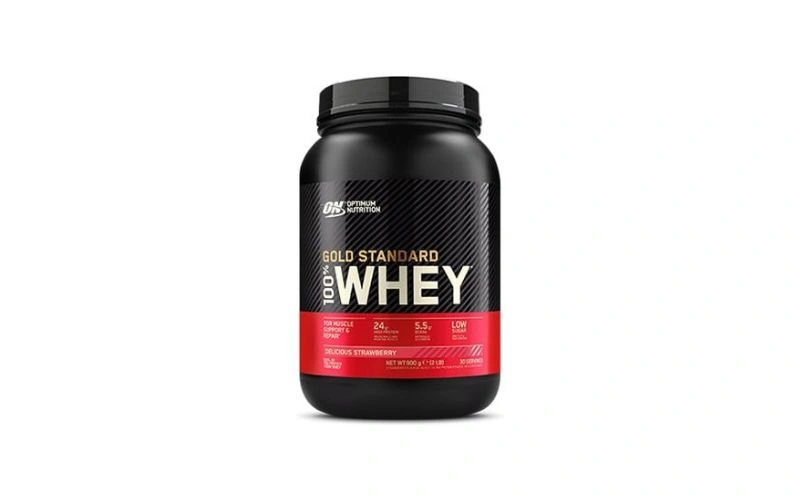
Optimum Nutrition uses a protein blend that includes whey isolate, whey concentrate, and hydrolyzed peptides. This combination supports fast absorption while maintaining a creamy texture. Isopure relies almost entirely on 100% whey protein isolate, processed through advanced filtration to remove carbs, sugar, and most lactose. For a deeper understanding of how isolate and concentrate differ in digestion and purity, it is worth reviewing the key distinctions before making your decision.
In practical terms:
- Blends are better for taste and affordability.
- Pure isolates are cleaner and easier on digestion.
Calorie, Carb, and Sugar Differences (Isopure vs ON)
This is where the nutritional gap between the two brands becomes most visible, and for many users, it is the deciding factor.
- Isopure Zero Carb
- 0g carbs
- 0g sugar
- Very low calories
- Optimum Nutrition Gold Standard
- 2 to 4g carbs (flavor dependent)
- Small amount of sugar
- Slightly higher calories
For keto or aggressive cutting diets, Isopure fits better. For general fitness, the difference is minor. Those following a low-carb or ketogenic approach will find Isopure the more compatible option, while most recreational users will do equally well with either product.
Is There Any Real Performance Difference Between the Two?
Performance differences between protein brands are often overstated in marketing, so it is worth looking at what the evidence actually shows.
From a muscle-building perspective, both products perform equally well because they deliver complete amino acid profiles, high leucine content, and fast post-workout absorption. In practice, muscle growth depends far more on total daily protein intake, training intensity, and recovery quality than on whether you choose Optimum Nutrition or Isopure. Anyone curious about what actually drives muscle growth and strength gains will quickly see that protein source matters far less than consistency and volume.
Muscle Building vs Fat Loss: Which Protein Fits Better?
Choosing between these two brands often comes down to your current training phase, and aligning your supplement with your goal makes a meaningful practical difference.

- Optimum Nutrition is ideal for:
- Bulking phases
- Beginners
- Long-term daily use
- Isopure is ideal for:
- Fat loss phases
- Low-carb or keto diets
- Lean muscle maintenance
This makes Optimum Nutrition vs Isopure whey protein a goal-based choice, not a quality debate. Women in particular may benefit from reviewing how whey protein compares to mass gainers for female fitness goals before settling on a product category.
Digestion, Lactose Sensitivity, and Gut Comfort
Digestive tolerance is a practical concern that often gets overlooked in brand comparisons, yet it can make or break long-term supplement adherence.
Isopure is often better tolerated by lactose-sensitive users due to its isolate-only formula. Optimum Nutrition may cause mild bloating for some people, though many users digest it comfortably due to its balanced blend. Those who regularly experience discomfort with protein powders should look into protein options specifically suited to lactose-sensitive athletes before committing to a full tub. Individual tolerance ultimately matters more than brand claims.
Protein Supplements vs Getting Protein from Whole Foods
It is worth grounding this comparison in a broader nutritional reality, because no supplement can replace the benefits of a well-structured whole food diet.
Protein powders are not mandatory. Whole foods like eggs, chicken, fish, and dairy remain the foundation of good nutrition. Supplements simply offer convenience, fast digestion, and easy protein tracking. They should support, not replace, a balanced diet. For those building their first nutrition plan, how to structure a balanced diet as a beginner is a useful starting point before adding supplements to the mix.
Ingredient Transparency and Additives Comparison
Label clarity is becoming an increasingly important factor for health-conscious consumers, and the two brands take noticeably different approaches here.
- Optimum Nutrition
- Uses flavoring agents and emulsifiers
- Designed for better taste and texture
- Isopure
- Minimal ingredients
- Cleaner label
- Fewer additives
If ingredient simplicity matters to you, Isopure has a clear advantage. Understanding how to evaluate protein labels for cleanliness and quality can help you make a more informed comparison between the two.
Taste, Mixability, and Flavor Variety Comparison
For many users, taste and texture are what determine whether they stick with a supplement long enough to see results, making this a more important consideration than it might seem.
Taste is where Optimum Nutrition clearly shines. ON offers a wide range of dessert-style flavors, while Isopure tastes lighter and cleaner but can feel thin in comparison. Users who value enjoyment and consistency often prefer ON, particularly those who have tried flavored versus unflavored protein and found that palatability plays a major role in their daily adherence.
Price Comparison and Long-Term Value for Money
Cost per serving is one of the most practical considerations for anyone using protein powder on a daily basis over months or years.
Isopure is usually more expensive per serving due to isolate-only processing. Optimum Nutrition provides better long-term value, especially for daily users. Budget-conscious buyers often choose ON without compromising quality. For those exploring the full range of price-to-quality options available locally, a look at current Optimum Nutrition Gold Standard pricing in Pakistan provides useful context for making a cost-conscious decision.
User Experiences, Side Effects, and Personal Preferences
Real-world user feedback tends to reveal patterns that macro comparisons alone cannot capture, and both brands have earned consistent reputations for specific use cases.
Common user feedback suggests that Isopure tends to feel lighter and less filling, making it easier to consume during cutting or calorie-restricted phases, while Optimum Nutrition often feels more satisfying post-workout, especially for users who prefer a thicker texture. Any side effects usually depend on individual digestion, flavor selection, and serving size rather than the brand itself. For practical advice on when and how to time your whey protein intake for maximum benefit, timing and consistency often matter more than which brand you choose.
Final Verdict: Optimum Nutrition or Isopure — Which Is Right for You?
After reviewing every relevant dimension, the choice between these two brands comes down to a straightforward alignment between your goal and the product’s core design.
If you prefer better taste, balanced nutrition, and a protein you can comfortably use every day without stretching your budget, Optimum Nutrition is the more practical choice. On the other hand, if your priority is zero carbs and sugar, a cleaner ingredient profile, and easier digestion during cutting or strict dieting phases, Isopure fits better.
Ultimately, Optimum Nutrition vs Isopure whey protein is not about following trends. It is about choosing the product that aligns with your personal fitness goals, diet structure, and digestion needs. For users still weighing their overall supplement strategy, reviewing how to build a supplement stack based on experience level can help you put whey protein in the right context alongside other products.
Shop genuine Optimum Nutrition and Isopure whey protein with confidence at Nutritional World Pakistan, your trusted source for original supplements, verified imports, and expert guidance. When it comes to Optimum Nutrition vs Isopure whey protein, authenticity, quality, and expert selection matter just as much as macros, and Nutritional World ensures you get all three.
FAQs: Optimum Nutrition vs Isopure Whey Protein
1. Is Isopure better than Optimum Nutrition for weight loss?
Isopure is better for weight loss due to zero carbs and fewer calories, making it ideal for calorie-controlled and low-carb diets.
2. Which protein is better for beginners?
Optimum Nutrition is better for beginners because it offers better taste, balanced macros, and easier long-term consistency.
3. Can lactose-intolerant users take these proteins?
Isopure is usually easier to digest for lactose-sensitive users, while some may experience mild bloating with Optimum Nutrition blends.
4. Does zero-carb whey improve muscle growth?
Zero-carb whey does not increase muscle growth directly. Total protein intake, training intensity, and recovery matter more than carb content.
5. Is the Optimum Nutrition vs Isopure whey protein price difference worth it?
The difference is worth it only if your diet requires zero carbs. Otherwise, Optimum Nutrition offers better value for most users.