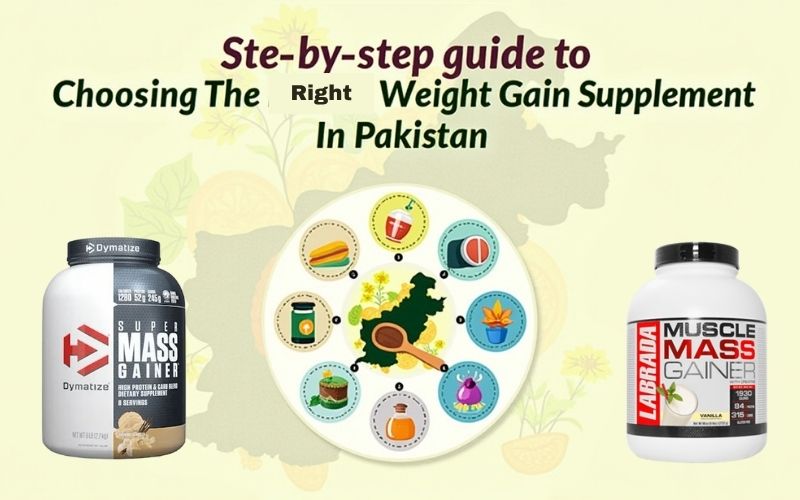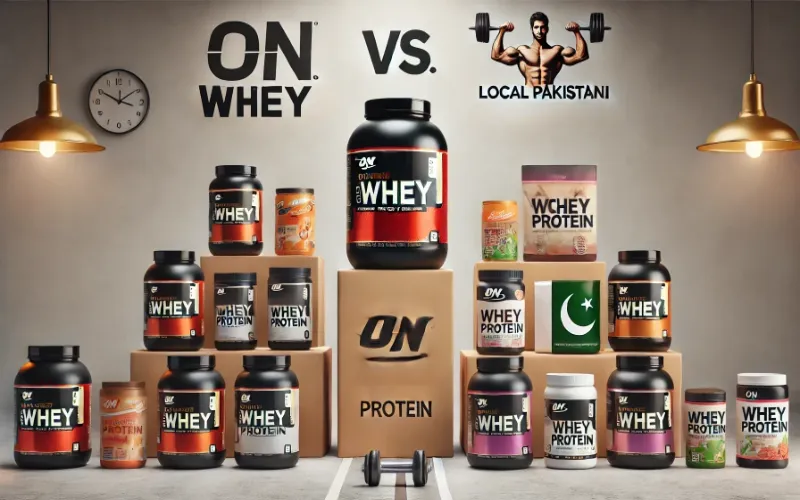











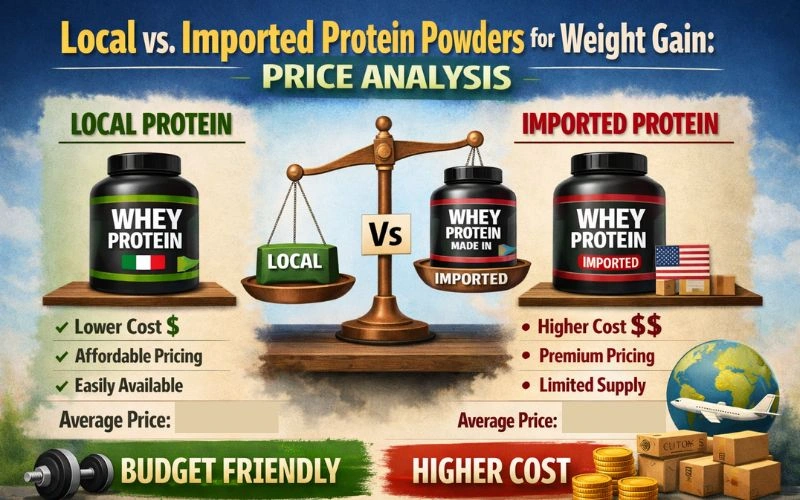
When it comes to building muscle and gaining healthy weight, choosing the right protein powder can feel overwhelming, especially with the endless options flooding the Pakistani market. Should you invest in imported brands or trust local alternatives? The answer is not always straightforward, but understanding the real differences in quality, price, and results can save you both money and disappointment.
The weight gain journey requires more than just drinking any protein shake. Your body needs proper nutrition, consistent quality, and supplements that actually deliver on their promises. Many Pakistani fitness enthusiasts find themselves caught between the premium pricing of international brands and the affordability of locally manufactured options. This guide breaks down everything you need to know about protein powders available locally and imported ones.
Table of Contents
Understanding Protein Powders for Weight Gain in Pakistan
Protein powders for weight gain, often called mass gainers, are designed to deliver far more calories than standard whey protein. Before comparing local and imported options, it helps to understand what actually separates a gainer from a regular protein powder in the first place.
- Mass gainers are high-calorie protein powders designed specifically for weight and muscle gain, a category covered in more depth in this overview of how mass gainers work for weight gain
- Regular whey protein usually provides 120 to 150 calories per serving, while mass gainers can contain 600 to 1,200 or more calories
- Weight gain formulas combine protein with large amounts of carbohydrates such as oats or maltodextrin
- Effective weight gain requires a caloric surplus, meaning you must consume more calories than you burn
- Protein in gainers supports muscle repair and growth after training
- Many quality weight gainers include added vitamins, minerals, creatine, or glutamine for recovery and performance support
Pakistani Local Protein Powders
With the basics of mass gainers covered, it is worth looking at how the local side of the market has developed in recent years. Local protein powder manufacturers in Pakistan have significantly improved their formulations and quality standards over the past few years. Brands like Sanaxium Nutrition have emerged as serious competitors, offering products that meet international standards while remaining accessible to the average Pakistani gym-goer.
The primary advantage of choosing local options is affordability. When you eliminate import duties, shipping costs, and multiple layers of distribution, you can often purchase a month’s supply of local protein powder for the same price as a week’s worth of imported products.
However, transparency remains a concern for some consumers. While many local brands now publish third-party lab test results and maintain proper PSQCA certifications, the verification process is not as rigorous or standardized as what you will find with established international brands.
Quality Control and Manufacturing Standards
Beyond pricing and transparency, it is also worth understanding what actually happens during local production.
- Pakistani supplement manufacturers face challenges related to raw material sourcing and maintaining consistent batch quality
- Leading local brands import whey concentrate or isolate from reputable international suppliers
- Imported raw protein is then blended and packaged locally to balance quality and affordability
- Pakistan’s hot and humid climate can impact supplement stability and shelf life
- Reputable manufacturers use climate-controlled storage and production facilities
- Smaller or unregulated brands may struggle to maintain proper storage conditions
Imported Protein Powders Available in Pakistan
Having covered the local side, it is worth looking at what the imported side of the market brings to the table. International brands like Optimum Nutrition, MuscleTech, Kevin Levrone, and Dymatize dominate the premium segment of Pakistan’s supplement market. These companies have decades of research, manufacturing experience, and strict quality control systems that have earned them global recognition, which is part of why understanding why more buyers lean toward imported brands matters when comparing the two categories.
One major advantage is certification transparency. Imported brands typically hold multiple international certifications, including NSF, Informed Choice, or similar third-party testing programs. This means independent laboratories verify that what is on the label matches what is in the tub, giving consumers confidence in their purchase.
Understanding Import Costs and Pricing
Certification is only part of the picture, since the price you pay is shaped by several factors beyond the product itself.
- Import duties can increase the base cost of imported protein powders by 20 to 30%
- International shipping and logistics further raise the final retail price
- Exchange rate fluctuations between PKR and USD or EUR cause frequent price changes
- Counterfeit products exist in some markets, increasing buyer risk
- Purchasing from authorized retailers reduces the chance of buying fake products
- Authentic products ensure safety, quality, and expected results
Price Comparison of Local vs Imported Weight Gainers
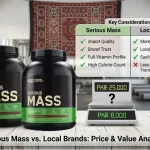
To help you make an informed decision, here is a detailed price comparison of popular weight gain protein powders available at Nutritional World. This analysis considers cost per serving, protein content, and overall value for money.
| Product Name | Type | Size | Price (PKR) | Origin |
| Sanaxium Nutrition Gold Mass Gainer | Mass Gainer | 5 lb | 19,350 | Local |
| Optimum Nutrition Serious Mass | Mass Gainer | 6 lb | 22,320 | Imported |
| MuscleTech Mass Tech Extreme 2000 | Mass Gainer | 12 lb | 35,360 | Imported |
| Dymatize Super Mass Gainer | Mass Gainer | 12 lb | 36,320 | Imported |
| Critical Mass | Mass Gainer | 6 kg | 19,600 | Local |
| Kevin Levrone Anabolic Mass | Mass Gainer | 3 kg | 19,360 | Imported |
| Russian Bear 10000 | Mass Gainer | 15 lb | 32,320 | Imported |
| Mutant Mass Extreme 2500 | Mass Gainer | 7 lb | 11,600 | Imported |
| Napalm Mass | Mass Gainer | 3 kg | 18,320 | Local |
| Elev Mass Matrix | Mass Gainer | 3 kg | 21,375 | Local |
Ingredient Quality and Nutritional Value Differences
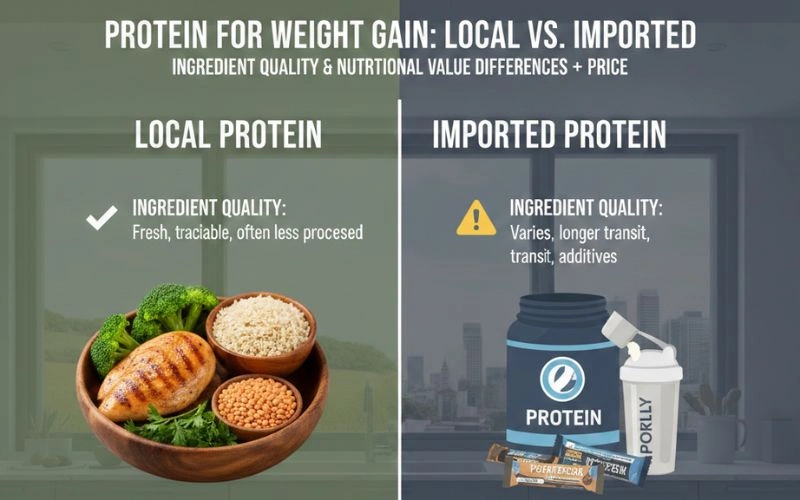
The real distinction between local and imported weight gainers often lies beneath the surface, in ingredient sourcing, manufacturing processes, and nutritional completeness. Understanding these differences helps justify price variations and guides smarter purchasing decisions.
Protein Source Quality
Starting with the protein itself, sourcing is where the two categories diverge most.
- Imported brands typically use whey protein concentrate or isolate from grass-fed cows, primarily sourced from New Zealand, Ireland, or the United States
- Local manufacturers may use protein from various sources, sometimes blending different protein types to reduce costs
- The biological value and absorption rate can vary based on protein quality and processing methods, a distinction covered in more detail in this comparison of whey isolate versus concentrate
Carbohydrate Complexity
Beyond protein sourcing, the type of carbohydrate used also shapes how a gainer performs. Premium imported gainers often include multiple carbohydrate sources with varying glycemic indexes. This creates a time-released energy effect, preventing blood sugar spikes and providing sustained fuel for muscle recovery. Local options frequently rely more heavily on simple carbohydrates like maltodextrin, which delivers quick energy but may not offer the same sustained release benefits.
Micronutrient Profiles and Added Ingredients
Beyond macronutrients, the vitamin and mineral content separates good supplements from exceptional ones. Many imported weight gainers include comprehensive micronutrient blends specifically designed to support muscle growth and recovery. Optimum Nutrition Serious Mass, for instance, includes 25 essential vitamins and minerals per serving.
Some premium formulas also incorporate performance-enhancing ingredients like creatine monohydrate, glutamine, or digestive enzymes. These additions can significantly impact results, particularly for serious athletes looking to maximize their training adaptations.
Common Mistakes When Choosing Weight Gain Supplements
With pricing and ingredients covered, it is worth flagging where buyers most often go wrong regardless of which category they choose. Many people waste money and time by approaching protein powder selection incorrectly. Avoiding these common pitfalls can save you from disappointment and financial loss.
Mistake 1: Choosing Based on Price Alone. The cheapest option rarely delivers the best results. While budget matters, extremely low prices often indicate compromised quality, inadequate protein content, or excessive filler ingredients.
Mistake 2: Ignoring Calorie Content. Not all weight gainers are created equal. Some products pack 1,200 or more calories per serving, which might be excessive if you are already eating adequate meals. Starting with too many calories can lead to unnecessary fat gain rather than lean muscle development. Assess your current diet and add supplement calories accordingly, ideally alongside a plan for building weight without adding excess belly fat.
Mistake 3: Neglecting Digestive Compatibility. Lactose intolerance or dairy sensitivity affects many people without them realizing it. If regular whey protein causes bloating or digestive discomfort, consider whey protein isolate options, which contain minimal lactose, or explore plant-based alternatives.
The Authenticity Problem
Beyond the three mistakes above, one issue deserves its own section given how common it has become. Pakistan’s supplement market faces challenges with counterfeit products, particularly for popular imported brands. These fake supplements not only waste your money but could potentially harm your health. Always purchase from authorized retailers who verify product authenticity and maintain proper storage conditions, and knowing how to spot counterfeit imported supplements is a skill worth developing before you buy.
Check for verification codes on product packaging that you can validate through manufacturer websites. Authentic imported supplements should have proper labeling, batch codes, and manufacturing dates clearly printed. If the price seems suspiciously low compared to market rates, question the product’s legitimacy.
The Future of Pakistan’s Supplement Industry
Zooming out from individual buying decisions, it is worth noting where the broader market is headed. Pakistan’s fitness supplement market continues to evolve rapidly. Local manufacturers increasingly invest in quality improvements, third-party testing, and transparency initiatives that close the gap with international competitors, a shift also reflected in this broader look at how imported supplement standards are evolving in 2025.
Several Pakistani brands now export their products to neighboring countries, indicating growing confidence in local manufacturing capabilities. This international recognition helps build domestic trust while encouraging continued quality improvements across the industry.
Your Next Steps
Armed with comprehensive information about local versus imported protein powders, you are ready to make an informed decision. Visit Nutritional World’s extensive collection of weight gainers to explore current options, compare prices, and read detailed product specifications. If you would rather follow a structured plan, this step-by-step approach to using weight gain supplements is a good next stop.
Remember that supplements complement hard training and proper nutrition. They do not replace them. Whether you choose an affordable local option or invest in premium imported brands, consistency in your training, adequate rest, and proper nutrition remain the foundation of successful weight gain.
Frequently Asked Questions
To finish up, here are quick answers to the questions Pakistani buyers ask most often when weighing local against imported protein powders.
How much weight can I gain per month using protein powders?
Healthy weight gain typically ranges from 2 to 4 kg per month when combining quality supplements with proper training and nutrition. Faster gains often include excess fat rather than lean muscle. The key is maintaining a moderate caloric surplus, around 300 to 500 calories above maintenance, and ensuring at least 1.6 to 2.2 grams of protein per kilogram of body weight daily. Results vary based on genetics, training intensity, sleep quality, and overall diet consistency.
Are local Pakistani protein powders safe and effective?
Yes, reputable local brands like Sanaxium Nutrition, Critical, and Elev maintain quality standards comparable to international products when purchased from authorized retailers. Look for PSQCA certification, published lab testing results, and transparent ingredient lists.
Can I use weight gainer if I am lactose intolerant?
Many weight gainers contain whey protein concentrate, which includes lactose that can cause digestive issues. Consider switching to whey protein isolate products like Sanaxium Gold Iso or R1 Whey Isolate, which contain minimal lactose. Alternatively, explore plant-based options or take lactase enzyme supplements before consuming your shake to aid digestion.
How do I know if I am buying authentic imported protein powder?
Purchase only from authorized retailers who source directly from manufacturers or verified distributors. Authentic products feature holographic security labels, batch codes verifiable on manufacturer websites, and proper packaging with no grammatical errors or color inconsistencies.
Should I take protein powder on rest days?
Yes, your muscles repair and grow during rest days, making protein intake equally important. However, you might reduce your serving size or skip high-calorie weight gainers in favor of regular whey protein to better match your lower activity level. On rest days, focus on whole food protein sources throughout the day and use supplements to fill any nutritional gaps rather than as primary calorie sources.