












When you are trying to shed extra weight while maintaining muscle mass, the challenge is real. You need enough protein to preserve your hard-earned muscle, but you cannot afford the excess calories that often come with traditional protein sources. That is where high-protein, low-calorie powders become one of the most effective tools in a fat-loss plan.
Finding the right protein powder in Pakistan’s growing supplement market can feel overwhelming. With countless brands making bold promises and conflicting information everywhere, how do you choose a powder that actually helps you lose fat without draining your budget? This guide cuts through the noise and offers real, practical solutions for Pakistani fitness enthusiasts at every stage of their journey.
Table of Contents
Understanding Protein’s Role in Fat Loss
Before looking at specific products, it helps to understand exactly why protein becomes your most important dietary ally during a cut. When you are in a caloric deficit, your body looks for alternative energy sources, and without adequate protein, it will begin breaking down muscle tissue for fuel. That is the outcome every serious gym-goer is trying to avoid.
High protein intake supports fat loss through several well-established mechanisms:
- It increases satiety, keeping you fuller for longer and reducing the urge to snack between meals.
- It has a higher thermic effect, meaning your body burns more calories just digesting and processing protein compared to carbohydrates or fats.
- It preserves lean muscle mass during periods of calorie restriction, which protects your metabolism.
- It supports your metabolic rate by maintaining active muscle tissue throughout the cut.
The goal is finding powders that deliver maximum protein with minimal calories from fats and carbohydrates. This is where whey protein isolate stands out, offering one of the purest and most calorie-efficient protein sources available. To understand how whey protein supports fat loss at a physiological level, the combination of thermogenesis, satiety, and muscle preservation is what makes it uniquely effective.
What Makes a Protein Powder Low Calorie?
Not all protein powders deliver the same calorie-to-protein ratio, and understanding how to read a nutrition label is the first step toward making smarter choices. A genuinely low-calorie protein powder should derive at least 80 to 90 percent of its total calories from protein. Here is what to look for per 30g serving:
- 20 to 25g of protein
- Less than 2g of fat
- Less than 3 to 5g of carbohydrates
- Total calories between 90 and 120
When you compare this profile to standard whey protein concentrates, you will notice concentrate versions often carry 5 to 8g of carbohydrates and 2 to 4g of fat per serving. That might seem minor, but across two to three shakes daily, those extra calories accumulate and can push you out of a caloric deficit without you realizing it. Knowing the key differences between isolate, concentrate, and hydrolysate helps you choose the right type for your specific fat-loss phase.
Types of Low-Calorie Protein Powders Available in Pakistan
Pakistan’s supplement market now carries a wide range of protein types suited to different budgets and fat-loss goals. Understanding what each type offers helps you match the product to your daily routine and recovery demands.
1. Whey Protein Isolate
Whey isolate is widely regarded as the top choice for fat loss among serious Pakistani athletes. The isolation process removes most of the lactose, fat, and carbohydrates, leaving a product that is 90 to 95 percent pure protein. It is also easier on the digestive system for those with lactose sensitivity, which makes it a practical choice for a broad range of users. Many Pakistani athletes who are in cutting phases rely on isolate precisely because it delivers results without bloating or unnecessary calorie load.
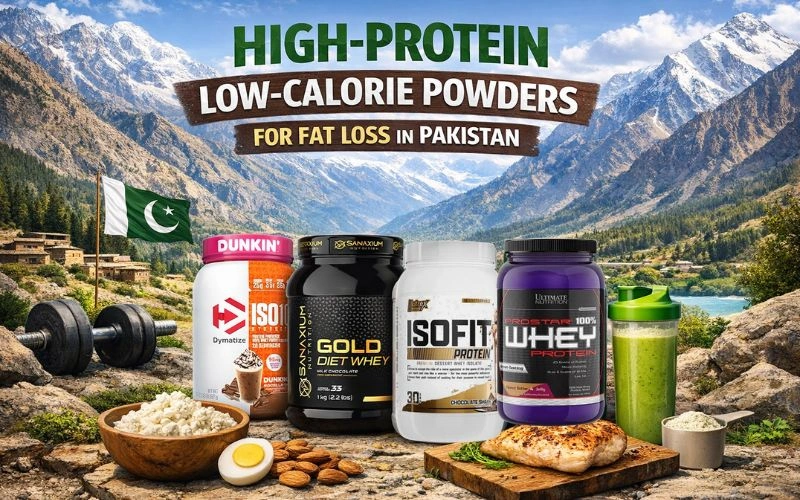
Understanding how to select the right whey protein for your body and goals means knowing that the extra filtration in isolate production makes it more expensive than concentrate, but the calorie savings clearly justify the cost when fat loss is the priority. A highly rated option available in Pakistan is Nutrex IsoFit Whey Protein Isolate, which delivers a clean and high-purity profile suited to cutting.
2. Hydrolyzed Whey Protein
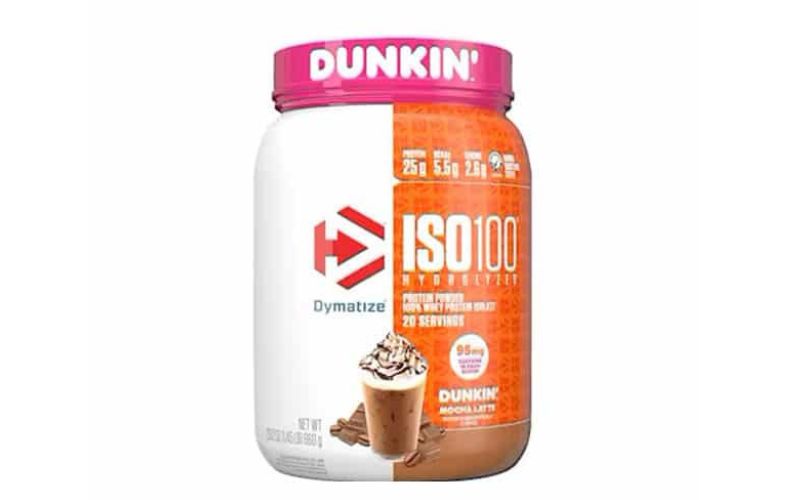
Hydrolyzed whey takes the isolation process one step further by breaking protein chains into smaller peptides through a process called hydrolysis, making absorption significantly faster than even isolate. This is particularly useful post-workout when muscles are in an active recovery state and need nutrients quickly. Hydrolyzed whey typically carries even lower fat and carbohydrate content than isolate, though it comes with a premium price tag that reflects its advanced processing.
The rapid absorption rate means less time sitting in the digestive system, which benefits those who train twice daily or have sensitive digestion. For a deeper look at why hydrolyzed protein absorbs faster than other forms, the pre-digested peptide structure is the key factor that makes it uniquely valuable in high-frequency training schedules.
3. Casein Protein
Casein does not have the lowest calorie count per gram, but it earns its place in a fat-loss supplement plan through its slow-digesting properties. Casein protein digests gradually, helping provide a steady supply of amino acids over several hours. This slower digestion can also support feelings of fullness between meals, making casein a practical option for people managing their calorie intake digests gradually, helping provide a steady supply of amino acids over several hours. This slower digestion can also support feelings of fullness between meals, making casein a practical option for people managing their calorie intake.
provides a steady release of amino acids over six to eight hours, making it ideal before bed or during long gaps between meals. This sustained delivery prevents overnight muscle breakdown and keeps hunger suppressed for hours. For those serious about using casein for overnight muscle preservation, the timing before sleep is where it provides the most meaningful fat-loss benefit.
How Protein Powders Accelerate Fat Loss
The science behind high-protein diets and fat loss is well established, and understanding the mechanisms helps you apply the right strategy rather than guessing. When you consume protein, your body uses approximately 20 to 30 percent of those calories in the process of breaking it down and absorbing it. Compare that to carbohydrates at 5 to 10 percent and fats at 0 to 3 percent, and the fat-loss advantage of a high-protein diet becomes clear.
Practical example: If you consume 100 calories from protein, your body spends roughly 25 to 30 of those calories just processing it. The same 100 calories from fat would only cost 0 to 3 calories to process. Across an entire day of eating, this thermogenic difference becomes highly significant for total fat burned.
Beyond thermogenesis, protein powder offers a level of convenience that is critical for long-term adherence. When work, family, or studies make meal prep impossible, a quick shake ensures you hit your protein targets without falling back on high-calorie fast food. Consistency with protein intake is one of the most reliable predictors of fat-loss success, and powder makes that consistency easier to maintain. Many people mistakenly assume what protein supplements actually are and expect them to work independently of diet. They do not replace a calorie deficit but they make maintaining one much more manageable.
Timing Your Protein Intake for Maximum Fat Loss
When you consume your protein powder can influence results almost as much as which product you choose. A strategic approach to timing helps you maximize recovery, control hunger, and prevent muscle loss throughout the day.
- Post-Workout (Critical Window): Muscles are most receptive to nutrients immediately after training. A fast-absorbing isolate or hydrolysate kickstarts recovery without adding unnecessary calories. Aim for 25 to 40g within 60 minutes after your session. For guidance on the optimal timing of whey protein intake, the post-workout window remains the most consistently supported window across research.
- Between Meals (Hunger Management): When cravings hit mid-morning or in the afternoon, a protein shake prevents you from reaching for high-calorie snacks. The satiety effect of protein keeps you satisfied until your next meal, which is one of the most practical fat-loss tools available for busy Pakistanis managing office hours and home routines.
- Before Bed (Muscle Preservation): A slow-digesting casein shake taken before sleep prevents overnight muscle breakdown during your extended fast. This is especially important during aggressive cuts when muscle loss risk is higher. It also helps control early-morning hunger, making your breakfast choices more controlled.
Combining Protein Powders with Fat Loss Supplements
Protein powder forms the foundation of any fat-loss supplement plan, but combining it strategically with supporting supplements can sharpen results. Before adding anything to your stack, it is important to understand what each supplement actually contributes and how it works alongside your protein base.
L-carnitine helps transport fatty acids into mitochondria for energy production, making it a popular addition to fat-loss stacks in Pakistan. When combined with adequate protein intake and consistent training, L-carnitine may support enhanced fat oxidation during exercise, particularly during cardio sessions. Those interested in how L-carnitine supports metabolic fat burning will find its role in fatty acid transport particularly relevant during a caloric deficit.
CLA (Conjugated Linoleic Acid) is another supplement worth considering alongside your protein regimen. CLA has shown measurable promise in supporting body composition improvements, though individual responses vary. It works best as a complement to, not a replacement for, proper nutrition and a consistent training routine.
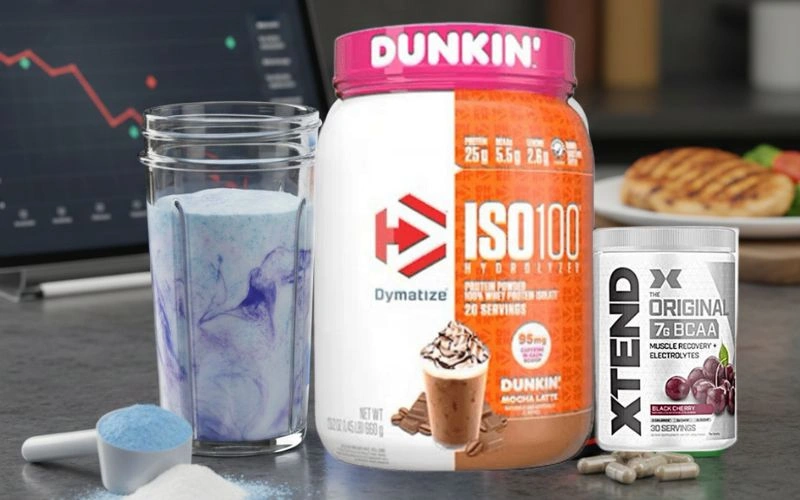
For those wanting a more aggressive approach, thermogenic fat burners containing ingredients like caffeine and green tea extract can provide additional metabolic support. However, these work best when your protein intake is already optimized. Think of protein as the structural base of your fat-loss plan, and additional supplements as refinements on top of that base. For a clearer picture of how fat burners work alongside high-protein diets, the key takeaway is that thermogenics amplify results rather than creating them independently.
Common Mistakes When Using Protein Powder for Fat Loss
Even with the highest-quality protein powder, certain mistakes can consistently derail progress. Being aware of these common errors before they affect your results saves time and money in the long run.
- Ignoring Total Calorie Intake: Protein powder is not a magic solution. If you are drinking shakes while eating in a caloric surplus, fat loss will not happen regardless of how clean the protein source is. Track your total daily calories and ensure that your shakes fit within your overall deficit target. Understanding how protein powder supports satiety and calorie control makes it easier to use shakes as a strategic tool rather than an addition to an already high-calorie day.
- Over-relying on Shakes: Whole foods should form the majority of your daily diet. Protein powder is a supplement meant to fill gaps, not replace nutritious meals. Aim for 60 to 70 percent of your protein from whole foods like chicken, fish, eggs, and lentils, with powder covering the remainder.
- Choosing Flavor Over Nutrition: Some flavored proteins pack significant added sugars and carbohydrates. While taste matters for daily adherence, never sacrifice nutritional quality for a better-tasting shake. Always read the label and calculate whether those extra carbohydrates fit your daily macro targets.
- Not Adjusting Intake Based on Progress: As your body weight decreases, your protein needs change. Reassess your intake every two to four weeks and adjust accordingly. What worked optimally at 80kg will likely need recalibration once you reach 75kg.
Buying Quality Protein Powders in Pakistan
Pakistan’s supplement market has expanded rapidly, bringing both quality imported products and unreliable alternatives into the same space. Knowing how to identify and purchase genuine products protects your health and your budget. Always buy from authorized supplement dealers with verified sourcing, check for halal certification and third-party testing, read reviews from verified Pakistani users before committing to a full tub, and start with smaller pack sizes when trying a new brand for the first time.
A good protein powder should mix smoothly, taste acceptable, and be easy on the digestive system. Persistent bloating or stomach discomfort after use is often a sign of poor-quality ingredients or excessive fillers rather than protein intolerance itself. Knowing how to verify original vs fake whey protein in Pakistan is an essential skill as the market grows and counterfeit products become more common. If you are also comparing cost across brands, a detailed price breakdown of high-protein low-calorie options in Pakistan can help you identify the best value per gram of protein.
Final Thoughts
Choosing the right high-protein, low-calorie powder simplifies fat loss when used consistently within a balanced nutrition plan. Options like whey isolate, hydrolyzed whey, or casein each serve a specific purpose and work best when matched to your daily routine, training schedule, and recovery needs.
Protein powders are designed to complement whole foods, helping control hunger and preserve muscle during a calorie deficit. Long-term fat-loss results always come from consistency. Select a quality product that fits your budget, tastes good enough to use every day, and genuinely supports your goals. Then track your progress, adjust when needed, and stay the course.
Frequently Asked Questions
These are the most common questions Pakistani users ask before starting a high-protein, low-calorie supplement approach for fat loss.
Q1: Can I lose weight by just drinking protein shakes and skipping meals?
Protein shakes can occasionally replace a meal, but relying on them long term is neither healthy nor sustainable. Whole foods provide fiber, vitamins, minerals, and phytonutrients that protein powders cannot replicate. For best results, eat two to three solid meals daily and use shakes to fill protein gaps or as a post-workout option. Shake-only diets often lead to muscle loss, a slowed metabolism, and eventual rebound weight gain.
Q2: How much protein powder should I take daily for fat loss in Pakistan?
Aim for 1.6 to 2.2g of protein per kilogram of body weight daily. For a 70kg person, that translates to 112 to 154g of total protein per day. Get 60 to 70 percent from whole foods such as chicken, eggs, fish, daal, and yogurt, and cover the rest through powder, usually one to two scoops (25 to 50g). More is not better; excess protein beyond your daily target will not accelerate fat loss.
Q3: Is whey protein isolate better than concentrate for fat loss?
Yes, for most people in a cutting phase. Whey isolate contains 90 to 95 percent protein with minimal carbohydrates and fat, making it lower in total calories and easier to digest. Concentrate carries more carbohydrates and fat per serving. Over time, isolate’s lower calorie load and reduced bloating make it the more practical and effective choice specifically for fat loss goals.
Q4: Will protein powder make me bulky, especially as a woman?
No. Building bulky muscle requires a sustained calorie surplus, progressive heavy training, and high testosterone levels, which women naturally do not have. During fat loss, protein powder helps preserve existing muscle, improve satiety between meals, and create a leaner, more defined look without adding unwanted size. For more on how whey protein benefits women’s fitness goals
, muscle definition rather than bulk is the primary outcome when used during a caloric deficit.
Q5: Can I use a weight gainer for fat loss?
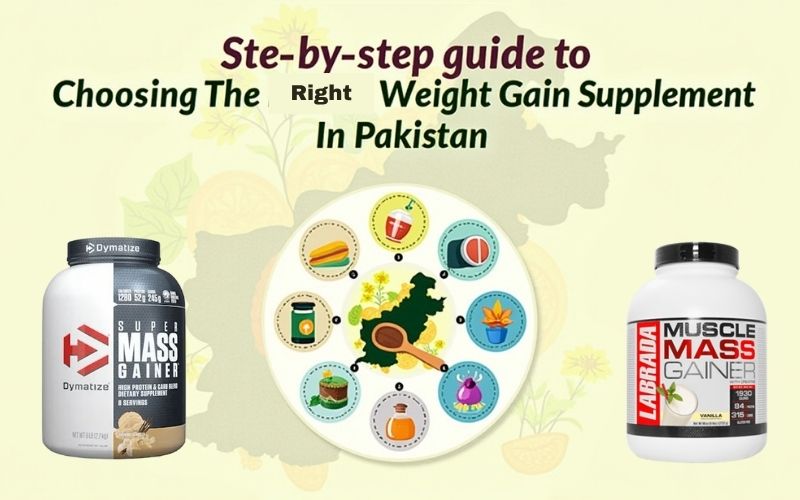
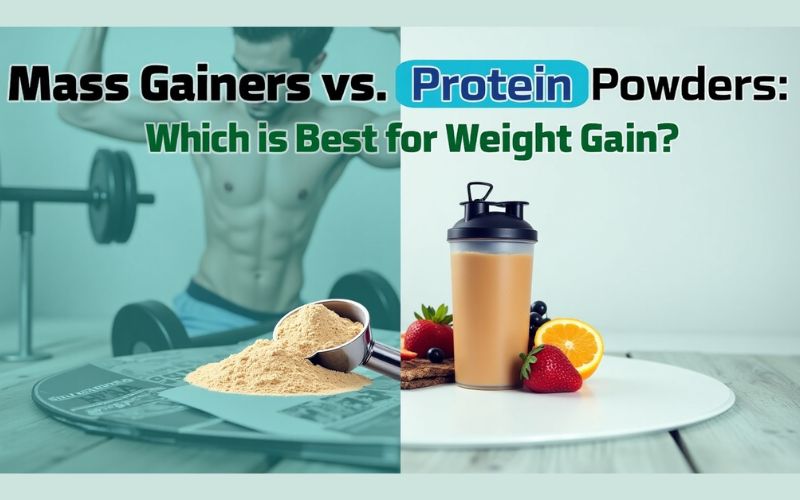
No. Weight gainers are specifically formulated for calorie surplus situations and often contain 500 to 1200 calories per serving. For fat loss, choose high-protein, low-calorie options such as whey isolate, hydrolysate, or a low-carb concentrate. There is no specialized fat-loss protein category; the principle is simply selecting a cleaner protein source with fewer additional calories per serving. Understanding the core difference between mass gainers and protein powders makes it clear why gainers are counterproductive during a cut.