














Pakistan faces a silent health crisis that affects nearly 9 out of 10 people. Despite being blessed with abundant sunshine year-round, Vitamin D deficiency has reached epidemic proportions across the country. This paradox isn’t just a medical curiosity; it’s affecting millions of Pakistanis’ energy levels, bone health, immune function, and overall quality of life.
You’re experiencing unexplained fatigue, frequent infections, or bone pain; understanding this widespread deficiency and its solutions could be the key to transforming your health. Let’s explore why this is happening and what you can do about it.
Table of Contents
Vitamin D Deficiency in Pakistanis
The statistics are alarming. Studies show that approximately 88% of Pakistanis have insufficient Vitamin D levels, with women and children being particularly vulnerable. This makes it one of the highest deficiency rates globally, despite Pakistan’s geographical location near the equator.
What makes this even more concerning is that many people remain completely unaware of their deficiency. The symptoms often develop gradually, manifesting as:
- Persistent tiredness and low energy levels
- Frequent colds and infections
- Bone and back pain
- Mood changes and depression
- Slow wound healing
- Hair loss
- Muscle pain and weakness
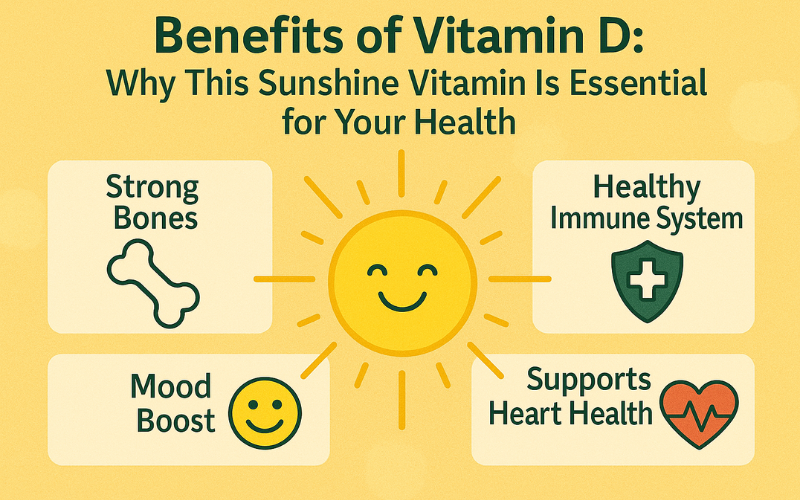
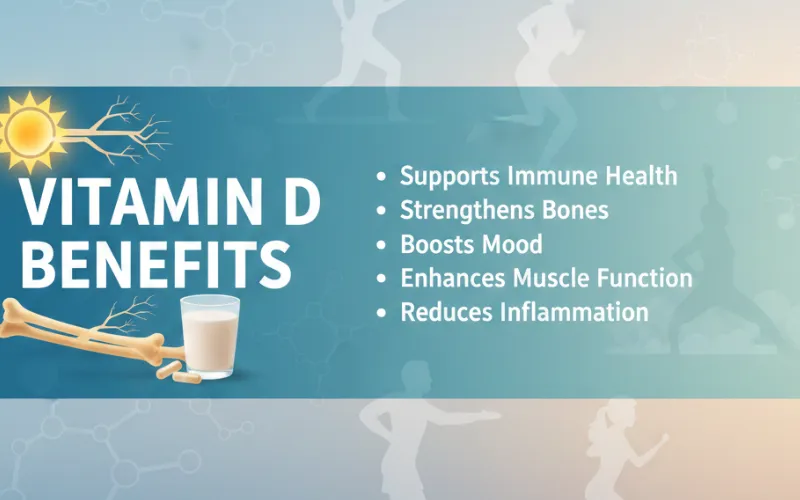
The benefits of Vitamin D extend far beyond just bone health; this crucial nutrient plays a vital role in immune function, mental health, and even disease prevention.
Factors Contributing to Deficiency
Vitamin D deficiency in Pakistan is not caused by a single factor but rather a combination of environmental conditions and everyday lifestyle habits that limit natural Vitamin D production.
- Pakistan’s environmental challenges play a major role in widespread Vitamin D deficiency.
- Heavy air pollution in major cities blocks UVB rays needed for Vitamin D synthesis.
- Sunscreen use, while important for skin cancer prevention, can reduce Vitamin D production by up to 95%.
- Fear of skin darkening or tanning has increased excessive sunscreen use, even during brief outdoor exposure.
- Traditional Pakistani diets generally lack sufficient Vitamin D-rich foods.
- Unlike Western countries, most Pakistani foods are not fortified with Vitamin D.
- Limited intake of fatty fish, eggs, and dairy contributes to dietary deficiency.
- Many families follow vegetarian or mostly plant-based diets for religious or economic reasons.
- Combined dietary gaps and limited sun exposure create a high risk of Vitamin D deficiency.
Vitamin D Deficiency Affecting Pakistanis
The impact of Vitamin D deficiency extends far beyond feeling tired. In Pakistan, we’re seeing alarming increases in conditions directly linked to low Vitamin D levels. Rickets in children, once considered a disease of the past, is making a comeback in urban areas. Adults face increased risks of osteoporosis, with women particularly vulnerable after menopause.
Mental health connections are equally concerning. Research links Vitamin D deficiency to increased rates of depression and anxiety, conditions already stigmatized and underdiagnosed in Pakistani society. Many people suffering from mood disorders may actually need to address their Vitamin D levels before exploring other treatments.
Immune System Implications
With Pakistan facing numerous infectious disease challenges, a weakened immune system from Vitamin D deficiency makes the population more vulnerable. Studies show that adequate Vitamin D levels can reduce the risk of respiratory infections by up to 50%, particularly relevant during flu seasons and in our post-pandemic world.
For those looking to strengthen their immune defenses naturally, exploring top natural supplements to boost immunity can provide additional support alongside addressing Vitamin D levels.
How to Get Tested for Vitamin D Deficiency in Pakistan
Getting tested is the crucial first step. In Pakistan, the 25-hydroxyvitamin D blood test is available at most major diagnostic centers, including Chughtai Labs, IDC, and Shaukat Khanum Memorial Hospital. The test typically costs between PKR 1,500-3,000 and provides results within 24-48 hours.
Understanding Your Test Results:
- Deficient: Below 20 ng/mL
- Insufficient: 20-30 ng/mL
- Sufficient: 30-50 ng/mL
- Optimal: 40-60 ng/mL
Most Pakistani adults test below 20 ng/mL, placing them in the deficient category. Don’t wait for severe symptoms; if you identify with the risk factors mentioned earlier, get tested proactively.
Safe Sun Exposure in Pakistan’s Climate
The good news? Fixing Vitamin D deficiency doesn’t require dramatic lifestyle changes. Smart, strategic sun exposure can make a significant difference. In Pakistan’s climate, exposing your arms and legs to direct sunlight for just 10-30 minutes, 2-3 times per week, can help maintain adequate levels.
Best Times for Vitamin D Synthesis:
- Morning: 10:00 AM – 11:30 AM
- Late Morning: 11:30 AM – 1:00 PM (most effective)
- Afternoon: 2:00 PM – 3:00 PM
The key is finding the balance,enough exposure for Vitamin D without risking skin damage. For those concerned about complexion changes, morning sun (10-11 AM) provides gentler rays while still allowing Vitamin D production.
Practical Tips for Pakistani Families:
- Take a 15-minute walk in your garden or rooftop during mid-morning
- Sit near open windows during peak sun hours
- Encourage children to play outdoors before or after school
- Plan weekend outdoor activities like picnics or cricket matches
For busy professionals, even eating lunch near a sunny window or taking walking meetings outdoors can help. Remember, the sun exposure doesn’t need to be continuous; 10 minutes here and there add up.
Incorporating Vitamin D into Pakistani Meals
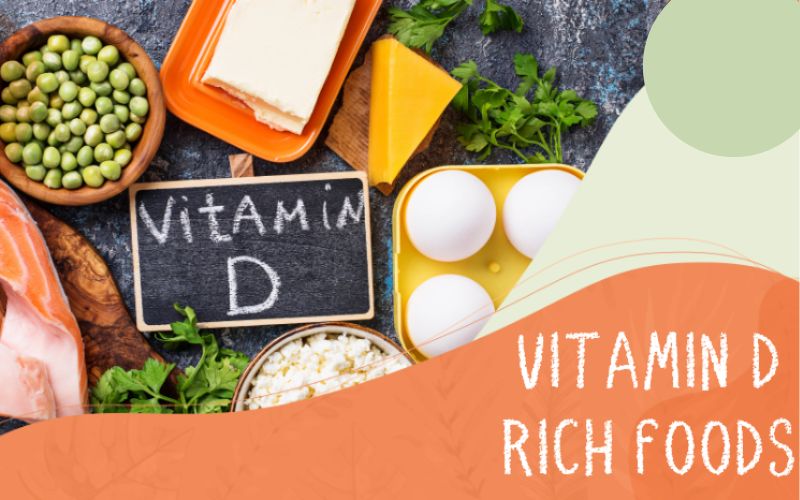
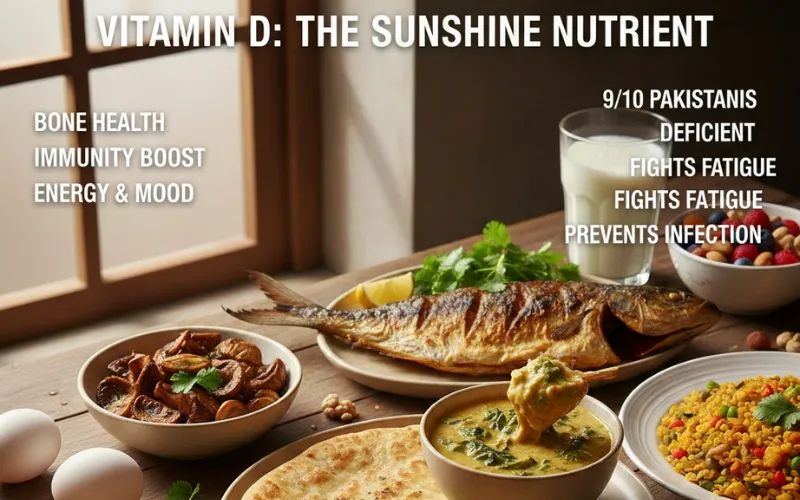
While sun exposure is the primary source, incorporating Vitamin D-rich foods in Pakistan into your diet provides essential backup. The challenge is making these foods accessible and appealing within traditional Pakistani cuisine.
Locally Available Vitamin D-Rich Foods:
Fish options are particularly valuable. Sardines, mackerel, and salmon (both wild and farm-raised) contain substantial Vitamin D. A 100-gram serving of cooked salmon provides approximately 450-600 IU of Vitamin D. For coastal communities, incorporating local fish varieties like pomfret and surmai can also help.
Eggs are another practical option,one whole egg contains about 40 IU, primarily in the yolk. Free-range or omega-3 enriched eggs often contain higher levels. Traditional egg-based dishes like anda paratha or egg curry can be breakfast staples that support Vitamin D intake.
Mushrooms exposed to UV light can produce Vitamin D2. While not as potent as D3, they’re valuable for vegetarians. Button mushrooms exposed to sunlight for 15-30 minutes significantly increase their Vitamin D content.
Fortified Foods Entering Pakistani Markets:
International brands now available in major Pakistani cities offer fortified milk, cereals, and orange juice. While more expensive than local alternatives, they provide reliable Vitamin D sources, especially for children.
Supplement Options in the Pakistani Market
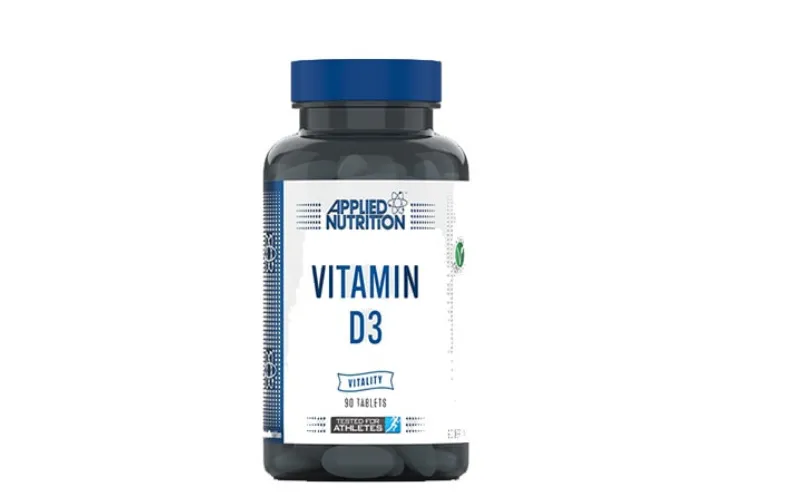
When diet and sun exposure aren’t enough, supplements become essential. The good news is that Vitamin D tablets in Pakistan are readily available and affordable, ranging from PKR 200 to 2,000 depending on brand and dosage.
Choosing the Right Supplement:
Vitamin D3 (cholecalciferol) is more effective than D2 (ergocalciferol) at raising and maintaining blood levels. Look for supplements that clearly state “D3” on the label. Many Pakistani and international brands offer quality options.
Dosage Guidelines for Pakistanis:
- Mild deficiency: 1,000-2,000 IU daily
- Moderate deficiency: 3,000-5,000 IU daily
- Severe deficiency: 50,000 IU weekly (prescribed by doctor)
- Maintenance: 600-1,000 IU daily
Always consult with a healthcare provider before starting high-dose supplementation. Some conditions, like hyperparathyroidism or sarcoidosis, require careful monitoring when taking Vitamin D supplements.
Trusted Brands Available in Pakistan:
- Ferozsons Pharmaceuticals
- GlaxoSmithKline Pakistan
- Getz Pharma
- International imports from NOW Foods, Solgar, and Nature Made
Many Pakistanis also explore comprehensive multivitamin tablets that include Vitamin D alongside other essential nutrients, providing a convenient all-in-one solution.
Special Considerations for Women and Children
Women in Pakistan face unique challenges regarding Vitamin D. Pregnancy and breastfeeding increase requirements significantly; pregnant women need at least 600-800 IU daily, while breastfeeding mothers may need 1,000-2,000 IU to maintain their own levels and provide adequate amounts through breast milk.
Children are particularly vulnerable because Vitamin D is crucial for bone development. Pakistani children who spend most of their time indoors studying or playing video games miss critical exposure during growth years. This contributes to the rising rates of childhood bone deformities and dental problems.
For Pregnant and Nursing Mothers:
Adequate Vitamin D during pregnancy reduces the risks of preeclampsia, gestational diabetes, and premature birth. It also ensures the baby develops strong bones and teeth. Many obstetricians in Pakistan now routinely prescribe Vitamin D supplements during pregnancy.
Breastfed babies depend entirely on their mother’s Vitamin D status. Since breast milk typically contains only 25-78 IU per liter, exclusively breastfed infants often need supplementation (400 IU daily) unless the mother maintains optimal levels.
The Role of Supplements in Pakistani Health Routines
Modern life demands modern solutions. While our grandparents may have gotten sufficient Vitamin D through lifestyle alone, today’s Pakistanis often need supplementation. This isn’t a sign of weakness; it’s an adaptation to changed circumstances.
Many health-conscious Pakistanis are discovering the broader world of nutritional supplementation. Beyond Vitamin D, other nutrients work synergistically to support overall health. For instance, omega-3 supplements complement Vitamin D by supporting cardiovascular and brain health.
Similarly, understanding how vitamins affect the immune system helps people make informed decisions about their supplementation strategy. Vitamin D works alongside vitamins C, A, and minerals like zinc to create a robust immune defense.
Building a Complete Supplement Strategy:
Rather than random supplementation, consider a systematic approach based on your specific needs:
For athletes and gym-goers, combining Vitamin D with protein supplements and creatine supports both bone health and muscle development. Those focused on weight management might explore supplements for gym beginners that include Vitamin D as part of a comprehensive nutritional plan.
For those concerned about hair, skin, and nail health, Vitamin D works synergistically with biotin and collagen. Biotin supplements in Pakistan are increasingly popular, especially among women experiencing hair loss related to nutritional deficiencies.
Common Mistakes to Avoid
Many Pakistanis make preventable mistakes when addressing their Vitamin D deficiency. Don’t fall into these traps:
- Over-reliance on food alone: While dietary sources help, they’re rarely sufficient for severely deficient individuals. A 100 IU egg can’t compensate for a 10,000 IU deficit quickly enough.
- Inconsistent supplementation: Taking supplements sporadically doesn’t work. Vitamin D has a half-life of about 15 days, meaning consistent daily intake is necessary to build and maintain levels.
- Ignoring co-factors: Vitamin D works with magnesium, Vitamin K2, and calcium. Supplementing D3 alone, especially at high doses, can cause imbalances. Consider a comprehensive approach or speak with a nutritionist.
- Sunscreen during therapeutic sun exposure: If you’re specifically going outside for Vitamin D (10-15 minutes), skip the sunscreen initially. Apply it after you’ve had your vitamin D time if staying longer.
- Stopping supplementation too soon: Many people stop supplements once they feel better, before their levels are actually optimal. Always retest before discontinuing.
The Future of Vitamin D Awareness in Pakistan
Pakistan is gradually waking up to this crisis. Medical schools now include more comprehensive teaching about Vitamin D, and doctors are becoming more proactive about testing and treatment. Social media and health blogs have played a crucial role in spreading awareness.
Government initiatives are still lacking, but private sector healthcare is stepping up. Some hospitals offer awareness campaigns, and pharmaceutical companies are making supplements more accessible and affordable.
The conversation about imported supplements has also expanded access to high-quality Vitamin D products. While local brands serve most needs adequately, imported options provide variety and sometimes higher potency for those requiring it.
Integrating Vitamin D Fix with Overall Wellness
Addressing Vitamin D deficiency shouldn’t exist in isolation from your broader health goals. Think of it as one critical piece of a larger wellness puzzle.
If you’re active in fitness, understanding how nutrition affects your health helps you see how Vitamin D, protein intake, proper hydration, and other factors work together. Those working on exercises for a slim body will find that optimal Vitamin D levels improve exercise performance and recovery.
For those focused on strength training, knowing the benefits of dumbbell shoulder exercises is important, but so is ensuring your body has the Vitamin D necessary to build and maintain strong bones that can handle progressive overload safely.
Final Thoughts
Pakistan’s Vitamin D deficiency crisis is real, widespread, and consequential, but it’s also completely fixable. You now understand why this paradox exists: cultural dress codes, urban lifestyles, environmental pollution, and dietary gaps have created a perfect storm of deficiency despite abundant sunshine.
The solution requires a three-pronged approach: smart sun exposure during optimal hours, incorporating Vitamin D-rich foods into traditional Pakistani cuisine, and strategic Food supplementation based on individual needs. For most Pakistanis, all three components are necessary to achieve and maintain optimal levels.
Frequently Asked Questions
Q1: Can I get enough Vitamin D from sunlight alone in Pakistan?
While Pakistan has abundant sunshine, most people cannot maintain optimal Vitamin D levels through sun exposure alone due to cultural dress codes, indoor lifestyles, and urban pollution. The average Pakistani needs 20-30 minutes of direct sun exposure on at least 40% of their body (arms and legs), 2-3 times weekly. Given practical constraints, most people need supplementation alongside strategic sun exposure.
Q2: Are expensive imported Vitamin D supplements better than local Pakistani brands?
Not necessarily. Many Pakistani pharmaceutical companies produce quality Vitamin D3 supplements that meet international standards at a fraction of imported costs. Brands like Ferozsons, Getz Pharma, and GSK Pakistan offer reliable options. What matters more is choosing D3 (cholecalciferol) over D2 (ergocalciferol) and taking appropriate dosages consistently. Save money on local brands and invest in regular testing instead.
Q3: Can Vitamin D supplements cause side effects or toxicity?
Vitamin D toxicity is rare and only occurs with excessive intake over prolonged periods, typically above 10,000 IU daily for months. Symptoms include nausea, vomiting, weakness, and kidney problems.
Q4: Should I take Vitamin D with food or on an empty stomach?
Vitamin D is fat-soluble, meaning it absorbs best when taken with dietary fats. Take your supplement with a meal containing healthy fats like eggs, yogurt, nuts, or olive oil for optimal absorption.
Q5: How does Vitamin D deficiency affect weight loss or muscle-building goals?
Vitamin D plays a crucial role in both fat metabolism and muscle protein synthesis. Deficiency can impair fat loss by affecting hormone levels and metabolic rate, while also limiting muscle growth and recovery.