













Iron deficiency is one of the most common nutritional gaps in Pakistan, affecting a significant portion of the population across all age groups. This condition can lead to anemia and other serious health complications if not addressed promptly. Understanding the importance of iron and the available supplementation options in the local market is essential for combating this widespread problem.
Table of Contents
Importance of Iron in the Human Body
Before looking at supplements or symptoms, it helps to understand exactly what iron does inside the body and why the deficiency shows up the way it does.
Iron is a crucial mineral that plays a vital role in various bodily functions. It is a key component of hemoglobin, the protein in red blood cells responsible for transporting oxygen throughout the body. Additionally, iron supports energy production, immune function, and cognitive development.
Common Causes of Iron Deficiency
Knowing why the deficiency develops in the first place makes it easier to spot the risk in your own diet and lifestyle.
Several factors contribute to iron deficiency, including inadequate dietary intake, poor absorption, chronic blood loss, and increased physiological demands during periods such as pregnancy.
In Pakistan, dietary habits and socioeconomic factors often make this deficiency more common than in many other regions.
Symptoms and Health Implications of Iron Deficiency
Recognising the early warning signs can help you address the problem before it progresses into something more serious.
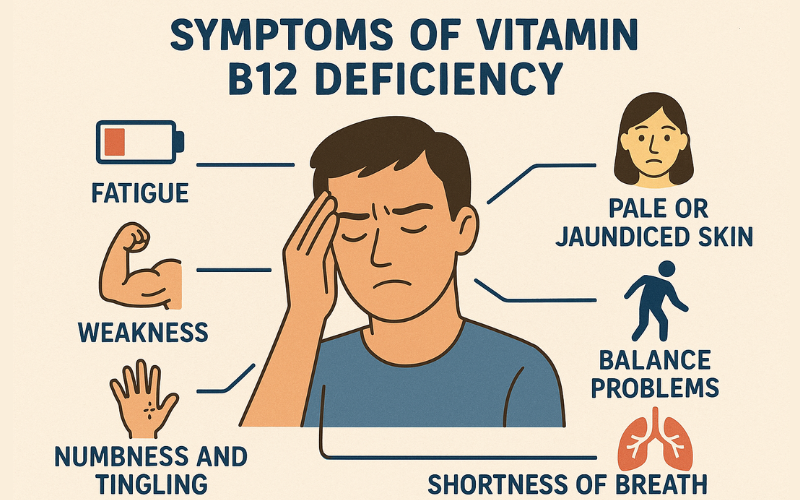
Individuals with iron deficiency may experience fatigue, weakness, shortness of breath, and impaired cognitive function. If you have been wondering why your energy feels low even after resting, iron deficiency is one of the more common and overlooked causes.
If untreated, it can progress to iron deficiency anemia, characterized by more severe symptoms and increased susceptibility to infections.
Overview of Iron Supplements
Once a deficiency is confirmed or suspected, supplementation is usually the fastest way to bring levels back up alongside dietary changes.
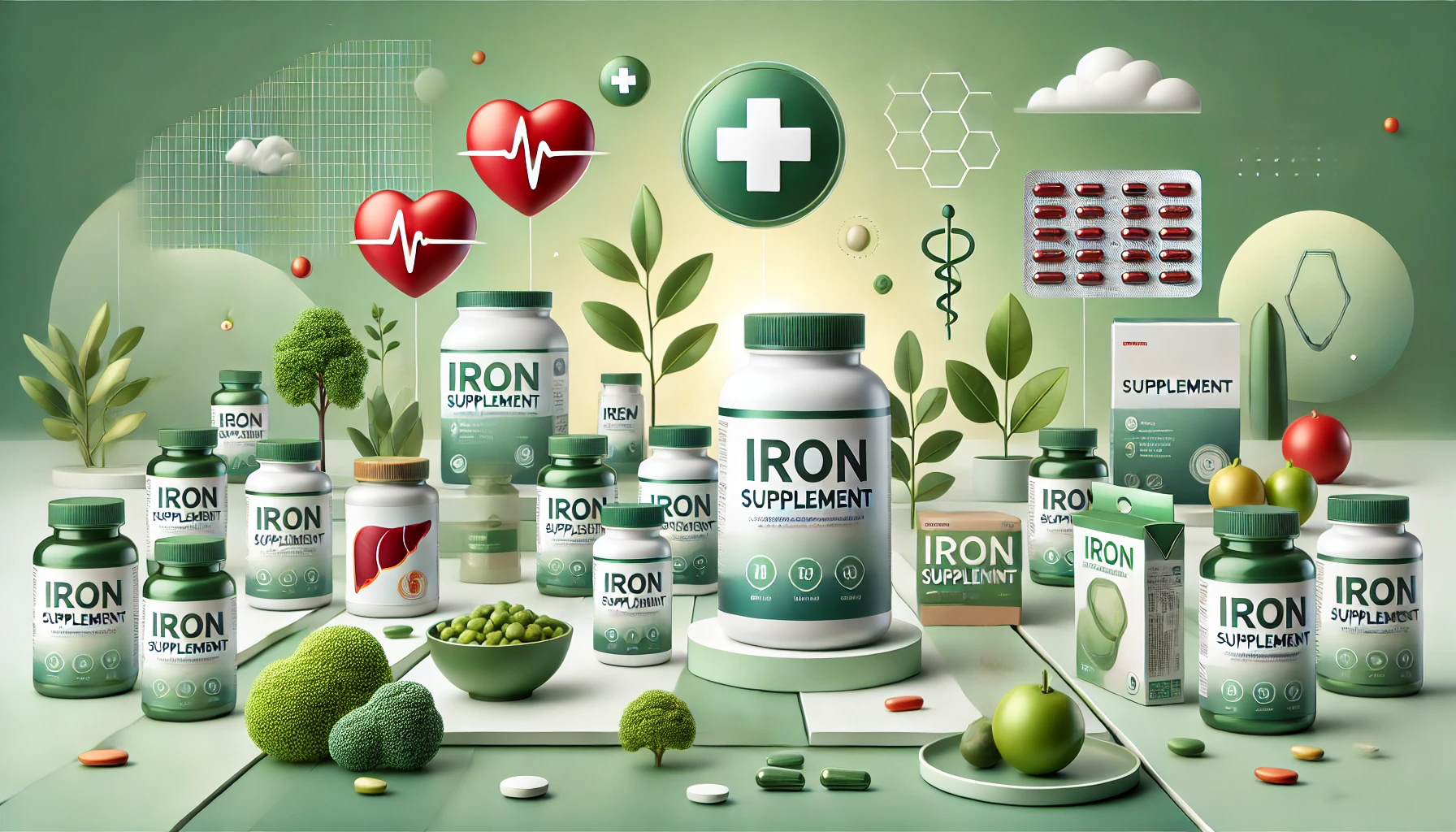
Iron supplements are formulations designed to increase iron levels in the body. They are commonly used to prevent or treat iron deficiency anemia. These supplements come in various forms, including tablets, capsules, and liquid preparations, each with specific indications and absorption characteristics.
Types of Iron Supplements Available in Pakistan
Not every iron supplement uses the same compound, and the specific form can affect both absorption and side effects.
In Pakistan, several types of iron supplements are available, including:
- Ferrous Sulfate: a widely used form known for its high bioavailability
- Ferrous Gluconate: often preferred for its relatively mild gastrointestinal side effects
- Ferrous Fumarate: contains a higher percentage of elemental iron, suitable for individuals requiring substantial supplementation
Top Supplement Picks That Support Iron Levels in Pakistan
Since standalone iron tablets are best chosen with a doctor’s guidance based on blood test results, these are the broader multivitamin and mineral options that help support healthy iron and overall micronutrient status day to day.
Multi Vitamin, 90 Tabs
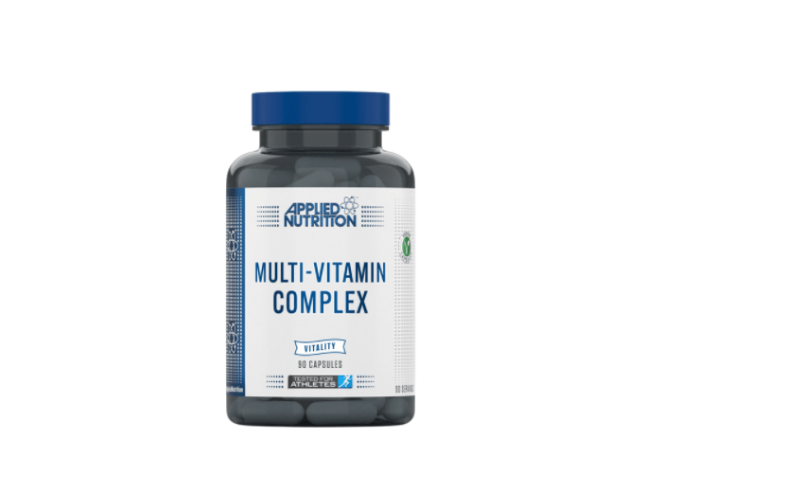
A comprehensive multivitamin complex from Nutritional World, providing over 30 essential vitamins and minerals, including iron, to support overall health and immunity.
Platinum Multivitamin, 90 Tablets
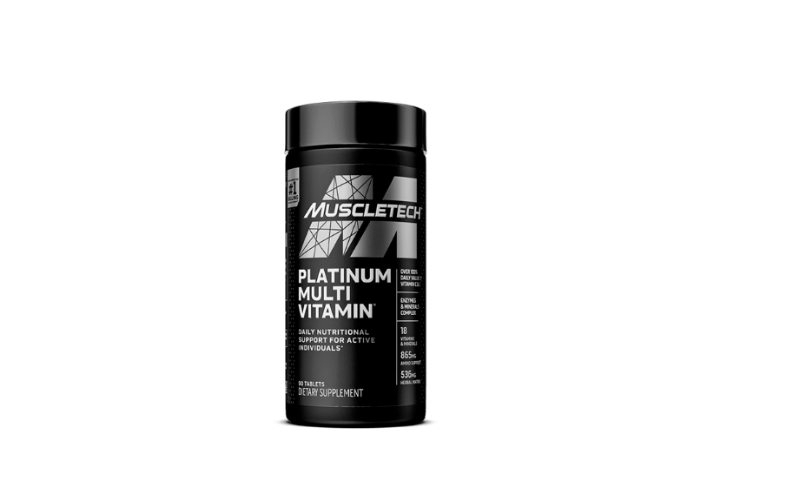
An advanced daily supplement offering 20 vitamins and minerals, along with amino support, to enhance energy and vitality alongside your baseline iron intake.
ZMB6, 60 Caps
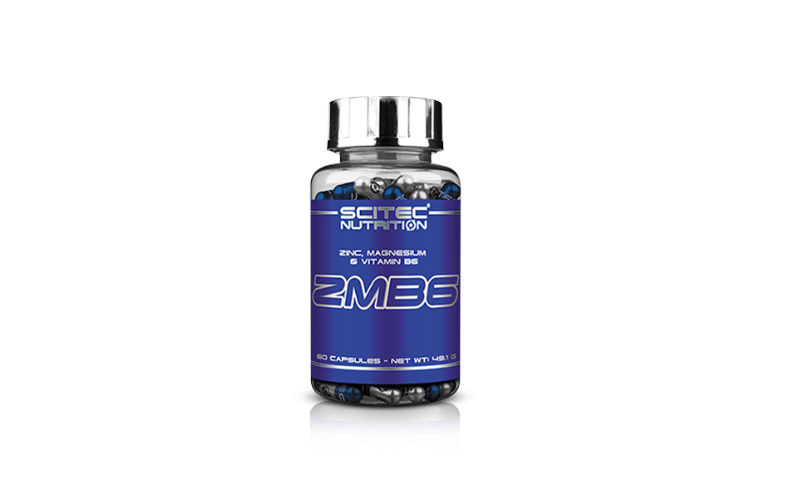
A blend of zinc, magnesium, and vitamin B6 that contributes to normal protein synthesis and maintenance of bones, with added benefits for immune function that pairs well with an iron rich diet.
Vitamin C, 100 Tabs
Since vitamin C significantly improves how much dietary and supplemental iron the body actually absorbs, pairing the two is one of the simplest ways to get more value from every meal. A closer look at everyday foods rich in vitamin C shows how easy this pairing is to build into daily meals.
How to Choose the Right Iron Supplement
With several forms and brands on the market, narrowing down the right one comes down to a few practical factors.
Selecting an appropriate iron supplement involves considering factors such as the severity of deficiency, individual tolerance, and specific health conditions. Consulting a healthcare professional is advisable to determine the most suitable form and dosage. For a broader look at daily supplementation, this comparison of top rated multivitamin options in Pakistan is a useful starting point if you are unsure whether a standalone iron tablet or a combined formula suits you better.
Proper Dosage and Administration of Iron Supplements
Getting the timing and dosage right has a real effect on both how well iron is absorbed and how comfortable the supplement feels to take.
Adhering to the recommended dosage is essential to ensure efficacy and minimize side effects. Iron supplements are generally absorbed more effectively on an empty stomach, however, if gastrointestinal discomfort occurs, they can be taken with a small amount of food. Many people find that taking supplements on an empty stomach works differently depending on the individual, so it is worth testing what your body tolerates best.
Potential Side Effects and Precautions
Like most supplements, iron can cause mild digestive side effects, especially when starting out, so it helps to know what to expect.
Common side effects include constipation, nausea, and dark colored stools. To mitigate these effects, starting with a lower dose and gradually increasing it, or opting for formulations with gentler absorption, may be beneficial.
Dietary Sources of Iron
Supplements work best alongside, not instead of, a diet that naturally supports healthy iron levels.
Incorporating iron rich foods into the diet can enhance iron levels naturally. Sources include red meat, poultry, fish, legumes, leafy green vegetables, and fortified cereals. Combining these with vitamin C sources that boost nutrient absorption can further improve how much iron your body actually takes up from each meal.
Iron Alongside Your Broader Micronutrient Needs
Iron rarely operates in isolation, and people who run low on it are often falling short on a few other nutrients as well.
Fatigue and low energy in Pakistan are frequently tied to more than one deficiency at once. Alongside iron, it is worth checking whether magnesium intake is supporting your energy and sleep, and whether your vitamin D levels are where they should be, since both commonly run low in the same population that struggles with iron. Building a consistent morning routine centered on steady energy makes it easier to stay on top of supplementation without forgetting doses.
Maintaining Adequate Iron Levels for Health
Long term management matters more than a short course of tablets, so it is worth thinking of iron as an ongoing part of your health routine.
Maintaining sufficient iron levels is fundamental to overall health and wellbeing. Awareness of the supplements available through trusted Pakistani retailers, along with informed choices and ongoing nutrition guidance, can effectively address and prevent iron deficiency in the population.
FAQs
These are the questions people in Pakistan most often ask before starting iron supplementation.
Q1: How do I know if I actually need an iron supplement?
The only reliable way is a blood test measuring hemoglobin and serum ferritin. Fatigue, weakness, and pale skin are common signs, but a doctor should confirm deficiency before you start supplementing.
Q2: What is the best time to take iron tablets?
Iron is absorbed best on an empty stomach, ideally with a source of vitamin C. If it causes nausea or stomach upset, taking it with a small amount of food is a reasonable alternative.
Q3: Can I get enough iron from food alone?
For many people, yes, especially with regular red meat, poultry, or legumes in the diet. Vegetarians and those with heavy menstrual cycles or pregnancy often need supplementation on top of diet.
Q4: Why does iron supplementation cause constipation?
Unabsorbed iron in the gut slows digestion for many people. Staying hydrated, increasing fiber intake, and choosing gentler forms like ferrous gluconate can reduce this side effect.
Q5: Should I take iron and calcium supplements together?
It is best to space them apart by a few hours. Calcium can interfere with iron absorption when taken at the same time, so many people take iron in the morning and calcium later in the day.