













Table of Contents
Vitamin D-Rich Foods: A Natural Boost for Your Health
Vitamin D, often called the “sunshine vitamin,” plays a central role in keeping the body strong and balanced. It supports bone density, backs up the immune system, and even influences mood and energy levels. In Pakistan, where daily routines often keep people indoors for long stretches, getting enough vitamin D through food matters more than most people realize. This guide walks through the best food sources of vitamin D, how much your body actually needs, and how to spot a deficiency before it becomes a bigger problem.
Why Is Vitamin D So Important?
Before looking at specific foods, it helps to understand what vitamin D actually does inside the body and why a shortage of it can quietly affect so many systems at once.
Vitamin D is a fat-soluble vitamin that helps the body absorb calcium and phosphorus, two minerals that are essential for strong bones and teeth. It also plays a part in immune function, muscle strength, and mental well-being.
A shortage of vitamin D can lead to a number of health issues, including:
- Weak bones (rickets in children, osteomalacia in adults)
- Fatigue and muscle weakness
- Increased risk of infections
- Mood disorders, including low mood and depression
In Pakistan, despite plenty of sunshine throughout the year, vitamin D deficiency remains surprisingly common because of indoor lifestyles, sun avoidance, and limited dietary variety. This is exactly why building a habit of including vitamin D rich foods in your daily meals becomes so important for long-term health.
Top Vitamin D-Rich Foods to Include in Your Diet
Once you understand why vitamin D matters, the next step is knowing exactly which foods can help close the gap. Here are some of the most reliable and accessible sources.
Fatty Fish
Fatty fish is one of the most concentrated natural sources of this nutrient, so it’s worth starting here.
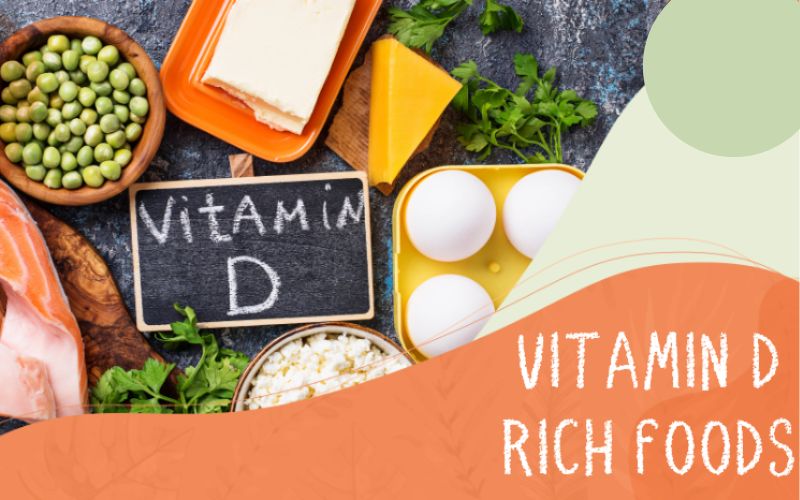
Fatty fish such as salmon, mackerel, sardines, and tuna are among the richest natural sources of vitamin D. A single serving of cooked salmon can provide more than half of the daily requirement most adults need. Beyond bone health, these fish also support heart health, making them a smart addition to a weekly meal plan.
Egg Yolks
For those who don’t eat much fish, eggs offer a far more affordable and everyday alternative.
Egg yolks are an easily accessible and budget-friendly source of vitamin D. They fit into almost any meal, from breakfast omelets to baked dishes. Choosing free-range or pasture-raised eggs generally means a higher nutrient content per serving.
Fortified Foods
Beyond naturally occurring sources, many everyday grocery items are now fortified specifically to help prevent widespread deficiency.
- Fortified milk and dairy products
- Breakfast cereals
- Orange juice
- Plant-based milk (soy, almond, oat)
It’s worth checking product labels to confirm an item is actually fortified with vitamin D before assuming it counts toward your daily intake.
Mushrooms
For anyone following a plant-based diet, mushrooms are one of the few vegetarian-friendly options worth knowing about.
Mushrooms, especially those exposed to sunlight during growth, can naturally produce vitamin D. Varieties like maitake and UV-exposed portobello stand out as strong vegetarian sources, making them a useful addition for people avoiding animal products.
Liver and Cod Liver Oil
Organ meats and traditional oils are another option, though they come with a few caveats worth knowing before adding them regularly.
Organ meats like beef liver and traditional supplements such as cod liver oil are potent sources of vitamin D. Because of their strong taste and high vitamin A content, they’re best consumed in moderation rather than daily.
Cheese
Rounding out the list, cheese offers a smaller but still useful contribution to daily intake.
Certain types of cheese, particularly those made from whole milk, contain modest amounts of vitamin D. While not as potent as fatty fish or fortified products, cheese can still add up as part of a balanced diet.
How Much Vitamin D Do You Really Need?
Knowing which foods contain vitamin D is only half the picture, the other half is understanding how much your body actually requires on a daily basis.
The recommended daily allowance (RDA) for vitamin D varies by age and health status. For most adults, the daily requirement sits around 600 to 800 IU (International Units). Older adults, pregnant women, and individuals with darker skin tones may need more, since natural production and absorption tend to be reduced in these groups.
Pairing a diet built around vitamin D rich foods with sensible sun exposure, and supplements when necessary, gives the body the best chance of maintaining adequate levels year round. For those exploring supplementation, comparing vitamin D tablet options available locally can be a useful next step, especially for children, where choosing the right vitamin D supplement for kids often comes up as a parental concern.
Vitamin D Absorption: What You Should Know
Eating the right foods is not always enough on its own, absorption plays just as big a role in whether your body actually benefits from the vitamin D you consume.
Eating vitamin D rich foods alone isn’t enough, the body also needs healthy fats to absorb this fat-soluble vitamin effectively. Pairing vitamin D sources with healthy fats like olive oil, avocado, or nuts improves absorption noticeably.
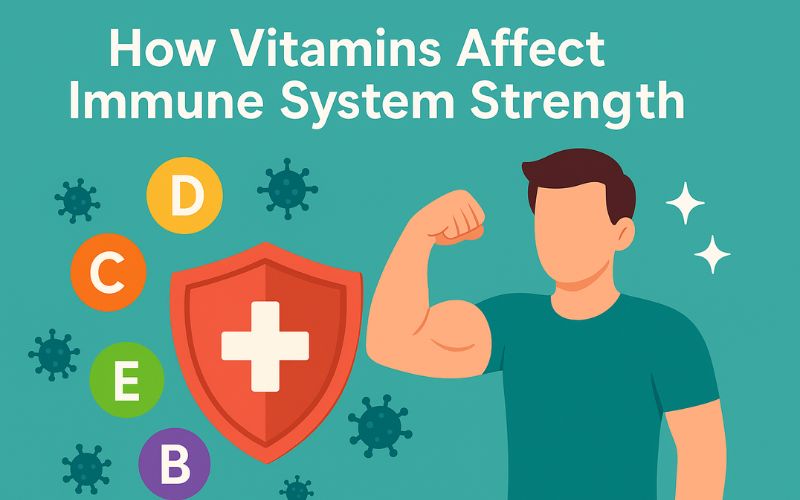
Magnesium also plays a supporting role in vitamin D metabolism. Foods like leafy greens, seeds, and whole grains help improve how well the body puts vitamin D to use, and this is closely tied to how vitamins work together to support immune health more broadly.
Common Signs of Vitamin D Deficiency
Deficiency doesn’t usually show up as one obvious symptom, it tends to build gradually across several areas of health at once.
If you’re not getting enough vitamin D, you might notice symptoms such as:
- Chronic fatigue
- Frequent illnesses or infections
- Bone or back pain
- Mood swings or low mood
- Unexplained hair thinning
If you suspect a deficiency, it’s worth consulting a healthcare provider, who may recommend a blood test and suggest increasing your intake of vitamin D rich foods or starting a supplement. Since hair thinning is a commonly overlooked sign, some people also look into addressing hair thinning through diet and supplementation alongside correcting a vitamin D shortfall.
Supporting Your Health Naturally in Pakistan
Local food access varies quite a bit by region and income level, but there are still practical, affordable ways to meet vitamin D needs across the country.
- Fresh fish from coastal regions
- Farm-fresh eggs and dairy
- Locally grown mushrooms
- Fortified products increasingly available in urban markets
Being mindful of these choices makes it possible to build a diet around vitamin D rich foods without relying solely on supplements, though understanding why vitamin D deficiency continues rising across Pakistan can help explain why so many households still fall short despite abundant sunlight.
Frequently Asked Questions (FAQs)
Here are quick answers to some of the most common questions people ask about vitamin D and diet.
What is the best time for sun exposure to get vitamin D naturally?
The best window for sunlight exposure is between 10 AM and 3 PM. Aiming for about 10 to 30 minutes, a few times a week, is generally enough depending on skin tone.
Can vegetarians get enough vitamin D from food?
While fewer vegetarian options exist, vegetarians can still get vitamin D from fortified foods, mushrooms, and supplements as needed.
Is it safe to take vitamin D supplements daily?
Yes, but it’s always worth consulting a doctor for the right dosage, especially with any existing medical conditions.
How do I know if I have vitamin D deficiency?
Common symptoms include fatigue, bone pain, and frequent illness. A blood test remains the most accurate way to confirm a deficiency.
Are children in Pakistan at risk of vitamin D deficiency?
Yes, especially those with limited sun exposure and inconsistent diets. Pediatricians often recommend vitamin D drops for infants and growing children.
Conclusion
Building a diet around vitamin D rich foods is one of the most natural ways to support immune strength, bone health, and overall well-being. Whether it comes from fatty fish, fortified products, or mushrooms, staying consistent about intake makes a real difference, especially given Pakistan’s mix of climate and dietary habits.
For anyone looking to explore trusted supplements or health boosting products suited to their needs, Nutritional World’s full range of wellness essentials offers a curated starting point.