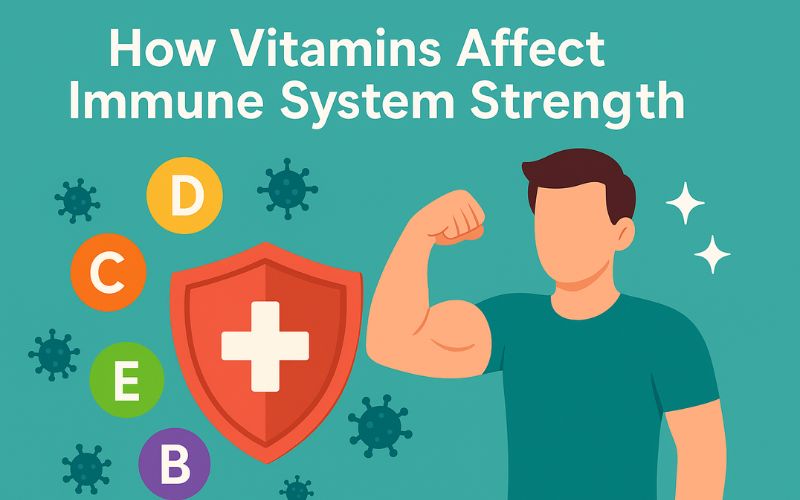














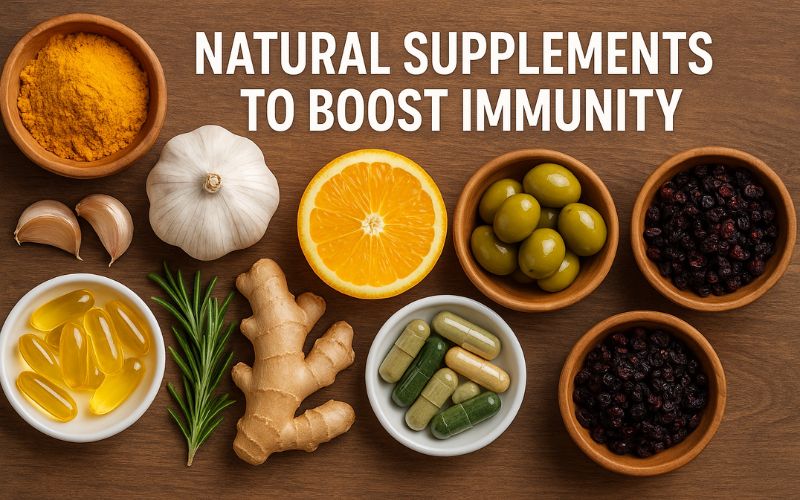
In today’s health conscious world, the importance of a resilient immune system cannot be overstated. From seasonal illnesses to daily environmental stressors, our immunity acts as the first line of defense. As more individuals seek holistic and side-effect-free solutions, natural supplements are emerging as powerful allies in immune health. Whether you are navigating the cold and flu season, recovering from illness, or aiming for preventive care, boosting your immunity naturally is more than a trend, it is a proactive lifestyle choice rooted in science and tradition.
Table of Contents
How the Immune System Works: A Simple Breakdown
Your immune system is a sophisticated network of cells, tissues, and organs that work together to protect your body. It is divided into:
- Innate Immunity: Your first line of defense, rapid but non-specific.
- Adaptive Immunity: Develops over time, learning to recognize and target specific pathogens.
Factors like stress, lack of sleep, nutrient deficiencies, and chronic inflammation can compromise immune performance. This is where natural supplements come in, helping to support and optimize immune response through targeted nutrition and botanical support.
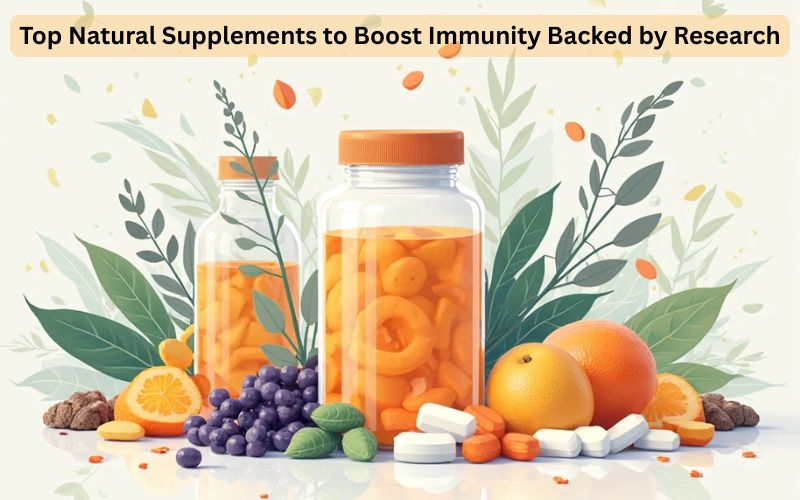
Top Natural Supplements to Boost Immunity Backed by Research
With the basics of how immunity works covered, here is a closer look at the specific nutrients and herbs most consistently backed by research.
Vitamin C
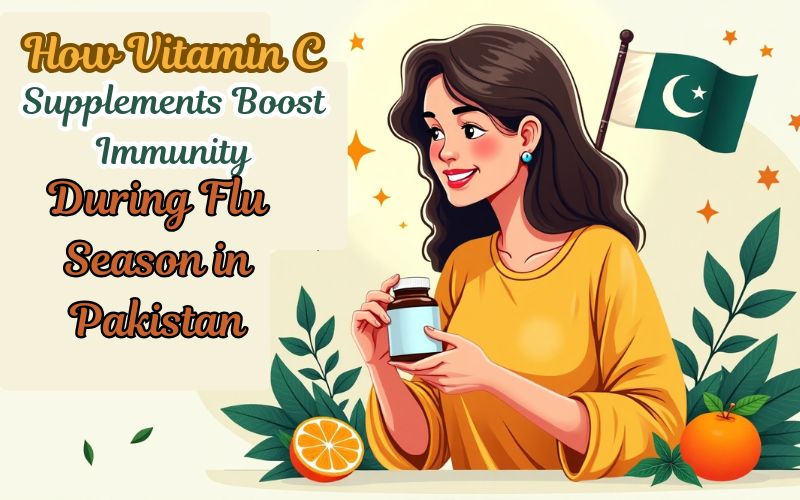
A cornerstone of immune health, vitamin C supports white blood cell production and protects against oxidative stress. Supplementation can help reduce the duration and severity of colds when taken consistently, especially in active individuals or those under stress. This mechanism ties into how antioxidants help manage oxidative stress more broadly across the body.
Vitamin D
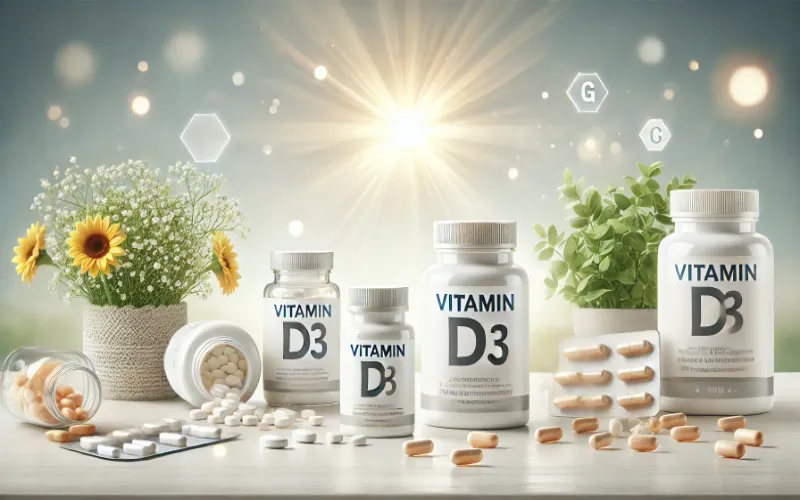
Often overlooked, vitamin D plays a crucial role in immune regulation. Low levels are linked to increased susceptibility to infections. Supplementation is particularly important in regions with limited sun exposure or for people with darker skin tones, and this overview of vitamin D’s broader role in the body covers additional benefits beyond immunity alone.
Zinc
Zinc is essential for immune cell function and inflammation control. It has shown promise in shortening the duration of respiratory infections when taken at the onset of symptoms. It is also key in wound healing and cellular repair.
Elderberry
Rich in antioxidants and flavonoids, elderberry is traditionally used to fight colds and flu. Studies suggest it can reduce the severity and duration of upper respiratory symptoms, likely due to its antiviral and anti-inflammatory properties.
Echinacea
This flowering plant has long been used to prevent and treat respiratory infections. Echinacea is believed to activate immune cells and may reduce the risk and duration of common colds when used appropriately.
Garlic
More than a kitchen staple, garlic has potent antimicrobial and immune-modulating properties. Its active compound, allicin, has been shown to enhance the function of white blood cells and reduce the risk of infection.
Astragalus Root
A staple in traditional Chinese medicine, astragalus is prized for its immune-stimulating and adaptogenic effects. It may increase white blood cell count and improve resistance to upper respiratory infections.
Andrographis
Known for its bitter taste and strong antiviral effects, andrographis has been studied for its role in reducing cold and flu symptoms. It is thought to stimulate the immune system while acting as a natural anti-inflammatory.
Probiotics
A healthy gut microbiome is closely linked to a strong immune response. Probiotics, the live beneficial bacteria found in fermented foods and supplements, help regulate immune function and prevent harmful pathogens from gaining a foothold in the digestive tract.
Medicinal Mushrooms (Reishi, Shiitake, Maitake)
These fungi are packed with beta-glucans and antioxidants. Reishi supports stress resilience and immune modulation, while Shiitake and Maitake may enhance white blood cell activity and overall immune readiness.
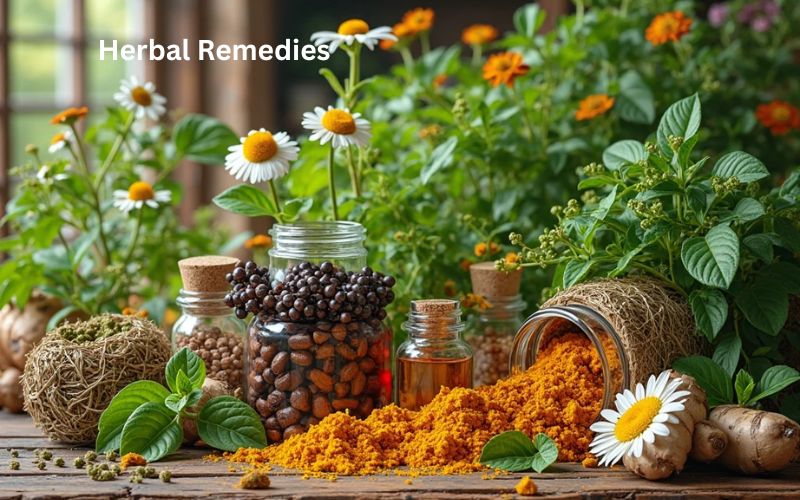
Herbal Remedies with Immune-Enhancing Properties
Beyond the vitamins and mushrooms above, several traditional herbs bring their own distinct immune-support mechanisms.
Ashwagandha
An adaptogenic herb from Ayurveda, ashwagandha helps the body cope with stress, a major immune suppressant. It also supports energy levels and overall immune resilience.
Tulsi (Holy Basil)
Tulsi is revered for its antimicrobial, antioxidant, and stress-relieving properties. It has shown potential in boosting immune response and protecting against respiratory infections.
Giloy (Tinospora Cordifolia)
Known as “the root of immortality” in Ayurveda, giloy supports detoxification and boosts the immune system by enhancing white blood cell function and reducing inflammation.
Adaptogens for Immune Resilience and Stress Reduction
Adaptogens are natural substances that help the body adapt to physical, emotional, and environmental stressors. Chronic stress suppresses immune function, making adaptogens an essential part of holistic immune care, and this look at how adaptogens help manage physical stress explains the underlying mechanism in more depth.
- Rhodiola Rosea supports stamina and stress recovery.
- Siberian Ginseng may improve immune performance and physical endurance.
- Cordyceps mushrooms support respiratory function and energy metabolism, especially useful for athletes and aging populations.
Are Natural Supplements Enough? Importance of Lifestyle Factors
Supplements are not magic pills. They are most effective when combined with foundational lifestyle habits:
- Sleep: Aim for 7 to 9 hours of quality sleep to support immune cell regeneration.
- Nutrition: A balanced diet rich in fruits, vegetables, whole grains, and healthy fats fuels immune function.
- Hydration: Understanding why hydration matters for training and recovery also applies directly to lymphatic drainage and toxin elimination.
- Exercise: Moderate, regular physical activity, such as the movements covered in this guide to effective muscle-building exercises, enhances immune surveillance.
Think of natural supplements as part of a wellness toolkit, not a standalone solution.
How to Choose Quality Immune Support Supplements
Not all supplements are created equal. Here is what to look for:
- Purity and Potency: Opt for supplements that are free of fillers, heavy metals, and artificial ingredients.
- Bioavailability: Choose forms that are easily absorbed by the body, such as liposomal vitamin C or zinc picolinate.
- Third-Party Testing: Look for certifications that ensure quality and ingredient integrity.
- Transparency: Reputable brands disclose full ingredient lists and source origins. Knowing how to spot counterfeit imported supplements helps you avoid products that fail on this front.
Avoid overdosing, since more is not always better. Stick to evidence-backed dosages unless directed by a healthcare provider.
Precautions and Who Should Avoid Certain Natural Supplements
Natural does not always mean risk-free. Keep these precautions in mind:
- Autoimmune Disorders: Immune-stimulating herbs may exacerbate symptoms.
- Pregnancy and Breastfeeding: Not all herbs are safe during this period.
- Children: Pediatric dosages differ significantly from adults.
- Medication Interactions: Supplements like garlic and ginseng may interfere with blood thinners or immunosuppressants.
Always consult a healthcare professional before starting any new supplement regimen, especially if you have underlying health conditions.
Integrating Immune Boosters into Your Daily Wellness Routine
Here is how to make immune support a daily habit:
- Morning: Vitamin C and probiotics with breakfast.
- Midday: Adaptogens like ashwagandha or rhodiola with lunch.
- Evening: Zinc, vitamin D, and herbal tea, such as tulsi or elderberry, before bed.
You can also rotate seasonal herbs, such as echinacea in fall and winter, to align with immune stress periods. Keep a journal to track energy levels, illness frequency, and supplement effects.
Frequently Asked Questions
To close out, here are quick answers to the questions people ask most often about boosting immunity naturally.
Can natural supplements actually prevent colds and flu?
Most natural supplements do not fully prevent infections, but many, such as vitamin C, zinc, and elderberry, can reduce the duration and severity of symptoms when taken consistently or at the first sign of illness.
How long does it take for immune-boosting supplements to work?
Some, like vitamin C and zinc, can offer benefits within days when taken at symptom onset. Others, such as adaptogens and medicinal mushrooms, generally need several weeks of consistent use before their immune-supporting effects become noticeable.
Can I take multiple immune supplements at the same time?
Many of these supplements are commonly combined, such as vitamin C with zinc or ashwagandha with vitamin D. Start with a smaller combination if you are new to supplementation, and check with a healthcare provider if you are on any medications.
Are herbal immune boosters safe for children?
Not all of them, and dosages differ significantly from adults. Consult a pediatrician before giving children herbs like echinacea, astragalus, or andrographis, and stick to products specifically formulated and dosed for children.
Do I still need supplements if I eat a healthy diet?
Not always, but many people fall short on key nutrients like vitamin D and zinc even with a generally healthy diet. Supplements work best as a targeted addition to good nutrition, not a replacement for it.
Final Thoughts: Building Immune Strength Naturally, Long-Term
Natural supplements offer a powerful, low-risk way to support your body’s defenses. However, they work best as part of a comprehensive, lifestyle-based approach to wellness. By combining targeted supplementation with quality sleep, whole food nutrition, physical movement, and stress management, you can build a resilient immune system that supports your health for the long haul.