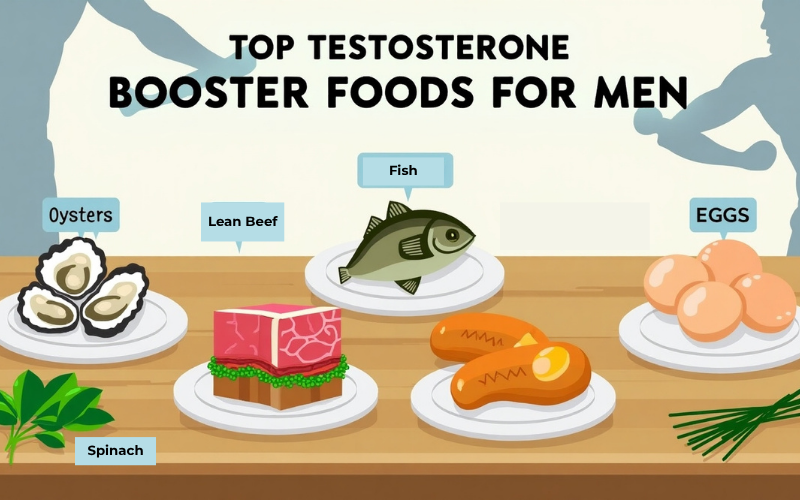














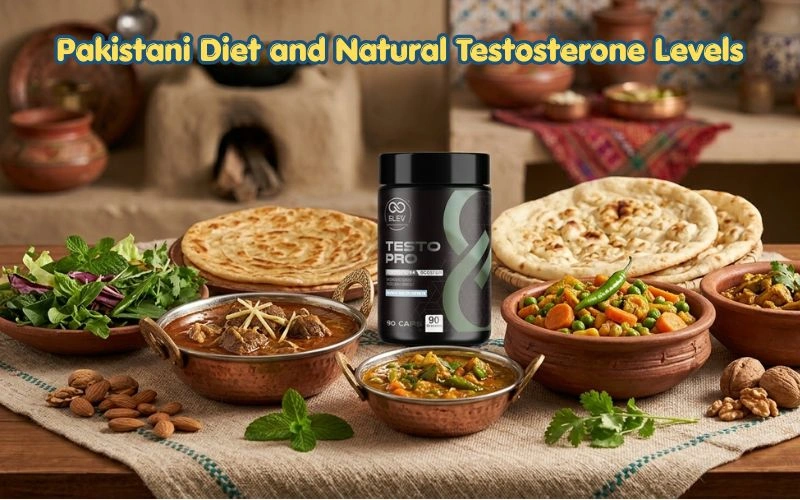
Testosterone is not just a gym topic it affects your energy, mood, muscle mass, libido, and even mental clarity. Yet most Pakistani men never consider how their daily plate of food plays a direct role in maintaining or destroying these hormone levels. The desi diet is rich, varied, and culturally loaded but it can either work in your favor or quietly deplete your body’s natural testosterone production depending on what you’re eating day to day.
Table of Contents
Why Testosterone Matters More Than You Think
Before diving into food, it helps to understand why natural testosterone levels deserve attention in the first place. Testosterone is the primary male sex hormone responsible for muscle growth, bone density, fat distribution, red blood cell production, and sexual health. After the age of 30, levels naturally begin to decline by roughly 1% per year, but poor diet, high stress, lack of sleep, and sedentary habits can accelerate that drop significantly. In Pakistan, where lifestyle diseases are rising and gym culture is growing, many people are now searching for the best testosterone booster in Pakistan to naturally support energy, strength, and hormonal balance. This is why understanding nutrition and healthy lifestyle habits has become more important than ever.
The Typical Pakistani Diet: A Mixed Picture
The average Pakistani diet is built around wheat, rice, lentils, meat, dairy, and cooking oils. On the surface, this looks reasonably balanced but the details matter.
Traditional desi food can be both a blessing and a burden for hormone health. On one hand, it includes several testosterone-supportive nutrients; on the other, overcooking, heavy use of refined oils, excess sugar in chai, and dependence on processed snacks have crept in, especially in urban Pakistan. Understanding which habits help and which ones hurt gives you real leverage over your hormonal health without turning your kitchen into a laboratory.

Foods in the Pakistani Diet That Support Testosterone
Several staple ingredients in Pakistani cooking directly support the body’s ability to produce and maintain healthy testosterone levels.
Meat and Eggs are arguably the most testosterone-friendly foods in a desi kitchen. Red meat, particularly beef and mutton, provides zinc, saturated fat, and cholesterol, all of which are raw materials the body uses to produce testosterone. Pakistani cuisine, whether it is nihari, paya, qeema, or even simple anda bhurji, naturally includes these. The key is balance: adequate protein intake matters, and this is where pairing a good diet with quality whey protein or isolate protein can bridge nutritional gaps for active men.
Zinc-Rich Local Foods That Naturally Raise Testosterone
Zinc is perhaps the single most important mineral for testosterone production. A zinc deficiency almost directly correlates with low testosterone, and the good news is Pakistan has plenty of zinc-rich options if you know where to look.
- Pumpkin seeds (kaddu ke beej): Often discarded, these are one of the richest plant-based sources of zinc available in Pakistan
- Chickpeas and lentils (chanay, daal): Everyday staples that carry a useful amount of zinc and magnesium
- Red meat and lamb: Regularly eaten in Pakistani households and naturally high in bioavailable zinc
- Sesame seeds (til): Used in sweets and bread, a surprisingly powerful zinc source
If your diet regularly includes these, you are already giving your body the building blocks it needs.
Foods and Habits That Lower Testosterone in Pakistani Men
Just as important as knowing what to eat is understanding what quietly works against your hormones.
Refined flour (maida) is one of the biggest offenders. Paratha made from maida, naan from tandoors, and samosas fried in recycled oil are all staples of Pakistani street food culture but they spike insulin, contribute to visceral fat, and directly suppress testosterone over time. High insulin and excess body fat increase aromatase activity, which converts testosterone into estrogen. This is a hormonal chain reaction that most men never connect back to their diet.
The Sugar Problem in Pakistani Chai Culture
Pakistan runs on chai and usually, that chai is loaded with two to four teaspoons of sugar per cup, consumed three to five times daily. Chronic high sugar intake raises insulin, increases cortisol, and suppresses the body’s luteinizing hormone (LH), which is the hormonal signal that tells the testes to produce testosterone.
This does not mean giving up chai entirely, it means being honest about how much sugar is going in each cup. Cutting back on added sugar is one of the most underrated steps a Pakistani man can take to naturally protect his testosterone levels over time.
Vitamin D Deficiency and Testosterone: Pakistan’s Hidden Problem
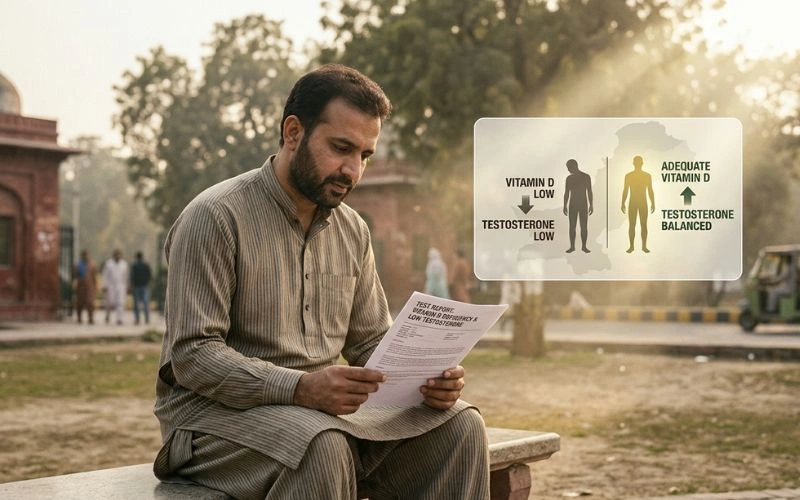
Vitamin D functions more like a hormone than a vitamin, and research consistently links adequate Vitamin D levels to healthy testosterone production. Here is the irony: Pakistan receives intense sunlight year-round, yet Vitamin D deficiency is surprisingly common, particularly in women and indoor workers in cities like Karachi, Lahore, and Islamabad.
Why This Happens
The reasons are cultural and practical: conservative dress, indoor lifestyles, spending peak sun hours indoors, and diets low in Vitamin D-rich foods (fatty fish, egg yolks, fortified dairy). Without correcting this deficiency, even a good diet will struggle to maintain optimal testosterone levels. This is where targeted supplementation matters: quality multivitamins and minerals that include Vitamin D3 and zinc can fill the gap that food alone often cannot.
Healthy Fats and Testosterone: What the Desi Kitchen Gets Right
One thing the traditional Pakistani diet gets genuinely right is its inclusion of healthy fats and testosterone is a fat-derived hormone, meaning dietary fat directly impacts how much your body can produce.
Ghee, despite its controversial reputation in the era of low-fat diets, is a saturated fat that actually supports testosterone synthesis when consumed in moderation. Mustard oil, used widely in cooking across Punjab and KPK, contains beneficial fats that the body uses for hormone production. Walnuts and almonds snacks commonly eaten across Pakistan provide omega-3s and magnesium, both of which are associated with improved testosterone levels.
The problem is not the traditional fat sources themselves; it is the shift toward cheap, hydrogenated vegetable oils and trans fats that has occurred in Pakistani kitchens over the past few decades. These processed fats are actually linked to lower testosterone levels.
The Role of Stress, Sleep, and Lifestyle Alongside Diet
Diet cannot do the job alone, and in Pakistan’s increasingly stressful urban environment, this matters enormously.
Chronic stress raises cortisol and cortisol is testosterone’s direct enemy. When your body is flooded with cortisol from financial pressure, traffic, work, or social anxiety, it actively suppresses testosterone production as a survival mechanism. Poor sleep compounds this: the majority of daily testosterone is produced during deep sleep, so men who routinely sleep fewer than six hours are chronically depriving themselves of their peak production window.
For men who are training hard and trying to correct hormonal imbalances through fitness, complementing a good diet and sleep routine with a quality test booster can provide additional support to get levels where they should be. These are not replacements for diet, they are targeted additions when lifestyle alone is not enough.
When Supplements Genuinely Help
Supplements work best when the diet is already solid but gaps remain. The most evidence-backed nutrients for natural testosterone support include:
- Zinc and Magnesium: Covered by a good multivitamin or dedicated ZMA supplement
- Vitamin D3: Especially important for indoor workers and those in urban Pakistan
- Omega-3 Fatty Acids: Available through quality Omega-3 supplements if fish intake is low
- Ashwagandha: Increasingly popular and clinically studied for reducing cortisol and supporting testosterone
For men in active training, adding BCAA and amino acid supplements helps reduce muscle breakdown and cortisol from heavy training indirectly protecting testosterone levels.
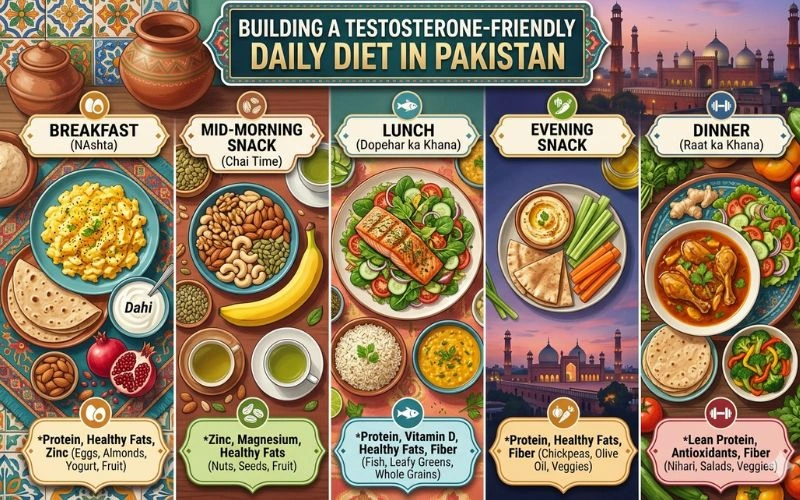
Building a Testosterone-Friendly Daily Diet in Pakistan
The good news is that you do not need to abandon the foods you love. You need to be strategic about portions, preparation, and additions.
A testosterone-supportive daily eating pattern in the Pakistani context might look like this: Start the morning with eggs cooked in a small amount of ghee, reduce chai sugar to one teaspoon, eat a lunch centered around lentils or red meat with whole wheat roti, snack on almonds or pumpkin seeds, and finish with a dinner that includes adequate protein possibly supplemented with whey protein post-workout if training in the evening. This structure keeps insulin stable, provides consistent zinc and healthy fat intake, and avoids the crashes that suppress hormones.
Small Swaps That Make a Real Difference
- Replace maida paratha with whole wheat or multigrain roti
- Switch to green tea or reduce sugar in chai to one teaspoon
- Add a small handful of pumpkin seeds or walnuts as a daily snack
- Use olive oil or mustard oil instead of vanaspati or hydrogenated cooking fat
- Prioritize at least seven hours of sleep no supplement replaces this
For men who are also actively training and want to maximize results, combining this dietary approach with the right strength and endurance supplements ensures that the body has everything it needs to perform, recover, and maintain healthy hormonal balance.
The Bigger Picture: Diet, Hormones, and Long-Term Health
The Pakistani diet is not inherently bad for testosterone. The traditional food culture contains many naturally hormone-supportive ingredients. The challenge is modern urban drift: more processed food, more sugar, more sedentary time, and more stress. Reversing these trends does not require a complete lifestyle overhaul overnight.
Start with awareness. Track your sugar intake. Add zinc-rich foods daily. Get morning sunlight for Vitamin D. Prioritize sleep. And when you need supplemental support, choose quality products from a trusted source. If you are based in Lahore, Islamabad, or Faisalabad, you can visit Nutritional World’s physical stores or shop online with the confidence that every product is halal-certified, authentic, and imported directly from verified manufacturers.
Your testosterone is not just about the gym it is about your quality of life, energy, and long-term wellbeing. And it starts, more than most people realize, on your plate.
Frequently Asked Questions (FAQs)
Q1. Which Pakistani foods are best for boosting testosterone naturally?
Foods high in zinc and healthy fats are the most important. In the Pakistani diet, these include red meat (beef, mutton, lamb), eggs, chickpeas, lentils, pumpkin seeds, almonds, walnuts, and ghee used in moderation. These provide the cholesterol, zinc, and magnesium the body needs for natural testosterone production.
Q2. Does drinking too much chai lower testosterone levels in Pakistani men?
Yes, indirectly. The problem is not the chai itself but the large amounts of added sugar most people use two to four teaspoons per cup, three to five times a day. Chronic high sugar intake raises insulin and cortisol levels, both of which suppress testosterone. Cutting sugar in chai to one teaspoon is one of the simplest dietary changes you can make for hormone health.
Q3. Why are Pakistani men often deficient in Vitamin D despite living in a sunny country?
Despite year-round sun exposure, many Pakistanis, especially those working indoors or living in urban areas, develop Vitamin D deficiency due to limited outdoor activity during peak sun hours, conservative clothing, and diets low in fatty fish and fortified foods. Since Vitamin D plays a critical role in testosterone production, supplementing with Vitamin D3 is often recommended alongside diet improvements.
Q4. Can a Pakistani man improve low testosterone through diet alone, or are supplements necessary?
Diet is the foundation of no supplement compensates for a poor diet. However, targeted supplementation with zinc, Vitamin D3, omega-3s, and herbal test boosters can accelerate results and fill nutritional gaps that are difficult to cover through food alone. For men who train regularly, adding quality protein supplements and amino acids further supports the hormonal environment.
Q5. How long does it take to see improvements in testosterone levels after changing diet?
Research suggests that consistent dietary changes reducing sugar, increasing zinc-rich foods, and correcting Vitamin D deficiency can begin showing measurable effects within eight to twelve weeks. Sleep improvement and stress reduction compound these benefits. Combining dietary changes with appropriate supplementation and regular resistance training typically yields the fastest and most sustained results.