













Ramadan changes almost everything about how the body gets fed. Meals shrink into two windows, sleep patterns shift, and workouts get squeezed around fasting hours. A well thought out ramadan supplements guide pakistan approach can make the difference between a month of low energy and a month where you actually maintain strength, focus and muscle. This guide walks through what to take at sehri, what to take at iftar, and how to time hydration, protein and key vitamins so your body copes well with the fast.
If you are gearing up for Ramadan 2027, planning your supplements for ramadan routine early sets you up for a smoother month.
Table of Contents
Why Ramadan Nutrition Needs Extra Planning
During Ramadan, the body goes 12 to 16 hours without food or water depending on the season and location. That is a long stretch for anyone who trains, works a physically demanding job, or simply wants to avoid the afternoon energy crash. Blood sugar drops, hydration reserves run low, and muscle protein breakdown can increase if the diet is not structured properly. A little planning around what goes into your body at sehri and iftar helps offset this. For general guidance on nutrition, it helps to build routines around a balanced diet guide for beginners rather than relying on random food choices during the month.
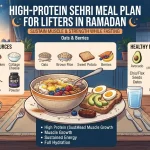
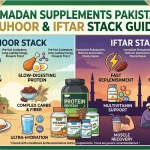
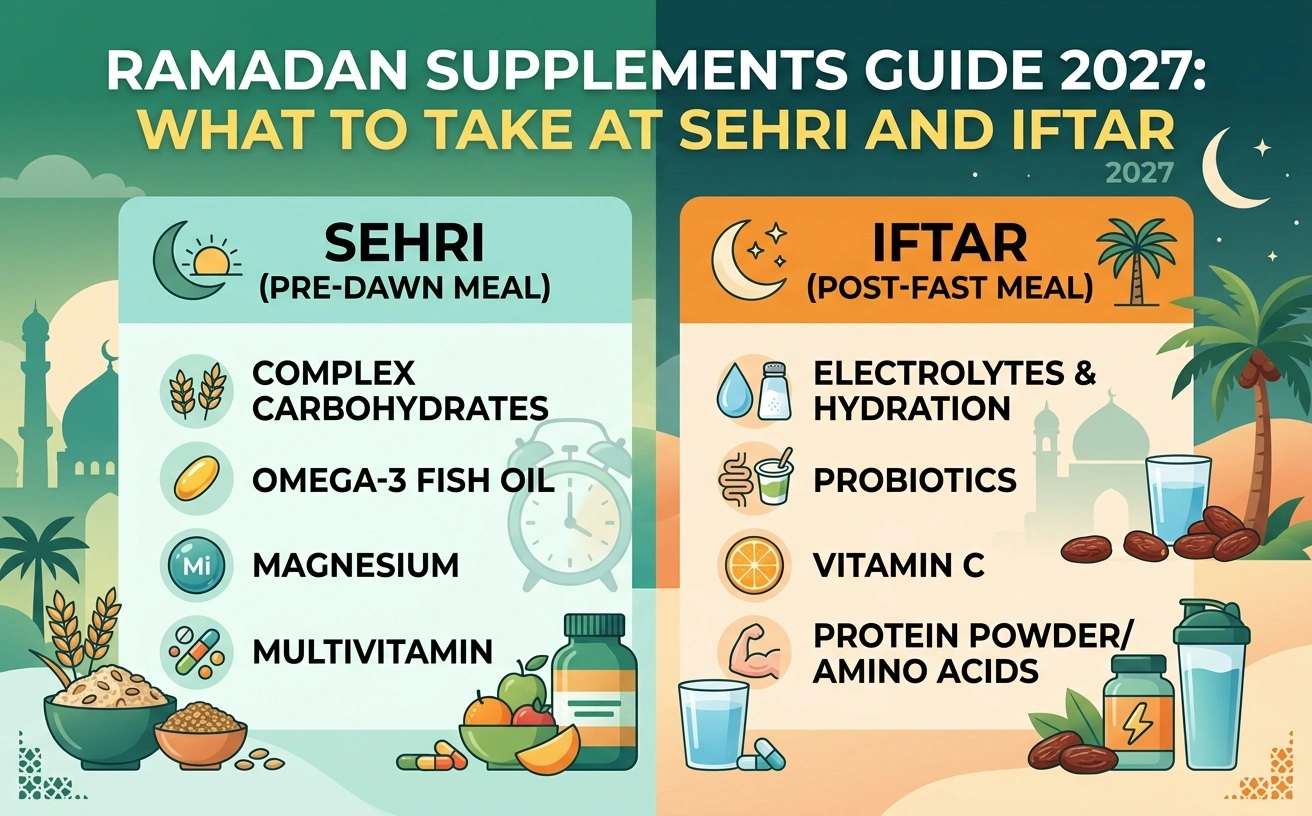
Sehri Supplements: Setting Up Your Day
Sehri is your foundation. What you eat and take here determines how you feel by mid-afternoon.
Protein for slow digestion. Fast digesting whey is not ideal right before a 12+ hour fast. A slower release protein source helps keep amino acids available for longer. This is why many people turn to casein protein for overnight recovery style products at sehri instead of fast whey, since the slower absorption curve matches the long gap until iftar.
Complex carbohydrates. Oats, whole wheat and lentils digest slowly and help maintain blood sugar for longer.
Multivitamins. A daily multivitamin at sehri covers gaps that a smaller eating window tends to create. Many people compare options through a multivitamin tablets price guide before settling on one that fits their routine and budget.
Fluids and electrolytes. Sehri is your last real chance to load up on fluids before the fast begins.
Iftar Recovery: Replenishing After the Fast
Iftar recovery sets the tone for sleep, energy and, for active people, training. Follow a simple order: rehydrate first, then a small easily digested snack, then the main meal about 20 to 30 minutes later.
Dates and fluids first. This is traditional for a reason. Dates supply fast sugars, and fluids begin restoring hydration immediately.
Protein after the main meal. Once the stomach has settled, a protein source helps repair and rebuild anything used up during the fasting hours. Some people time a fast digesting isolate here, a pattern often discussed in posts about iso whey mixed with dates as a recovery combination.
Traditional recovery meals. In Pakistani households, protein rich dishes like mutton yakhni as a high protein recovery meal are a natural fit for iftar, offering both hydration through broth and a solid protein base.
Creatine, if you already use it. For people who train and already supplement with creatine outside Ramadan, iftar or just before bed tends to be the easiest window to fit it in without disrupting the fast. Understanding creatine timing, dosage and loading ahead of Ramadan makes it easier to decide whether to keep a maintenance dose through the month.
Hydration Strategy During Ramadan
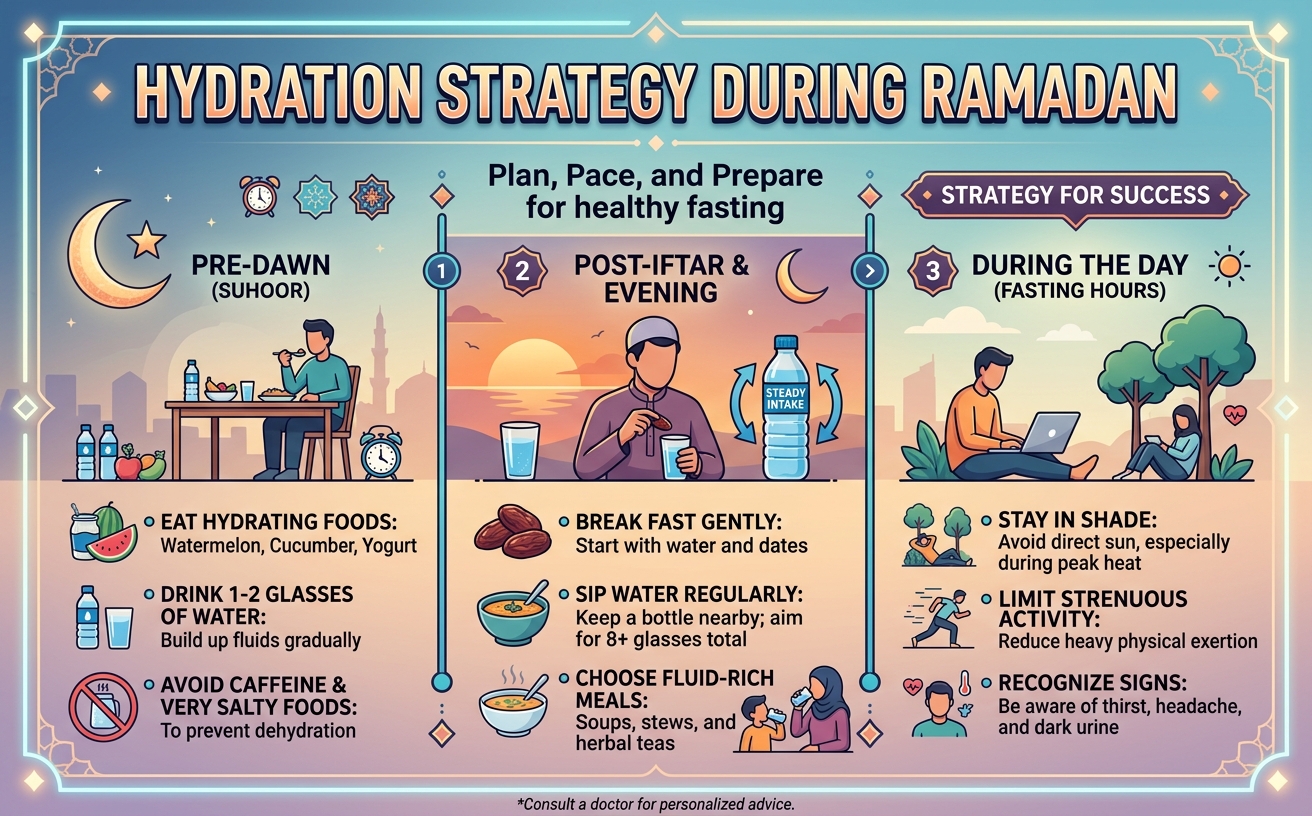
Hydration is the single biggest challenge of fasting, especially for anyone training or working outdoors. Spread fluid intake across the entire iftar to sehri window rather than drinking large amounts at once, since the body absorbs fluids better in smaller, steady amounts.
Understanding how dehydration affects strength training is useful if you plan to keep training through Ramadan. Pair this with a hydration and fitness guide to build a fluid schedule around sehri, iftar and training sessions.
Vitamins and Minerals to Watch During Ramadan
A shorter eating window makes it easier to miss key micronutrients. A few worth paying attention to during Ramadan:
Vitamin D. With shorter eating windows and reduced daytime outdoor activity for some, vitamin D intake can slip. Given how common deficiency already is locally, it is worth reading why vitamin D deficiency is rising in Pakistan and how to fix it, or comparing a guide to vitamin D tablets in Pakistan.
Vitamin B12. Energy metabolism depends heavily on B12, and fatigue is one of the first signs of low levels. If you feel drained by afternoon, it is worth reading about the benefits of vitamin B12 tablets.
Vitamin C. With immune support in mind during a season of schedule and sleep disruption, it helps to understand how vitamin C supplements support immunity during flu season.
Omega-3. Supporting heart and brain health matters even more when meals are less frequent. A quick read through an omega-3 dosage guide helps you land on a sensible daily amount.
For a broader look at where the local diet tends to fall short, see top food supplements every Pakistani man and woman needs.
Sample Ramadan Supplement Timeline
- Sehri: Multivitamin, slow release protein, complex carbs, water and electrolytes
- Iftar (opening): Dates, water, a light easily digested snack
- Iftar (main meal): Balanced plate with protein, vegetables and complex carbs
- After iftar or pre-bed: Fast digesting protein if training that evening, creatine if already part of your routine, omega-3 or vitamin D with food
Common Mistakes to Avoid
Skipping sehri. This leaves nothing to run on for 12 or more hours.
Overloading sugar at iftar. A sugar spike followed by a crash makes the evening harder, not easier.
Ignoring fatigue as normal. Constant tiredness is common in Ramadan, but if it feels excessive, it is worth reading through causes covered in why am I always tired rather than assuming it is just the fast.
Not adjusting training intensity. Training as hard as a non-fasting month, without adjusting hydration and timing, increases injury and fatigue risk.
Browse the full range of options mentioned above on the Nutritional World shop, or keep reading seasonal guides on the Nutritional World blog.
Disclaimer
This article is for general informational purposes only and is not a substitute for professional medical advice. Fasting, supplement needs and nutrient requirements vary by individual, especially for people who are pregnant, elderly, managing a chronic condition or taking medication. Please consult a doctor or registered dietitian before starting any new supplement routine, particularly during Ramadan. According to the Academy of Nutrition and Dietetics, individual nutrition needs should always be assessed with a qualified health professional, especially around changes in eating patterns like fasting.
Frequently Asked Questions
What supplements should I take at sehri during Ramadan?
A multivitamin, a slow digesting protein such as casein, and complex carbohydrates work well at sehri. Prioritise fluids and electrolytes too, since sehri is your last real chance to hydrate before the fast begins.
Is whey protein safe to take during Ramadan fasting hours?
Whey protein is only consumed within eating hours, at iftar, not during the fast itself. Many people prefer a slower digesting protein at sehri and save fast digesting whey for after iftar or evening training.
How can I stay hydrated while fasting in Ramadan?
Spread fluids evenly between iftar and sehri instead of drinking large amounts at once. Include water, milk and hydrating foods like fruit, and avoid excessive caffeine, which can increase fluid loss.
Should I take vitamins at iftar or sehri?
Either works, but fat soluble vitamins like D absorb better with a meal containing some fat. Many people find sehri convenient since it is a set daily routine, though iftar works equally well.
Can I take creatine during Ramadan?
Yes, for people who already use it. Since creatine does not need to be taken at a specific time to work, most people simply move their usual dose to iftar or before bed during Ramadan.