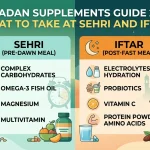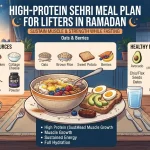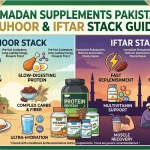















Training through Ramadan is possible, but what you eat at sunset decides how your body recovers. An iftar recovery meal ramadan plan is not about eating everything on the table at once. It is about sequencing fluids, quick energy, and protein so your muscles rebuild instead of breaking down further after a long fasting window. For gym goers, iftar is the real post-workout meal of the day, even if it lands hours after your session ended.
This guide is a companion piece to our Sehri nutrition article, and together the two form a simple before-and-after framework for training during the fasting month.
Table of Contents
Why Iftar Matters More for Gym Goers
After 12 to 16 hours without food or water, your body is running low on fluids, glycogen, and circulating amino acids. If you have trained earlier in the day on an empty stomach, or plan to train shortly after iftar, this meal becomes the main driver of muscle repair. A rushed or overly heavy iftar can leave you sluggish, bloated, and undoing the benefit of your workout. A structured iftar for gym goers instead treats the meal like three short phases rather than one large plate.

Phase 1: Rehydrate Before You Eat
Water loss is usually the biggest issue after a fast, not calorie loss. Start with plain water, a pinch of salt, and something naturally sweet like dates before touching heavier food. This restores fluid balance and gives your brain a signal that eating can begin gradually. Athletes who trained hard before iftar benefit from checking a broader hydration and fitness guide so fluid intake across the evening is planned rather than guessed. Understanding how a fasting window affects fluid and performance is also covered in our piece on how dehydration impacts strength training.
Phase 2: Quick Energy From Dates and Simple Carbs
Dates are the traditional iftar opener for good reason. They supply fast-digesting sugars that raise blood glucose gently and refill some liver glycogen before your main meal arrives. For gym goers, this is also the point where a light protein source can be introduced without overloading a shrunken stomach. Our article on pairing post-workout iso whey with dates shows how this combination works as a practical break fast nutrition step, especially on training days.
Phase 3: Build the Main Plate Around Protein
Once your stomach has settled for 10 to 15 minutes, move to the main meal. This is where iftar protein intake matters most for anyone lifting or training regularly during Ramadan.
- Lean protein: grilled chicken, fish, lentils, or eggs to start rebuilding muscle tissue
- Complex carbohydrates: brown rice, whole wheat roti, or sweet potato for sustained energy
- Vegetables and salad: fiber and micronutrients that support digestion after a long fast
- A moderate protein shake: useful if food intake alone will not hit your daily protein target
If your evening routine includes a shake, timing still matters. Our guide on the best time to take whey protein explains how to fit a scoop around iftar without crowding out real food. For those training again a few hours after breaking their fast, mixing creatine monohydrate with a protein shake is a straightforward way to combine two recovery goals in one drink.
Should You Train Before or After Iftar?
Both approaches work, but they change what your iftar recovery meal should look like.
Training before iftar: your meal becomes a true recovery meal. Prioritize fluids and dates first, then a full protein and carb plate within the hour.
Training after iftar: eat a moderate meal at sunset, wait 60 to 90 minutes, then train. Follow the session with a smaller protein-focused snack such as a shake or a boiled egg plate before sleep.
Either way, protein needs to be spread across the evening rather than consumed in one very large sitting, since the body can only use so much at once for muscle repair.
Supplements That Fit an Iftar Routine
Not every supplement fits naturally into a fasting schedule, and Muslim gym goers often ask what is safe to use once the fast breaks. Halal-certified BCAAs are a common choice for topping up amino acids after a long fasting window, and our overview of halal BCAA supplements for Muslims breaks down what to look for on a label. A basic multivitamin can also help cover any micronutrient gaps that build up when meal timing is compressed into two windows a day. If overnight recovery is a concern, especially for those training close to Suhoor, casein protein for overnight recovery is worth reading before your next training cycle.
For a full range of protein, BCAA, and multivitamin options suited to a Ramadan training schedule, you can browse the current lineup at Nutritional World.
A Simple Iftar Recovery Sequence
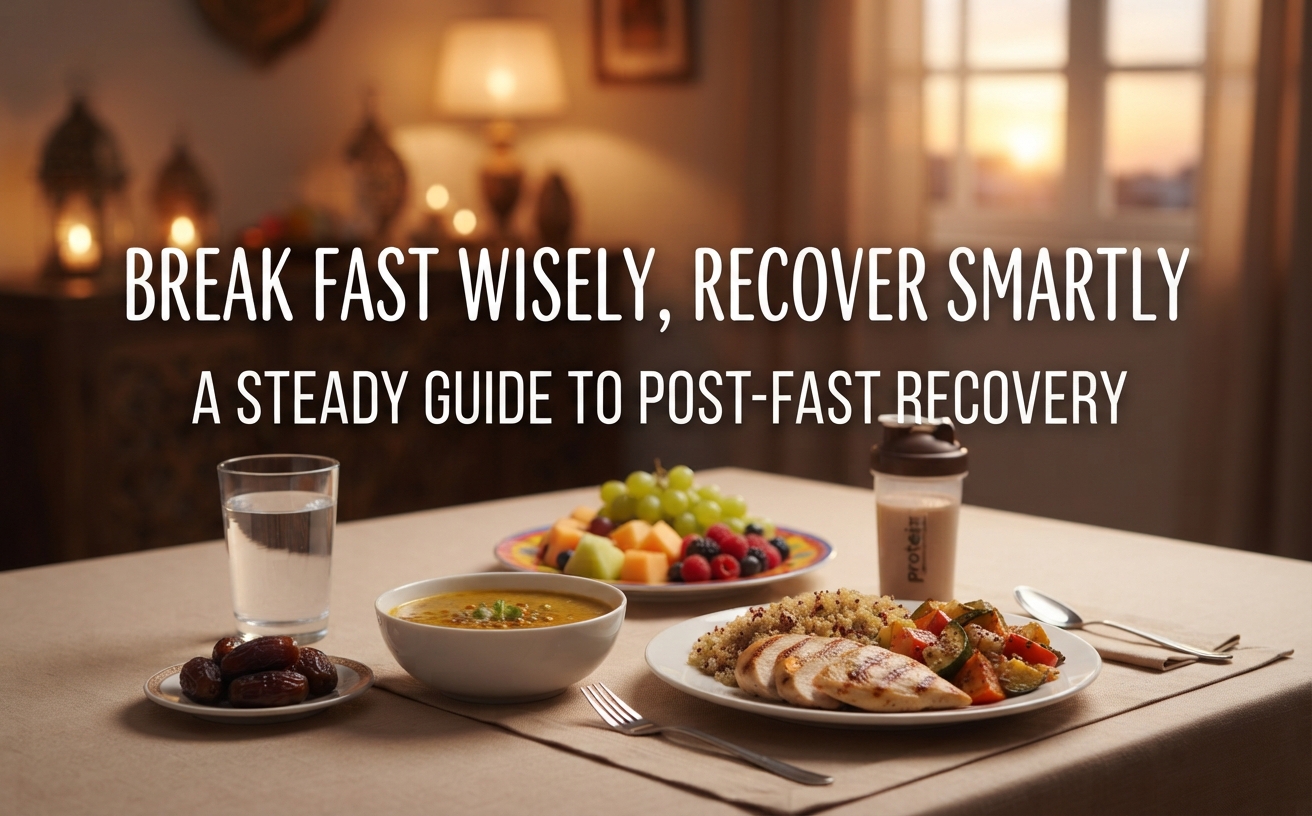
- Water or an electrolyte drink plus two to three dates
- Wait 10 to 15 minutes
- Light soup, fruit, or a small protein shake
- Maghrib prayer break
- Main plate: lean protein, complex carbs, vegetables
- Optional second protein source one to two hours later if training follows
This sequence spreads protein and fluids across the evening instead of forcing everything into the first ten minutes after the fast breaks.
Common Mistakes to Avoid
Many gym goers undo their training progress during Ramadan through a handful of repeated habits. Eating too fast, skipping vegetables in favor of fried starters, and relying only on juice for hydration are the three most common. Fried pakoras and samosas are traditional, but a plate built mostly around them leaves little room for the protein and fluids your muscles actually need after fasting.
FAQs
Is a protein shake necessary at iftar?
Not necessary, but useful. If your main meal already covers your protein target through chicken, fish, or lentils, a shake is optional. It becomes more useful when appetite is low or training resumes shortly after iftar.
How many dates should a gym goer eat at iftar?
Two to three dates are usually enough to restore blood sugar gently before the main meal. Eating more can add unnecessary sugar without extra recovery benefit for most people.
Can I take creatine during Ramadan?
Yes, creatine can be taken once the fast breaks, typically mixed into a post-iftar shake or meal. Consistency matters more than exact timing, so keep your daily dose steady throughout the month.
What should I eat if I train right after iftar?
Keep the pre-training meal moderate rather than heavy. Focus on easily digested carbs and a small protein portion, then follow the session with a fuller protein-rich meal or shake afterward.
Is it better to drink water or juice first at iftar?
Plain water is the better first choice for rehydration. Juice adds sugar quickly but lacks the steady fluid replacement your body needs after many hours without water.