













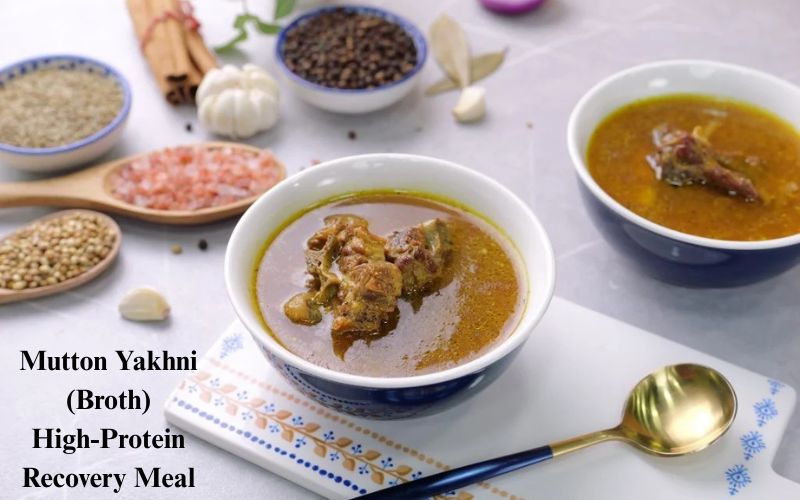
Traditional South Asian kitchens have always understood the healing power of slow-cooked broths, and modern sports science is finally catching up. Mutton Yakhni (Broth) is a high-protein recovery meal that has moved from the dinner table to the gym bag, and for good reason. Once reserved for cold winter nights and post-illness recovery, mutton yakhni is now being embraced by athletes, coaches, and nutritionists who recognize its remarkable alignment with high-protein post-workout nutrition.
Rooted deeply in Pakistani and North Indian culinary traditions, yakhni is more than just a comfort food. It is a nutrient powerhouse that delivers amino acids, electrolytes, collagen, and bioavailable minerals in a single warm bowl, making it one of the most cost-effective whole-food recovery options available to desi athletes today.
Table of Contents
Nutritional Value of Mutton Yakhni
Understanding what goes into mutton yakhni from a nutritional standpoint helps explain why it performs so well as a recovery food. When prepared traditionally with bones, marrow, meat, and aromatic spices, yakhni delivers a robust profile that rivals many commercial supplements.
- Protein: A slow simmer extracts collagen and critical amino acids like glycine and proline, both essential for tissue repair and muscle recovery.
- Collagen and Gelatin: Supports joint recovery, gut lining health, and skin elasticity, benefits that are especially relevant for joint and connective tissue health in active individuals.
- B Vitamins: Rich in B12, B2, and niacin, which are critical for energy metabolism and daily micronutrient needs.
- Minerals: Calcium, magnesium, phosphorus, and potassium work together to replenish electrolytes and maintain healthy muscle function after intense training.
Why slow cooking matters: Boiling bones and meat over 4 to 6 hours allows for optimal extraction of gelatin, collagen, and bioavailable nutrients. This method is far superior to fast-cooking meat-based soups and is the key reason why yakhni outperforms convenience protein sources when it comes to joint and gut support.
For those exploring how collagen protein compares to whey protein, yakhni sits in a unique middle ground, offering both in a natural, unprocessed form.

Why Mutton Yakhni Is a Perfect Post-Workout Meal
The post-workout window is a critical period where the body needs fast, digestible nutrients to begin muscle repair and glycogen replenishment. Mutton yakhni checks every box that makes a recovery food effective: it is rich in protein, packed with electrolytes, easy to digest, and deeply hydrating. Here is a closer look at each benefit.
1. Rehydration and Muscle Recovery
Yakhni is a naturally hydrating broth loaded with minerals and muscle-repairing amino acids that the body can absorb quickly after exercise. The combination of fluid, electrolytes, and readily available amino acids makes it one of the most complete post-workout recovery beverages found in any kitchen.
2. Gut Healing and Joint Support
Glycine and gelatin, two compounds extracted abundantly from slow-simmered bones, support gut lining integrity and reduce systemic inflammation. This is particularly valuable for athletes engaged in high-impact activities like running, powerlifting, or CrossFit, where joint stress accumulates over time. If you want to understand how gut health directly impacts athletic performance, yakhni’s gelatin content is part of that story.
3. Easily Digestible
Unlike heavy curries or dense protein meals, mutton yakhni is light and easy on the stomach. This matters greatly during the 30 to 90 minute anabolic recovery window, when heavy food can actually slow nutrient absorption. The broth form ensures that nutrients enter the bloodstream efficiently without causing digestive discomfort.
4. How Mutton Yakhni Compares to Common Supplements
Many athletes wonder how a traditional food stacks up against modern recovery products. The table below offers an honest side-by-side view.
| Property | Mutton Yakhni | Whey Protein Shake | Bone Broth Supplement |
|---|---|---|---|
| Protein | Moderate (~10-15g) | High (~24-30g) | Variable (~10-20g) |
| Collagen / Gelatin | High | Low | High |
| Micronutrients | High (natural) | Moderate (fortified) | Moderate |
| Digestibility | High | High | High |
| Cultural Familiarity | High (South Asian) | Low | Medium |
Traditional vs. Modern Recovery Nutrition
The debate between whole-food nutrition and processed supplements is well established in sports science circles. In contrast to overly processed bars and powders, mutton yakhni bridges tradition and modern sports nutrition in a way that few foods can. It addresses recovery at multiple levels: protein synthesis, inflammation control, hydration, and gut health, all simultaneously.
- Cultural familiarity promotes dietary adherence, especially in South Asian athletes who may struggle to maintain consistent supplement routines.
- Combined with rice or root vegetables, yakhni offers complete macro synergy for muscle glycogen replenishment and energy storage after training.
- It also complements approaches like balancing gym supplements with a natural whole-food diet, which many coaches now recommend for long-term athletic development.
When and How to Use Mutton Yakhni
Getting the most out of mutton yakhni requires a little planning around timing, pairing, and preparation. The following guidelines will help you integrate it effectively into your recovery routine.
Timing
Consume yakhni 30 to 90 minutes post-exercise, when muscle fibers are primed for nutrient absorption and the anabolic window is open. This timing aligns with the same principles used for optimizing nutrient timing around workouts.
Pairing Ideas
Yakhni alone provides protein and electrolytes, but pairing it with carbohydrates creates a truly complete recovery meal. Here are some practical combinations:
- Yakhni with basmati rice for carbohydrate and protein balance
- Yakhni with quinoa and sauteed spinach for a micronutrient-dense option
- Add a soft-boiled egg to the bowl to boost total protein per serving
Preparation and Storage
- Make a large batch using 1 to 2 kg of mutton bones and meat, then freeze in 500ml portions for easy daily use.
- Reheat gently on the stove to preserve collagen and gelatin. Avoid aggressive microwaving where possible, as high heat can break down some of the bioactive compounds.
When Yakhni Is Not Practical: Supplement Alternatives
For busy athletes, preparing a slow-cooked broth several times a week is not always feasible. Fortunately, there are recovery-focused supplements from Nutritional World that replicate many of the same benefits in a convenient format.
Recommended Alternatives
Two products stand out as the closest functional equivalents to mutton yakhni for post-workout use:
- Applied Nutrition Protein Isolate: Delivers high protein content per serving for rapid muscle repair
- Marine Collagen Powder: Provides dense collagen for joint and ligament recovery, especially useful during Ramadan or intermittent fasting windows
Both products are easy to digest post-exercise and fill the nutritional gaps that arise when whole-food options are unavailable. To better understand which collagen format suits your lifestyle best, consider reading more on that topic before choosing.
| Feature | Mutton Yakhni | Beef Protein Isolate | Marine Collagen Powder |
|---|---|---|---|
| Protein (per serving) | ~12-15g | ~27g | ~10g |
| Collagen | High | Moderate | Very High |
| Convenience | Low | High | High |
| Flavor / Variety | Traditional spices | Chocolate / Vanilla | Unflavored or flavored |
Expert Insight
Real-world outcomes reinforce what the nutritional data already suggests. Certified nutritionist Ali Zaman shares: “One of my clients, a national-level runner, replaced her evening protein shakes with homemade mutton yakhni for three weeks. She reported faster muscle recovery, better digestion, and improved hydration after track sessions.”
This kind of outcome reflects a broader truth: ancestral foods crafted through centuries of trial and observation often align naturally with what exercise physiology now recommends. The nutrients are real, the absorption is efficient, and the adherence is high because the food feels familiar and nourishing rather than clinical.
Athletes interested in understanding how specific amino acids support strength regain will find that the glycine and proline in yakhni play a direct role in this process.
Conclusion
Mutton Yakhni is more than a traditional dish. It is functional fuel that delivers amino acids, electrolytes, collagen, and cultural comfort in a single serving. For South Asian athletes especially, it represents a recovery strategy that is cost-effective, adherence-friendly, and scientifically sound.
When time or convenience becomes a barrier, clean alternatives like fast-absorbing protein isolate or marine collagen for joint recovery from NutritionalWorld.com.pk offer modern convenience with similar recovery benefits.
Whether it is a warm bowl after a long run or a scoop in your shaker after the gym, your muscles will respond to the right nutrition. Choose wisely.
Frequently Asked Questions
Can I drink mutton yakhni every day after a workout?
Yes, provided it is prepared without excess salt or ghee. Mutton yakhni is a wholesome, recovery-focused staple that can be consumed daily as part of a balanced post-workout nutrition plan.
Is yakhni good for muscle growth?
Absolutely. While it contains moderate protein per serving, its amino acid profile and collagen content make it a strong recovery food, especially when paired with carbohydrates or additional protein sources like eggs. For a deeper look at how dietary protein supports muscle and overall health, the science is well established.
What if I do not eat mutton?
There are several effective alternatives depending on your dietary preferences:
- Chicken yakhni: Lower in collagen but faster to prepare
- Fish broth: Rich in iodine and easy to digest
- Plant-based option: Lentil and vegetable broth with added tofu or vegan protein isolate
How long should I cook yakhni to get maximum nutrients?
A minimum of 4 hours is recommended, with 6 hours being optimal for full collagen and mineral extraction. The longer simmer time breaks down bone marrow and connective tissue, releasing gelatin and bioavailable nutrients into the broth.
Can I combine yakhni with protein supplements?
Yes. Yakhni provides collagen, gelatin, and electrolytes, while a high-protein supplement fills the gap in complete protein intake. Using both together gives you broad-spectrum recovery support. Some athletes follow a similar strategy by understanding how combining different supplements creates synergy for strength gains.
Is mutton yakhni suitable during Ramadan or intermittent fasting?
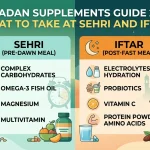
It is an excellent choice for Sehri or Iftar because it is hydrating, mineral-rich, and easy to digest. Its liquid format means it does not feel heavy during eating windows, while still delivering meaningful protein and electrolytes. Athletes practicing intermittent fasting for performance or weight management will find it particularly well-suited.