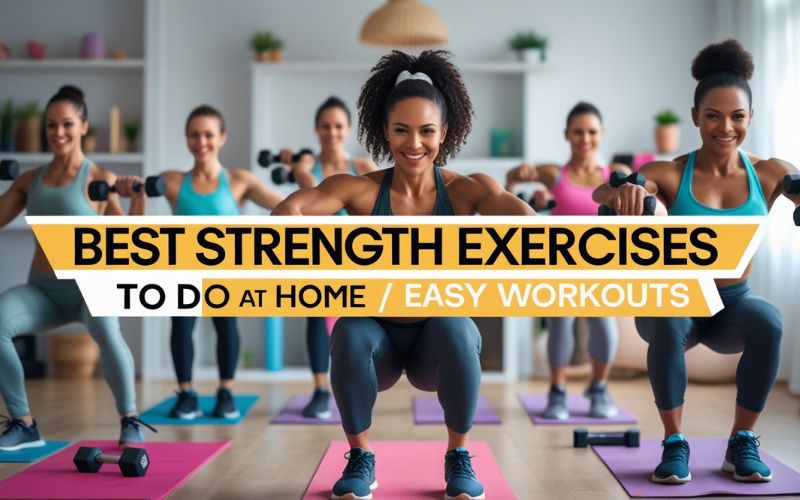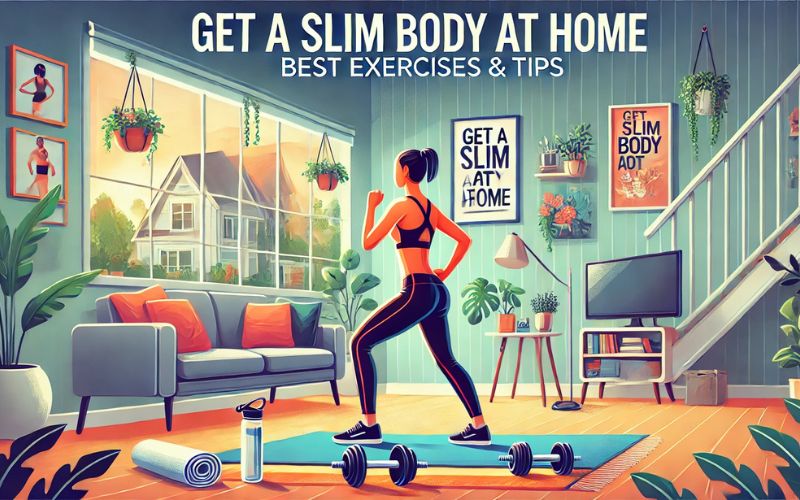














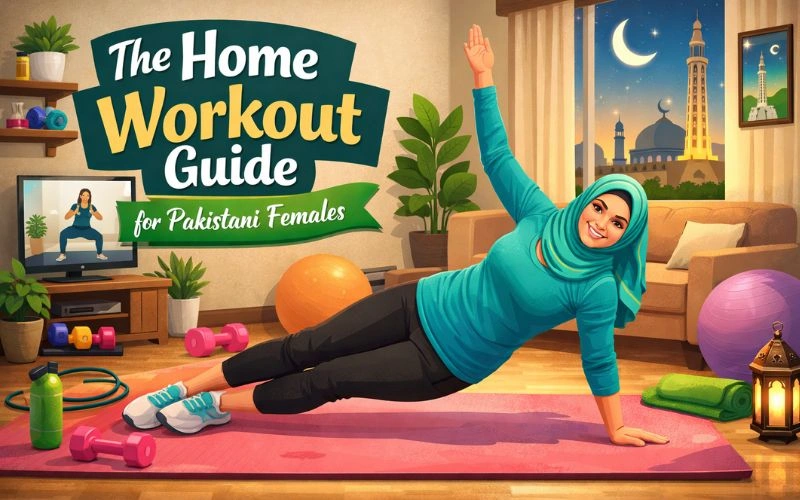
Working out at home is not a compromise , for millions of Pakistani women, it is the most realistic, most private, and most sustainable path to fitness. Between family responsibilities, cultural comfort, and limited access to female-only gym spaces, home workouts are not just a backup plan. They are the main plan. This guide is built around that reality, giving you a complete, practical, and science-backed approach to getting fit from your own bedroom, lounge, or rooftop.
Table of Contents
Why Pakistani Women Are Choosing Home Workouts
The shift toward home fitness among Pakistani females has been significant over the last few years, and the reasons go beyond convenience. Privacy is a genuine concern for many women , the ability to wear comfortable clothing, exercise without judgment, and move at your own pace makes home workouts deeply appealing. There is also the time factor; a 30-minute session at home eliminates the commute, the gym membership cost, and the scheduling conflict entirely.
What makes this guide different is that it does not assume you have dumbbells, resistance bands, or a yoga mat. Everything here can be started with zero equipment and scaled up as your fitness grows.
The Real Barrier Is Not Equipment , It Is Starting
Most women who want to work out at home already know the exercises. The real challenge is building consistency. Research consistently shows that habits formed around convenience are the ones that stick. A home workout you do five times a week beats a gym workout you do twice. Once you accept that, everything changes.
Building Your Home Workout Foundation
A complete session should include a warm-up, a main workout block, and a cool-down. Skipping the warm-up is one of the most common mistakes beginners make , and it leads directly to joint pain and early burnout.
A solid warm-up does not need to be complicated. Five to seven minutes of light movement , arm circles, neck rolls, hip rotations, and slow marching in place , is enough to raise your heart rate and prepare your joints for what is coming. Body warm-up before exercise explains this in more detail and is worth reading before your first session.
- Warm-up: 5 to 7 minutes of dynamic movement
- Main workout: 20 to 30 minutes of targeted exercises
- Cool-down: 5 minutes of static stretching
The Difference Between Static and Dynamic Stretching
Stretching is one of those topics that gets simplified to the point of being misleading. There are two types that matter for home workouts: dynamic stretching before exercise and static stretching after. Dynamic moves like leg swings and hip circles prepare the muscles for movement. Static stretches , holding a position for 20 to 30 seconds , are for after the workout when your muscles are warm. Static vs dynamic stretching covers this distinction in a way that is easy to apply immediately.
The Best Home Exercises for Pakistani Females
Now to the practical part. The exercises below require no equipment and can be done in any room. They are organized by goal , because a woman trying to tone her arms has different needs than someone focused on reducing belly fat or building lower body strength.
The most effective home workout routine combines compound movements (exercises that work multiple muscle groups at once) with targeted isolation work. This approach burns more calories, builds functional strength, and takes less time than single-muscle routines.
Exercises for Full Body Strength and Toning
These movements form the backbone of any effective home workout plan.
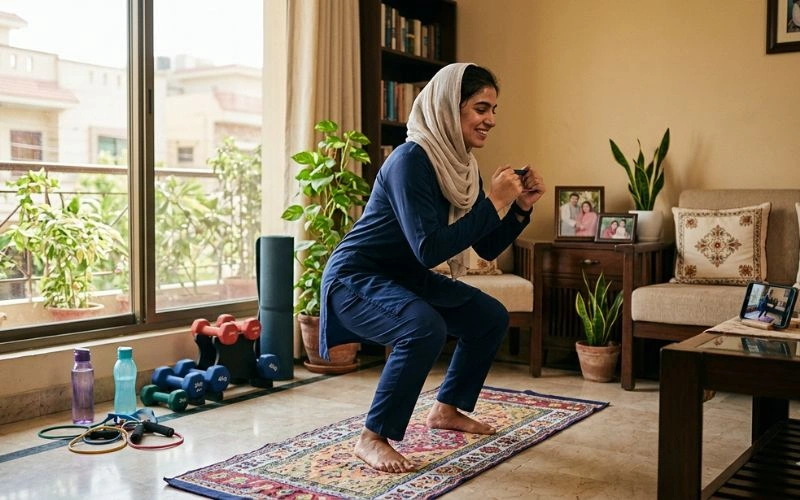
- Squats: The single best lower body exercise. Works the glutes, quads, and hamstrings. Start with 3 sets of 15 repetitions.
- Push-ups: Builds chest, shoulder, and tricep strength. Beginners can start with knee push-ups and progress to full push-ups over time. The push-ups guide is a thorough resource for mastering form.
- Glute bridges: Lying on your back, feet flat on the floor, push your hips upward and hold for two seconds. Excellent for glute activation and lower back health.
- Plank holds: The plank builds core stability, which supports every other movement you do. Start with 20-second holds and build up to 60 seconds.
- Lunges: Walking lunges or stationary lunges target the legs and improve balance. How to do lunges exercise breaks down proper form to avoid knee strain.
A Weekly Home Workout Schedule That Actually Works
Knowing the exercises is one thing , knowing how to structure them into a week is another. Many women either overtrain (doing intense sessions every day until burnout) or undertrain (one or two sessions a week that never create visible results). The sweet spot for beginners and intermediate exercisers is three to four sessions per week with at least one rest day between strength sessions.
Here is a sample weekly plan that is realistic for Pakistani home schedules.
- Monday , Lower Body and Glutes Squats, glute bridges, lunges, wall sits. 3 rounds, 30 seconds rest between sets.
- Wednesday , Upper Body and Core Push-ups, tricep dips on a chair, shoulder taps, plank holds. 3 rounds.
- Friday , Full Body and Cardio Jumping jacks, mountain climbers, burpees (modified as needed), bodyweight squats. 20 minutes continuous or interval-based.
- Saturday , Stretching and Active Recovery Full body stretching exercises combined with light walking or yoga-style movement. This session is just as important as the training days.
Rest Days Are Part of the Plan
Many beginners feel guilty on rest days, but rest is where the actual adaptation happens. Your muscles do not grow during the workout , they grow during recovery. Skipping rest leads to overuse injuries, fatigue, and stalled progress. If you feel the urge to move on a rest day, a gentle walk or light stretching is perfectly appropriate.
Cardio at Home for Pakistani Women
Cardio does not require a treadmill or a park. There are genuinely effective cardio options that work in a small indoor space, are low-impact enough for beginners, and quiet enough not to disturb the household.
Jumping jacks, high knees, spot jogging, and stair climbing (if stairs are available) are all excellent. For women who prefer something more structured and enjoyable, fun cardio workouts at home offers a range of creative options that do not feel like exercise in the traditional sense.
- Low-impact options: marching in place, step touches, seated leg raises
- Moderate intensity: jumping jacks, mountain climbers, skipping (without a rope)
- Higher intensity: burpees, squat jumps, fast feet
For weight loss specifically, combining cardio with strength training produces far better results than cardio alone. The strength work builds muscle, and more muscle means a higher resting metabolism.
Getting Slim at Home Is Not Just About Exercise
Pakistani women often approach fitness with exercise alone and wonder why results are slow. The reality is that nutrition drives the majority of body composition changes, and no home workout plan is complete without addressing what happens in the kitchen.
This does not mean dieting or cutting entire food groups. It means being intentional about protein intake, managing portion sizes, and reducing the frequency of high-calorie traditional foods without eliminating them. How to keep your body fit without exercise covers the lifestyle and nutrition side of fitness in detail.
For women focused on weight loss, exercises for slim body women provides a curated exercise selection specifically matched to that goal.
The Most Overlooked Part of Home Fitness
Dehydration reduces exercise performance, slows recovery, and contributes to fatigue and headaches. Pakistani women often underestimate how much water they need, particularly in the summer months.
A good rule of thumb: drink a full glass of water before every workout and sip consistently throughout the day rather than drinking large amounts all at once.
Supplements for Women Who Train at Home
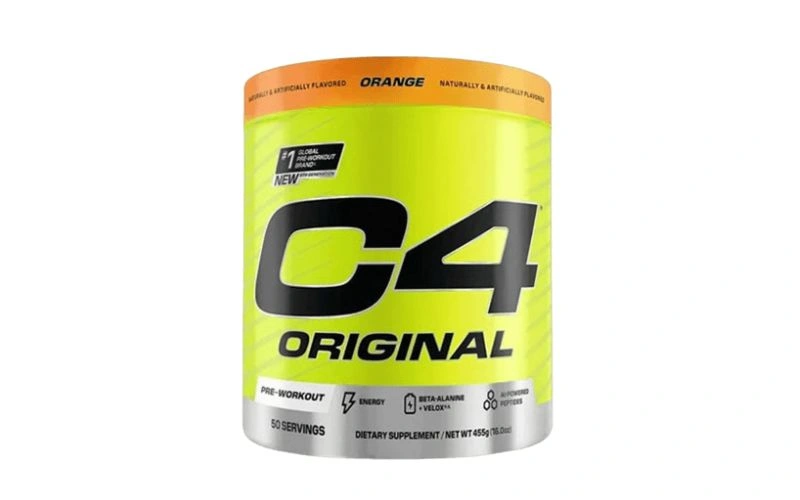
Supplements are not mandatory for home workouts, but a few targeted options genuinely support energy, recovery, and results for women who are training consistently.
Protein is the first consideration. Most Pakistani women fall significantly short of their daily protein target , and this is one of the biggest factors limiting visible results from home training. Whey protein benefits for women explains the role protein plays beyond muscle building, including fat loss support, satiety, and hormonal balance.
- Whey protein: supports muscle recovery and helps hit daily protein targets
- Omega-3: supports joint health, reduces inflammation from training, and improves recovery.
- Multivitamins: fill nutritional gaps, particularly important for women who may be deficient in iron, vitamin D, and B12. Multivitamin tablets price in Pakistan helps you find a budget-appropriate option
- Vitamin D: extremely common deficiency in Pakistani women.
What to Avoid as a Beginner
Fat burners and aggressive weight loss supplements are heavily marketed toward women, but for someone just starting home workouts, they are unnecessary and often counterproductive. Building a consistent routine and eating better will produce results that no supplement can shortcut. Once your training is established, there is a time and place to evaluate additions , but the foundation comes first.
Staying Motivated When No One Is Watching
One of the genuine challenges of home workouts is accountability. There is no trainer, no gym environment, and no social pressure to show up. The women who succeed with home training tend to share a few habits.
They set a specific time each day for their workout , not “sometime in the morning” but “7:15 AM after Fajr.” They track progress through photos and measurements rather than only the scale, because muscle building and fat loss can produce dramatic visible changes even when weight stays the same. And they get slim at home by focusing on sustainable habits rather than extreme short-term efforts.
Progress is rarely linear. There will be weeks where energy is low,
where family demands make sessions shorter, or where motivation simply is not there. The goal is not perfection , it is consistency over months, not days.

The Bottom Line
Home workouts for Pakistani females are not a lesser version of gym training. Done consistently, with the right structure, proper nutrition, and realistic expectations, they produce real, lasting results. Start with the basics , warm up properly, build a three-day weekly routine, eat enough protein, and stay hydrated. Everything else builds from there. Your home is your gym , and it is open every day.