













When you’re standing in the supplement aisle trying to choose the right fish oil, the numbers and percentages on the label can feel overwhelming. Understanding what EPA and DHA mean,and how to spot quality in an omega 3 capsule,is crucial for making an informed purchase. This comprehensive guide will walk you through every element of a fish oil label, helping you decode the science behind these essential fatty acids and make the best choice for your health goals.
Whether you’re concerned about heart health, brain function, or overall wellness, knowing how to read these labels properly ensures you’re getting genuine value, especially when considering omega 3 price in pakistan and comparing different brands.

Table of Contents
Understanding the Basics: What Are EPA and DHA?
Before diving into label reading, it’s essential to understand what you’re actually looking for. EPA (Eicosapentaenoic Acid) and DHA (Docosahexaenoic Acid) are two types of omega-3 fatty acids found primarily in fish oil. These aren’t just fancy scientific terms,they’re the active ingredients that deliver the health benefits you’re seeking.
EPA is particularly known for its anti-inflammatory properties and cardiovascular support. It plays a crucial role in reducing inflammation throughout your body, supporting heart health, and potentially helping with mood regulation. Studies have shown that EPA can help lower triglyceride levels and support healthy blood pressure. Research continues to validate omega-3’s role in maintaining heart health, particularly through EPA’s anti-inflammatory mechanisms.
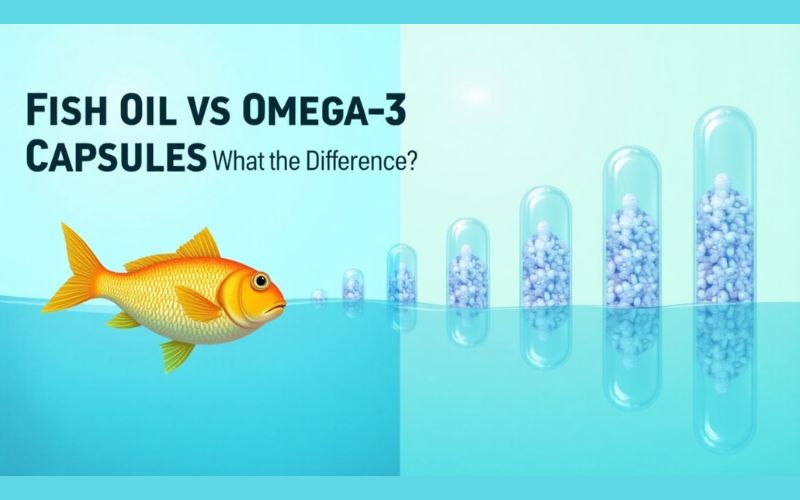
DHA, on the other hand, is the structural superstar. It’s a major component of your brain, eyes, and nervous system. During pregnancy and early childhood, DHA is critical for brain development, but it remains important throughout your entire life for maintaining cognitive function and supporting eye health. The distinction between omega-3 and fish oil is important to understand, as fish oil is simply one source of these essential fatty acids.
Decoding the Fish Oil Label: Key Components to Look For
The first number you’ll notice on any fish oil supplement is the total fish oil content per serving. However, this is where many consumers get confused. A capsule might contain 1000mg of fish oil, but that doesn’t mean you’re getting 1000mg of beneficial omega-3s.
Total Omega-3 Content vs. EPA and DHA
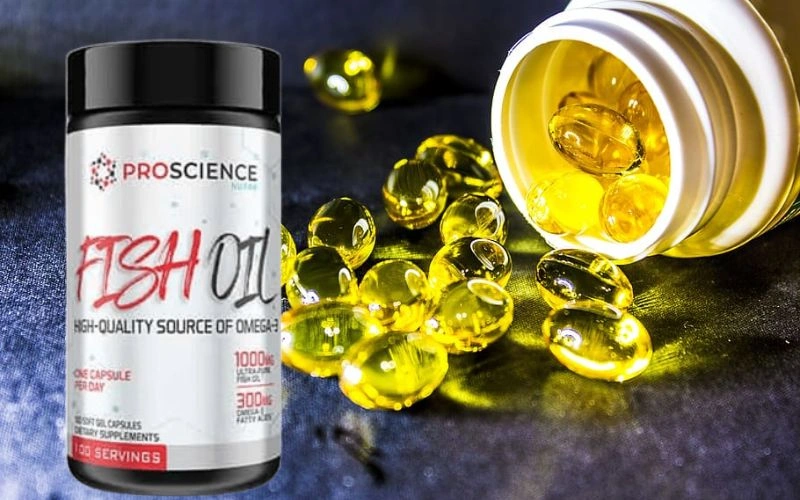
What truly matters is the combined EPA and DHA content. This is typically listed separately on the label and is almost always lower than the total fish oil amount. For example, a 1000mg fish oil capsule might only contain 300mg of combined EPA and DHA. The remaining 700mg consists of other fatty acids and carrier oils.
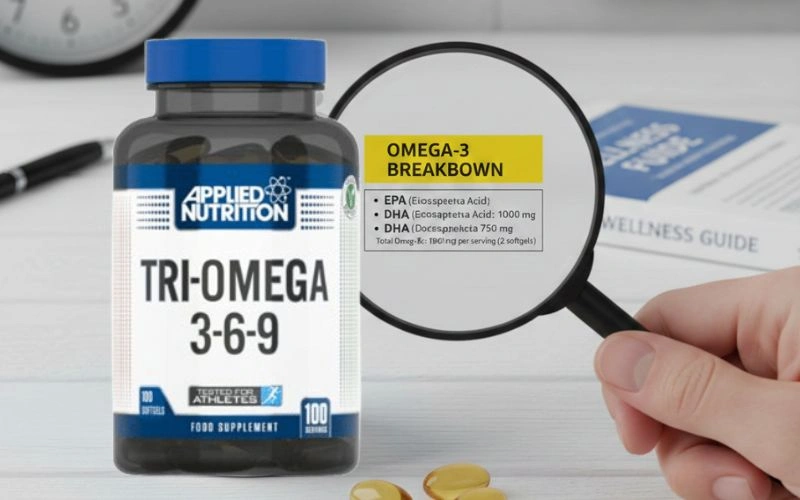
Quality supplements will clearly state the exact amounts of EPA and DHA. Look for labels that break down these numbers individually:
- EPA: 180mg
- DHA: 120mg
- Total Omega-3: 300mg
This transparency is a hallmark of reputable brands. The growing awareness among Pakistani consumers has led to increased availability of quality omega 3 supplements in Pakistan, making this breakdown your primary focus when comparing options.
The EPA to DHA Ratio: Does It Matter?
Different health goals benefit from different EPA to DHA ratios. Understanding this can help you choose the most appropriate supplement for your specific needs rather than just grabbing any fish oil off the shelf.
For cardiovascular health and inflammation reduction, higher EPA ratios are generally more beneficial. Many heart health formulas contain twice as much EPA as DHA, with ratios like 2:1 or even 3:1. These formulations are designed to maximize the anti-inflammatory and triglyceride-lowering effects of omega-3s.
Brain health and cognitive function, however, thrive on higher DHA content. Prenatal vitamins and supplements designed for cognitive support often flip this ratio, providing more DHA than EPA. A 1:2 or 1:3 ratio (EPA to DHA) is common in these formulations.
Balanced formulas typically maintain an equal or near-equal ratio of EPA to DHA. These are suitable for general health maintenance and provide comprehensive omega-3 benefits. When you’re unsure about your specific needs, these balanced formulas offer a safe starting point.
Purity and Quality Indicators on Labels

Beyond EPA and DHA content, several other label elements indicate supplement quality. Third-party testing certifications are among the most important markers. Look for seals from organizations like IFOS (International Fish Oil Standards), USP (United States Pharmacopeia), or NSF International. These indicate that the product has undergone independent testing for purity and potency.
The source of the fish oil matters significantly. Labels should specify which fish species were used,smaller fish like anchovies, sardines, and mackerel generally contain fewer environmental contaminants than larger predatory fish. Some premium supplements will even specify the ocean region where the fish were sourced.
Processing Methods and Molecular Forms
The molecular form of the fish oil affects its absorption and bioavailability. Natural triglyceride form (TG) is how omega-3s exist naturally in fish. This form is generally well-absorbed by the body and is considered the most natural option.
Ethyl ester form (EE) is a more concentrated, synthetic form created through molecular distillation. While it allows for higher EPA and DHA concentrations per capsule, some research suggests it may not be absorbed as efficiently as the triglyceride form.
Re-esterified triglyceride form (rTG) combines the concentration benefits of ethyl esters with the absorption advantages of natural triglycerides. This form is often found in premium supplements but typically comes at a higher price point. Many consumers wonder about the distinctions between fish oil and omega-3 capsules, as these molecular forms play a crucial role in bioavailability.
Freshness Indicators: Avoiding Rancid Fish Oil
Freshness is crucial but often overlooked when selecting fish oil supplements. Oxidized or rancid fish oil not only loses its beneficial properties but can potentially be harmful to your health.
Look for the oxidation values on the label. Reputable brands will list TOTOX (Total Oxidation) values, peroxide values, or anisidine values. Lower numbers indicate fresher oil. A TOTOX value below 26 is generally considered acceptable, though premium products often achieve values well below 10.
The manufacturing and expiration dates provide additional freshness clues. Fish oil should ideally be consumed within two years of manufacture, and you should always check the expiration date before purchasing. Some brands also include harvest dates, showing when the fish were caught,a sign of exceptional transparency.
Common Label Red Flags and What to Avoid
Being able to spot problematic labels is just as important as identifying quality indicators. Vague language is a major warning sign. Phrases like “contains omega-3s” without specifying EPA and DHA amounts, or “proprietary blend” without ingredient transparency, should make you cautious.
Unrealistic health claims also signal potential issues. No fish oil supplement can cure diseases or replace medical treatment. Labels making dramatic promises like “cures heart disease” or “eliminates inflammation” are marketing hype rather than science-based information.
Missing important information is another red flag. Quality supplements will always include the molecular form, source of fish, purity testing information, and detailed EPA/DHA breakdowns. If this information is absent, consider it a sign to look elsewhere.
Serving Size and Daily Dosage Guidelines
Understanding serving size is crucial for calculating your actual daily intake of EPA and DHA. Labels might list nutrition information “per serving” or “per capsule,” and these aren’t always the same thing.
The serving size defines how many capsules constitute one serving. Some supplements recommend taking two or three capsules to reach the labeled EPA and DHA amounts. This is important when comparing prices,a seemingly cheaper product requiring three capsules per serving might actually be more expensive than a premium product requiring just one.
Calculate your actual daily omega-3 intake by multiplying the per-capsule EPA and DHA content by the number of capsules in your daily serving. For example, if each capsule contains 180mg EPA and 120mg DHA, and the recommended serving is two capsules, you’re getting 360mg EPA and 240mg DHA daily. Understanding proper omega-3 dosage requirements helps ensure you’re meeting your nutritional needs without overspending.
Sustainable Sourcing and Environmental Certifications
Environmental responsibility has become increasingly important in fish oil production. Sustainable fishing practices ensure omega-3 supplements remain available for future generations while protecting ocean ecosystems.
Look for certifications from organizations like the Marine Stewardship Council (MSC) or Friend of the Sea. These certifications indicate that the fish were caught using sustainable methods that minimize environmental impact and don’t deplete fish populations.
Some brands also use fish oil derived from sustainably farmed fish or marine algae. While algae-based omega-3s are typically more expensive, they offer a sustainable alternative for those concerned about overfishing or following plant based omega-3 diets in Pakistan.
Storage and Handling Information
Proper storage directly impacts fish oil quality and effectiveness. Most supplements should be stored in a cool, dry place away from direct sunlight. Some premium fish oils require refrigeration,this information should be clearly stated on the label.
Softgel capsules typically offer better protection against oxidation compared to liquid formulations. The capsule shell acts as a barrier, protecting the oil from air exposure until you consume it. However, high-quality liquid fish oils often include antioxidants like vitamin E to prevent oxidation. Being vigilant about authenticity is crucial, especially since the market has seen issues with fake imported supplements in Pakistan.
Understanding Concentration Levels
Concentration refers to the percentage of EPA and DHA relative to total fish oil content. A standard fish oil might have 30% concentration (300mg EPA+DHA per 1000mg fish oil), while concentrated formulas can reach 60-90% concentration.
Higher concentration doesn’t automatically mean better quality, but it does mean fewer capsules to achieve your desired EPA and DHA intake. This is particularly beneficial for people who struggle with swallowing large pills or taking multiple capsules daily.
Calculate concentration by dividing the total EPA and DHA content by the total fish oil amount, then multiplying by 100. A supplement with 600mg EPA+DHA in a 1000mg capsule has 60% concentration.
Special Formulations and Added Ingredients
Many fish oil supplements include additional ingredients designed to enhance benefits or improve absorption. Vitamin E is commonly added as a natural preservative and antioxidant. It helps prevent the fish oil from oxidizing and becoming rancid.
Some formulations include vitamin D, especially considering that many people are deficient in this crucial vitamin. The combination of omega-3s and vitamin D can provide synergistic benefits for bone health and immune function. Beyond internal health, omega-3 supplements support beauty from within, promoting healthy skin, hair, and nails.
Flavoring and coating technologies address the common complaint of fishy aftertaste. Enteric coatings dissolve in the intestines rather than the stomach, reducing fishy burps and improving absorption. While these additions can improve user experience, ensure they don’t compromise the core EPA and DHA content. Muslim consumers should also verify that their supplements are halal certified before purchasing.
Price vs. Value: Calculating Cost Per Milligram

When comparing fish oil supplements, focusing solely on bottle price can be misleading. The true measure of value is the cost per milligram of combined EPA and DHA.
Calculate cost-effectiveness by dividing the total price by the total EPA and DHA content in the entire bottle. For example, if a 60-capsule bottle costs 3000 PKR and each capsule contains 300mg EPA+DHA, you’re getting 18,000mg total for 3000 PKR, or about 0.17 PKR per milligram.
Compare this across different brands and concentrations to find the best value. Sometimes a more expensive bottle with higher concentration actually provides better value per milligram than a cheaper option with lower concentration. The omega 3 fish oil market in Pakistan has seen significant price variations, making this calculation essential for smart purchasing decisions that balance quality and affordability.
Reading Between the Lines: Marketing Claims vs. Reality
Fish oil marketing can be persuasive, but not all claims are equally valid. “Pharmaceutical grade” is a largely unregulated term that doesn’t guarantee quality. Look for actual third-party certifications instead of vague quality descriptors.
The claim “mercury-free” deserves scrutiny as well. All fish contain some mercury, but quality supplements undergo molecular distillation to remove heavy metals to undetectable levels. Look for actual test results rather than blanket claims.
“Triple strength” or “ultra-concentrated” sounds impressive but is meaningless without knowing the actual EPA and DHA content. Always check the numbers rather than relying on marketing superlatives.
Special Considerations for Different Age Groups
Different life stages have different omega-3 needs. Pregnant and nursing women typically need higher DHA for fetal and infant brain development. Look for prenatal-specific formulations with at least 200-300mg DHA per serving.
Children’s supplements often come in smaller capsules or chewable forms with flavoring to mask fishy taste. Verify that the EPA and DHA content is appropriate for your child’s age and weight. Parents looking for safe and effective options should consider omega-3 supplements specifically formulated for children in Pakistan.
Seniors may benefit from higher EPA content for cardiovascular and joint health. Some formulations specifically target cognitive health with elevated DHA levels to support brain function as we age. Many older adults find relief when using omega-3 for managing joint pain and inflammation.
Making Your Final Selection
Armed with this knowledge, you’re now equipped to make an informed fish oil purchase. Start by identifying your primary health goal,whether it’s heart health, brain function, or general wellness,and look for formulations with appropriate EPA to DHA ratios.
Verify third-party testing and check for purity certifications. Calculate the actual EPA and DHA content per serving and compare cost-effectiveness across different options. Don’t be swayed by marketing claims without supporting evidence.
Consider the practical aspects too: capsule size, required daily dosage, and whether refrigeration is needed. The best supplement is one that delivers quality nutrients and fits seamlessly into your daily routine. For optimal absorption, many people incorporate their fish oil into their morning meal, and exploring omega-3 rich breakfast ideas can make supplementation more effective.
Your Path to Better Health Through Informed Choices
Learning to read fish oil labels empowers you to make choices based on science and quality rather than marketing hype. Whether you’re new to omega-3 supplementation or looking to upgrade your current regimen, understanding EPA and DHA content, purity standards, and concentration levels ensures you get maximum benefit from your investment.
Remember that supplements work best as part of a comprehensive approach to health. Combine your high-quality fish oil with a balanced diet rich in whole foods, regular physical activity, and adequate sleep. Many health-conscious consumers are discovering significant advantages when choosing imported supplements over local alternatives due to stricter quality standards and advanced manufacturing processes.
By prioritizing transparency, testing, and appropriate EPA/DHA ratios for your needs, you’re taking a proactive step toward supporting your cardiovascular system, brain health, and overall wellbeing. The time invested in understanding these labels pays dividends in the form of genuine health benefits and money well spent on quality supplements that truly deliver.