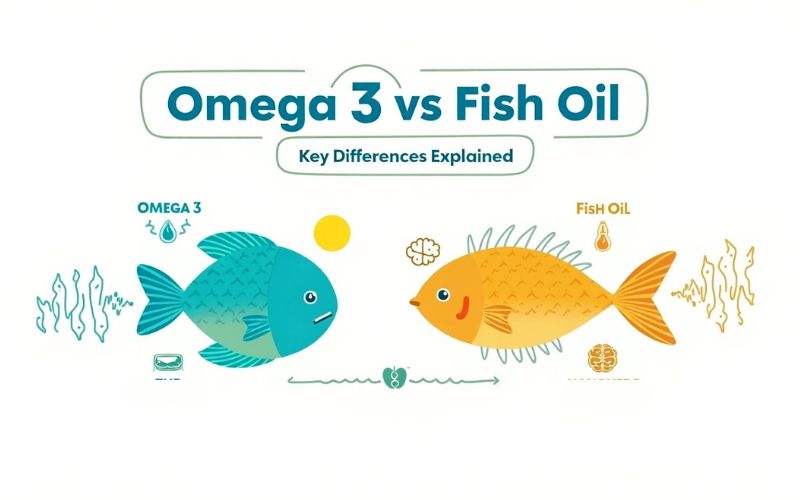














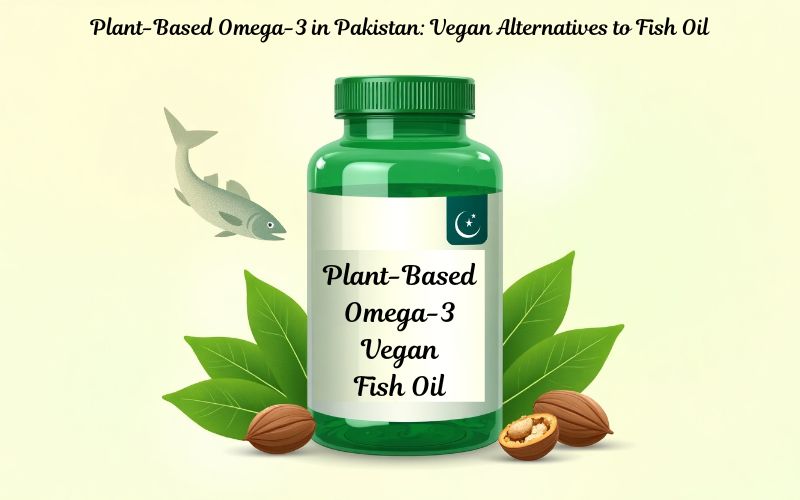
Omega-3 fatty acids are essential for heart, brain, and joint health. Traditionally, fish oil has been the most popular source of omega-3s. However, with the rise in plant-based lifestyles and growing concerns about sustainability, many people in Pakistan are now turning to plant-based omega-3 sources as a cleaner, more ethical alternative. In this article, we explore the benefits of vegan omega-3s, the best plant-based alternatives to fish oil available in Pakistan, and how to incorporate them into your daily routine.
Fuel your body the vegan way! Choose plant-based omega-3 supplements in Pakistan for a healthier, more sustainable lifestyle without compromising on nutrition.
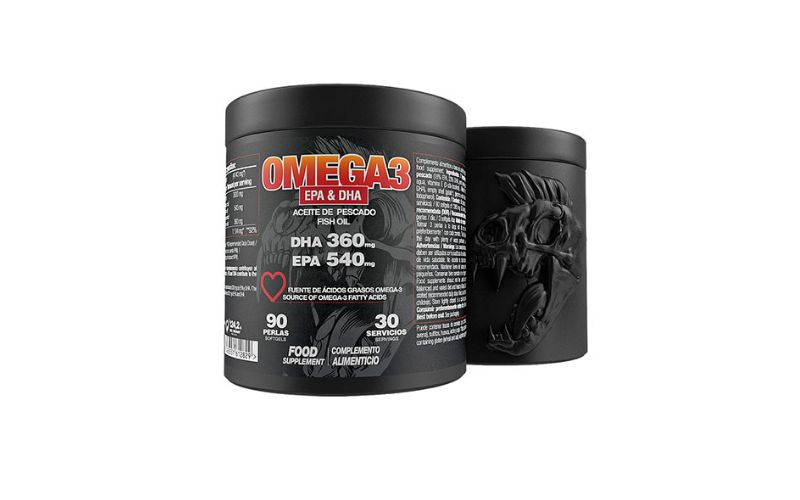
Table of Contents
Why Omega-3 Fatty Acids Matter
Omega-3 fatty acids are a group of polyunsaturated fats that play a critical role in maintaining overall health. Understanding the different types helps you make informed supplement choices, especially if you follow a plant-based diet. The three main types are:
- ALA (Alpha-Linolenic Acid) – Found primarily in plant sources like flaxseed, chia seeds, and walnuts
- EPA (Eicosapentaenoic Acid) – Found in fish and algae, important for heart and inflammatory health
- DHA (Docosahexaenoic Acid) – Also found in fish and algae, crucial for brain and eye function
ALA is an essential fatty acid, meaning the body cannot produce it on its own, so we must obtain it through diet. The body can convert ALA to EPA and DHA, although the conversion rate is limited, which makes dietary sources of all three types valuable. If you are curious about how omega-3 and fish oil differ from each other, it is worth exploring the distinctions before choosing a supplement.
The Growing Demand for Plant-Based Omega-3 in Pakistan
Pakistan is witnessing a growing interest in plant-based nutrition driven by increased awareness of health, environmental sustainability, and ethical concerns. As more consumers look for cleaner supplement options, plant-based omega-3 in Pakistan is becoming a popular choice for those who avoid fish or follow a vegan diet.
Unlike fish oil, plant-based omega-3 supplements are free from marine contaminants like mercury and are generally more environmentally friendly. They are also ideal for people with fish allergies or dietary restrictions. For anyone researching omega-3 fish oil pricing and availability in Pakistan, comparing plant-based alternatives alongside traditional options is a smart approach.
Top Vegan Alternatives to Fish Oil
If you are looking to boost your omega-3 intake without relying on fish, several excellent vegan-friendly sources are readily available in Pakistan. Each option offers a distinct nutritional profile and can be integrated into your lifestyle in different ways.
1. Flaxseed Oil
Flaxseeds are among the richest plant sources of ALA omega-3. Flaxseed oil is widely available in health stores across Pakistan and can be added to smoothies, salads, or taken as a supplement. People interested in cooking with flaxseed and chia for omega-3 will find it a highly versatile ingredient in everyday meals.
Key Benefits:
- Supports heart health and reduces cardiovascular risk
- May reduce inflammation throughout the body
- Improves skin hydration and elasticity
2. Chia Seeds
Chia seeds are nutrient-dense and offer a good dose of ALA omega-3 per serving. They are remarkably easy to incorporate into your diet by adding them to breakfast bowls, yogurt, or baked goods. Those who enjoy plant-based omega-3 recipes without fish will find chia seeds a flexible and satisfying ingredient.
Key Benefits:
- Rich in fiber and antioxidants
- Supports digestive health and regularity
- Helps regulate cholesterol levels naturally
3. Hemp Seeds
Hemp seeds are another excellent plant-based omega-3 source in Pakistan. They contain both omega-3 and omega-6 fatty acids in an ideal ratio for human health, making them one of the most balanced plant-based fat sources available. If you are exploring vegan nutrition and plant-based weight gain options, hemp seeds are a protein-rich addition worth considering.
Key Benefits:
- Supports brain and heart health simultaneously
- Contains complete protein with all essential amino acids
- Improves immune function and reduces inflammation
4. Walnuts
Walnuts are a convenient and delicious way to get your daily ALA omega-3. A single handful of walnuts can provide a significant portion of your daily omega-3 needs without any preparation required. Research consistently links walnut consumption to improved cognitive function, making them a strong choice for students and professionals who care about omega-3 intake and brain performance.
Key Benefits:
- Enhances brain function and memory retention
- Supports cardiovascular health and circulation
- Rich in antioxidants that protect against oxidative stress
5. Algae Oil Supplements
Algae oil is the only plant-based source that contains both EPA and DHA directly, making it the closest vegan alternative to fish oil. It is especially beneficial for people who need a more direct source of DHA for brain and eye health. Since fish themselves get their omega-3s by consuming algae, algae oil essentially cuts out the middleman. Those curious about omega-3 options without the fishy aftertaste will find algae oil to be the cleanest and most palatable choice.
Key Benefits:
- Pure and sustainable with minimal environmental impact
- Ideal for vegetarians and vegans seeking direct EPA and DHA
- No fishy aftertaste or marine contaminants
How to Choose the Right Plant-Based Omega-3 Supplement
Not all plant-based omega-3 supplements are created equal, and selecting the right one requires careful attention to a few key factors. For those who want to understand how much omega-3 to take daily, starting with a quality supplement that clearly lists its EPA and DHA content is essential.
- Check for DHA and EPA content: Especially important if you rely solely on plant-based supplements for your omega-3 needs
- Look for cold-pressed oils: Cold-pressing preserves nutrient quality and prevents oxidation
- Ensure purity and third-party testing: Independently verified supplements guarantee safety and potency
- Choose vegan-certified brands: Certification ensures no animal-derived ingredients are present, especially in capsule shells
If you observe any signs of deficiency such as joint discomfort, dry skin, or difficulty concentrating, it may be time to assess your intake. Learning about how omega-3 supports joint pain and inflammation relief can help you determine whether supplementation is right for you.
Plant-Based Omega-3 for Different Lifestyles
Omega-3 fatty acids are not just for fitness enthusiasts. Whether you are an athlete, a working professional, or a student, omega-3s are essential for sustained energy, mental clarity, and physical recovery. Here is how different groups can benefit from consistent intake.
- For athletes: Omega-3s help reduce exercise-induced inflammation and support joint health, which is particularly relevant for anyone following low-impact exercise routines for joint health
- For students and professionals: Improves cognitive performance, focus, and mental endurance through the day
- For older adults: Supports heart health and helps reduce the risk of age-related cognitive decline
Omega-3s also play a role in how your body absorbs and uses other nutrients. Those interested in the broader cardiovascular and cognitive benefits of omega-3 will find that consistent intake makes a noticeable difference over time.
Easy Ways to Add Plant-Based Omega-3 to Your Diet
Incorporating plant-based omega-3 into your daily routine does not have to be complicated. Small, consistent dietary adjustments can significantly improve your overall omega-3 status without the need for large supplement doses. Here are some practical ideas:
- Add ground flaxseed to your breakfast cereal, porridge, or morning smoothie
- Mix chia seeds into yogurt or plant-based milk overnight for a ready-to-eat breakfast
- Sprinkle hemp seeds on salads, rice dishes, or cooked vegetables
- Snack on a small handful of walnuts as a mid-afternoon energy boost
- Take an algae-based omega-3 supplement daily with a meal
For delicious omega-3-rich meal ideas that go beyond supplements, exploring omega-3-rich recipes designed for weight management can provide practical inspiration even if you substitute plant-based ingredients. These small dietary changes consistently made can have a meaningful impact on your long-term health.
Plant-Based Omega-3 and Halal Considerations in Pakistan
For Muslim consumers in Pakistan, ensuring that supplements are halal-certified is an important part of the buying decision. Most plant-based omega-3 supplements are inherently free from animal gelatin and marine sources, making them a naturally halal-friendly option. However, it is still advisable to verify certifications on the label. Those navigating how to identify halal omega-3 supplements in Pakistan will find algae-based and flaxseed-based products to be the most straightforward choices.
Omega-3 for Children and Pregnant Women in Pakistan
DHA is particularly important during pregnancy and early childhood for proper brain and eye development. Plant-based algae oil supplements offer a safe, mercury-free way to meet these elevated DHA needs. Parents and expecting mothers researching omega-3 supplementation for children in Pakistan should prioritize products with third-party purity testing and clear dosage guidelines. Always consult a healthcare provider before beginning any supplement regimen during pregnancy or for young children.
Recommended Plant-Based Omega-3 Products Available in Pakistan
If you are ready to start your plant-based omega-3 journey, several quality options are available. You can explore the omega-3 capsule supplement at Nutritional World or browse additional options including the Tri Omega 3-6-9 supplement and Zoomad Labs Omega-3 tablets. These products are sourced from trusted international brands and available for delivery across Pakistan.
Frequently Asked Questions About Plant-Based Omega-3 in Pakistan
Can plant-based omega-3 really replace fish oil?
Yes, especially with options like algae oil that contain both DHA and EPA directly. For those who cannot consume fish oil due to dietary restrictions, allergies, or personal preference, plant-based omega-3 is an effective and scientifically supported alternative. Algae oil in particular mirrors the fatty acid profile of fish oil since fish themselves derive their omega-3 content from algae.
Are plant-based omega-3 sources easily available in Pakistan?
Yes. Most plant-based sources such as flaxseed oil, chia seeds, walnuts, and hemp seeds are available in grocery stores, health food shops, and online retailers across major cities including Karachi, Lahore, Islamabad, and Faisalabad. Algae oil supplements can be ordered online through platforms like Nutritional World with nationwide delivery.
How much plant-based omega-3 should I take daily?
Recommended daily intake varies by age and health goals, but for adults, a general guideline is 1.1 to 1.6 grams of ALA per day from food sources. For DHA and EPA through algae oil supplements, check the product label and consult your healthcare provider to determine the appropriate dosage based on your individual needs.
Is algae oil safe for children and pregnant women?
Algae oil is generally considered safe and is often recommended during pregnancy and for children due to its purity and absence of mercury or other marine contaminants. However, it is always best to consult with a qualified healthcare professional before introducing any new supplement, especially during pregnancy or for young children.
How do I know if I am getting enough omega-3?
Common signs of omega-3 deficiency include dry or flaky skin, persistent fatigue, difficulty concentrating, mood fluctuations, and joint pain or stiffness. A blood test measuring omega-3 index levels can provide accurate information about your current status and help you and your doctor determine the appropriate supplementation strategy.
What is the difference between ALA, EPA, and DHA in plant-based sources?
ALA is the primary omega-3 found in plant foods like flaxseed, chia seeds, and walnuts. The body can convert ALA into EPA and DHA, but the conversion efficiency is limited, typically between 5 and 15 percent. Algae oil is unique among plant-based sources because it contains EPA and DHA directly, bypassing the conversion process entirely.
Are plant-based omega-3 supplements halal in Pakistan?
Most plant-based omega-3 supplements are inherently halal since they do not contain fish-derived gelatin or animal byproducts. Algae oil and flaxseed capsules with plant-based shells are the most straightforward halal-certified options. Always check the product label or contact the manufacturer to confirm halal status before purchasing.
Conclusion: Make the Switch to Plant-Based Omega-3
Switching to plant-based omega-3 in Pakistan is a smart, sustainable, and health-conscious choice that benefits both your body and the environment. Whether you follow a fully vegan lifestyle or simply want to reduce your dependence on animal-based products, options like flaxseed oil, chia seeds, walnuts, and algae oil provide all the essential omega-3 benefits without the downsides associated with fish oil.
The growing availability of quality plant-based supplements in Pakistan means there has never been a better time to make this transition. Those who want to understand why omega-3 is beneficial for heart health or explore how omega-3 supports skin and beauty will find that the benefits extend well beyond basic nutrition.
If you are ready to upgrade your omega-3 intake with high-quality vegan supplements, visit Nutritional World Pakistan today. Browse a curated range of plant-based omega-3 options designed to help you live healthier, naturally.