












Omega-3 fatty acids are essential nutrients that support heart health, brain function, joint mobility, and more. But for many people in Pakistan who prioritize halal-certified products, choosing the right omega-3 supplement can be confusing. With so many options on the market, how do you make sure the product is both effective and halal?
This guide breaks down everything you need to know about how to choose halal omega-3 in Pakistan, so you can make a well informed, health conscious, and religiously compliant decision.
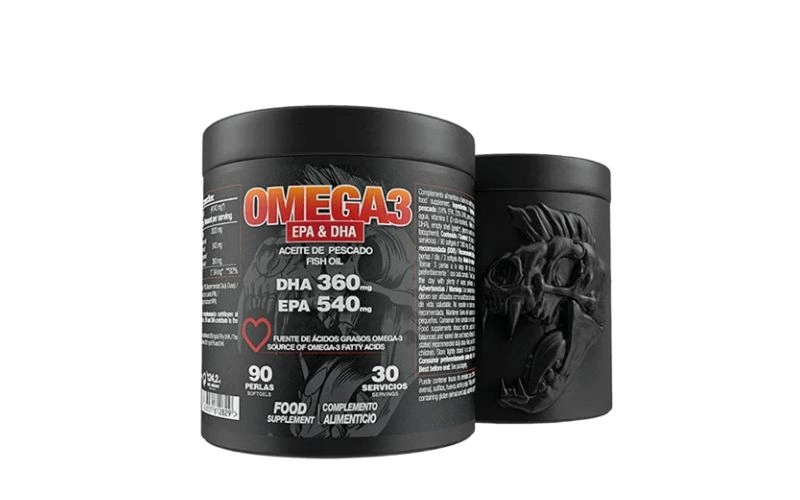
Table of Contents
Why Omega-3 Is Important for Your Health
Before getting into halal certification and sourcing, it helps to understand why this nutrient is worth adding to your routine in the first place. Omega-3 fatty acids are a group of polyunsaturated fats, primarily found in fish oil, flaxseeds, and certain algae, and they support the body in several ways, including omega-3’s role in supporting cardiovascular wellness.
- Supports cardiovascular health by reducing triglycerides and improving blood flow
- Boosts brain function and may help with mood, memory, and focus, which ties into omega-3’s combined heart and brain benefits
- Reduces inflammation, especially in joints and muscles, an area covered further in this look at omega-3’s effect on joint pain and stiffness
- Promotes eye health, particularly in aging adults
For people who do not consume enough fatty fish in their diet, omega-3 supplements are a practical solution, and children and students can benefit too, as explained in this guide to omega-3 for focus and brain health in students.
The Challenge: Finding Halal Omega-3 in Pakistan
Once you know why omega-3 matters, the next question is where it actually comes from and whether that process meets halal standards. The primary source of omega-3 supplements is fish oil, which may be processed using non-halal methods such as encapsulation with gelatin derived from non-zabiha animals. Not all manufacturers disclose how the fish oil is sourced or processed, and understanding the difference between fish oil and standard omega-3 supplements can make the label easier to read.
This creates a real challenge for those seeking how to choose halal omega-3 in Pakistan, as transparency and halal certification are essential factors that many buyers overlook.
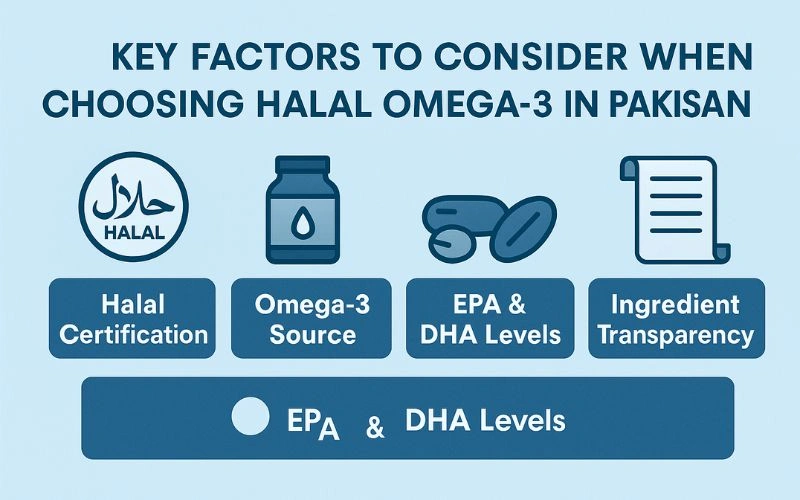
Key Factors to Consider When Choosing Halal Omega-3 in Pakistan
With the background out of the way, here are the specific things to check before you add any omega-3 product to your cart.
1. Check for Halal Certification
Certification is the single most reliable signal, so it is worth understanding what it actually confirms before you rely on it. The most reliable way to ensure your omega-3 supplement is halal is by looking for how halal certification for food supplements works, since a verified certification from a reputable organization confirms:
- The gelatin used in capsules is derived from halal sources
- The production process adheres to Islamic guidelines
- No alcohol or non-halal ingredients are used during extraction or formulation
Look for certifications from bodies like SANHA, JAKIM, or IFANCA, and the same certification logic applies to other categories too, including halal considerations for BCAA and amino acid supplements.
2. Source of Omega-3
Not every omega-3 supplement is made the same way, and the raw source often decides how straightforward the halal question is. There are three main sources used in supplements:
- Fish oil – Most common and typically contains EPA and DHA
- Krill oil – A marine source, but halal status is controversial
- Algae oil – A vegan and halal-friendly source
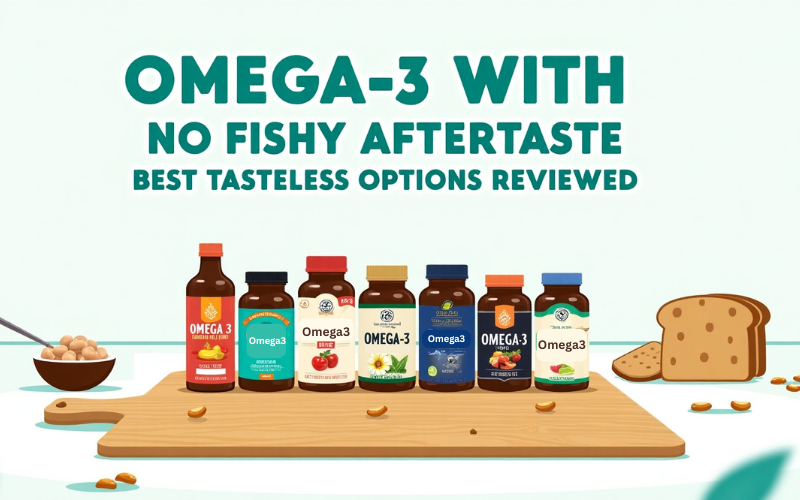
Algae-based omega-3 is naturally plant-derived and usually considered halal, making it a safe choice for vegetarians and Muslims alike. If you want a deeper breakdown of this option, this overview of plant based omega-3 sourced from algae covers it well, and if fish oil’s fishy taste has put you off in the past, there are now omega-3 options without a fishy aftertaste worth trying.
3. Encapsulation Material
Even when the oil itself is halal, the capsule around it can still be the deciding factor. Many supplements are enclosed in gelatin capsules, which may come from either halal or haram sources. If the product does not clearly mention “halal gelatin” or specify its origin, it is best to avoid it.
Choose softgels or capsules labeled with “halal gelatin” or “veggie caps” made from cellulose, which are plant-based and halal.
4. Purity and Quality Testing
Halal compliance is only half the picture, since a supplement also needs to be safe and effective to be worth buying. Choose a brand that provides:
- Third-party lab testing to ensure purity and potency
- Certificate of Analysis (CoA) confirming no heavy metals or toxins
- Good Manufacturing Practices (GMP) certification
These indicators show the brand’s commitment to transparency, quality, and consumer safety, an essential part of EEAT (Expertise, Experience, Authoritativeness, and Trustworthiness). It also helps to know the right amount to take once you have chosen a product, which this daily omega-3 dosage guide explains in detail.
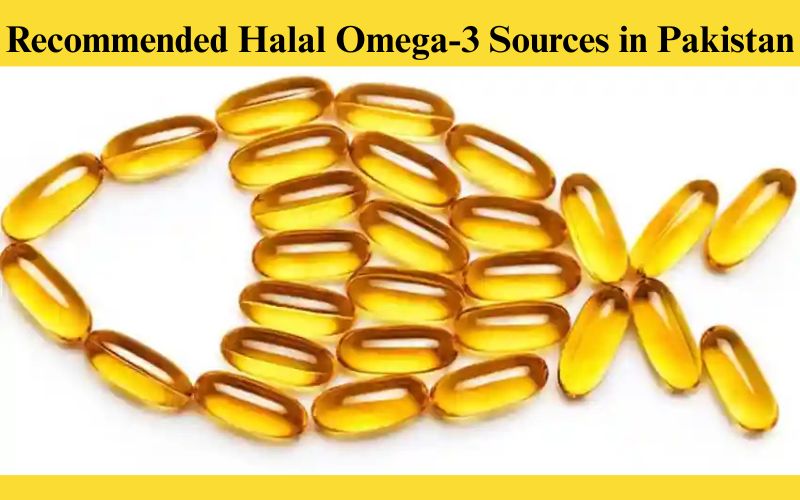
Recommended Halal Omega-3 Sources in Pakistan
With those factors in mind, here are a few halal-certified options currently available in Pakistan worth considering.
-
Qn Omega 3 Fish Oil (halal-certified, premium fish oil)
-
Omega 3 100caps (vegan, algae-sourced DHA)
-
Tri-omega 3-6-9 (tested for purity and potency)
-
Elev Ultra Omega-3 (halal gelatin softgels)
Before purchasing, always verify the label or check the product details for halal certification, and if you would rather see how the top names stack up side by side, this comparison of the best-selling omega-3 brands in Pakistan is a useful next stop.
How to Read Supplement Labels for Halal Compliance
Choosing the right brand only helps if you can also read the label correctly once it is in front of you. Understanding how to choose halal omega-3 in Pakistan also involves being able to interpret supplement labels. Here is what to look for:
- Halal logo from a certification body
- Source of gelatin (look for halal bovine or plant-based)
- Type of omega-3 (EPA, DHA, ALA, or sourced from algae), covered in more depth in this guide to reading EPA and DHA values on a fish oil label
- Third-party testing or GMP labels
If anything is unclear, do not hesitate to contact the manufacturer or retailer for confirmation. It also helps to know whether a straight omega-3 or a 3-6-9 blend suits your needs better before you buy, since the labeling differs between the two.
Common Mistakes to Avoid
Even careful buyers slip up in a few predictable ways, so it is worth reviewing these before you make a purchase.
- Assuming all fish oil is halal – it is not, unless certified
- Buying from unverified sources – this increases the risk of counterfeit products
- Ignoring gelatin origin – this is one of the most common sources of hidden haram ingredients
- Focusing only on price – cheaper is not always better, and it helps to know what fair fish oil pricing looks like in Pakistan before assuming a cheap bottle is a good deal
Understanding these pitfalls will help you make smarter and more ethical choices.
FAQs About Choosing Halal Omega-3 in Pakistan
Which omega-3 supplements are halal?
Not all omega-3 supplements are halal, as their ingredients and manufacturing processes can vary. Check for recognized halal certification, review capsule gelatin sources, and confirm that any processing aids meet your halal requirements before purchasing.
Is vegan omega-3 considered halal?
Vegan omega-3 derived from algae is generally considered halal because it avoids animal-derived ingredients. However, capsule materials, additives, and manufacturing processes can differ, so check the product’s halal certification and ingredient list before use.
Where can I buy halal omega-3 supplements in Pakistan?
You can find halal omega-3 supplements through reputable health stores and online retailers such as NutritionalWorld
How do I know if an omega-3 supplement is genuinely halal?
To identify a genuinely halal omega-3 supplement, look for a recognized halal certification logo and examine the ingredients. Check whether capsule gelatin is bovine, fish-derived, or otherwise sourced, and contact the manufacturer if certification details remain unclear.
What is the best source of halal omega-3 for kids?
Algae-based omega-3 can provide DHA without fish-derived ingredients, making it an option for children following plant-based diets. Check product certification, age suitability, and dosage with a pediatrician. Read this guide to omega-3 for children in Pakistan
Conclusion
Choosing the right omega-3 supplement is crucial for your health, but it is equally important to ensure it aligns with your halal dietary standards. By focusing on halal certification, source transparency, and product quality, you can confidently make the best choice.
Now that you know how to choose halal omega-3 in Pakistan, make sure your next supplement purchase supports your health and your values.
For high-quality, halal-certified omega-3 supplements in Pakistan, visit nutritionalworld.com.pk and explore a range of trusted products delivered to your doorstep..