







Halal Certified Food Supplement: Why It Matters for Athletes in Pakistan
Table of Contents
What Is a Halal Certified Food Supplement?
A Halal certified food supplement is a dietary product that has been formally verified to contain no forbidden (Haram) ingredients, including pork-derived gelatin, alcohol, non-Halal animal byproducts, or cross-contaminated processing. Certification is granted by recognized Islamic authorities after rigorous ingredient and manufacturing audits.
For athletes, this matters deeply because many common supplement ingredients, such as gelatin capsule shells, certain amino acid fermentation bases, and flavoring agents, can contain Haram sources that are not visible on standard labels. A Halal-certified product eliminates that uncertainty entirely.
Understanding how protein supplements are sourced and manufactured helps you ask the right questions when selecting a product. When a supplement carries a credible Halal certification mark, you know the entire supply chain has been reviewed.
Why Pakistani Athletes Specifically Need Halal Supplements
Pakistan is an Islamic country with well over 96% of its population being Muslim. Despite this, the mainstream global supplement industry largely caters to non-Muslim markets where Halal compliance is not a priority. This creates a significant gap that Nutritional World was built to fill.
When you buy imported supplements without checking Halal status, you run the risk of consuming porcine-derived gelatin in capsules, alcohol-based flavor extracts, or animal-based enzymes in protein hydrolysis. These concerns are not hypothetical. Many popular global brands historically used non-Halal processing methods.
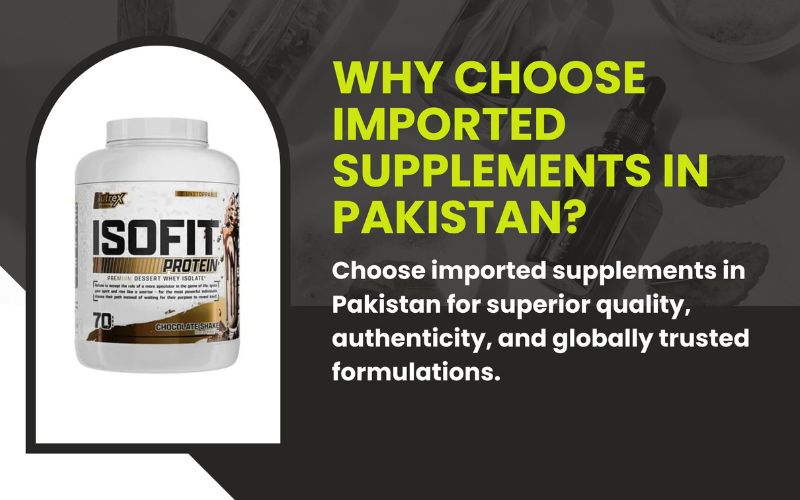
There is also a growing body of evidence on why imported supplements outperform local alternatives in quality, testing standards, and ingredient transparency. When those imported products also carry Halal certification, Pakistani athletes genuinely get the best of both worlds.
Brands We Carry: Trusted Names in Halal Sports Nutrition
Nutritional World is an authorized dealer of some of the most well-respected supplement brands in the world. Each brand listed below has been selected not only for its product quality and performance but also for its commitment to Halal-compliant manufacturing.
Applied Nutrition
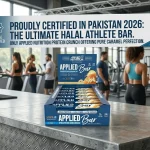
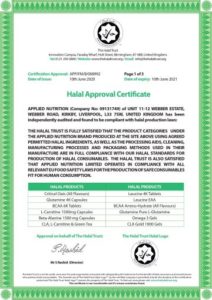
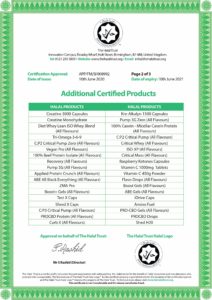
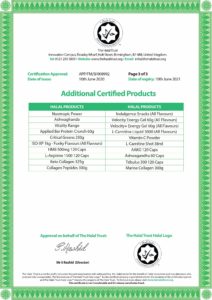
Applied Nutrition is a UK-based brand with a strong presence across Muslim-majority markets, including the Gulf and South Asia. Their product lines are developed with Halal certification in mind from the formulation stage, covering protein powders, pre-workouts, amino acids, and fat burners. The brand is especially popular among athletes looking for clean-label, research-backed formulations.
Applied Nutrition’s diet whey range is particularly well suited for athletes managing body composition, and their transparent ingredient profiles make label-reading straightforward. If you are exploring the difference between whey protein and whey isolate, Applied Nutrition offers both formats with Halal assurance.
 |
 |
 |
Scitec Nutrition
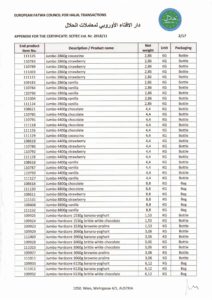
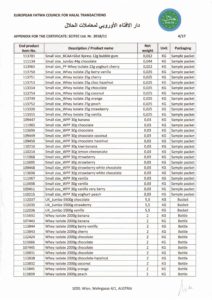
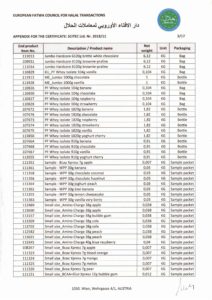
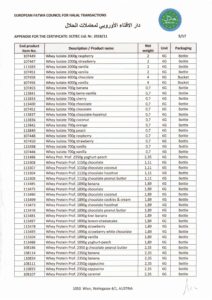
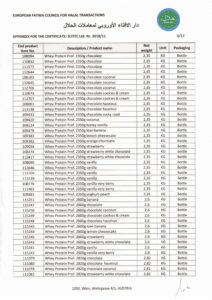
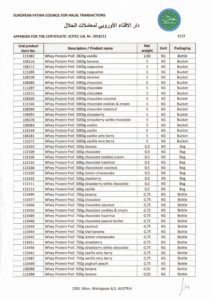
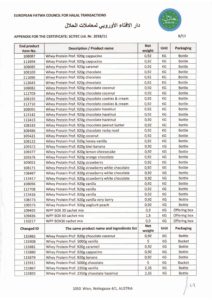
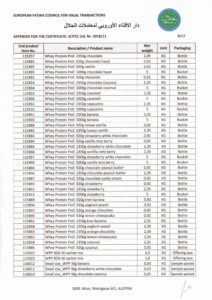
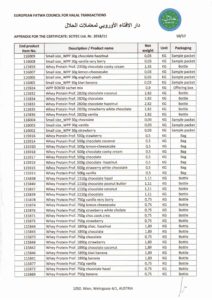
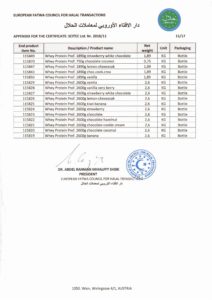
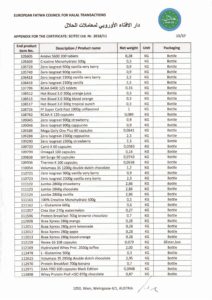
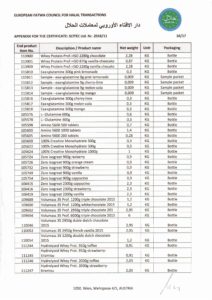
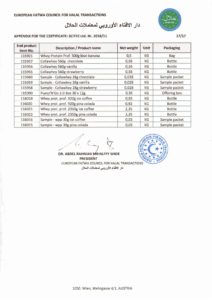
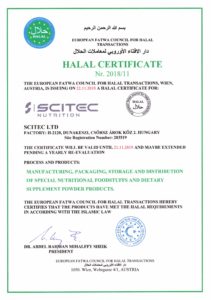
Scitec Nutrition is a Hungarian brand with decades of experience in sports nutrition and a formidable Halal-certified product range. Their AB Scitec line was specifically developed to meet Islamic dietary requirements, making it one of the most comprehensive Halal supplement collections available in Pakistan.
Scitec offers everything from whey protein and mass gainers to creatine, amino acids, and vitamins. Their rigorous quality standards are reflected in both taste and efficacy, and they are consistently ranked among the top-performing European supplement brands. Athletes who want to understand creatine monohydrate usage and its performance benefits will find Scitec’s creatine line an excellent starting point.
 |
 |
 |
 |
 |
 |
 |
 |
 |
 |
||
 |
 |
 |
 |
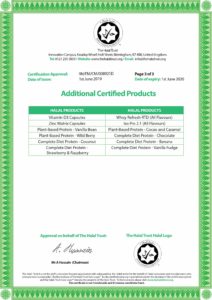
AB Scitec Nutrition
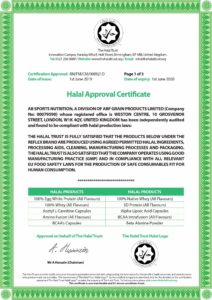
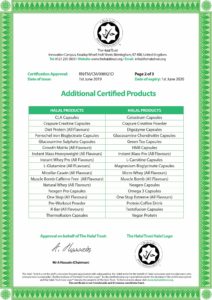
AB Scitec is the dedicated Halal sub-brand of Scitec Nutrition, formulated specifically for Muslim consumers. Every product in this line carries formal Halal certification and is manufactured in a facility that prevents cross-contamination with non-Halal ingredients. This makes AB Scitec one of the most trusted Halal supplement collections available in Pakistan today.
If you are new to supplementation and unsure where to start, essential supplements for gym beginners provides a practical starting point that includes options from the AB Scitec range.
 |
 |
 |
Muscletech
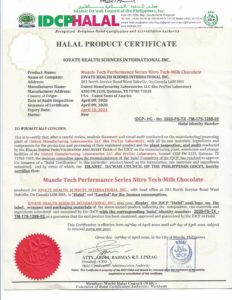
Muscletech is one of the most recognized supplement brands globally, with a product range spanning whey proteins, mass gainers, pre-workouts, testosterone boosters, and more. Their manufacturing standards are among the most stringent in the industry, and several of their flagship products have Halal certification available for Muslim-majority markets.
Muscletech’s Nitro-Tech and Mass-Tech series are particularly popular in Pakistan. Athletes focused on gaining lean mass will find their protein-based approach to healthy weight gain aligns well with what Muscletech’s mass gainer line delivers.
 |
How to Verify a Supplement Is Truly Halal
With the supplement market expanding rapidly in Pakistan, counterfeit and mislabeled products have become a real concern. Knowing how to verify authenticity and Halal compliance before purchasing protects both your health and your religious obligations.
Here are the key steps to verify a Halal certified food supplement:
First, check for a credible Halal certification logo on the packaging. Reputable bodies include JAKIM (Malaysia), IFANCA (USA), and the Islamic Food and Nutrition Council. Second, scan the QR code or batch number on the product against the manufacturer’s official website. Third, purchase only from authorized dealers. Buying from verified retailers like Nutritional World ensures the product has not been tampered with or replaced with a counterfeit. Fourth, check the ingredient list for any porcine gelatin, lard derivatives, carmine (insect-based coloring), or alcohol-based carriers.
It is equally important to know how to spot counterfeit imported supplements before spending your money. Fake products not only undermine your training results but may also pose serious health risks.
Common Supplement Categories and Their Halal Considerations
Different supplement categories carry different Halal risks. Below is an overview of the most popular supplement types and what to look for in each.
Whey Protein
Whey protein is derived from cow’s milk during cheese production. The protein itself is generally permissible, but the processing agents, cross-flow membranes, capsule shells, and flavoring agents may contain non-Halal components. Always verify that the whey protein you choose uses Halal-certified rennet and avoids alcohol-based flavor extraction.
For athletes comparing their options, understanding whey concentrate versus whey isolate processing differences is useful context when evaluating Halal status, since the filtration and hydrolysis processes differ and some involve animal-derived enzymes.
Amino Acids and BCAAs
Amino acid supplements, including BCAAs, can be derived from either plant-based fermentation, animal hair and feather hydrolysis, or human hair. Non-Halal amino acid sourcing is a documented issue in the supplement industry. Certified Halal amino acids will specify their source as plant-derived fermentation or Halal-slaughtered animal protein.
Athletes relying on amino acids for recovery will benefit from knowing how amino acids support post-workout muscle recovery. Combining this knowledge with Halal-verified sourcing helps you make informed choices.
Creatine
Creatine monohydrate is typically synthesized from sarcosine and cyanamide, both of which are non-animal derived in modern manufacturing. However, some creatine blends may contain carrier agents or flavoring from non-Halal sources. Pure creatine monohydrate products from reputable brands are generally considered Halal, but certification remains the definitive confirmation.
Understanding creatine monohydrate’s proven benefits for strength and performance makes it one of the most worthwhile additions to a Muslim athlete’s supplement stack when sourced correctly.
Vitamins and Multivitamins
Vitamins present some of the least obvious Halal concerns yet are among the most problematic. Gelatin capsule shells are almost universally derived from porcine sources unless explicitly stated otherwise. Vitamin D3 is often sourced from lanolin (sheep wool) which is generally considered Halal, but some D3 supplements use fish gelatin capsules or porcine coating agents.
Multivitamin tablets specifically formulated for athletic performance, such as those carrying Halal certification, cover this issue comprehensively. For those tracking specific deficiencies, understanding the clinical importance of Vitamin D for muscle function and immunity explains why getting this one right is especially critical.
Fat Burners
Fat burners are among the more complex supplements from a Halal standpoint. Thermogenic compounds, stimulants, and proprietary blends may include alcohol-extracted botanicals, carmine coloring, or gelatin-based delivery systems. Halal-certified fat burners explicitly avoid these ingredients and use permissible carrier systems.
Nutritional World stocks the best imported fat burners available in Pakistan, all verified for quality and sourced from brands with established compliance records.
Omega-3 and Fish Oil
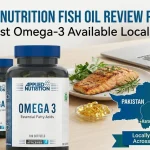
Fish-derived omega-3 is inherently permissible for Muslims since fish are considered Halal without the need for slaughter. However, the capsule shell, sourcing of fish, and processing agents must still meet Halal requirements. Halal omega-3 products use fish gelatin capsules rather than porcine gelatin and specify their marine source transparently.
For those looking to expand beyond standard fish oil capsules, selecting a genuinely Halal omega-3 supplement in Pakistan breaks down exactly what to look for on the label.
Why Nutritional World Is Pakistan’s Trusted Halal Supplement Store
Nutritional World has spent years building a curated catalog that removes the guesswork for Muslim athletes. Every brand and every product on the platform is verified against Halal compliance standards before being listed for sale. This is not a marketing claim but an operational commitment that runs through every purchasing and listing decision made by the team.
The store operates with full transparency on product sourcing, and the customer support team is equipped to answer certification-specific questions for any product in the catalog. For athletes who want to go further in understanding what separates a trusted supplement store from a generic marketplace, the distinction often comes down to why choosing verified imported supplements matters for long-term health and measurable athletic results.
Nutritional World also maintains a comprehensive blog library covering topics from creatine timing to omega-3 sourcing, giving customers the knowledge to make confident decisions. Whether you are comparing protein types, evaluating fat burners, or asking about Halal omega-3 options, the information is available without having to look elsewhere.
Halal Certified Supplements and Athletic Performance: Are There Trade-Offs?
One concern some athletes raise is whether Halal certified products perform differently from their non-Halal counterparts. The straightforward answer is no. Halal certification is a compliance standard for ingredient sourcing and manufacturing, not a performance constraint. A Halal whey protein delivers the same amino acid profile and absorption rate as a non-Halal equivalent when formulated correctly.
In many cases, Halal-certified products are actually higher quality because the certification audit process forces greater ingredient transparency and stricter manufacturing controls. The brands we carry at Nutritional World, including Applied Nutrition and Scitec, invest heavily in both certification compliance and performance research.
For athletes monitoring how their supplement stack interacts with their overall nutrition, comparing supplement-based nutrition against a natural diet approach provides useful perspective on where certified supplements fit within a balanced routine.
Getting Started with Halal Certified Supplements in Pakistan
If you are new to supplementation or making the switch to verified Halal products, the transition is simpler than it might appear. Start with the fundamentals: a quality Halal whey protein for muscle recovery and growth, a Halal-certified creatine monohydrate for strength output, and a Halal multivitamin to cover micronutrient gaps in a typical Pakistani diet.
From there, you can build progressively based on your specific goals. Athletes focused on fat loss can add a Halal thermogenic. Those aiming for mass gain can incorporate a Halal mass gainer. Endurance athletes may benefit from Halal BCAA or EAA supplements to support sustained performance.
Understanding how foundational nutrition shapes every aspect of your health and performance helps frame supplementation as a smart complement to diet rather than a replacement for it. The goal is always to fill genuine nutritional gaps with products you can trust both medically and religiously.
Frequently Asked Questions About Halal Certified Food Supplements
What makes a food supplement Halal certified?
A food supplement is considered Halal certified when it has been formally audited and approved by a recognized Islamic authority. This includes verification that all ingredients are free from porcine derivatives, alcohol, non-Halal animal byproducts, and contamination during manufacturing. The certification covers the entire supply chain, from raw ingredient sourcing to final packaging.
Is whey protein Halal?
Whey protein can be Halal, but it is not automatically so. The milk source must come from Halal-slaughtered or permissible animals, and the processing must avoid alcohol-based flavoring or porcine enzyme hydrolysis. The capsule or packaging must also not contain porcine gelatin. Always look for a credible Halal certification logo on the product before purchasing.
Which supplement brands are Halal certified in Pakistan?
In Pakistan, Nutritional World carries Halal certified products from Applied Nutrition, Scitec Nutrition, AB Scitec Nutrition, and Muscletech among others. AB Scitec is a dedicated Halal sub-brand with full certification for its entire product range. Applied Nutrition also produces Halal-compliant lines specifically for Muslim-majority markets.
Is creatine monohydrate Halal?
Pure creatine monohydrate is generally considered Halal because it is synthetically produced from sarcosine and cyanamide without animal-derived ingredients. However, flavored creatine products or creatine blends may contain carriers or additives from non-Halal sources. Purchasing creatine from brands with formal Halal certification is always the safest approach.
Are Halal certified supplements as effective as regular supplements?
Yes, Halal certified supplements are fully as effective as their non-Halal counterparts. Halal certification relates to ingredient sourcing and manufacturing compliance, not to the performance profile of the nutrients. A Halal whey protein delivers the same amino acids and absorption rate as a conventional one. In many cases, Halal certification is associated with higher manufacturing standards overall.
How can I verify that a supplement is genuinely Halal certified?
To verify Halal certification, look for a certification logo from a recognized Islamic authority such as JAKIM, IFANCA, or an equivalent body on the product packaging. You can also scan the batch number or QR code against the manufacturer’s official website. Purchasing from an authorized and trusted dealer like Nutritional World further reduces the risk of encountering counterfeit or mislabeled products.
Do fat burners and pre-workouts also come in Halal certified versions?
Yes, several fat burners and pre-workout supplements are available with Halal certification. These products are formulated without alcohol-extracted botanicals, porcine gelatin capsules, or non-Halal stimulant carriers. Nutritional World stocks a selection of Halal verified fat burners and pre-workouts from brands including Applied Nutrition and AB Scitec Nutrition.
Are omega-3 fish oil supplements Halal?
Fish itself is generally considered Halal in Islamic dietary law. However, many omega-3 capsules use porcine-derived gelatin shells, which makes them non-Halal. A genuinely Halal omega-3 supplement will use fish gelatin or a vegetarian capsule shell and will specify its marine source clearly. Always check the capsule material listed on the ingredients panel.