













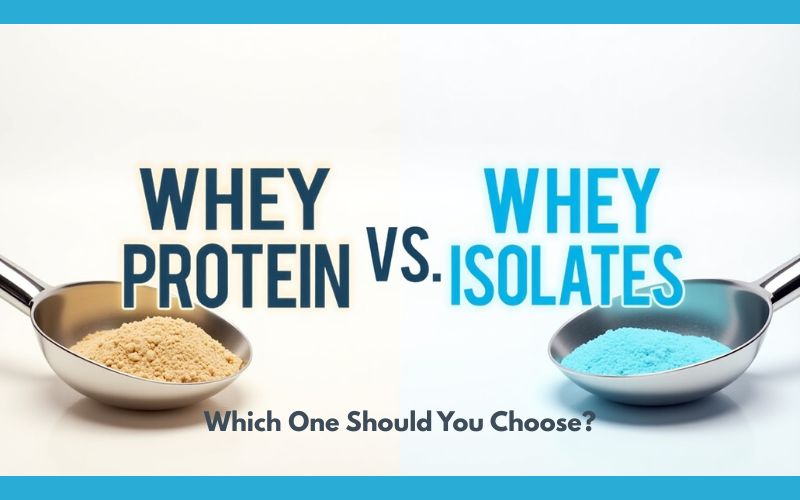
When it comes to building muscle, managing weight, or simply maintaining a balanced diet, protein supplements often top the list. Two of the most popular options are whey protein and whey protein isolate. While they come from the same source, milk, their processing, nutritional profiles, and benefits can differ significantly. Understanding the differences is essential to making an informed decision that suits your body, fitness goals, and budget.
In this guide, we will break down whey protein vs whey protein isolate, compare their nutritional value, and recommend which might be right for you.
Table of Contents
What Is Whey Protein?
Whey protein is a high-quality, complete protein derived from milk during the cheese-making process. When milk is curdled, it separates into casein (solid) and whey (liquid). That liquid whey is filtered, dried, and turned into the protein powder we commonly use.
Types of Whey Protein
Before comparing concentrate and isolate directly, it helps to see how many forms whey protein actually comes in. This comparison of concentrate, isolate, and hydrolysate covers all three forms in more depth, but here is a quick summary.
- Whey Protein Concentrate (WPC):
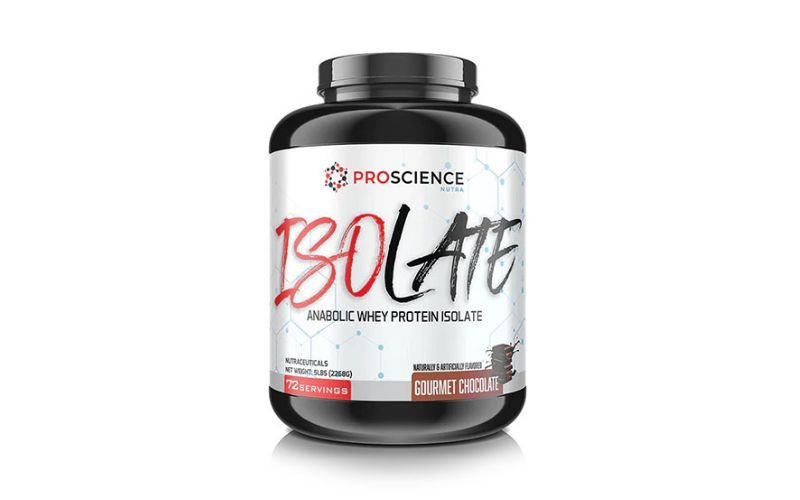
Contains 70 to 80% protein, with some lactose, fats, and carbs. This is the most common and cost-effective form. - Whey Protein Isolate (WPI):
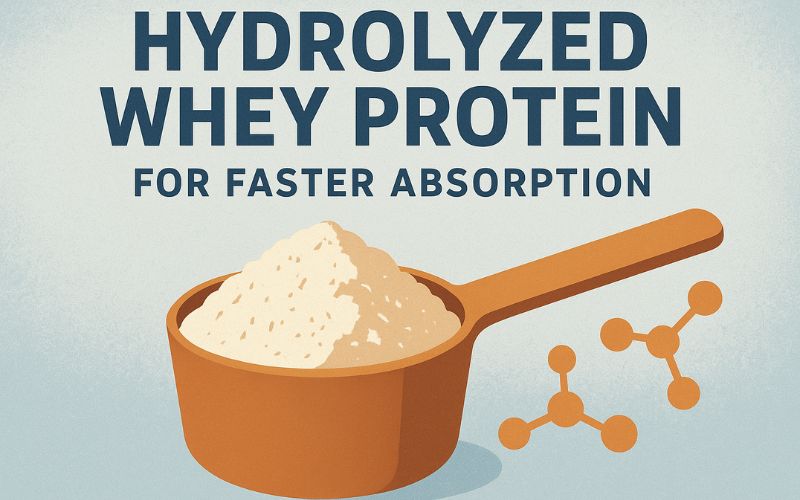
A more refined form with over 90% protein and minimal fats and lactose. - Whey Protein Hydrolysate:
Pre-digested for faster absorption, often used in clinical and infant formulas or high-performance supplements.
In this article, we will focus on whey concentrate and compare it directly with whey isolate.
Nutritional Breakdown of Whey Concentrate (per 30g serving)
With the category covered, here is what a typical serving of concentrate actually delivers.
- Protein: around 22g
- Carbs: around 3 to 4g
- Fat: around 2 to 3g
- Lactose: Present
- Calories: around 120 to 130 kcal
What Is Whey Protein Isolate?
Having covered concentrate in detail, it is worth understanding what changes once whey goes through an extra processing step. Whey protein isolate undergoes additional filtration, either cross-flow microfiltration or ion exchange, to remove most of the fats and lactose. This results in a more purified product.
It is ideal for individuals looking for maximum protein content with minimal extras, especially those with lactose sensitivity or following strict dietary plans.
Nutritional Breakdown of Whey Isolate (per 30g serving)
Here is how that extra filtration changes the numbers compared to concentrate.
- Protein: around 26 to 28g
- Carbs: less than 1g
- Fat: less than 1g
- Lactose: Trace to none
- Calories: around 100 to 110 kcal
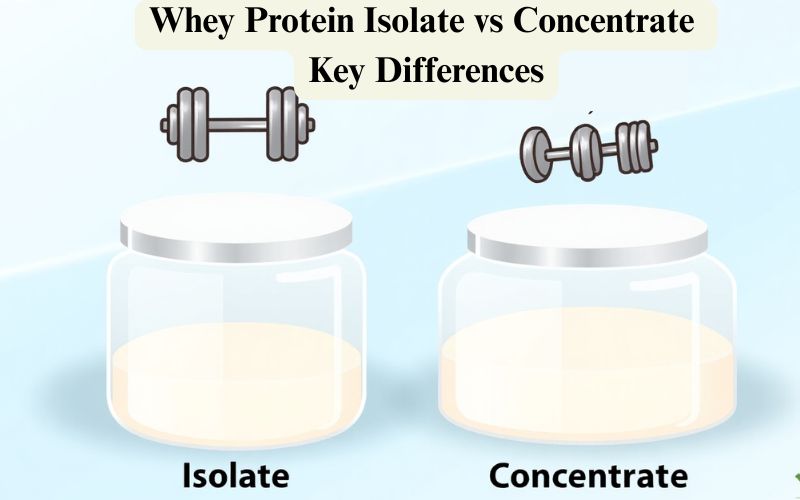
Whey Protein vs Whey Protein Isolate: Key Differences
With both nutritional profiles laid out separately, it is easier to compare them side by side in one table.
| Feature | Whey Protein Concentrate | Whey Protein Isolate |
| Protein Content | 70 to 80% | 90 to 95% |
| Lactose | Moderate | Low to none |
| Carbohydrates | 3 to 4g per serving | Less than 1g per serving |
| Fat | 2 to 3g per serving | Less than 1g per serving |
| Calories | Higher, around 120 to 130 kcal | Lower, around 100 to 110 kcal |
| Taste and Texture | Creamier, fuller taste | Lighter, sometimes less creamy |
| Mixability | Smooth in water or milk | Mixes easily, thinner texture |
| Price | Budget-friendly | More expensive per gram |
| Digestibility | Slower, may cause bloating | Faster, better for sensitive guts |
Which Is Better for Different Fitness Goals?
Numbers aside, the more useful question is which one actually fits your specific training goal. Here is how each form performs across the most common use cases.
Muscle Gain
- Both options support muscle growth due to high-quality amino acids.
- Whey concentrate is often preferred by beginners or bulkers due to added calories and affordability, an approach covered further in this guide to using whey protein to support weight gain.
Weight Loss
- Whey isolate is better for cutting fat while preserving lean muscle, thanks to its lower carb and fat content, a point explored further in this look at whey protein’s role in fat loss.
Lactose Intolerance or Digestion Sensitivity
- Whey isolate is the go-to choice since it has little to no lactose, reducing bloating or digestive discomfort.
Budget-Friendly Options
- Whey concentrate offers more protein per rupee, ideal for students or casual gym-goers not concerned with minute macronutrient details.
Expert Recommendation and Real-World Use Cases
Putting the goals above into practice, the best choice usually comes down to a simple split: whey concentrate for muscle gain, isolate for lean muscle and cutting. Here is how different user profiles might benefit.
- Ali, 21, Beginner Gym-Goer (Bulking Phase):
Opts for whey concentrate due to lower cost and extra calories supporting weight gain. - Sara, 30, Lactose Intolerant Fitness Enthusiast:
Prefers whey isolate for clean protein intake without digestive issues. - Zeeshan, 28, Competitive Bodybuilder (Cutting Phase):
Chooses whey isolate for ultra-lean muscle preservation with minimal carbs. - Aisha, 24, Weight Loss Journey:
Uses whey isolate post-workout to support fat loss while maintaining lean muscle, timed around the best time to take whey protein for her training schedule.
Common Myths and Misconceptions
With real-world use cases covered, it is worth clearing up a few misconceptions that come up often around these two products.
Myth: “Whey isolate is always better.”
Truth: Not always. While isolate offers higher purity, concentrate provides good value, more calories (helpful for bulking), and often a better taste.
Myth: “Whey concentrate is low quality.”
Truth: Most reputable brands use high-grade whey concentrate. It is still a complete protein rich in BCAAs.
Myth: “Isolate has no lactose whatsoever.”
Truth: It has trace amounts, though not enough to cause symptoms in most lactose-sensitive users.
FAQs
To wrap up, here are quick answers to the questions people ask most often when choosing between the two.
Can I mix whey protein and whey isolate together?
Yes, you can mix whey protein concentrate and whey isolate in the same shake. This allows you to combine their nutritional profiles according to your goals, budget, and protein requirements. Check serving sizes to avoid consuming more protein than needed.
Is whey isolate worth the extra cost?
Whey isolate may be worth the extra cost if you want more protein per serving, lower lactose, or fewer carbohydrates and fats. However, whey concentrate can also support muscle growth effectively when your overall protein intake meets your daily needs.
Which one is better for sensitive stomachs?
Whey isolate is often easier to tolerate because it generally contains less lactose than whey concentrate. However, tolerance varies between individuals, and isolate is not necessarily lactose-free. People with persistent digestive symptoms should consider professional advice before changing supplements.
Can I take both at different times of the day?
Yes, you can consume whey isolate and concentrate at different times according to your preferences and nutritional needs. Total daily protein intake matters more than precise timing. Read this guide to daily whey protein intake to plan your servings.
Does isolate taste worse than concentrate?
No, whey isolate does not necessarily taste worse than concentrate. Flavour depends on the brand, sweeteners, and formulation. Concentrate may taste creamier because it generally contains more fats and carbohydrates, while isolate can offer a lighter texture in shakes.
Conclusion
Whey protein vs whey protein isolate is not about which one is “better,” it is about what aligns with your personal fitness goals, digestion, and budget.
- If you are looking for maximum protein with minimal extras, go with whey isolate.
- If you prefer a more affordable, well-rounded supplement, whey concentrate does the job just fine.
Ultimately, both are excellent sources of complete protein. Choose wisely based on your needs, and whichever you pick, buying from a verified source rather than an unverified reseller matters just as much as the type you choose, so you get the best out of your training and nutrition.