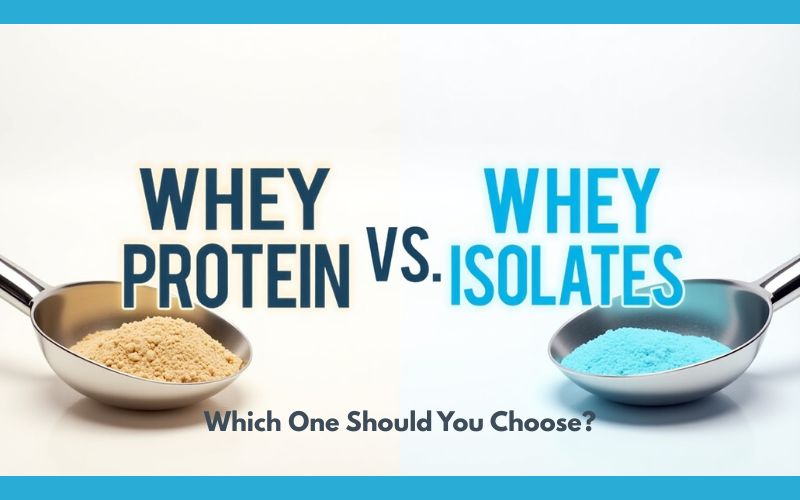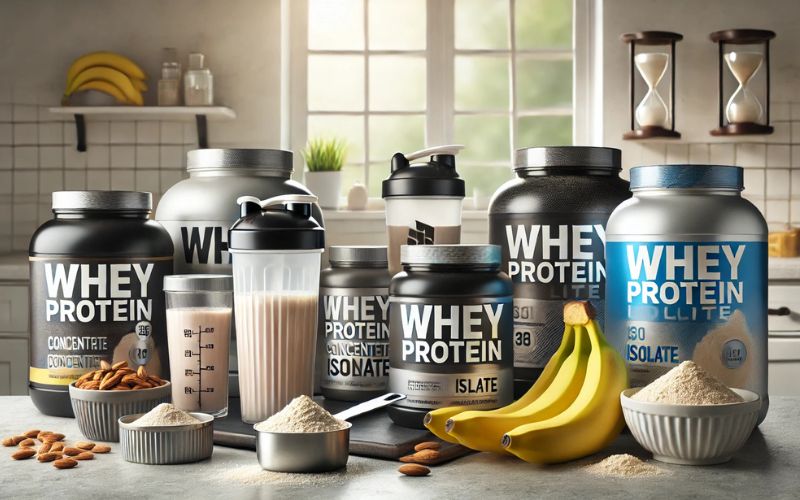














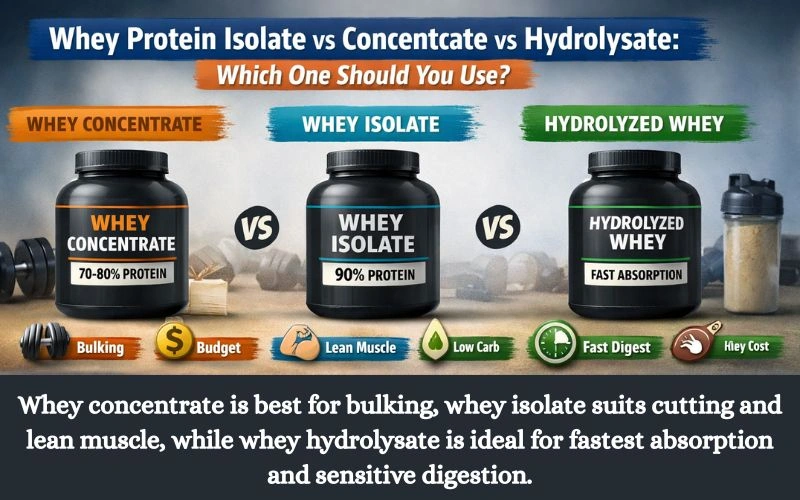
Choosing the right protein powder can feel confusing, especially when labels mention isolate, concentrate, or hydrolysate. While all three come from whey, their processing, digestion speed, and suitability differ significantly. This guide breaks down whey protein isolate vs concentrate vs hydrolysate in simple terms so you can confidently choose what fits your goals, digestion, and budget.
Table of Contents
Which Protein Powder Should You Use?
The best protein powder depends on why you’re using it: muscle gain, fat loss, digestion comfort, or affordability. Understanding each type helps avoid overpaying or choosing something that doesn’t suit your body.
Whey Concentrate
Whey concentrate is the least processed form of whey protein. It typically contains 70–80% protein, with small amounts of carbohydrates, fats, and lactose remaining.
Because it’s minimally filtered, whey concentrate retains beneficial compounds like immunoglobulins and growth factors. It’s also the most affordable option, making it popular among beginners and bulking athletes.
However, due to higher lactose content, some people may experience bloating or discomfort especially if lactose-sensitive.
Best for: Beginners, bulking phases, budget-conscious users
Avoid if: You’re lactose intolerant or cutting calories aggressively
Whey Isolate
Whey isolate undergoes further filtration to remove most fats and lactose, resulting in 90%+ protein content per serving. It’s cleaner, lighter, and easier on digestion compared to concentrate.
This makes whey isolate ideal for those aiming for lean muscle, fat loss, or improved digestion. While it costs more than concentrate, many users find the extra purity worth it especially during cutting phases.
Best for: Fat loss, lean muscle, mild lactose sensitivity
Consider cost: Slightly higher, but often better value per gram of protein
Hydrolyzed Whey
Hydrolyzed whey (or whey hydrolysate) is pre-digested using enzymes, breaking proteins into smaller peptides. This allows faster absorption and potentially easier digestion.
It’s commonly used in medical nutrition and elite sports recovery, but for most gym users, the benefits over isolate are marginal. It’s also the most expensive and can taste more bitter.
Best for: Sensitive digestion, post-workout recovery
Not necessary if: You tolerate isolate well
Comparison of Whey Concentrate, Isolate, and Hydrolysate
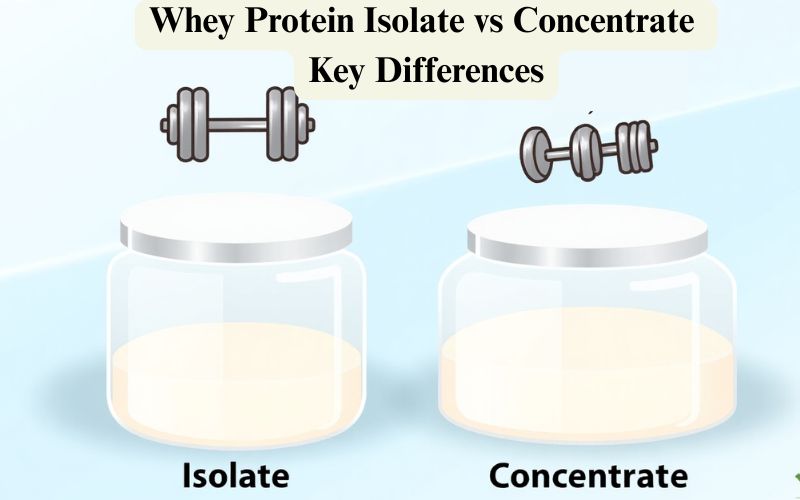
Whey concentrate offers affordability and calories, isolate provides high protein with low carbs, and hydrolysate delivers the fastest absorption for quick recovery.
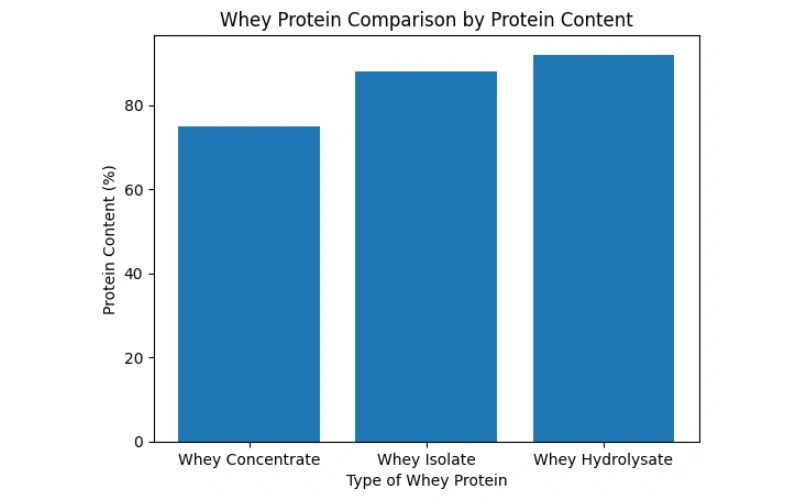
Key Differences at a Glance
- Protein content: Concentrate < Isolate < Hydrolysate
- Lactose: Highest in concentrate, lowest in hydrolysate
- Digestion speed: Slowest (concentrate) → fastest (hydrolysate)
- Cost: Most affordable (concentrate) → most expensive (hydrolysate)
Processing Explained (In Simple Words)
All whey starts as a liquid byproduct of cheese-making.
- Concentrate is lightly filtered
- Isolate is more heavily filtered to remove lactose and fat
- Hydrolysate is further broken down into smaller peptides
More processing means cleaner protein but also higher cost.
Digestion & Absorption: Which One Is “Fastest”?
Hydrolyzed whey absorbs the fastest, followed by isolate, then concentrate. However, for most people, overall daily protein intake matters more than speed. Unless you have digestion issues or train at a very high level, isolate is usually sufficient.
Lactose, Bloating, and Sensitivity
If whey makes you feel bloated or uncomfortable:
- Try whey isolate first
- Look for products with digestive enzymes
- If issues persist, hydrolysate may help
Those with true lactose intolerance should avoid concentrating altogether.
Goals-Based Recommendation
Choose whey protein based on your fitness goal, use isolate for cutting and lean muscle, concentrate for bulking and beginners, and hydrolysate for faster digestion or sensitive stomachs.
Best for Cutting / Fat Loss
Whey isolate provides high protein with minimal calories, very low carbs, and fats. It supports muscle preservation during calorie deficits while keeping daily intake clean and controlled.
Best for Bulking / Weight Gain
Whey concentrate is calorie-friendly and affordable, making it suitable for bulking phases. Its natural carbs and fats help increase total calorie intake needed for steady muscle and weight gain.
Best for Lean Muscle & Recomposition
Whey isolate supports lean muscle growth without excess calories. It’s ideal for recomposition goals where muscle building and fat control are equally important over a sustained training period.
Best for Beginners
Whey concentrate is simple, cost-effective, and easy to use. It offers solid protein quality for new gym users without the higher price or complexity of advanced whey types.
Best for Sensitive Stomach
Hydrolyzed whey or high-quality whey isolate digests quickly and contains minimal lactose, reducing bloating or discomfort for individuals with sensitive digestion or mild lactose intolerance.
Ingredients & Label Checklist
When comparing products, look for:
- At least 24–25g protein per serving
- Clear labeling (no “proprietary blends”)
- Low added sugars
- Third-party testing or brand transparency
- Minimal fillers and artificial ingredients
What is a Tri-Blend?
A tri-blend combines whey concentrate, isolate, and hydrolysate in one formula. It aims to balance digestion speed, protein quality, and cost.
Tri-blends can be useful for general fitness users, but they’re not superior by default. Always check the ingredient order to see which protein dominates.
How to Use Whey Properly

Most people benefit from 20–30g per serving, 1–2 times daily. Total daily protein intake should generally fall between 1.6–2.2g per kg of body weight, depending on activity level.
Timing matters less than consistency, though post-workout and between meals are common choices.
Common Myths (Quick Fact Checks)
- “Hydrolyzed whey builds more muscle” – Not significantly for most users
- “Isolate is steroid-like” – False; it’s simply filtered protein
- “More scoops = faster results” – Excess protein won’t accelerate gains
Safety Notes
Healthy individuals can safely consume whey protein. However, those with kidney disease, liver conditions, or on medication should consult a healthcare professional before supplementation.
Take Home Message
When comparing whey protein isolate vs concentrate vs hydrolysate, the “best” choice depends on your goals, digestion, and budget:
- Choose concentrate for affordability and bulking
- Choose isolate for clean, lean results
- Choose hydrolysate only if digestion is a concern
Most users will get excellent results with a high-quality whey isolate without paying extra for features they don’t need.
If you’re still unsure which option fits you best, explore trusted, lab-tested whey protein options from Nutritional World Pakistan. Whether you’re choosing whey isolate, concentrate, or a blend, buying authentic supplements is key to seeing real results.
Shop verified whey protein supplements today at Nutritional World and choose the right option from the whey protein isolate vs concentrate vs hydrolysate range backed by quality, transparency, and trust.