














As we age, maintaining muscle mass becomes increasingly challenging. One of the most common age-related conditions is sarcopenia, a gradual loss of muscle strength, mass, and function that can affect independence and quality of life. Research shows that adequate protein intake especially high-quality protein like whey combined with resistance training can significantly slow muscle loss in older adults. This article explains how whey protein fits into sarcopenia management, how much to take, and how to use it safely.
Table of Contents
Muscle Loss and Protein Needs in Older Adults
From around the age of 40, adults begin losing muscle mass at a rate of about 1% per year, accelerating after 60. This decline is partly due to reduced physical activity, hormonal changes, and a lower response of aging muscles to dietary protein, a phenomenon called anabolic resistance.
Older adults therefore need more protein per kilogram of body weight than younger adults to stimulate muscle protein synthesis. Many seniors, however, eat less due to reduced appetite, dental issues, or digestive discomfort, making it difficult to meet these needs through food alone.

Sarcopenia Explained: Why Protein Matters
Sarcopenia is not just about muscle size it also affects strength, balance, and mobility. Common signs include difficulty standing up, slower walking speed, and frequent fatigue. Untreated sarcopenia increases the risk of falls, fractures, and loss of independence.
Protein plays a central role because muscles require amino acids to repair and grow. Among proteins, whey protein is especially effective due to its high content of essential amino acids and leucine, a key trigger for muscle protein synthesis.
Does Whey Protein Help Sarcopenia?
Evidence suggests that whey protein can help older adults counter muscle loss, particularly when combined with resistance exercise. Whey is rapidly digested and rich in leucine, which helps overcome anabolic resistance seen in aging muscles.
However, whey protein is not a magic solution. It works best as part of a broader strategy that includes adequate calories, regular strength training, and consistent intake over time. Improvements in strength and function are typically seen after several weeks, not days.
Getting More Protein From Your Diet
Before turning to supplements, it’s important to optimize dietary protein. Older adults benefit from spreading protein intake evenly across meals rather than consuming most of it at dinner.
High-protein food options for seniors include:
- Eggs and Greek yogurt at breakfast
- Soft meats, fish, or lentils at lunch
- Milk, cottage cheese, or smoothies as snacks
For those with chewing or appetite issues, liquids and soft foods often work better.
Whey Protein vs Food Protein for Seniors

Whole foods provide additional nutrients like vitamins, minerals, and fiber. If appetite and digestion are good, food alone may be sufficient. Whey protein becomes useful when:
- Appetite is low
- Protein needs are not met through meals
- Convenience is important
- Recovery from illness or inactivity is needed
In such cases, whey protein acts as a nutritional support, not a meal replacement.
Can Protein Supplements Help?
Protein supplements can be beneficial for older adults who struggle to meet protein targets. Whey protein is particularly well studied in aging populations due to its digestibility and amino acid profile.
Types of Protein Powders
- Whey concentrate: Affordable, contains some lactose and fat
- Whey isolate: Higher protein, lower lactose—often better tolerated
- Whey hydrolysate: Pre-digested, easier on the stomach but more expensive
For most older adults, whey isolate is a practical balance between quality and tolerability.
How Much Whey Protein Should Older Adults Take?
General recommendations suggest 1.2–1.6 g of protein per kg of body weight per day for older adults with sarcopenia, depending on health status. Whey protein servings of 20–30 g per dose are commonly used to stimulate muscle protein synthesis.
Example:
A 70 kg older adult may benefit from ~85–100 g of total daily protein, with one serving coming from whey if dietary intake is insufficient.
Always consult a healthcare professional if kidney disease or other chronic conditions are present.
Best Time to Take Whey Protein
Timing matters less than consistency, but some strategies are helpful:
- Post-exercise: Enhances muscle recovery
- Morning: Helps counter overnight muscle breakdown
- Between meals: Boosts total protein intake
For most seniors, spreading protein evenly across the day works best.
The Importance of Resistance and Strength Training for Preserving Muscle Mass
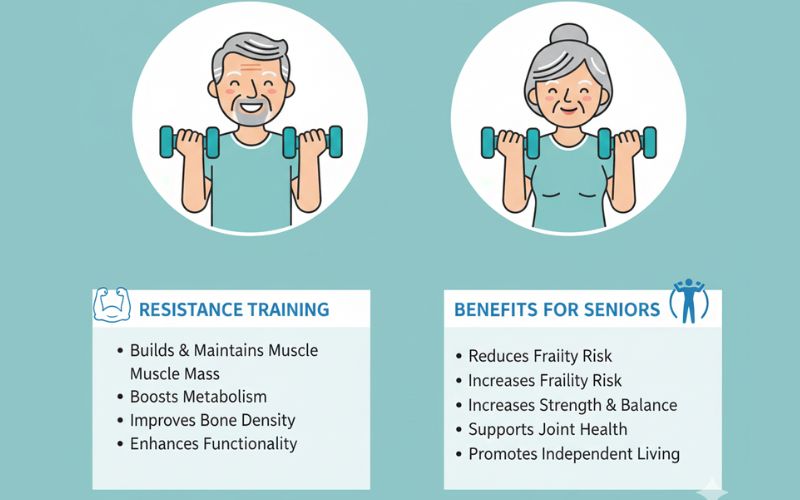
Protein alone cannot prevent sarcopenia. Resistance training is essential to signal muscles to grow stronger. Even light exercises using resistance bands, body weight, or machines can make a meaningful difference.
A simple routine of 2–3 sessions per week targeting major muscle groups is sufficient for most beginners.
Safety First: Who Should Be Cautious With Whey Protein
Whey protein is generally safe, but caution is needed if you have:
- Chronic kidney disease
- Severe lactose intolerance
- Certain medication interactions
Warning signs such as unexplained weight loss, weakness, or frequent falls should prompt medical evaluation.
How to Choose a High-Quality Whey Protein
Look for:
- At least 20–25 g protein per serving
- Low added sugar
- Third-party quality testing
- Easy mixability and mild flavor
Senior-friendly products prioritize digestibility over flashy ingredients.
Common Mistakes Older Adults Make
- Replacing meals with protein shakes
- Ignoring strength training
- Taking too little protein per serving
- Inconsistent daily intake
Avoiding these mistakes improves real-world results.
FAQs
Is whey protein safe after age 60 or 70?
Yes, for most healthy adults, when used appropriately. Whey protein helps maintain muscle mass, supports bone strength, improves recovery, and aids mobility in older adults when paired with light resistance exercise.
Can whey protein harm the kidneys?
Not in healthy individuals, but medical advice is necessary for kidney disease. Research shows normal protein intake doesn’t damage kidneys; however, people with kidney issues should follow doctor-recommended limits.
How long before results appear?
Strength and functional improvements may appear within 6–12 weeks when combined with exercise. Benefits include better muscle strength, balance, energy levels, and reduced age-related muscle loss with consistent intake.
Conclusion
Managing sarcopenia doesn’t stop at knowledge; it requires the right nutrition, consistent protein intake, and quality supplements you can trust. At Nutritional World, we provide authentic, lab-tested whey protein supplements designed to support muscle strength, recovery, and healthy aging.
Whether you’re an older adult, caregiver, or fitness beginner, choosing the right whey protein can make a meaningful difference in preserving mobility and independence.
Explore premium whey protein options at Nutritional World and support healthy aging the smart way.