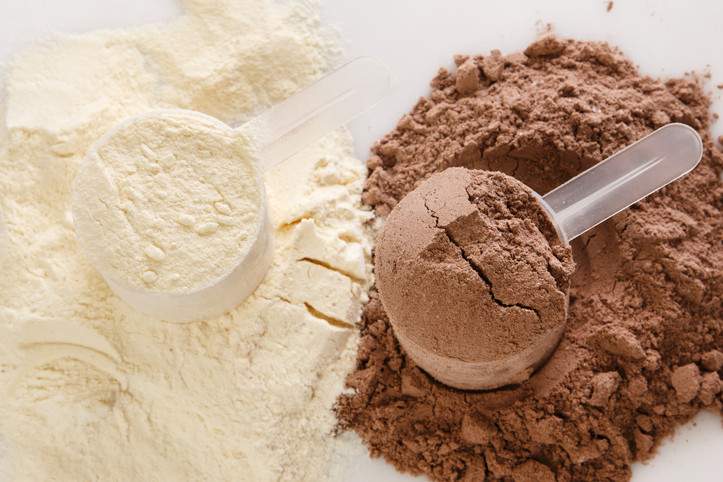














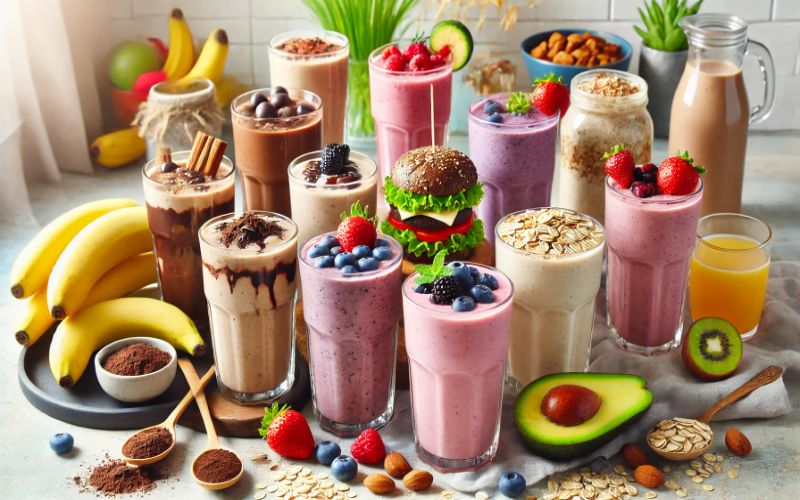
Protein shakes have become a trusted part of fitness and nutrition routines, particularly for individuals looking to gain weight in a structured and healthy way. These nutrient-dense beverages are not only convenient to prepare but also deliver a concentrated combination of protein, carbohydrates, and fats that whole food meals alone can sometimes fail to provide consistently.
For anyone struggling to meet their daily caloric needs through regular meals, protein shakes offer a practical and efficient solution. In Pakistan, as the supplement market continues to grow, many beginners research whey protein prices across brands before starting their weight gain journey to ensure they are investing in a quality product that matches their budget and goals.
Table of Contents
What Is Whey Protein and Why Does It Matter for Weight Gain?
Before building effective shake recipes, it is important to understand what type of protein you are working with and how each form behaves inside the body. Whey protein is a high-quality, complete protein derived from milk during the cheese-making process. It contains all nine essential amino acids, making it particularly effective for muscle repair and growth after resistance training.
Whey protein comes in three primary forms, each suited to slightly different goals and digestive needs:
- Whey Concentrate: Contains 70 to 80 percent protein alongside small amounts of fats and carbohydrates. It is the most affordable form and suits general weight gain and muscle building goals well.
- Whey Isolate: Highly refined with 90 percent or more protein and minimal lactose or fat. Ideal for those who are lactose intolerant or need a cleaner calorie profile.
- Whey Hydrolysate: Pre-digested for the fastest possible absorption and reduced allergen potential, making it well-suited for those with sensitive digestive systems or very high training frequency.
Benefits of Whey Protein Milkshakes for Muscle Growth
Understanding why whey protein milkshakes are so effective for weight gain helps you use them more strategically rather than treating them as a generic meal replacement. Several properties set whey-based shakes apart from other high-calorie options.
- Rapid Absorption: Whey protein digests quickly and delivers amino acids to muscle tissue fast, making it ideal for post-workout consumption when recovery is most active.
- High Biological Value: The superior amino acid profile of whey ensures efficient protein utilization by the body, meaning more of what you consume actually goes toward muscle repair and growth.
- Versatility: Whey protein milkshakes can be customized easily with fruits, oats, healthy fats, or dairy to increase calorie content, adjust flavor, and meet specific macronutrient targets.
How Protein Shakes Support Effective Weight Gain
Protein shakes deliver benefits that extend well beyond simply adding calories to your day. Each advantage plays a direct role in making your weight gain cleaner, more sustainable, and better directed toward muscle rather than fat.
- The primary benefit is their ability to deliver a concentrated dose of calories and protein in a single, quick serving, making it far easier to reach the caloric surplus required for consistent weight gain.
- Because whey is rapidly digestible, muscles receive a fast influx of nutrients post-workout at the precise moment they need it most for repair and growth.
- For those with busy schedules or limited time to prepare multiple full meals, shakes provide a quick and efficient way to increase daily caloric intake without complex preparation. This is one of the core reasons protein shakes work so well for busy people pursuing weight gain, since the barrier to consistent use is much lower than cooking additional meals.
- Protein shakes support dietary adherence by simplifying nutrition tracking and reducing the cognitive load of planning and preparing high-calorie meals every single day.
- High-quality protein content supports muscle hypertrophy by aiding the synthesis of muscle proteins after resistance training, promoting growth and strength over time.
- The anabolic environment created by consistent protein intake helps prevent muscle catabolism, ensuring that the work done in the gym translates directly into retained and added muscle mass.
Pakistani gym-goers increasingly compare whey protein value across brands to balance quality, authenticity, and cost before committing to a product for long-term use.
Nutritional Profile of Whey Protein Milkshakes
Knowing the typical macronutrient and micronutrient content of a well-made protein shake helps you plan your daily calorie targets accurately and avoid underestimating or overestimating what your shakes contribute to your total intake.
Macronutrient Breakdown
A typical whey protein milkshake provides a flexible macronutrient profile that can be scaled based on your individual calorie needs and training demands.
- Protein: 20 to 30g per scoop depending on the brand and type of whey used.
- Carbohydrates: 10 to 30g depending on added fruits, oats, or natural sweeteners. Complex carbohydrates from oats add slower-burning energy that sustains performance over longer periods.
- Fats: 2 to 15g depending on your choice of liquid, nut butter, or avocado. Healthy fats support hormone production and provide a dense, sustained calorie source.
Caloric Content
Whey protein milkshakes can range from 200 to over 600 calories per serving depending on ingredients and portion sizes. Those targeting weight gain should aim for higher-calorie blends by incorporating full-fat dairy, nut butters, and complex carbohydrates such as oats. Tracking your shake’s caloric content accurately is the foundation of any effective calorie surplus strategy.
Micronutrients
Beyond macronutrients, well-constructed protein shakes also contribute meaningful micronutrients that support overall health and recovery during a weight gain phase.
- Calcium and Potassium from milk and bananas, supporting muscle contractions and bone density.
- Vitamin B12, especially in dairy-based blends, supporting energy metabolism and red blood cell production.
- Magnesium and Iron from seeds, oats, or cocoa powder, supporting oxygen transport and muscle function.
Adding greens like spinach or superfoods like chia seeds further increases the micronutrient density of each shake without significantly changing the flavor or caloric content.
How to Choose the Right Protein Powder for Your Shakes
The protein powder you select forms the foundation of every shake you make, so choosing the right type for your goals and digestive tolerance is worth taking time over. Not all protein powders deliver the same experience or results.
Whey protein remains the most popular choice due to its high biological value and rapid absorption, making it the most effective option for post-workout consumption. Casein protein digests slowly and provides a sustained release of amino acids over several hours, which is beneficial for overnight muscle repair and for shakes taken before bed. Plant-based options such as pea or rice protein suit those with dairy allergies, lactose intolerance, or vegan dietary preferences and have improved significantly in quality and taste in recent years.
Always examine the full ingredient list for unnecessary fillers, artificial flavors, or excessive sweeteners that can reduce the overall quality of the product. Opting for powders with minimal and natural ingredients ensures you are maximizing the benefit of your supplement budget. Finally, consider taste and mixability since a powder that blends smoothly and tastes good is far more likely to be used consistently. Exploring the range of available brands and flavors from verified suppliers helps you find a product that meets your nutritional requirements and suits your palate over the long term. For detailed guidance on selecting the right whey protein for your goals, matching protein type to your training phase and digestive tolerance is the most important first step.
Basic Protein Shake Recipe for Weight Gain
A well-constructed basic shake provides a reliable and repeatable foundation for daily use. This recipe is designed to be simple to prepare, easy to adjust in terms of caloric content, and effective as both a post-workout recovery shake and a between-meal calorie booster.
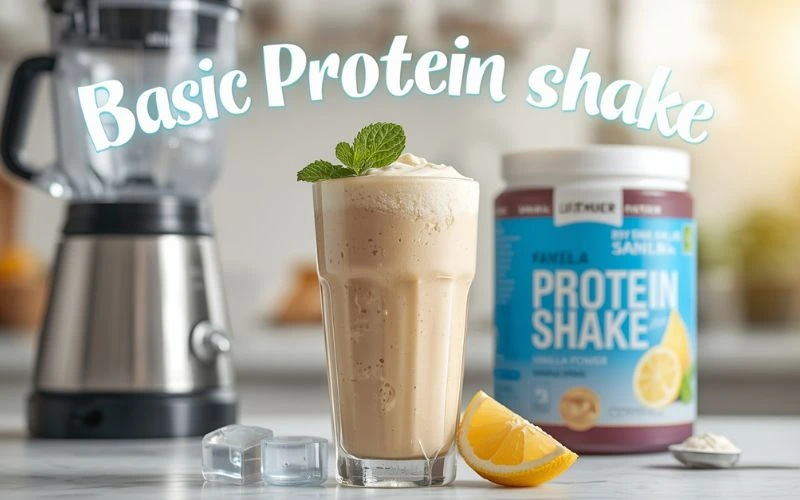
- 1 scoop of whey protein powder: Provides approximately 25 to 30g of protein and the essential amino acids needed for muscle repair and growth.
- 1 cup of whole milk or almond milk: Whole milk adds around 150 calories and 8g of protein, while almond milk contributes 30 to 50 calories and 1 to 2g of protein depending on the brand.
- 1 banana: Adds approximately 100 calories and natural sugars for quick energy, along with potassium which supports muscle function and reduces cramp risk.
- 2 tablespoons of peanut butter: Each tablespoon adds roughly 90 calories, totaling 180 calories, and contributes healthy fats and about 8g of additional protein.
- 1 tablespoon of honey: Adds approximately 64 calories and acts as a natural sweetener that also provides quick energy from simple sugars.
- Ice cubes (optional): Added to achieve the desired consistency and temperature.
Process: Blend all ingredients until smooth and creamy. This shake provides a balanced mix of protein, carbohydrates, and healthy fats, making it an ideal post-workout option or a meal supplement. The protein and carbohydrate combination supports muscle recovery and glycogen replenishment simultaneously, while peanut butter contributes healthy fats for hormone production and sustained caloric density.
Advanced Protein Shake Recipes for Serious Gainers
For those who want more variety in their shake routine or need significantly higher calorie content, these advanced recipes build on the basic formula with additional whole food ingredients that add nutrition, flavor, and meaningful calorie density.
Chocolate Avocado Shake
This rich, creamy shake uses avocado as its primary fat source, delivering a dense calorie hit alongside heart-healthy monounsaturated fats that provide long-lasting energy.
- 1 scoop chocolate protein powder: Adds 25 to 30g of protein.
- 1 avocado: Provides approximately 240 calories, 3g of protein, and 22g of healthy monounsaturated fats.
- 1 cup almond milk: Contributes 30 to 50 calories and 1 to 2g of protein.
- 1 tablespoon cocoa powder: Deepens the chocolate flavor with minimal added calories and provides antioxidants.
- 1 tablespoon maple syrup: Adds approximately 52 calories as a natural sweetener.
- Ice cubes: To blend to the desired consistency.
Process: Blend all ingredients until fully smooth. The avocado creates a thick, creamy texture and a substantial caloric boost that makes this shake effective for those needing to significantly increase their daily calorie total without relying on processed additives.
Berry Oat Shake
This shake combines antioxidant-rich berries with complex carbohydrates from oats and the probiotics of Greek yogurt, making it as beneficial for gut health and sustained energy as it is for muscle growth.
- 1 scoop vanilla protein powder: Adds 25 to 30g of protein.
- 1 cup mixed berries: Adds approximately 70 calories and is rich in antioxidants, vitamins, and dietary fiber.
- 1/2 cup rolled oats: Adds about 150 calories and 5g of protein, providing complex carbohydrates for sustained energy throughout the day.
- 1 cup Greek yogurt: Adds around 100 calories and 10g of protein, along with probiotics that support digestive health.
- 1 tablespoon chia seeds: Adds approximately 60 calories, 2g of protein, and 4g of fiber for additional satiety and omega-3 fatty acids.
- Water to blend: Adjust volume to achieve your preferred consistency.
Process: Blend all ingredients until smooth. This shake is packed with antioxidants and fiber, supporting digestion and providing a steady energy release over several hours. The Greek yogurt significantly boosts total protein content and adds a creamy texture, making it a strong breakfast option or post-training recovery shake. For more shake ideas that work well with Pakistani dietary habits, exploring creative whey protein smoothie combinations can help keep your routine varied and sustainable.
Tropical Delight Shake
This refreshing, fruit-forward shake is built around coconut water and tropical fruits, making it particularly useful for recovery in hot weather or after sessions where significant sweat loss occurs.
- 1 scoop coconut-flavored protein powder: Adds 25 to 30g of protein.
- 1 cup pineapple chunks: Adds approximately 80 calories and provides vitamin C and bromelain, which supports digestion and reduces post-exercise inflammation.
- 1/2 mango: Adds around 60 calories alongside a range of vitamins and natural sugars for quick energy.
- 1 cup coconut water: Contributes about 45 calories and natural electrolytes that support hydration and muscle function.
- 1 tablespoon flaxseeds: Adds approximately 37 calories and provides omega-3 fatty acids that support cardiovascular and joint health.
- Ice cubes: To blend to a chilled, refreshing consistency.
Process: Blend all ingredients until smooth. The combination of coconut water, pineapple, and flaxseeds makes this shake ideal for post-workout hydration and recovery, delivering electrolytes, vitamins, and essential fatty acids alongside a meaningful protein content.
Tips for Maximizing Weight Gain with Protein Shakes
Having great recipes is only part of the equation. How you use protein shakes within your broader diet and training plan determines whether they actually move the scale and build muscle in the right direction.
- Timing matters: Aim to consume a protein shake within 30 minutes of completing your workout to take full advantage of the post-exercise muscle protein synthesis window. For more on the most effective timing for whey protein intake, the post-workout window consistently shows the strongest evidence for muscle-building benefit.
- Integrate shakes into your meal plan: Use shakes to complement solid meals rather than replace them. A practical structure might be a morning shake alongside breakfast, a mid-afternoon shake between meals, and a post-workout shake after training.
- Maintain a consistent caloric surplus: Track your total daily calories to confirm you are reliably eating more than you burn. Without a sustained surplus, even the best shake routine will not produce meaningful weight gain. Tools like MyFitnessPal or Cronometer simplify this tracking significantly.
- Monitor and adjust every few weeks: Review your body weight and measurements every two to three weeks. If progress stalls, increase serving size or add another calorie-dense ingredient. If fat gain is too rapid, reduce portions slightly or cut one ingredient.
- Consider supporting supplements: Adding creatine or BCAAs that support muscle protein synthesis to your shakes can further enhance results when your protein intake and training are already consistent. Think of these as refinements rather than essentials at the start.
- Prioritize rest and recovery: Muscle is built during rest, not only during training. Adequate sleep of seven to nine hours per night and taking rest days seriously are as important as the shakes and training themselves for long-term weight gain results.
Best Times to Consume Protein Shakes for Weight Gain
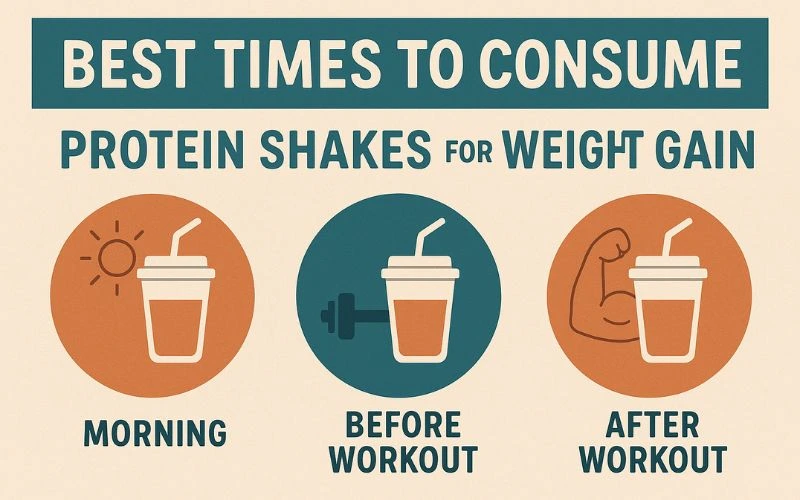
While total daily protein and calorie intake matter more than any single timing decision, strategically placing your shakes across the day helps you get more out of each serving.
Post-Workout
Drinking a whey protein milkshake within 30 minutes after resistance training helps maximize muscle protein synthesis during the recovery window. This period is particularly important for lean mass development because muscle tissue is most receptive to incoming amino acids immediately after training stress.
Between Meals
Using a shake as a calorie-dense snack between your main meals supports a consistent caloric surplus throughout the day. This is especially useful for individuals with smaller appetites who struggle to consume large volumes of food in a single sitting, since a liquid calorie source is generally easier to consume than additional solid food.
Before Bed
Opting for a casein-based or mixed-protein shake before sleep delivers a slow release of amino acids over six to eight hours, which supports overnight muscle repair and prevents muscle breakdown during the extended overnight fast. For those interested in how casein protein supports overnight muscle preservation, the slow-digesting dairy protein is specifically suited to this timing window.
Customizing Your Protein Shakes to Suit Your Preferences
One of the biggest practical advantages of protein shakes is how easily they can be tailored to personal taste, dietary requirements, and calorie targets. Keeping your shakes enjoyable over the long term is one of the most underrated factors in maintaining a consistent weight gain routine.
Flavor Variations
To avoid flavor fatigue across weeks of daily shake use, rotate these additions regularly:
- Fruits: Bananas, strawberries, mangoes, and blueberries all add natural sweetness and different micronutrient profiles.
- Spices and flavorings: Cinnamon, vanilla extract, and cocoa powder create depth of flavor without significant added calories.
- Liquids: Swapping water for almond milk, oat milk, or full-cream dairy adds both taste and meaningful calories to each serving.
Dietary Adjustments
Protein shakes can be adapted to meet a wide range of dietary needs without sacrificing caloric value or taste quality.
- Lactose-Free: Use plant-based protein powder and non-dairy milk such as almond, oat, or rice milk.
- Vegan: Choose pea, soy, or rice protein and confirm that all other ingredients, including sweeteners, are plant-sourced.
- Gluten-Free: Opt for certified gluten-free oats and verify that your protein powder does not use any gluten-containing additives.
Texture and Consistency
Texture preferences vary significantly between people, and finding the right consistency makes a shake more enjoyable to drink daily.
- Add Greek yogurt, nut butter, or avocado for a thicker, creamier result.
- Reduce liquid volume for a thicker shake or increase it for a lighter, easier-to-drink consistency.
- Include ice cubes or frozen fruit for a chilled, smoothie-style texture that works well in Pakistan’s warm climate year-round.
Incorporating Protein Shakes into a Balanced Diet
Protein shakes are most effective as a supplement to a solid, whole-food diet rather than a replacement for it. Understanding how to position shakes within your broader nutrition plan prevents the common mistake of relying on them too heavily.
Practical Meal Planning
A workable daily structure might look like a morning shake alongside a whole-food breakfast, two to three solid main meals throughout the day, and a post-workout shake after training. Logging your meals using a tool like MyFitnessPal or Cronometer helps you track caloric and macronutrient balance accurately and make adjustments before they affect your results.
Monitoring Progress
Track your body weight weekly and assess whether your current shake volume and ingredient choices are producing the desired rate of gain. If weight is not increasing, add calorie-dense ingredients such as nut butter or extra oats to your next shake. If fat gain feels too rapid, reduce portion sizes modestly and re-evaluate your total daily caloric surplus. For a broader approach to gaining weight cleanly while minimizing fat accumulation, adjusting your calorie source balance between shakes and whole foods is the most effective lever.
Common Mistakes to Avoid When Using Protein Shakes for Weight Gain
Even with the best recipes and ingredients, a few consistent mistakes can significantly slow progress or cause the results to go in the wrong direction. Being aware of these pitfalls from the start saves both time and money.
- Replacing whole meals with shakes: Protein shakes are designed to supplement your diet, not replace balanced solid meals. Whole foods provide fiber, vitamins, and phytonutrients that shakes alone cannot replicate.
- Choosing low-quality protein powders: Products with excessive fillers, artificial additives, and low actual protein content per serving waste your money and slow your progress. Always verify the protein content per gram of powder and check reviews from verified Pakistani buyers before purchasing.
- Overconsumption without balancing macros: Consuming very high protein without balancing carbohydrates and fats can lead to nutritional imbalance. Weight gain requires a surplus of total calories, not just protein.
- Ignoring portion sizes: Even healthy ingredients add up quickly. Measure peanut butter, oats, and milk accurately to keep your shake’s caloric content in line with your daily targets rather than guessing.
Frequently Asked Questions
These are the most commonly asked questions from Pakistani users who are starting to use protein shakes as part of a structured weight gain plan.
Q1: How many protein shakes should I drink per day for weight gain?
Most people benefit from one to two protein shakes per day as part of a diet that still includes solid meals. Start with one shake and assess how it fits into your total daily calorie target before adding a second. The goal is to reach a consistent caloric surplus, not to drink as many shakes as possible.
Q2: Can I use protein shakes to gain weight without going to the gym?
Protein shakes can help increase your calorie intake, which may lead to weight gain over time even without training. However, without resistance exercise, those additional calories are more likely to be stored as fat rather than muscle. Combining shakes with a progressive strength training routine produces far better body composition outcomes.
Q3: Which protein shake ingredients are best for maximum calorie content?
Full-fat dairy milk, peanut butter or almond butter, avocado, rolled oats, and banana are among the most calorie-dense whole food ingredients to add to a shake. Each adds meaningful calories alongside nutritional value, making them far preferable to simply adding sugar or flavored syrups.
Q4: Is it better to take a protein shake before or after a workout for weight gain?
Post-workout is generally the most effective timing for a whey protein shake because muscles are in an active recovery state and can efficiently use the incoming amino acids. A pre-workout shake can also be useful if you train fasted or have not eaten a solid meal within two hours of training.
Q5: Can I replace a meal with a protein shake when trying to gain weight?
Occasionally replacing a meal with a high-calorie shake is acceptable, particularly when time or appetite is limited. However, making it a regular habit is not advisable because whole foods provide dietary fiber, micronutrients, and satiety signals that shakes cannot fully replicate. Shakes work best as additions to a diet built around solid meals.
Q6: Are protein shakes safe for teenagers in Pakistan who want to gain weight?
High-quality whey protein shakes are generally safe for teenagers who are actively training and need additional protein and calories to support growth. It is advisable to start with half a serving to assess tolerance, ensure the product is from a verified halal-certified source, and consult a doctor or nutritionist if there is any underlying health concern before starting supplementation.