













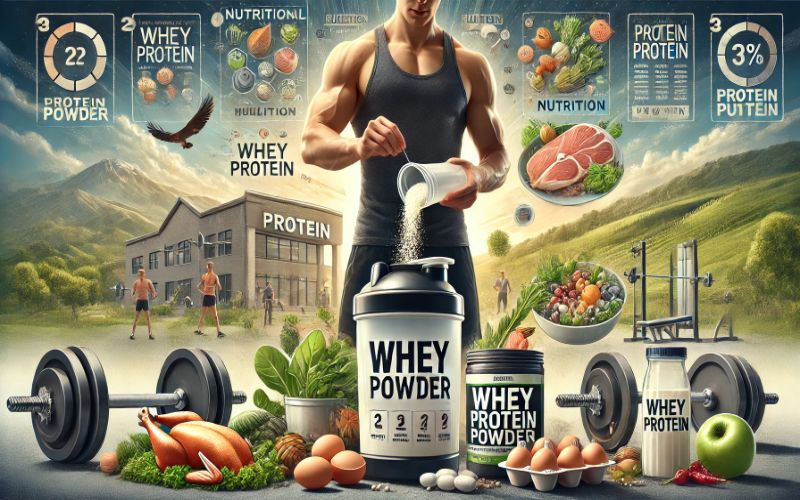
Whey protein is a powerhouse supplement that has become a staple in fitness and nutrition circles across the country. Derived from milk during the cheese-making process, it is prized for its rapid absorption and high content of essential amino acids, which are vital for muscle repair, strength development, and lean muscle growth. As demand continues to rise, many consumers actively search for the latest whey protein Pakistan price to find high-quality imported and locally available options that fit their fitness goals and budget.
But it is not just athletes who benefit. Anyone looking to maintain lean muscle, support faster recovery, or increase daily protein intake can reap the rewards of this scientifically backed supplement. In fact, before making a purchase decision, buyers often compare the whey protein supplement price in Pakistan to evaluate brand authenticity, protein purity, and value per serving. Beyond muscle building, whey protein also supports immune function, helps regulate blood sugar levels, and may contribute to improved heart health by assisting in blood pressure management.
In essence, whey protein is a versatile, research-supported supplement with wide-ranging health and performance benefits that extend far beyond the gym.
Table of Contents
Understanding Different Types of Whey Protein
Before working out how much you need, it helps to know that not all whey protein powders are the same. They vary in processing methods, nutrient content, and absorption speed. Understanding the types of whey protein available can help you choose the best one for your goals and dietary preferences.
Types of Whey Protein:
- Whey Protein Concentrate (WPC): Contains around 70 to 80% protein along with small amounts of lactose and fat. It retains more beneficial compounds found in whole whey.
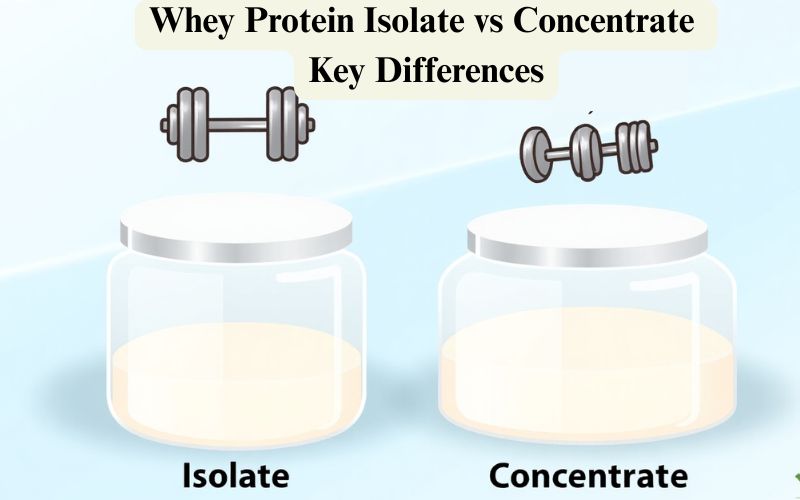
- Whey Protein Isolate (WPI): Contains 90% or more protein and minimal lactose and fat. Ideal for those who are lactose-sensitive or prefer a leaner product. This comparison of how isolate and concentrate differ goes into more detail on which suits your goals.
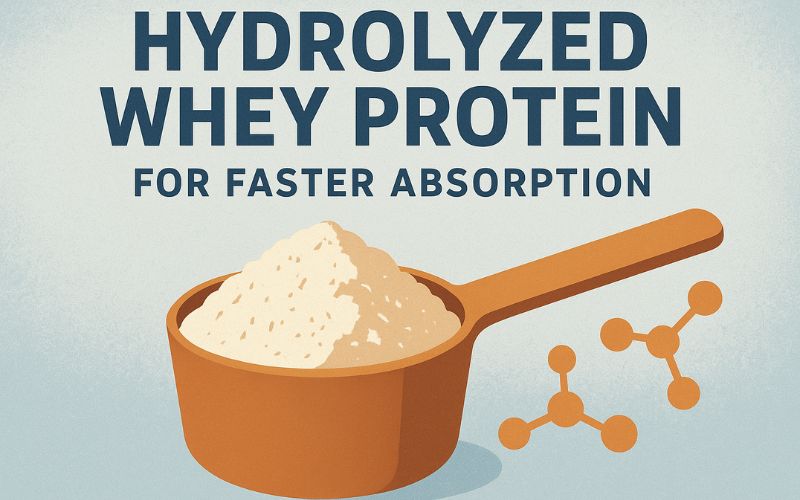
Whey Protein Hydrolysate (WPH): Pre-digested for faster absorption. It is often used in clinical settings or for people with digestive issues.
Factors That Influence Whey Protein Intake
With the types covered, the next question is how much of any of them you actually need. There is no one-size-fits-all answer when it comes to how much whey protein you should consume daily. Various factors come into play, including your age, activity level, dietary needs, and fitness goals.
- If you are a sedentary individual, your protein requirements will be vastly different from those of an athlete or someone undergoing intense strength training.
- Similarly, your intake might change if you are looking to lose weight or gain muscle mass. Even your body weight and metabolic rate will influence how much protein your body can efficiently use.
These factors make it essential to tailor your protein intake to your specific lifestyle and objectives.
Daily Protein Requirements: General Guidelines
With those individual factors in mind, here are the general benchmarks most experts point to. To get a rough estimate of how much protein you need, experts often recommend 0.8 grams of protein per kilogram of body weight for sedentary individuals. However, for those with active lifestyles, especially athletes and bodybuilders, the recommendation can rise to 1.6 to 2.2 grams per kilogram.
Given that a quality whey protein supplement is typically added on top of your daily diet, it is important to calculate how much you are already getting from food before adding shakes or powders. Over-supplementing can lead to unnecessary caloric intake, which could counteract weight loss or lean muscle goals.
Whey Protein for Muscle Gain
Beyond general benchmarks, muscle gain specifically comes with its own protein targets worth knowing. Building muscle requires more than just hitting the gym hard, it requires proper nutrition, with protein playing a central role. Whey protein is especially effective for muscle hypertrophy because it is rapidly absorbed and packed with leucine, the amino acid that triggers muscle protein synthesis.
Research suggests that individuals looking to gain muscle should aim for around 1.6 to 2.2 grams of protein per kilogram of body weight, spread out across the day. Consuming 20 to 30 grams of whey protein post-workout can help maximize muscle repair and growth, ensuring that the body has the necessary building blocks to recover from intense training.
Whey Protein for Weight Loss and Fat Management
On the other end of the goal spectrum, whey protein is not just for those bulking up. It is also a valuable tool for individuals looking to shed pounds while preserving lean muscle mass.
- High-protein diets are known to increase satiety, helping people feel fuller for longer, which in turn can reduce overall calorie intake.
- Whey protein isolate, with its low fat and carbohydrate content, fits seamlessly into a calorie-controlled diet. It also helps maintain muscle mass during weight loss, which is crucial for keeping metabolism high, a mechanism explained further in this look at whey protein’s role in fat loss.
- For weight loss, it is generally recommended to consume around 1.2 to 1.8 grams of protein per kilogram of body weight, with whey protein contributing to this total in the form of snacks or meal replacements.
Optimal Timing for Whey Protein Consumption
Knowing how much to take is only half the picture, since when you take it also matters. When you take whey protein is almost as important as how much you take. Strategic timing can enhance the supplement’s effectiveness and support specific fitness objectives.
Best Times to Take Whey Protein
- Post-Workout: Within 30 to 60 minutes after exercise is the most effective window to consume 20 to 30 grams for muscle recovery and growth.
- Before Bed: A protein shake before sleeping supports overnight muscle repair, particularly helpful for older adults and those in intense training phases.
- Between Meals: Drinking a protein shake between meals helps curb hunger and maintain energy, especially useful for weight loss and appetite control.
Whey Protein for Special Populations
Timing aside, it is also worth flagging that not everyone should follow the same intake advice. While whey protein is beneficial for most people, certain groups should consider specific guidelines to use it safely and effectively.
Key Considerations:
- Pregnant and Lactating Women: Protein needs increase, and whey can be a convenient and safe way to meet them when used with medical guidance. This overview of whey protein’s benefits for women covers additional considerations worth knowing.
- Individuals with Kidney Conditions: Although healthy individuals tolerate high protein intake well, those with kidney disease should limit protein intake and consult a healthcare provider.
Vegetarians and Semi-Vegetarians: Whey protein is suitable for lacto-vegetarians. Those avoiding dairy should opt for plant-based protein alternatives like pea, soy, or rice protein.
Potential Risks of Overconsumption
With special populations covered, it is worth addressing what happens when anyone, regardless of group, takes in too much. While protein is vital, more is not always better. Excessive whey protein consumption can lead to digestive issues such as bloating, cramps, and diarrhea, especially in individuals who are lactose intolerant.
There is also the risk of overloading the kidneys, which are responsible for filtering the byproducts of protein metabolism. Though this concern is more relevant for individuals with pre-existing kidney conditions, it is important to be mindful of how much protein you are consuming.
High doses of whey protein could also lead to weight gain if not accounted for in your total daily calorie intake. Moderation and balance are key.
How to Incorporate Whey Protein Into Your Diet

Incorporating whey protein into your daily routine can be simple and flexible. It is most commonly used as a post-workout shake, but it can also be added to meals and snacks throughout the day.
- Post-Workout Shake: The most common use is mixing whey protein with water or milk for a quick post-exercise recovery boost.
- Smoothie Add-In: Enhance the nutritional value of your smoothies by blending whey protein with fruits, vegetables, and other healthy ingredients.
- Oatmeal or Porridge: Stir a scoop of whey protein into your morning oats or porridge to increase your protein intake without changing the flavor too much.
- Yogurt Mix: Add whey protein powder to Greek yogurt for a thicker, more protein-rich snack.
- Baking: Incorporate whey protein into recipes like pancakes, muffins, or protein bars, boosting their nutritional content.
- Protein-Rich Snacks: Use whey protein to make homemade protein balls, bites, or energy bars.
- Meal Replacement: Whey protein shakes can serve as a meal replacement when paired with other nutritious ingredients like fruits, nuts, or seeds.
- Soup or Sauce Thickener: Blend whey protein into soups or sauces to increase protein content while maintaining the dish’s texture.
Finding the Right Balance: Individualized Whey Protein Intake
Ultimately, how much whey protein you should consume depends on your personal goals and lifestyle. For most people, 20 to 30 grams of whey protein post-workout or as part of a balanced meal is sufficient to meet daily protein requirements.
However, this can vary widely depending on whether you are trying to lose weight, gain muscle, or simply maintain your health. The key is to monitor your body’s response and adjust accordingly, while ensuring you are also getting a variety of other nutrients from whole foods. If you are still deciding which product to buy, this guide to choosing the right whey protein for your needs and this checklist for spotting original versus fake whey protein in Pakistan are both worth reading before you buy.
Finding that balance between food and supplementation will help you optimize your intake for the best results, whatever your fitness journey entails.
Frequently Asked Questions
To close out, here are quick answers to the questions people ask most often about daily whey protein intake.
How much whey protein should I take per day?
Most people benefit from 20 to 30 grams per serving, once or twice daily, depending on activity level and overall dietary protein intake. Active individuals and athletes often need 1.6 to 2.2 grams of total protein per kilogram of body weight daily, with whey protein supplementing what they get from food.
Can I take whey protein even if I am not trying to build muscle?
Yes. Whey protein supports general health, immune function, and satiety, making it useful for weight management and everyday nutrition, not just muscle building.
Is it bad to take whey protein without working out?
No, but the calories should be accounted for in your total daily intake. Without exercise, protein still supports muscle maintenance and satiety, though the muscle-building benefits are more pronounced when paired with resistance training.
Does whey protein cause weight gain if I do not need it?
It can, if the added calories are not accounted for. Whey protein itself is not fattening, but consuming more calories than your body uses, from any source, including protein shakes, will lead to weight gain over time.
Can I split my whey protein intake across multiple smaller doses?
Yes. Splitting intake into two or three smaller servings across the day, rather than one large dose, can support steady muscle protein synthesis and is often easier on digestion for many people.