














Poor blood flow is a common issue today, leading to cold hands and feet, fatigue, slow recovery, and reduced exercise performance. One supplement often discussed for supporting healthy circulation is L-arginine, an amino acid known for boosting nitric oxide. But does it really work? This article breaks down the scientific benefits, risks, dosage, and alternatives based on expert-backed, people-first information.
Table of Contents
What Is L-Arginine?
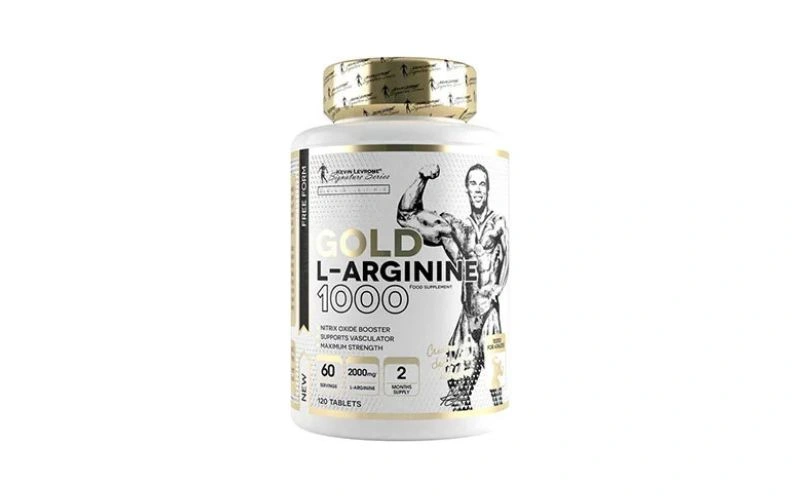
L-arginine is a semi-essential amino acid that plays a major role in forming nitric oxide (NO) , a gas that relaxes and widens blood vessels. When arteries relax, blood flows more freely, improving oxygen and nutrient delivery throughout the body. Because of this vasodilation effect, L-arginine is often studied for circulation, heart health, and exercise support.
Benefits of L-Arginine for Circulation
Research suggests L-arginine may help improve circulation by:
- Increasing nitric oxide levels, leading to wider blood vessels
- Reducing stiffness in arterial walls, supporting healthier blood flow
- Improving circulation to hands, feet, and extremities
- Enhancing exercise performance by increasing oxygen supply
- Supporting mild blood pressure regulation in some individuals
People with poor peripheral circulation or those who experience numbness and cold extremities may notice improvements when L-arginine is used consistently.
How L-Arginine Improves Blood Flow: Nitric Oxide Pathway Explained
L-arginine is converted into nitric oxide through the endothelial nitric oxide synthase (eNOS) pathway. Nitric oxide then signals blood vessels to relax and widen a process known as vasodilation. This allows more blood to travel through arteries with less resistance.
For this reason, L-arginine is included in many heart health, circulation, and pre-workout supplements.
L-Arginine vs. L-Citrulline: Which Is Better for Circulation?
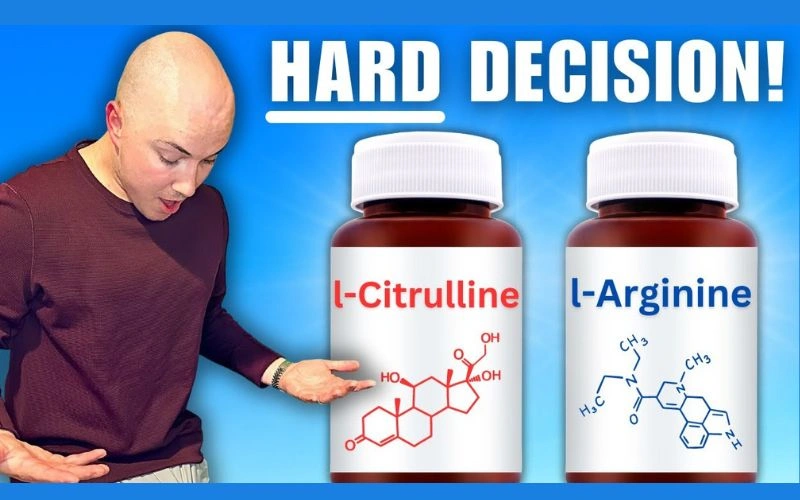
Although L-arginine directly boosts nitric oxide, L-citrulline may raise arginine levels more effectively because it is absorbed better.
- Best for quick, short-term circulation boost: L-arginine
- Best for long-term nitric oxide support: L-citrulline
Many advanced circulation supplements combine both for maximum effectiveness.
Who Can Benefit the Most from L-Arginine for Circulation?
L-arginine may be especially helpful for individuals with poor peripheral circulation, people experiencing cold hands and feet, athletes seeking better blood flow and endurance, adults with mild blood pressure concerns, and anyone looking to support overall vascular health. However, it is not a treatment for medical conditions and should be used only as part of a balanced, healthy lifestyle.
Side Effects and Precautions
Most people tolerate L-arginine well, but some may experience bloating, gas, digestive discomfort, low blood pressure, headaches, or, in rare cases, worsening asthma symptoms. It is important to avoid taking high doses without medical supervision, as excessive nitric oxide can lead to unwanted drops in blood pressure.
Who Should Limit or Avoid Taking L-Arginine Supplements?
L-arginine may not be suitable for:
- People with very low blood pressure
- Individuals taking blood pressure or nitrate medications
- Anyone with a history of herpes outbreaks (it may trigger flare-ups)
- People recovering from a recent heart attack
- Pregnant or breastfeeding women unless medically advised
Always speak to a healthcare provider if you have a medical condition.
Dosage and How to Take L-Arginine for Circulation

Typical dosages used in studies:
- 2–6 grams per day, divided into two doses
- Best taken on an empty stomach for absorption
- For circulation support: 3–5 grams before exercise or once daily
- For long-term vascular health: smaller daily doses may be enough
Improvements in circulation may appear within 1–2 weeks, but results vary.
Interactions
L-arginine may interact with:
- Blood pressure medications
- Nitrate medications for chest pain
- Erectile dysfunction drugs (e.g., sildenafil)
- Other vasodilators or nitric oxide boosters
Combining these may cause excessive drops in blood pressure.
Storage and Handling
Store L-arginine:
- In a cool, dry place
- Away from moisture and direct sunlight
- Tightly sealed to preserve potency
Powders should be kept away from humidity to avoid clumping.
Alternatives to L-Arginine for Circulation
If L-arginine is not suitable, consider these evidence-based alternatives:
- L-citrulline (more effective nitric oxide booster)
- Beetroot juice or capsules
- Omega-3 fatty acids
- Dark leafy greens high in nitrates
- CoQ10 for heart and blood vessel support
These alternatives may provide equal or better benefits depending on the goal.
Common Mistakes to Avoid When Using L-Arginine
- Taking it with food (reduces absorption)
- Using too low or too high a dose
- Expecting overnight results
- Not checking interactions with medications
- Ignoring lifestyle factors like hydration and exercise
FAQs About L-Arginine for Circulation
Q: How long does L-arginine take to work?
Most people begin noticing improvements in blood flow within 1–2 weeks of consistent use. Results vary based on dosage, lifestyle, circulation issues, and supplement quality. Regular intake supports better outcomes.
Q: Is L-arginine safe for long-term use?
L-arginine is generally safe for long-term use in healthy adults when taken in moderate, recommended doses. However, individuals with medical conditions should consult a healthcare professional to ensure safety and avoid interactions.
Q: Can I take L-arginine every day?
Yes, you can take L-arginine daily as long as you follow the recommended dosage and pay attention to how your body responds. Consult a doctor if you use medications or have health concerns.