













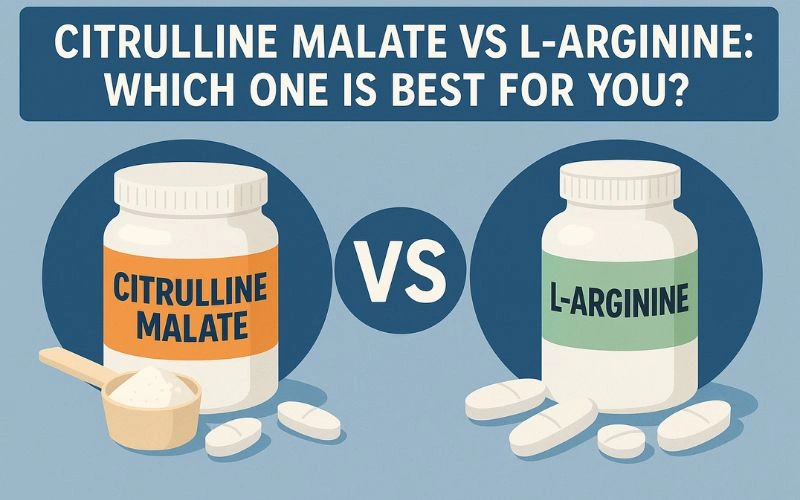
When it comes to pre-workout performance, improved pumps, and enhanced endurance, athletes often compare Citrulline Malate vs L-Arginine to decide which amino acid supplement fits their training goals best. Both supplements support nitric oxide production, blood flow, and muscle performance, but they work differently inside the body. Understanding their benefits, mechanisms, and best uses can help you choose the right supplement for your training goals.
This guide breaks down everything you need to know about Citrulline Malate vs L-Arginine, using science-backed insights and real-world effectiveness to help you make an informed choice.
Table of Contents
How Citrulline Malate Works
Citrulline Malate combines the amino acid L-citrulline with malic acid, and the two work together in a way that makes the whole more effective than either compound alone. This combination enhances nitric oxide production and supports ATP generation in the body. This synergistic effect improves blood flow, increases energy availability, delays muscle fatigue, and ultimately boosts overall workout performance, endurance, and training capacity. You can see the full Citrulline Malate product details here.
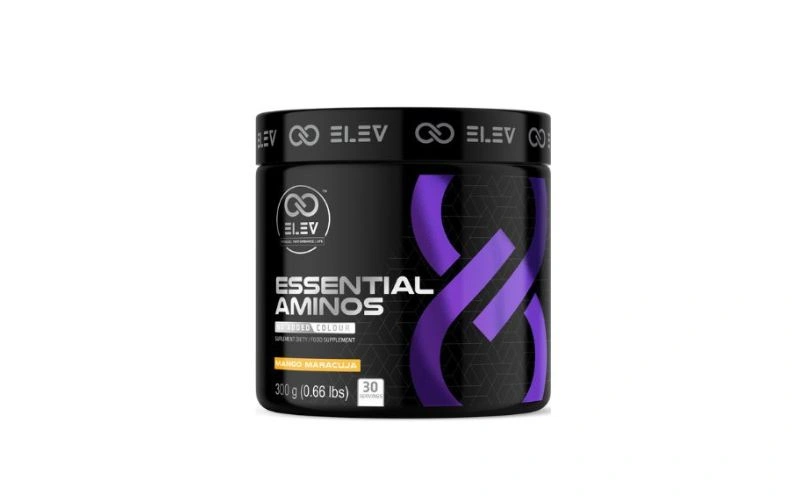
Key benefits of Citrulline Malate
Here’s what athletes typically notice once Citrulline Malate becomes a regular part of their pre-workout routine:
- Improved blood flow and muscle pumps
- Better endurance and reduced fatigue
- Enhanced ATP production for energy
- Greater oxygen delivery during workouts
- Potential reduction in post-workout soreness
Citrulline Malate is known for being easily absorbed and efficiently converted into L-arginine inside the body, making it one of the most reliable nitric oxide boosters for athletes.
This makes it a strong contender when comparing Citrulline Malate vs L-Arginine in terms of performance outcomes.
How L-Arginine Works
L-Arginine takes a more direct route than citrulline does. It’s an amino acid that converts straight into nitric oxide (NO) in the body, and nitric oxide widens blood vessels, improving circulation and nutrient delivery to working muscles. You can view a standard L-Arginine supplement option here.
Key benefits of L-Arginine
L-Arginine’s benefits center mostly around circulation and general vascular support:
- Direct nitric oxide production
- Improved blood flow to muscles
- Potential support for heart health
- Enhanced recovery ability
While L-Arginine has a straightforward role in NO production, its absorption and bioavailability can be limited due to breakdown in the digestive system. Because of this, some athletes find its effects weaker compared to Citrulline Malate.
Citrulline Malate vs L-Arginine: Which Is More Effective?
When comparing Citrulline Malate vs L-Arginine, research consistently shows that citrulline is more effective for nitric oxide enhancement, pumps, and performance. Here’s why.
1. Better Absorption
Absorption is where the two supplements diverge the most. Citrulline bypasses the digestive breakdown that affects arginine. After absorption, the body converts it back into arginine, but more efficiently than taking arginine directly.
2. Longer-Lasting Pumps
How long the effect lasts matters just as much as how strong it is. Citrulline maintains elevated arginine levels in the bloodstream longer, resulting in sustained nitric oxide production and better workout pumps.
3. Enhanced Endurance
The malate half of the compound does more work than people usually expect. Malate plays a role in boosting the Krebs cycle, supporting ATP production and reducing muscle fatigue.
4. Stronger Research Support
The evidence isn’t close to a coin flip either. Multiple studies show that citrulline outperforms arginine in both nitric oxide levels and exercise performance markers.
This is why, in the debate of Citrulline Malate vs L-Arginine, many fitness experts recommend citrulline for athletes, powerlifters, and endurance trainers.
Best Uses for Each Supplement
Citrulline Malate is best for pumps and endurance, while L-Arginine is ideal for nitric oxide support and circulation.
When to Choose Citrulline Malate
You should consider Citrulline Malate if your goal is:
- Bigger and longer-lasting pumps
- Better endurance during training
- Faster recovery
- Reduced post-workout soreness
- Improved strength output
- Long-term performance enhancement
This makes it ideal for pre-workout formulas and strength-focused athletes.
When to Choose L-Arginine
L-Arginine may be more suitable if your goals include:
- Direct nitric oxide boost
- Mild blood flow enhancement
- Cardiovascular support
- Short-term circulation improvements
- General wellness supplementation
While it may not produce pumps as strong as citrulline, it can still support vascular health and light training.
Recommended Dosages
Dosage strategy differs noticeably between the two, largely because of their absorption differences. In general, Citrulline Malate is used at 6 to 8 grams pre-workout, while L-Arginine is typically used at 3 to 6 grams daily.
Citrulline Malate
- 6 to 8 grams taken 30 to 45 minutes before a workout. This dosage is widely studied and proven effective for performance enhancement.
L-Arginine
- 3 to 6 grams taken 30 to 45 minutes before a workout. Higher doses may be needed due to lower bioavailability, but tolerance varies by individual.
Using the right dosage matters greatly in the comparison of Citrulline Malate vs L-Arginine because citrulline typically offers stronger results at recommended levels.
Can You Take Both Together?
Yes, combining Citrulline Malate and L-Arginine may enhance nitric oxide production even further. Some pre-workouts use both to maximize blood flow. However, most athletes prefer citrulline alone due to its superior absorption and long-lasting effects.
If stacking, reduce doses slightly to avoid digestive discomfort.
Side Effects to Consider
Both supplements are generally safe, but mild side effects may include:
- Stomach discomfort
- Bloating
- Nausea (more common with arginine)
- Headache from high nitric oxide levels
Citrulline is typically better tolerated and has fewer digestive issues.
Conclusion: Which One Should You Choose?
When comparing Citrulline Malate vs L-Arginine, the winner for most athletes is clear: Citrulline Malate. It offers better pumps, improved endurance, enhanced blood flow, and superior bioavailability. While L-Arginine has benefits, especially for general circulation and wellness, it simply doesn’t perform as strongly in workout settings.
If you’re ready to elevate your training, enhance muscle pumps, and unlock higher performance, explore high-quality supplements at Nutritional World, your trusted source for sports nutrition in Pakistan.
FAQs
Here are quick answers to the questions people ask most often when comparing these two supplements.
Which is better for muscle pumps: Citrulline Malate or L-Arginine?
Citrulline Malate generally supports nitric oxide production more effectively by increasing arginine availability. However, individual responses vary, and research on direct performance benefits remains mixed.
Can beginners take Citrulline Malate and L-Arginine?
Beginners may use either supplement, but suitability depends on health conditions, medications, and dosage. Start cautiously and consult a healthcare professional when necessary.
Is it safe to combine Citrulline Malate and L-Arginine?
Combining both may increase nitric oxide availability, but additional benefits are uncertain. Consult a healthcare professional before stacking them, especially when taking blood pressure medications.
Which supplement improves endurance more?
Citrulline Malate may help reduce perceived exertion during certain workouts. However, evidence for improved endurance is mixed, and results depend on exercise type and individual response.
Are there natural food sources of Citrulline Malate and L-Arginine?
Watermelon naturally contains citrulline, while nuts, seeds, meat, and legumes provide arginine. These foods support normal nutrition but may not deliver supplement-level amounts.