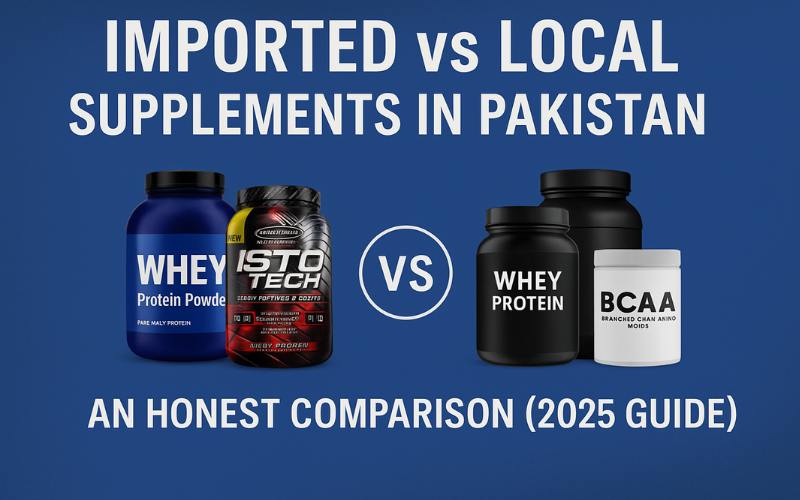










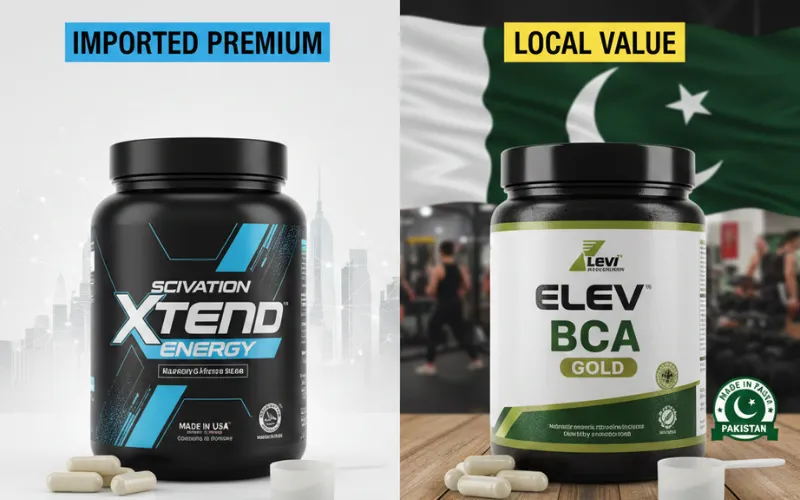
Choosing between imported and local amino acid supplements in Pakistan is one of the most common dilemmas faced by gym-goers, athletes, and fitness enthusiasts across the country. With international brands now widely available alongside a growing number of homegrown manufacturers, picking the right amino acid product is no longer just about price. It also comes down to ingredient quality, formulation, purity, and how well an option fits your training goals and budget.
Pakistan’s supplement market has changed considerably over the last few years. Local companies have improved their manufacturing processes, while imported brands remain easy to access through online stores and authorized retailers. This guide compares both categories in detail so you can decide which amino acid supplement suits your fitness journey best.
Table of Contents
Why Amino Acids Matter for Muscle Recovery and Growth
Before comparing brands, it helps to understand why amino acids are worth supplementing in the first place. Amino acids form the building blocks of protein and play a direct role in muscle repair and recovery. For anyone training intensely, regaining strength after demanding workouts often depends on how quickly the body can rebuild muscle tissue, a process amino acids support by limiting breakdown and speeding up repair.
Out of the 20 amino acids the body uses, nine are classified as essential, meaning they cannot be produced internally and must come from food or supplements. Branched-chain amino acids (BCAAs) and essential amino acids (EAAs) are the most widely used forms in the fitness community because of their well documented role in preserving muscle and supporting performance. Whole foods can help too, and pairing supplements with naturally amino acid rich foods rounds out daily intake without relying on powders alone.
What Gives Imported Amino Acid Brands an Edge
Imported amino acid products carry a premium price tag in Pakistan, and that cost usually reflects a few specific advantages worth understanding before deciding if they are worth the extra spend.
Stricter Manufacturing and Testing Standards
Most international amino acid lines come from companies operating under tight regulatory oversight in their home markets. Brands such as Optimum Nutrition, MuscleTech, and Scivation follow FDA or EU aligned guidelines, which means every batch goes through third party testing for purity and contamination before it reaches shelves. This kind of oversight also matters for buyers who specifically look for supplements with verified halal certification.
Research Driven Formulations
Large international manufacturers invest heavily in product development, and it shows in the formulas they release. Scivation Xtend BCAA uses the well studied 2:1:1 ratio of leucine, isoleucine, and valine, often paired with citrulline malate, electrolytes, and glutamine for added recovery support.
How Local Amino Acid Brands Have Caught Up
While imported products still lead the premium segment, Pakistani manufacturers have closed much of the gap in recent years, giving budget conscious buyers genuinely solid alternatives.
Lower Cost Without Skipping the Essentials
Local amino acid products typically run 40 to 60 percent cheaper than their imported counterparts. That difference matters most for beginners or anyone trying to stay consistent on a tight budget. Names like Elev and Sanaxium Nutrition have earned a decent reputation for offering dependable quality without the imported price tag.
Gradually Rising Quality Standards
A number of local manufacturers now source raw materials from international suppliers and have tightened their internal quality checks. Some have secured certifications from Pakistani regulatory bodies, although enforcement still trails behind international norms. If you are choosing a local brand, look for one that shares lab results and discloses where its raw materials come from, and verify halal friendly BCAA options directly with the manufacturer rather than assuming.
Imported Vs Local Amino Acids: A Side by Side Comparison
Price alone should not decide which amino acid supplement you buy. The table below breaks down the factors that actually separate imported and local options in Pakistan.
| Factor | Imported Amino Acid Brands | Local Amino Acid Brands |
| Ingredient Quality | Pharmaceutical grade amino acids sourced from the US, Europe, or Japan | Varies by manufacturer; some use imported raw materials |
| Quality Control & Testing | Strict third party testing and international certifications | Limited testing, improving standards in reputable brands |
| Purity & Potency | Very high purity and accurate dosages | Moderate to good, depends on brand |
| Formulation Type | Advanced BCAA & EAA blends with added electrolytes, glutamine, and citrulline | Mostly basic BCAA and some EAA formulas |
| Absorption & Bioavailability | Excellent due to superior processing | Good in reputable brands |
| Taste & Mixability | Excellent flavors and fast dissolving | Average to good |
| Price Range | High | Low to mid |
| Cost Per Serving | Higher | More affordable |
| Risk of Counterfeits | High if purchased from unauthorized sellers | Low |
| Availability in Pakistan | Widely available through supplement stores and online | Easily available |
| Halal Certification | Usually clearly certified | Available but must be verified |
| Best For | Competitive athletes and serious lifters | Beginners and budget conscious users |
| Long Term Consistency | Expensive for daily use | Easier to sustain |
| Value for Money | High for performance focused users | High for affordability focused users |
BCAA Vs EAA: Which Formula Fits Your Goals
Once you have settled on a budget range, the next decision is choosing between a BCAA or EAA formula, since the two are not interchangeable. Knowing how BCAA and EAA formulas differ for recovery will help you pick a product that actually matches what you are training for.
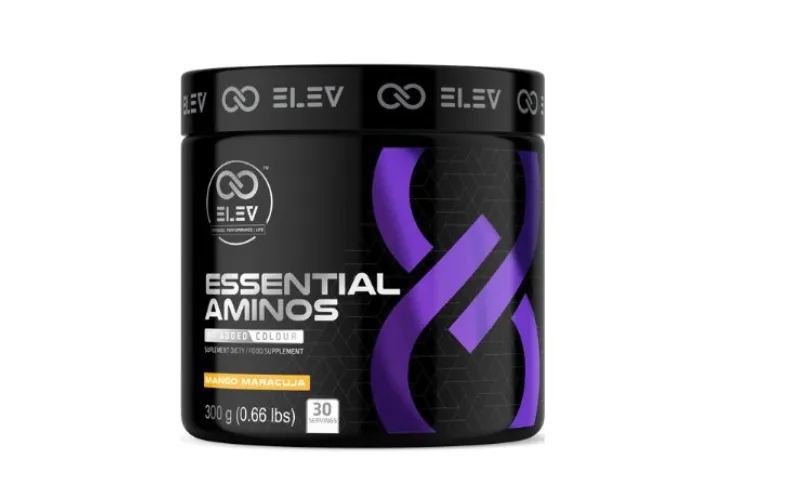
BCAAs cover only three amino acids, leucine, isoleucine, and valine, which are especially effective at limiting muscle breakdown during training and speeding up recovery afterward. EAAs go further by supplying all nine essential amino acids, giving more complete support for muscle protein synthesis. A product like Elev Essential Aminos is built around this broader EAA profile. Both imported and local brands now sell EAA blends, though imported versions generally use higher grade ingredients with better absorption.
Standout Imported and Local Amino Acid Products
Based on feedback from gym-goers across Pakistan, a handful of products consistently stand out in both the imported and local categories.
Top Imported Picks
For lifters who want a premium option, Scivation Xtend Energy BCAA blends BCAAs with natural caffeine for an energy lift during training, plus added electrolytes for hydration and recovery, which is part of why trainers recommend it often.
Another strong choice is Optimum Nutrition Essential Amino Energy, which combines amino acids with a mild energy boost in a formula flexible enough to use any time of day. It comes in several flavours and mixes easily into water or a pre-workout drink for fast absorption.
Best Local Value Picks
Among local options, Elev BCAA Gold delivers solid quality at a fraction of imported pricing, making it a practical starting point for beginners who want to supplement consistently without overspending. It mixes easily and supports steady muscle repair without straining the budget.
Elev BCAA Pro steps things up with added electrolytes for hydration plus Vitamin B6 to support amino acid metabolism, which suits longer training sessions or endurance work where sustained energy matters more.
Getting the Most Out of Your Amino Acid Supplementation
Picking the right brand is only half the equation. Timing and dosage matter just as much, and using amino acids correctly around your training can noticeably improve how much benefit you actually get from them.
Most coaches recommend 5 to 10 grams of BCAAs or EAAs around your workout window. Deciding between pre and post workout supplementation comes down to your goal, taking aminos beforehand helps limit muscle breakdown during training, while taking them afterward supports recovery and protein synthesis. Some athletes also sip on amino acids during fasted cardio to protect muscle while still burning fat.
Watching Out for Counterfeit Supplements
Counterfeit products remain one of the biggest risks in Pakistan’s supplement market, especially around well known imported names. Knowing how to spot counterfeit imported supplements protects both your health and your money.
Stick to authorized retailers with traceable supply chains, and check packaging quality, holographic seals, and batch numbers against the manufacturer’s official website. Local brands face fewer counterfeiting problems since their margins are lower, though batch to batch consistency can still vary, so it pays to stay loyal to manufacturers with a proven track record.
Which Option Actually Fits You
There is no universal answer to the imported versus local debate, since the right choice depends on your goals, budget, and training stage. A quick framework can make the decision easier.
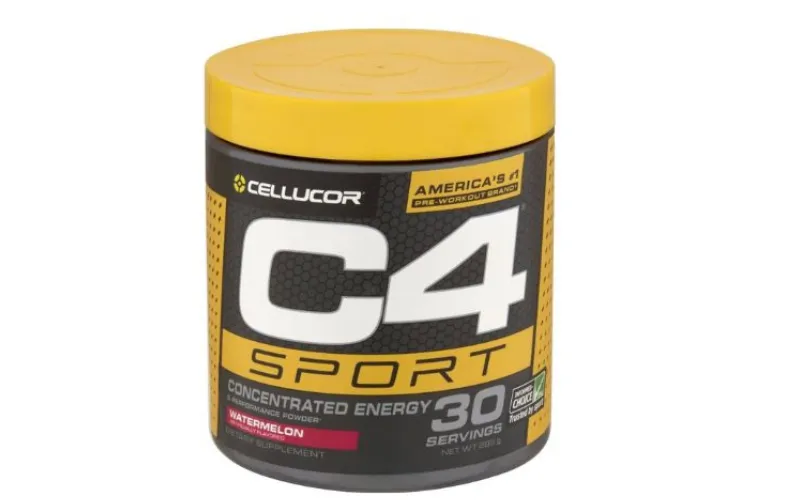
Imported brands make more sense if you compete seriously, need maximum purity, have the budget for premium pricing, or want a specific advanced formulation that local brands do not offer yet. Established names such as Cellucor and BSN back this up with years of research and consistent quality control.
Local brands are the better fit if you are new to supplementation, working with a limited budget, or simply prioritizing other products in your stack over amino acids. A well reviewed local option, browsed through Pakistan’s full range of supplement brands, can still deliver solid results as long as you stay consistent with it.
Final Thoughts
The imported versus local debate is not really about crowning one side the winner. Both categories serve different needs within Pakistan’s fitness community. Imported amino acid brands generally win on quality control, advanced formulations, and taste, which explains their higher price point. Local brands close the gap by being accessible and affordable enough to support long term consistency.
What actually decides results is not where the product comes from, but its quality, how consistently you take it, and how well it fits into your overall training and nutrition plan. Whichever side you land on, weighing the broader case for imported versus local supplements is worth doing before you commit to a brand, and always buy from authorized sellers.
Frequently Asked Questions
1. Are imported amino acid supplements worth the extra cost in Pakistan?
For competitive athletes and serious bodybuilders, yes, the premium often pays off through better quality control and research backed formulations. Recreational gym-goers and beginners, though, can get good results from a quality local brand paired with proper training and diet.
2. How do I check if an imported amino acid product is genuine?
Buy only from authorized retailers, check holographic seals and batch numbers against the brand’s official website, and compare the packaging print quality with verified product images.
3. Can I use different amino acid brands together?
Yes, mixing brands is fine as long as you track your total daily intake. Many users take an imported BCAA during training and a local EAA product at other times to balance cost and performance.
4. What is the minimum budget for effective amino acid supplementation in Pakistan?
A decent local brand can cost as little as PKR 2,500 to 3,500 per month. Mid range options run PKR 4,000 to 6,000, while premium imported products typically cost PKR 7,000 to 12,000 monthly depending on how often you use them.
5. Should vegetarians choose a different amino acid supplement than meat eaters?
The supplements work the same way for both groups, but vegetarians often benefit more since plant proteins tend to fall short on certain essential amino acids. An EAA formula is usually the better pick for vegetarians over a basic BCAA blend.