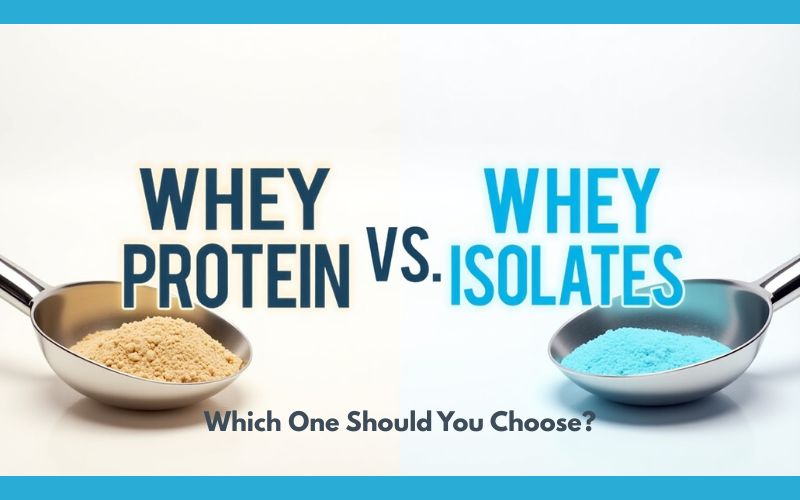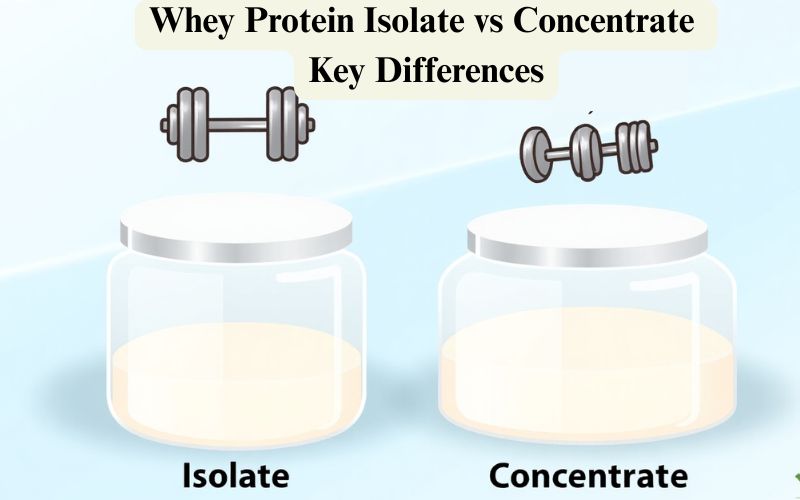














When shopping for whey protein isolate, you’ve probably noticed terms like “cold processed” or “ion exchange” on product labels. But what do these processing methods actually mean, and which one delivers better results for your fitness goals? Understanding the fundamental differences between these two isolation techniques can help you make informed decisions about which protein powder deserves a spot in your supplement stack.
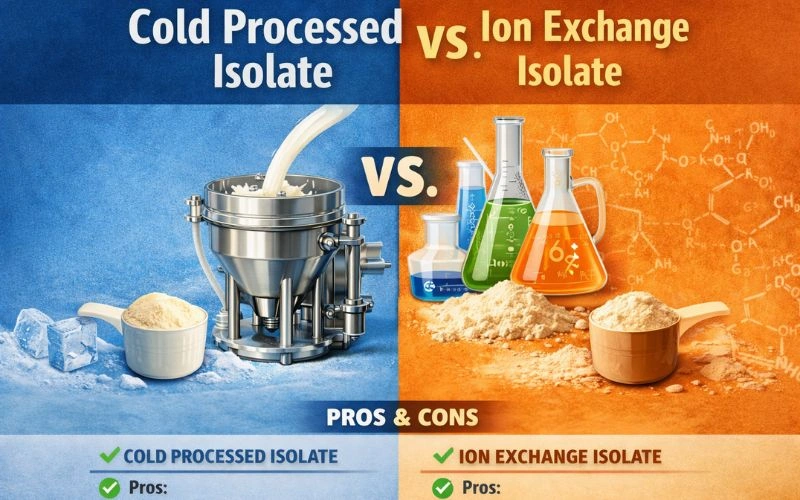
The protein powder industry uses various methods to extract and purify whey protein from milk. Among isolates,the purest form of whey protein,two main processing techniques dominate the market: cold processing (also called microfiltration or cross-flow microfiltration) and ion exchange. Each method produces a protein powder with 90%+ protein content, but the journey from liquid whey to powdered supplement creates distinct differences in the final product.
Table of Contents
Understanding the Cold Processing Method
Cold processing, technically known as cross-flow microfiltration (CFM), represents the newer and generally more advanced approach to creating whey protein isolate. This method uses physical filters with microscopic pores to separate protein from other components in liquid whey without applying heat or harsh chemicals.
The process works like an extremely sophisticated straining system. Liquid whey passes through ceramic membranes with pores small enough to let water, lactose, ash, and small molecules through while retaining larger protein molecules. The “cross-flow” aspect means the whey flows parallel to the membrane surface rather than directly through it, preventing clogging and maintaining efficiency throughout the filtration process.
Temperature Control Makes the Difference
The term “cold processed” specifically refers to maintaining low temperatures throughout filtration. Whey protein isolate vs concentrate vs hydrolysate shows how processing affects final protein quality, and temperature plays a crucial role. By keeping temperatures low, cold processing preserves the natural structure of whey proteins, maintaining their biological activity.
Proteins are delicate molecules that can denature,meaning their structure unfolds and changes,when exposed to heat. While denatured proteins still provide amino acids, they lose certain beneficial properties. Cold processing maintains protein fractions in their native, biologically active forms, which offers advantages for immune function and muscle recovery.
The Ion Exchange Isolation Process
Ion exchange represents the older, more traditional method for creating whey protein isolate. This chemical process uses positive and negative electrical charges to separate protein from other whey components. The chemistry behind it is straightforward: different molecules carry different electrical charges, and by manipulating pH levels and using charged resin beds, manufacturers can attract protein molecules while letting other components pass through.
The process begins by adjusting the pH of liquid whey to create the right electrical environment. Protein molecules take on an electrical charge based on the pH level. The whey then flows through columns containing resin beads that carry an opposite electrical charge. Proteins stick to these charged beads while lactose, fat, and other components wash away. Finally, the pH gets adjusted again to release the isolated protein from the resin.
Chemical Processing and Its Implications
Ion exchange requires chemical manipulation,typically using hydrochloric acid to lower pH and sodium hydroxide to raise it. While these chemicals don’t remain in the final product, their use during processing raises concerns for some consumers..
The chemical environment during ion exchange, particularly the acidic conditions, can affect protein structure. Some sensitive protein fractions may denature or become damaged during this process, potentially reducing the overall nutritional profile compared to cold-processed alternatives.
Key Differences in Protein Fractions
Understanding the unique characteristics of each protein fraction helps you choose the right type for your fitness, recovery, or health goals.
- One of the most significant differences between cold processed and ion exchange isolates lies in their protein fraction profiles.
- Whey protein isn’t just one type of protein,it’s a mixture of several different proteins, each with unique properties and benefits.
- Cold processed whey isolate typically contains higher levels of beneficial protein fractions including beta-lactoglobulin, alpha-lactalbumin, immunoglobulins (IgG), lactoferrin, and glycomacropeptides.
- Ion exchange processing, due to its harsh chemical environment, tends to eliminate or significantly reduce some of these delicate fractions, most notably glycomacropeptides (GMPs).
Biological Activity and Immune Support
The preservation of protein fractions matters beyond basic nutrition. Whey protein benefits for women and all athletes includes immune support, which depends heavily on these bioactive fractions. Cold processed isolates, with their intact immunoglobulins and lactoferrin, offer immune-supporting properties that ion exchange products largely lack.
These bioactive proteins help with more than just muscle building. They support gut health, provide antioxidant effects, and may even help with iron absorption. While both processing methods deliver excellent amino acid profiles for muscle growth, cold processing preserves these additional health benefits.
Amino Acid Profile Comparison
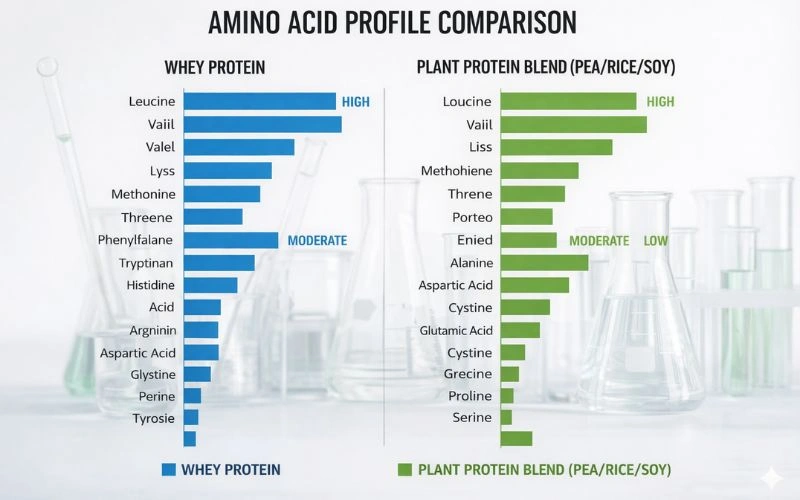
Both cold processed and ion exchange whey isolates provide complete, high-quality protein with all essential amino acids. The total amino acid content typically looks very similar between the two,after all, they both reach 90%+ protein purity. However, subtle differences exist.
Cold processed isolates generally maintain a slightly more balanced amino acid profile because the gentle processing preserves proteins in their natural ratios. BCAA supplements in Pakistan examine the importance of leucine, isoleucine, and valine for muscle recovery. Both processing methods preserve these crucial amino acids well, with typical BCAA content around 25% of total protein content.
The practical takeaway: if your primary goal is building muscle and you’re solely focused on amino acid delivery, both processing methods perform similarly. The real differences lie in the bioactive components and overall product cleanliness rather than basic amino acid profiles.
Lactose Content and Digestibility
For lactose-intolerant individuals, the processing method can significantly impact tolerance. Both cold processing and ion exchange produce isolates with very low lactose content,typically less than 1% compared to 4-5% in concentrate. Cold processing physically filters out lactose molecules, while ion exchange also removes most lactose through its chemical process.
Cold processed isolates generally earn praise for easier digestion. The preserved protein structure and lack of chemical processing residues mean less potential for digestive upset. Lactose free whey protein for runners shows how processing quality affects performance. Best protein for lactose sensitive athletes often recommends isolates processed through microfiltration.
Fat Content and Purity Levels
Achieving 90%+ protein content requires removing nearly all fat and carbohydrates from whey. Both methods accomplish this, but cold processing typically produces slightly purer end products. The best cold processed isolates reach 92-95% protein content with virtually zero fat, while ion exchange products typically range from 90-92%.
For athletes in cutting phases, these purity differences matter. Zero carb protein low calorie meal plans emphasize maximizing protein while minimizing everything else. A product with 95% protein content delivers more pure protein per scoop than one at 90%, meaning fewer total calories from non-protein sources.
Taste, Texture, and Mixability Differences
The processing method affects the sensory experience of consuming your protein powder. Cold processed isolates typically mix more smoothly and have a cleaner, more neutral taste. The preserved protein structure and absence of chemical processing create powder that dissolves easily without excessive foaming. Flavored vs unflavored whey protein notes that cold processed bases accept flavoring better.
Ion exchange isolates often have a slightly thinner mouthfeel and may foam more when mixed. Some users detect subtle chemical aftertaste, though modern processing has minimized this issue. How to clean protein shaker bottle becomes easier with proteins that mix cleanly,cold processed isolates generally create less cleanup work.
Price Considerations and Value Analysis
Cold processed isolates typically cost 15-30% more than ion exchange products. This price premium reflects more expensive equipment and longer processing times. A 2kg container of quality cold processed isolate might cost 10,000-14,000 PKR versus 7,000-10,000 PKR for ion exchange. Creatine monohydrate price comparison demonstrates how supplement costs vary by quality.
The value equation depends on your priorities. If you’re lactose intolerant or have a sensitive stomach, cold processing’s premium seems justified. For athletes on tight budgets focused primarily on meeting protein requirements, ion exchange isolates deliver excellent results at lower cost. Whey protein for weight gain works effectively regardless of processing method when protein intake and training are proper.
Which Processing Method for Different Goals
Your specific fitness goals and dietary needs should drive your choice between cold processed and ion exchange isolates. For general muscle building and strength gains, both methods work excellently. Best whey protein isolate for cutting shows that amino acid delivery matters most for these goals.
- Choose Cold Processed If You: Have lactose intolerance or digestive sensitivity, want maximum immune system support, prefer the cleanest possible protein, value smooth texture and taste.
- Choose Ion Exchange If You: Work within a tight supplement budget, focus primarily on muscle building, have no digestive issues with standard isolates, want widely available options.
Athletes following whey protein for older adults’ sarcopenia protocols might prefer cold processed options for the immune-supporting fractions.
Making Your Decision: Key Takeaways
After examining all aspects of cold processed versus ion exchange whey protein isolate, several clear conclusions emerge. Cold processing produces a cleaner, more complete protein product with better preserved bioactive fractions, superior digestibility, and slightly higher purity. Ion exchange creates an excellent, cost-effective isolate that delivers strong muscle-building results despite losing some beneficial protein fractions.
For most athletes focused primarily on meeting daily protein requirements and building muscle, both options work excellently. The choice often comes down to budget and individual digestive tolerance. Benefits of protein for overall health happens regardless of processing method when protein intake meets requirements.