













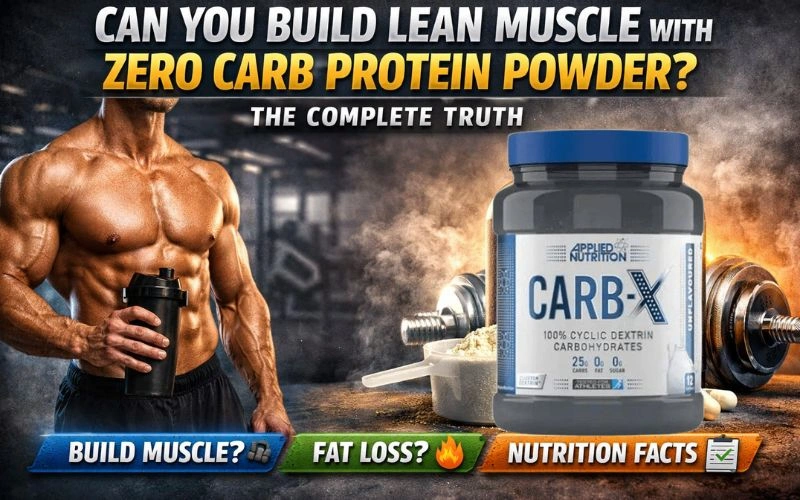
The fitness industry has created considerable confusion around carbohydrates and muscle building. You’ve probably heard conflicting advice: “You need carbs to build muscle” versus “Cut carbs to stay lean.” So when you’re holding a container of zero carb protein powder, a legitimate question arises,can you actually build lean muscle without carbohydrates in your protein supplement? The answer is more nuanced than most marketing materials suggest, and understanding the science helps you make informed decisions about your supplement choices.
Protein is the “building block” of muscle, while carbohydrates are the “fuel.” You can build muscle without carbs because protein synthesis is primarily triggered by amino acids (specifically Leucine) and resistance training. However, without carbs, your body has to work harder to find energy, which can sometimes slow the process down.
Table of Contents
Understanding Zero Carb Protein Powder Composition
Zero carb protein powders are typically high-purity whey protein isolates or hydrolysates that have undergone extensive processing to remove lactose, fats, and other non-protein components. Whey protein isolate vs concentrate explains how processing affects nutritional content. These products contain 25-30 grams of protein per serving with less than 1 gram of carbohydrates and minimal fat.
The processing methods,usually cold processing or ion exchange,strip away virtually everything except protein. This creates an extremely pure product that delivers concentrated amino acids without additional calories from carbs or fats. For athletes tracking macros precisely or following low-carb diets, this purity offers significant advantages.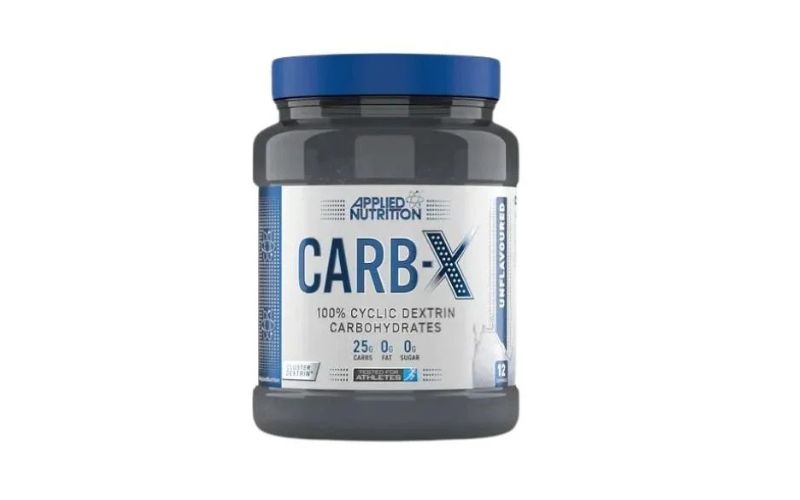
What Zero Carb Actually Means
“Zero carb” is somewhat of a misnomer since most products contain trace amounts,typically 0.5-1 gram per serving. Regulations allow manufacturers to round down to zero if carb content falls below certain thresholds. Zero carb protein low calorie meal plans shows how these products fit into strict dietary protocols. The minimal carbohydrate content comes from residual lactose or processing aids that survive filtration.
The key distinction is that zero carb proteins provide essentially pure amino acids without triggering significant insulin response or adding meaningful calories from non-protein sources. This makes them ideal for specific situations where carbohydrate control matters,whether that’s pre-contest bodybuilding, ketogenic dieting, or simply maximizing protein intake while minimizing total calories.
The Science of Muscle Building: Do You Need Carbs?
Muscle growth requires three fundamental elements: adequate protein intake (providing amino acids as building blocks), progressive resistance training (creating the stimulus for adaptation), and sufficient total calories (providing energy for the growth process).
Carbohydrates play important but not irreplaceable roles in muscle building. They replenish glycogen stores that fuel high-intensity training, they trigger insulin release which has anabolic effects, and they provide readily available energy. However, none of these functions are absolutely mandatory for muscle protein synthesis to occur. Benefits of protein for overall health explains protein’s primary role in tissue building.
Protein Requirements Trump Carbohydrate Timing
Research consistently shows that meeting daily protein requirements (roughly 1.6-2.2 grams per kilogram of body weight) matters far more than the carbohydrate content of your protein supplements. Studies comparing high-carb protein shakes versus pure protein supplements found no significant differences in muscle gains when total daily protein and calories were matched.
Your body doesn’t require carbohydrates in the same meal or shake as protein to utilize amino acids effectively. The best time to take whey protein addresses timing concerns. As long as you’re consuming adequate carbohydrates elsewhere in your diet,from meals containing rice, oats, fruits, or other sources,your muscles will have the glycogen and energy needed to support growth.
Advantages of Zero Carb Protein for Lean Muscle Gain
Zero carb protein powders offer specific advantages for athletes focused on building muscle while staying lean. The high protein density means you’re getting maximum muscle-building nutrients with minimal extra calories. Zero carb protein in intermittent fasting demonstrates how these products fit specialized eating patterns.
During cutting phases or body recomposition, every calorie must work efficiently. Zero carb proteins deliver 100-120 calories per serving compared to 150-200+ calories from protein powders containing added carbs. Pure protein also promotes greater satiety compared to protein-plus-carb combinations. Whey protein for satiety and fat loss explains the mechanisms behind protein’s filling nature, making adherence easier during extended periods of disciplined eating.
When Zero Carb Protein Makes Most Sense
Zero carb protein powders excel in specific contexts. Athletes following ketogenic or very low-carb diets benefit most since adding carbs would undermine their dietary approach. Bodybuilders preparing for competitions represent another group where zero carb proteins shine. [Best whey protein isolate for cutting](https://nutritionalworld.com.pk/blog/best whey-protein-isolate-for-cutting/) explains why purity matters during contest prep.
When achieving extremely low body fat while preserving muscle, every gram of carbohydrate must be strategically allocated. Using zero carb protein for 2-3 daily shakes frees up 40-60 grams of carbs to consume around training when they’re most beneficial. You don’t need to consume carbohydrates immediately post-workout to build muscle effectively. Pre-workout vs post-workout supplements clarifies timing priorities.
Strategic Carbohydrate Allocation for Optimal Results
Using zero carb protein intelligently means strategically placing carbohydrates where they provide maximum benefit. The most effective strategy involves consuming the majority of daily carbohydrates around training,in the 2-3 hours before exercise and during the post-workout period. Tips for maintaining energy levels during workouts emphasizes pre-training fueling.
A practical example: Consider a 180-pound athlete requiring 180 grams protein and 250 grams carbohydrates daily. Structure could be: zero carb protein shake for breakfast, pre-workout meal with oatmeal and banana (60g carbs), post-workout zero carb shake with rice and chicken (80g carbs), dinner with sweet potato (110g carbs). This provides adequate carbs for training while using zero carb protein to meet protein requirements efficiently. Low carb protein shakes for weight loss offer additional strategies.
Potential Drawbacks to Consider
While zero carb protein supports muscle building effectively, some considerations deserve attention. The extremely low carbohydrate content means you’re missing the insulin spike that comes with protein-plus-carb combinations. Insulin enhances amino acid uptake and reduces muscle protein breakdown, though it’s not essential for muscle growth.
For hard gainers struggling to consume enough calories, zero carb proteins might make bulking more difficult. High calorie supplementation for older adults shows how some populations need calorie-dense options. Zero carb proteins also typically cost more,a kilogram might be 9,000-13,000 PKR compared to 5,000-8,000 PKR for quality concentrate. Imported vs local supplements Pakistan compares pricing. If you’re not following low-carb diets or competing at high levels, standard whey isolate with minimal carbs might offer better value.
Combining Zero Carb Protein With Whole Food Carbs
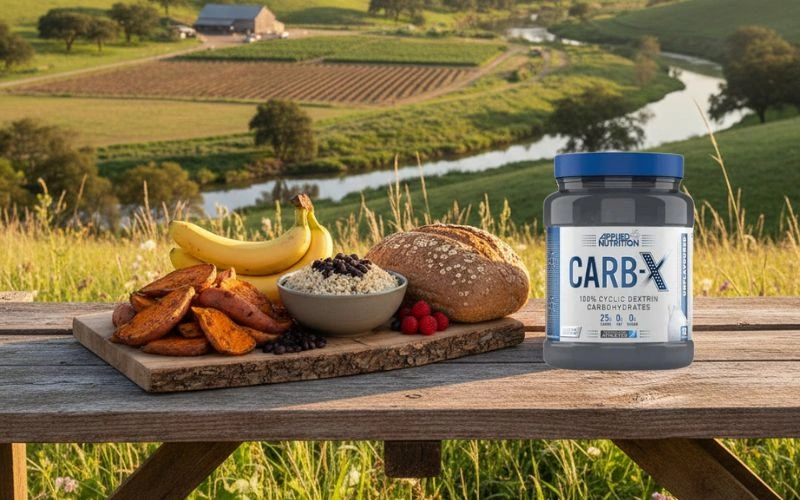
The most effective approach involves using zero carb protein supplements while consuming adequate carbohydrates from whole food sources. Whole food carbs offer nutrients supplements can’t match,fiber, vitamins, minerals, antioxidants.
Think of zero carb protein as a strategic tool for precise macro control rather than a replacement for balanced nutrition. By using pure protein supplements, you create flexibility to adjust carbohydrate intake based on training demands. On high-volume days, increase rice or fruit intake while keeping protein consistent. On rest days, reduce carb portions while maintaining muscle protein synthesis through adequate protein. This flexibility makes zero carb proteins valuable for serious athletes.
Real-World Success Stories and Applications
Professional bodybuilders and physique athletes have used zero carb protein isolates for decades with excellent results. During competition prep, when every gram of carbohydrate is counted, zero carb proteins become essential tools. Kevin Levrone whey review examines products used by elite athletes.
Everyday gym-goers pursuing body recomposition also find zero carb proteins incredibly useful. The ability to increase protein intake significantly without adding many total calories creates favorable conditions for gaining muscle in slight deficits. Whey protein benefits for women shows how both genders benefit from strategic supplementation. Meeting 100-120 grams of protein daily while staying within 1,600-2,000 calories becomes much easier with pure protein supplements.
Comparing Zero Carb to Other Protein Types
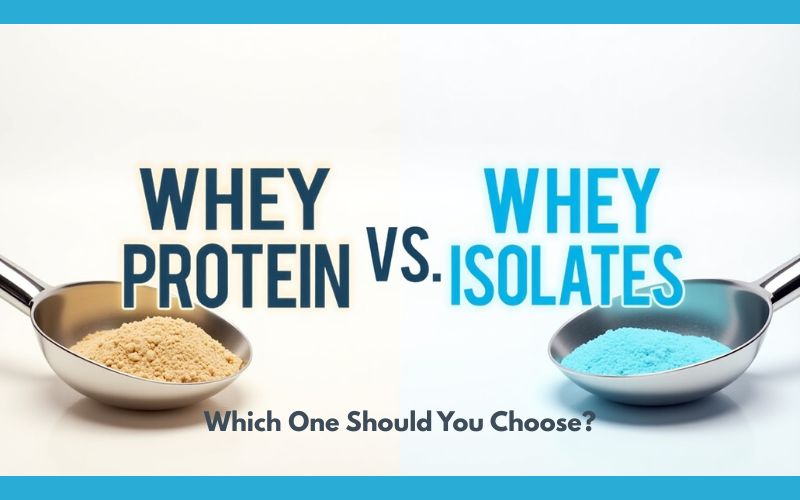
Whey protein isolate vs concentrate vs hydrolysate breaks down processing differences. Standard whey concentrate contains 70-80% protein with 5-15 grams of carbs per serving. Standard isolate reaches 85-90% protein with 2-5 grams of carbs. Zero carb isolates push purity to 90-98% protein with less than 1 gram of carbs.
For muscle building, amino acid profiles remain similar across all types,they all provide complete protein with excellent BCAA content. BCAA supplements in Pakistan examine amino acid importance. For most athletes most of the time, standard whey isolate with 2-5 grams of carbs works perfectly well. Zero carb products primarily benefit those with extremely precise macronutrient requirements or specific dietary restrictions.
Finding Zero Carb Protein Powder in Pakistan
Finding an authentic zero carb protein powder in Pakistan is essential for athletes on a Keto diet or those aiming for maximum muscle definition. As of February 2026, prices for top-tier zero-carb supplements like Isopure Zero Carb and Dymatize ISO100 range from PKR 11,500 (1 lb) to over PKR 46,000 (4.5 lbs). These powders provide 25g–50g of pure whey isolate with 0g sugar and 0g carbs, making them the most efficient way to hit your protein goals without the unwanted calories found in standard whey blends
Frequently Asked Questions
Will I lose muscle without carbs in my protein powder?
No. Muscle loss results from insufficient total protein intake, inadequate training stimulus, or severe caloric deficits,not from the absence of carbs in your protein supplement. As long as you’re eating adequate carbohydrates from whole food sources and meeting protein requirements, your muscles will have everything needed for growth and maintenance.
Can zero carb protein help me lose fat while building muscle?
Zero carb protein makes body recomposition easier by allowing higher protein intake within your calorie budget. Combining fat burners with high-protein diets explains comprehensive approaches.
Do I need to add carbs to my zero carb protein shake?
Only if you struggle to consume adequate carbohydrates from meals. Most athletes get plenty of carbs from rice, oats, fruits, and other whole foods. Adding carbs to zero carb protein defeats its purpose.
Is zero carb protein better than mass gainers for lean bulking?
Yes, for most people. Mass gainer vs protein powder compares these categories. Mass gainers add large amounts of carbs and calories that often lead to excessive fat gain. Zero carb protein plus controlled carb intake from whole foods allows more precise lean bulking.
Making the Right Choice for Your Situation
After examining the science and practical applications, we can conclude definitively: yes, you absolutely can build lean muscle with zero carb protein powder. The absence of carbohydrates in your protein supplement doesn’t limit muscle protein synthesis as long as you’re consuming adequate carbohydrates from other dietary sources and meeting your total protein requirements.
Zero carb proteins excel for athletes who need precise macro control, follow low-carb dietary approaches, or prioritize body composition over pure mass gain. They allow strategic carbohydrate allocation while ensuring adequate protein intake. Supplements for gym beginners helps new athletes understand priorities.