













Whey protein has become a cornerstone of the fitness and wellness industry in Pakistan, serving as a convenient, high quality source of complete protein for athletes, bodybuilders, and health conscious individuals alike. With the rapid growth of the supplement market, more consumers are actively researching the whey protein price in Pakistan before making a purchase decision. From beginners starting their fitness journey to advanced lifters optimizing muscle recovery, understanding the value behind the product is just as important as understanding its benefits.
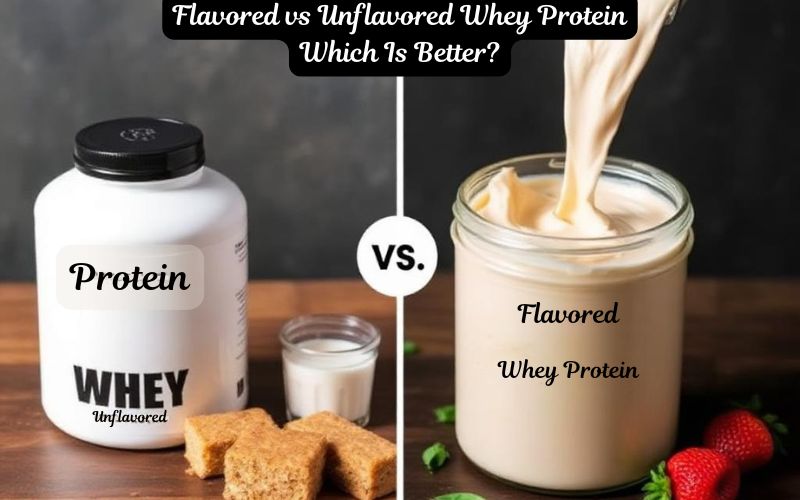
As demand continues to surge, buyers frequently compare the whey protein supplement price in Pakistan across different brands, protein types (concentrate, isolate, hydrolyzed), and serving sizes to ensure they are investing in authentic, results driven products. The market now offers an extensive array of options, with flavored and unflavored whey protein emerging as two primary choices. Flavored variants provide a more enjoyable taste experience, ideal for smoothies and shakes, while unflavored whey offers versatility for those who prefer mixing it into oats, yogurt, or traditional meals.
Table of Contents
What Is Whey Protein?
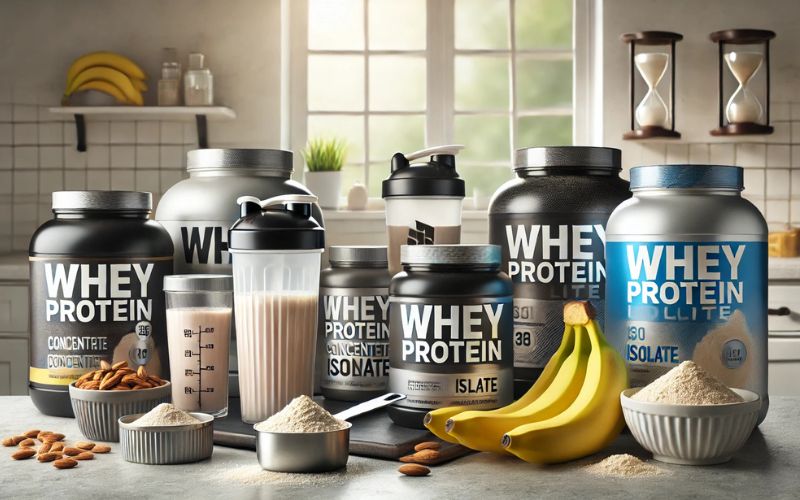
Before comparing flavored and unflavored versions, it helps to understand what whey protein actually is. Whey protein, a byproduct of cheese production, is renowned for its rich amino acid profile, which is essential for muscle repair and growth. It is available in various forms, including concentrate, isolate, and hydrolysate, each offering distinct benefits. This complete protein is easily digestible and efficiently absorbed by the body, making it a favored option for those seeking to enhance their protein intake. When weighing isolate against concentrate, isolate provides higher protein purity with lower fat and lactose, while concentrate offers a more balanced nutrient profile, making it a versatile choice for overall nutrition.
Whey protein has surged in popularity, becoming a cornerstone in the dietary regimen of fitness enthusiasts, athletes, and health conscious individuals. This high quality protein source is lauded for its ability to support muscle growth, recovery, and overall health.
The Rise of Flavored Whey Protein
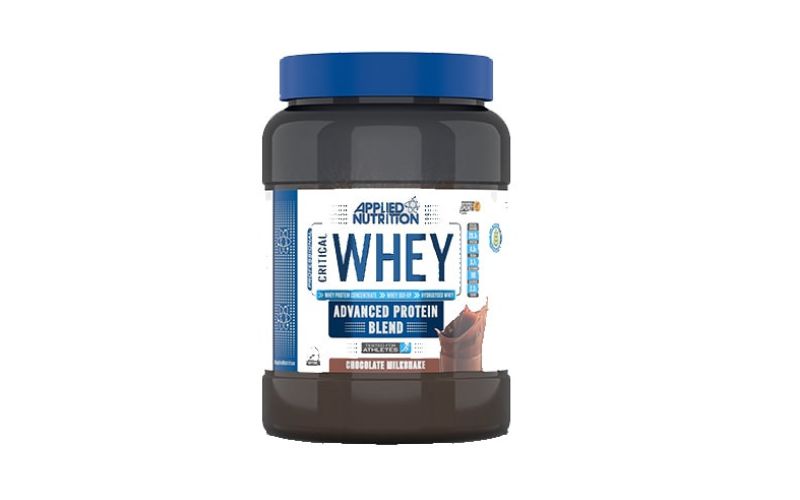
With the basics covered, it is worth looking at why flavored whey has become the dominant choice for so many buyers. The modern fitness landscape has witnessed the meteoric rise of flavored whey protein, a trend driven by the desire to make protein consumption both enjoyable and convenient. In an industry where taste often dictates preference, flavored whey has managed to transform the once utilitarian task of protein supplementation into a daily indulgence.
With flavors that cater to a wide range of palates, from the comforting classic chocolate and vanilla to the more sophisticated and adventurous salted caramel and mocha, these proteins offer a sensory experience that goes beyond mere nutrition.
Does Flavored Whey Protein Taste Good?
Given how much flavor variety is now on offer, it is fair to ask whether any of it actually delivers on taste. The answer resounds yes. Manufacturers have invested heavily in flavor development, aiming to create products that not only meet nutritional needs but also satisfy cravings. These indulgent flavors often mimic the taste of popular desserts, making it easier for individuals to adhere to their protein intake goals without feeling like they are making a sacrifice.
For many, the convenience of mixing a scoop of flavored whey with water or milk and enjoying a drink that tastes like a treat is a significant advantage. Moreover, the appeal of flavored whey extends beyond taste, it is also about the convenience it brings. The ability to enjoy a quick, satisfying protein shake that is easy to prepare is a major selling point for those with busy lifestyles.
Whether consumed post workout or as a meal replacement, flavored whey fits seamlessly into a variety of daily routines, providing a palatable and nutrient rich option that satisfies both hunger and taste buds.
Unflavored Whey Protein
Having covered why flavor has become such a strong selling point, it is worth understanding why some buyers deliberately go without it. On the other side of the spectrum lies unflavored whey protein, which appeals to those who prioritize purity and minimalism in their supplementation. In an age where consumers are increasingly aware of what they put into their bodies, unflavored whey stands out as a product that offers transparency and simplicity.
Free from artificial sweeteners, flavors, or colors, this option is a clean label choice that aligns with the ethos of natural and whole food consumption.
Does Unflavored Whey Protein Taste Bad?

Since purity is the main selling point, the obvious question is whether that comes at the cost of taste. It is important to understand that while unflavored whey lacks the sweetness and taste enhancements of its flavored counterparts, it does not necessarily taste bad. Its neutral flavor profile, though bland to some, is precisely what makes it so versatile.
This kind of unflavored protein powder is an ideal canvas for culinary creativity. It can be easily incorporated into a variety of dishes, including protein smoothie recipes, oatmeal, soups, or even baked goods, without overpowering the natural flavors of the food. For many, the lack of flavor is not a drawback but a feature that allows them to control the taste and nutritional content of their meals more precisely.
Ingredients in Flavored Whey Protein
Taste and texture aside, it is worth looking at what is actually added to make flavored whey taste the way it does. When selecting flavored whey protein, understanding what is inside the tub is crucial. Unlike its unflavored counterpart, flavored whey protein comes with a host of additional ingredients designed to make it taste good and look appealing.
These typically include artificial flavors, sweeteners like sucralose or acesulfame potassium, and sometimes food dyes. These ingredients, while enhancing the sensory experience of the product, can raise questions for the more health conscious consumer.
Is It Better to Get Flavored or Unflavored Protein Powder?
With the ingredient list now clear, the real question is which option actually suits you better. The answer largely depends on individual preferences and health goals.
- For some, the convenience and enjoyment derived from flavored whey outweigh any concerns about artificial ingredients.
- The taste and ease of use are significant factors, especially for those who might struggle to consume enough protein otherwise. However, for others, the presence of synthetic additives may be a deterrent, leading them to opt for unflavored whey, which offers a more natural and clean protein source.
- It is also important to consider how these ingredients might affect the overall nutritional profile of the whey protein. For instance, the inclusion of sweeteners can impact the caloric content of the protein powder, potentially making flavored whey slightly more calorie dense than its unflavored counterpart. This difference, although minor, could be a consideration for those focused on weight loss or calorie control.
The Case for Natural Flavors and Sweeteners
Beyond the flavored versus unflavored debate, a third option has emerged that tries to bridge the gap. In an era where health conscious consumers are increasingly scrutinizing their food choices, the demand for more natural alternatives in flavored whey protein has prompted brands to innovate.
- To meet this demand, manufacturers have begun to offer flavored whey proteins that are free from artificial additives and instead use natural flavors and sweeteners like stevia or monk fruit extract.
- These natural sweeteners provide a seemingly healthier option for those looking to avoid the potential risks associated with artificial ingredients. However, even these natural sweeteners are not without their complexities.
- While they may reduce the intake of synthetic substances, they can still alter the caloric content of the protein powder, sometimes adding hidden sugars or contributing to an unexpected calorie count.
Artificial Additives in Flavored Whey
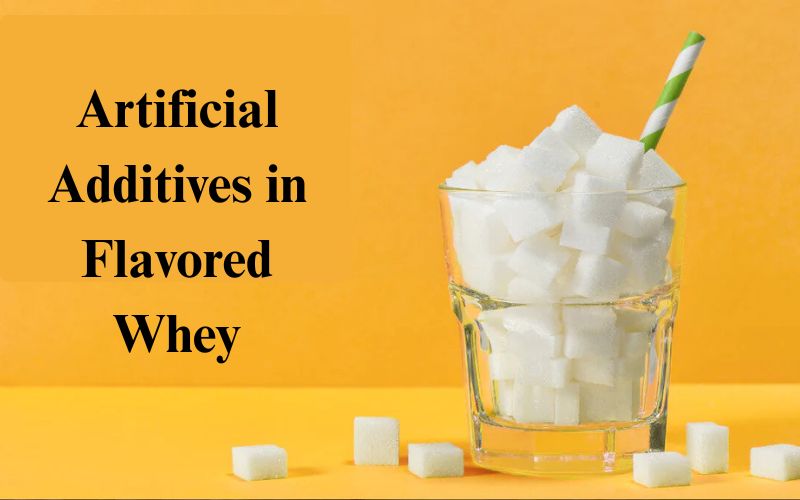
Given the natural sweetener trend, it is worth taking a closer look at the additives some buyers are trying to avoid altogether. While artificial additives in flavored protein powders are generally recognized as safe by regulatory agencies, there remains a segment of the population that prefers to avoid them.
- Concerns about potential side effects, such as gastrointestinal distress, allergic reactions, and the cumulative impact of synthetic ingredients on long term health, are common among health conscious consumers.
- Moreover, the long term implications of consuming artificial additives on a daily basis remain a subject of ongoing research, and this uncertainty can be unsettling for those prioritizing a clean and natural diet.
- As a result, there is growing interest in unflavored whey protein as a potentially safer, more health conscious choice. This version of whey protein, free from artificial additives, offers a purer form of protein supplementation without the risks associated with synthetic ingredients.
- For those concerned about the cumulative effects of artificial additives, unflavored whey presents an alternative that aligns more closely with the principles of whole food nutrition.
It also provides peace of mind for consumers who are meticulous about what they consume, ensuring that their protein supplementation supports their overall health and well being without introducing unnecessary chemicals into their bodies.
Impact on Digestive Health
Beyond additives, it is worth considering how each type actually sits with your stomach day to day. Whey protein, flavored or unflavored, can affect digestion differently based on individual tolerance. Artificial sweeteners like sucralose and acesulfame potassium, commonly found in flavored protein powders, are known to cause bloating or GI distress in sensitive individuals. Conversely, unflavored whey, especially isolate, is often easier on the stomach due to its purity and lack of irritants.
Key Tip: Those with lactose intolerance or IBS may benefit more from unflavored isolate versions.
Flavor Fatigue: A Hidden Problem
Digestion aside, there is another practical issue that only shows up after weeks of consistent use. While chocolate, vanilla, and cookies and cream are initially exciting, many users report flavor fatigue over time. Flavored whey can feel restrictive due to its strong, often sweet taste profile. In contrast, unflavored whey allows more flexibility, since it can be flavored naturally using fruits, cocoa, or nut butters, reducing monotony.
Why It Matters: Preventing taste boredom can improve long term protein supplement adherence.
Environmental and Ethical Considerations
Beyond taste and health, there is also a sustainability angle worth factoring into the decision. The production of flavored whey proteins often involves additional processing, artificial chemicals, and multilayered packaging, which may carry a larger environmental footprint. Unflavored whey, typically less processed and with fewer added ingredients, may align better with sustainability focused consumers.
Bonus Insight: Some brands now offer grass fed, cruelty free, and eco conscious whey options, mostly in unflavored or minimally flavored formats.
Expert Tips: How to Choose Based on Your Goal
With all the factors laid out, here is a simple way to match the right type of whey to your specific goal.
- Muscle Gain: Flavored whey post workout for calorie surplus
- Weight Loss: Unflavored isolate for minimal calories and sugar
- Meal Replacement: Flavored for taste and satisfaction
- Cooking and Baking: Unflavored only
The Versatility of Unflavored Whey
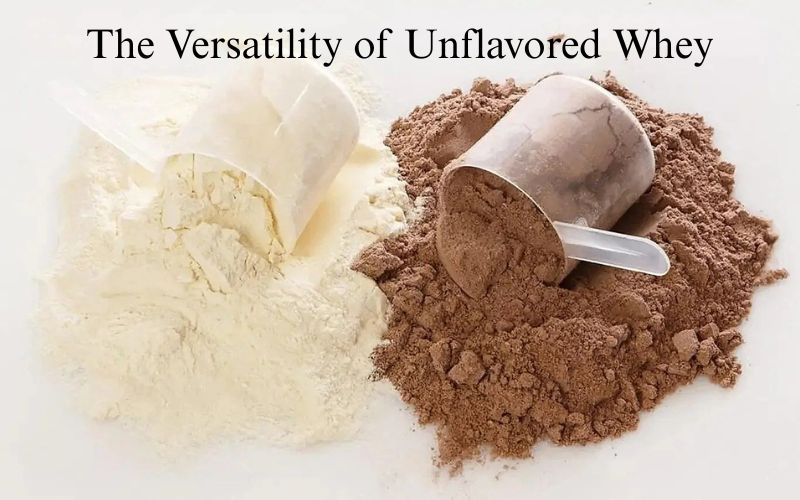
Building on the goal-based breakdown above, it is worth spending more time on just how flexible the unflavored option really is. One of the most compelling advantages of unflavored protein powder is its incredible versatility. Unlike flavored whey, which is often constrained to specific uses due to its sweet taste profile, unflavored whey can be seamlessly integrated into a broad array of recipes, both sweet and savory.
In yogurt, unflavored whey blends smoothly, providing an extra protein punch without making it overly sweet. When mixed into pancake batter, it can fortify breakfast with additional protein, making the meal more satisfying and nutritious without changing the beloved taste of the pancakes. The versatility extends even further into savory dishes, where unflavored whey can be incorporated into soups, sauces, or even mashed potatoes to enhance their nutritional value without imparting any unwanted sweetness.
Can I Mix Flavored and Unflavored Whey Protein?
Given how differently the two behave in recipes, a natural next question is whether they can be combined. Absolutely. Mixing the two can create a more subtle flavor, reducing the intensity of the flavored whey while still enjoying its taste. This blend allows users to enjoy the benefits of both, crafting a personalized protein supplement experience that meets their taste and nutritional preferences. Whether for culinary creativity or straightforward supplementation, unflavored whey offers unparalleled flexibility, making it a staple for those who seek to optimize their diet with high quality, unadulterated protein.
Nutritional Differences and Cost Considerations
With the practical and lifestyle factors covered, it helps to see the two options laid out side by side. The table below summarizes the key nutritional differences and cost considerations between flavored and unflavored whey protein.
| Category | Flavored Whey Protein | Unflavored Whey Protein |
| Nutritional Content | Core protein content remains largely unchanged. May contain additional sugars, fats, and carbohydrates, and slightly higher caloric content due to added ingredients. | Pure protein content with minimal additives, typically calorically purer with fewer added ingredients. |
| Caloric Impact | Extra sugars and fats can lead to a slight increase in calories, which matters for those focused on weight management or weight loss. | Lower calorie count per serving, making it ideal for calorie conscious individuals. |
| Taste and Enjoyment | Offers a wide range of flavors such as chocolate, vanilla, and salted caramel, and the enhanced taste may improve adherence to dietary goals. | Neutral taste, allowing for versatility in recipes, though it may require added flavors if taste is a concern. |
| Cost | Generally more expensive due to added ingredients and processing, and appeals to those who prioritize taste over cost. | More cost effective, especially for those on a budget, with no extra costs for flavoring or sweeteners. |
| Suitability for Diets | Suitable for those who prefer a flavored protein supplement, though it may not align with certain dietary restrictions due to added ingredients. | Ideal for those who prefer minimalism in their supplements, and easier to fit into various dietary plans. |
| Usage Flexibility | Limited to sweet applications and may not mix well with savory dishes. | Extremely versatile, and can be used in both sweet and savory dishes. |
| Long Term Health Impact | Presence of artificial additives and sweeteners may be a concern for some. | Free from artificial additives, appealing to health conscious consumers. |
This table helps to visually compare the key differences between flavored and unflavored whey protein in terms of nutritional impact, cost, taste, and overall suitability for various dietary and lifestyle needs.
Frequently Asked Questions
To bring it all together, here are quick answers to the questions people ask most often when choosing between flavored and unflavored whey.
Does flavored whey protein taste good?
Yes. Manufacturers invest heavily in flavor development, and many flavored options closely mimic popular desserts, making it easier to stick to daily protein goals without feeling like a sacrifice.
Does unflavored whey protein taste bad?
Not necessarily. Unflavored whey has a neutral taste rather than a bad one, which is exactly what makes it so easy to blend into both sweet and savory recipes without overpowering them.
Is it better to get flavored or unflavored protein powder?
It depends on your goals. Flavored whey suits those who want taste and convenience, while unflavored whey suits those who prioritize a clean label, lower calorie count, or cooking flexibility.
Can I mix flavored and unflavored whey protein?
Yes. Combining the two mellows the sweetness of the flavored version while still giving you a pleasant taste, and lets you fine-tune the flavor intensity to your preference.
Which type of whey protein is better for weight loss?
Unflavored isolate is generally the better choice for weight loss, since it carries fewer added sugars and a lower calorie count per serving than most flavored formulas.
Conclusion
The decision between flavored and unflavored whey protein is multifaceted, involving considerations of taste, health, nutrition, cost, and environmental impact. By understanding the differences and weighing the pros and cons, consumers can make an informed choice that aligns with their dietary goals and personal values. Whether opting for the indulgence of flavored whey or the purity of unflavored whey, the key is to select a product that supports your journey towards optimal health and wellness.