













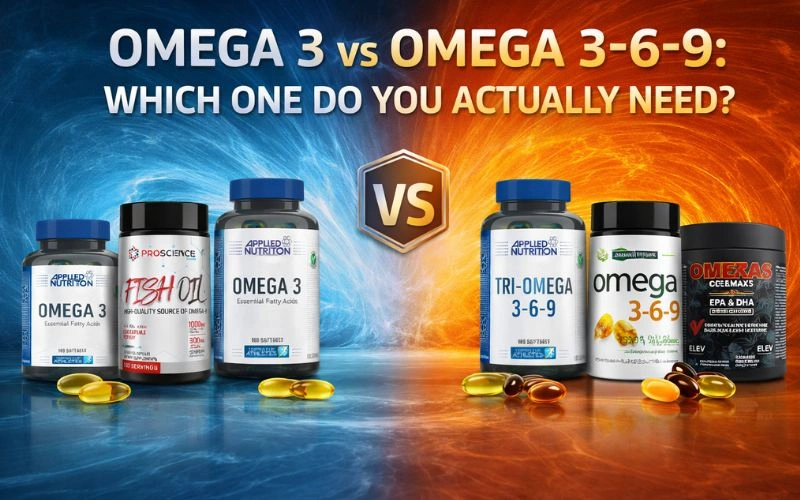
If you’ve ever stood in front of a supplement shelf wondering whether to choose an omega 3 capsule or Omega 3-6-9, you’re definitely not alone. Both products claim to support heart health, brain function, and overall wellness but they aren’t the same. In fact, choosing the wrong one may mean spending money on fats your body already gets in abundance from everyday foods.
So, when it comes to omega 3 capsule vs Omega 3-6-9, which option actually benefits your health?
Let’s break it down in clear, simple, science-backed terms so you can make a confident choice based on what your body truly needs, not just what sounds more complete in the lab.
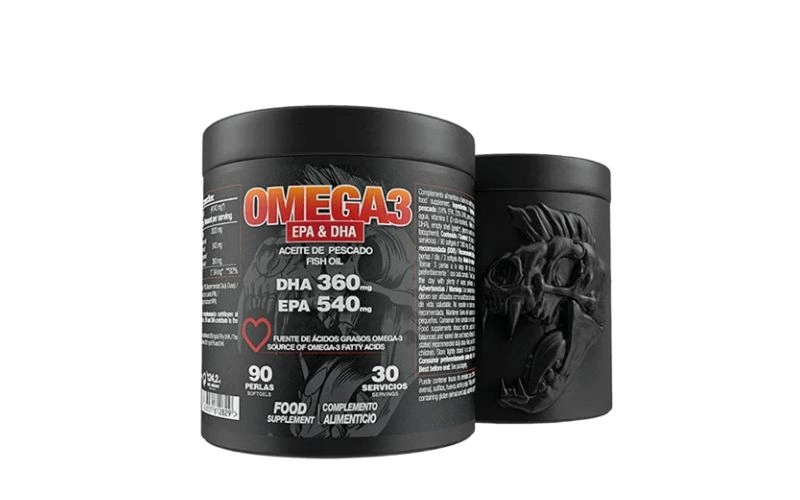
Table of Contents
Quick Answer Summary
Most people benefit more from Omega-3 alone, not Omega 3-6-9.
Why? Because modern diets already contain excessive Omega-6 and sufficient Omega-9, while Omega-3 is the nutrient most people lack. Supplementing Omega-3 directly helps restore balance, reduce inflammation, and support heart, brain, and joint health more effectively than blended formulas.
Omega 3-6-9 may only make sense in rare cases of extremely restricted diets.
What Are Omega Fatty Acids?
Omega fatty acids are healthy fats your body uses to build cells, regulate inflammation, support hormones, and maintain brain and heart function.
They’re classified by structure into:
- Omega-3
- Omega-6
- Omega-9
Your body cannot produce Omega-3 or Omega-6 on its own, which makes them essential fatty acids. Omega-9, however, can be made internally when you consume enough healthy fats.
The real issue isn’t whether you get omegas, it’s getting them in the right balance.
Essential Fatty Acids: Omega-3, Omega-6, and Omega-9
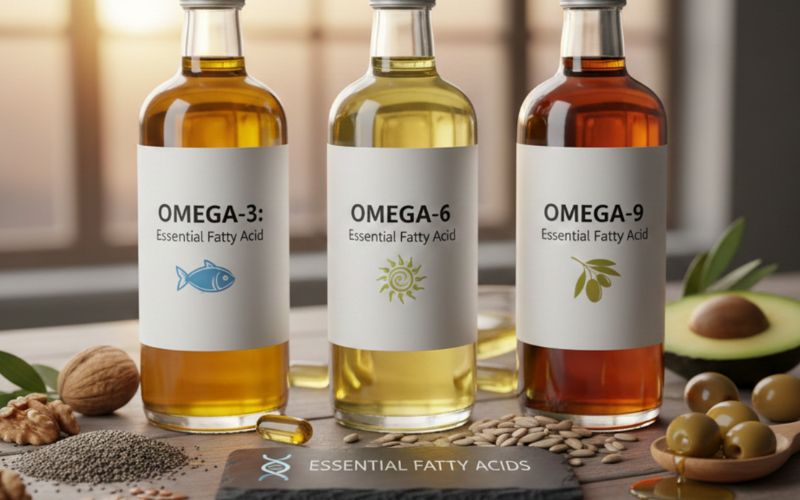
Let’s clarify their roles:
- Omega-3: Anti-inflammatory, heart-protective, brain-supportive
- Omega-6: Supports immunity and skin health but becomes inflammatory in excess
- Omega-9: Helps cholesterol balance but is non-essential
In traditional diets, humans consumed Omega-3 and Omega-6 in roughly equal ratios. Today, processed foods and vegetable oils have pushed Omega-6 intake far beyond healthy levels, often 15–20 times higher than Omega-3.
This imbalance is why Omega-3 supplementation has become so important.
Omega-3 Fatty Acids
Omega-3 fatty acids are essential healthy fats that support heart, brain, and joint health while helping reduce inflammation.
Best Omega-3 Products
Here are popular options available at Nutritional World:
- QN Omega 3 Fish Oil – 90 Capsules | 30 Servings – High-EPA/DHA fish oil.
- Omega 3 – 100caps – UK-imported fish oil with EPA & DHA.
- Elev Ultra Omega‑3 90 Capsules – Fish oil supporting heart & brain.
Types of Omega-3 (EPA, DHA, ALA)
Omega-3 comes in three main forms:
- EPA (Eicosapentaenoic Acid): Reduces inflammation, supports heart health
- DHA (Docosahexaenoic Acid): Essential for brain, eyes, and nervous system
- ALA (Alpha-linolenic Acid): Found in plants; converts poorly to EPA/DHA
Fish oil provides EPA and DHA directly, which is why it’s considered superior to plant sources.
Benefits of Omega-3
Research consistently links Omega-3 with:
- Improved heart health & triglyceride control – Helps lower triglyceride levels, supports healthy blood pressure, and reduces the risk of cardiovascular disease by improving arterial function.
- Reduced inflammation & joint pain – Acts as a natural anti-inflammatory, easing stiffness and discomfort in joints while supporting mobility, especially in active adults and aging populations.
- Better brain function & memory – Supports cognitive performance, learning ability, and memory by maintaining healthy brain cell membranes and neural signaling.
- Support for mood & mental clarity – Contributes to emotional balance, may reduce symptoms of anxiety and depression, and promotes sharper focus and mental well-being.
- Healthier skin & eyes – Helps maintain skin hydration and elasticity while supporting retinal health and visual function, reducing dryness and fatigue.
- Improved recovery for athletes – Aids muscle recovery, reduces exercise-induced soreness, and supports endurance by minimizing inflammation after training.
- Support during pregnancy & aging – Essential for fetal brain and eye development during pregnancy and helps preserve cognitive function and joint health as we age.
Omega-3 is one of the most studied nutrients in modern nutrition.
Foods Rich in Omega-3
- Fatty fish (salmon, sardines, mackerel) – Among the richest natural sources of EPA and DHA, these cold-water fish directly support heart, brain, and joint health with highly bioavailable Omega-3s.
- Chia seeds – A powerful plant-based source of ALA Omega-3, also packed with fiber and antioxidants, supporting digestion, metabolic health, and inflammation balance.
- Flaxseeds – Rich in ALA Omega-3 and lignans, flaxseeds promote cardiovascular health, hormonal balance, and gut function when consumed ground for better absorption.
- Walnuts – The only tree nut high in Omega-3s, walnuts support brain function and heart health while providing beneficial polyphenols for overall wellness.
- Fish oil supplements – A concentrated and reliable source of EPA and DHA, ideal for meeting daily Omega-3 requirements when dietary intake is insufficient.
Important note: Even with Omega-3-rich foods, many people struggle to achieve therapeutic EPA/DHA levels consistently making high-quality supplementation a practical and effective solution for optimal health.
What Happens If You’re Deficient in Omega-3?
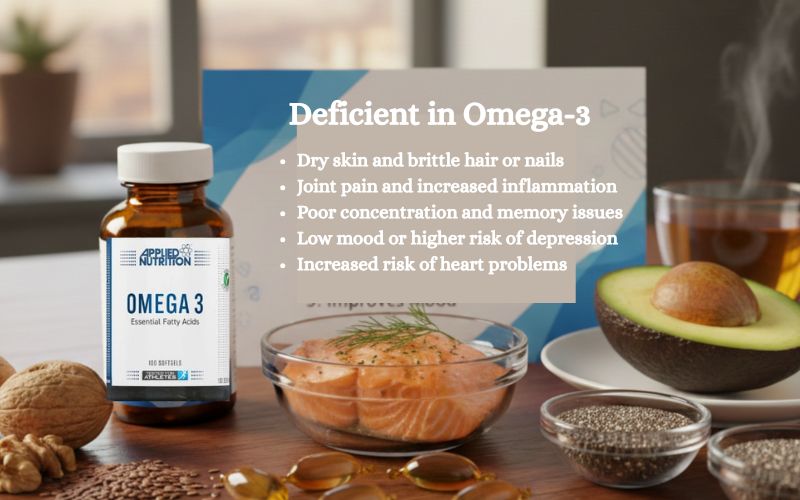
Common signs include:
- Dry skin & brittle hair – Omega-3 helps maintain skin moisture and hair strength; deficiency can lead to dryness, dullness, and increased breakage.
- Joint stiffness – Low Omega-3 levels may increase inflammatory responses, resulting in reduced flexibility, stiffness, and joint discomfort.
- Brain fog – Since Omega-3 is vital for brain cell communication, deficiency can affect mental clarity, processing speed, and alertness.
- Fatigue – Inadequate Omega-3 intake may impair cellular energy production, contributing to persistent tiredness and low stamina.
- Poor concentration – Omega-3 supports focus and attention; deficiency can make it harder to stay mentally sharp and productive.
- Increased inflammation – A lack of Omega-3 shifts the body toward a pro-inflammatory state, potentially worsening chronic discomfort and recovery.
- Mood changes – Omega-3 plays a role in neurotransmitter function, and low levels are linked with irritability, low mood, and emotional imbalance.
Omega-3 deficiency is widespread, especially among people who don’t eat fish regularly.
Who Needs Omega-3 the Most?
Omega-3 is especially important for office workers with sedentary lifestyles, as prolonged sitting can contribute to inflammation and poor circulation. Individuals experiencing joint pain or chronic inflammation can benefit from Omega-3’s natural anti-inflammatory properties, while gym users and athletes rely on it to support muscle recovery and performance.
Older adults need Omega-3 to help maintain heart health, cognitive function, and joint mobility as part of healthy aging. Pregnant women may also require adequate Omega-3 intake under medical guidance to support fetal brain and eye development. Additionally, anyone with low fish consumption is at higher risk of deficiency, making Omega-3 supplementation a practical way to meet essential daily needs.
Omega-6 Fatty Acids
Omega-6 fatty acids are essential fats that support energy production, brain function, and skin health but need to be balanced with Omega-3 to avoid excess inflammation.
Benefits of Omega-6
Omega-6 supports:
- Immune response – Plays a key role in activating immune signaling pathways, helping the body respond effectively to injury and infection.
- Skin barrier function – Supports the structure of the skin’s protective barrier, reducing moisture loss and helping maintain soft, resilient skin.
- Cell growth – Essential for normal cell development and repair, contributing to tissue maintenance and overall metabolic activity.
In moderate amounts, it’s essential.
Foods Rich in Omega-6
- Vegetable oils (soybean, sunflower, corn oil) – Highly concentrated sources of Omega-6, commonly used in cooking and processed foods, making them a major contributor to daily intake.
- Fried foods – Often prepared using Omega-6–rich oils, these foods significantly increase Omega-6 consumption while offering limited nutritional value.
- Packaged snacks – Chips, crackers, and baked goods typically contain refined vegetable oils, leading to hidden Omega-6 overload.
- Nuts and seeds – Natural sources of Omega-6 that also provide fiber and minerals, though they should be consumed in balanced portions alongside Omega-3-rich foods.
What Happens If You’re Deficient in Omega-6?
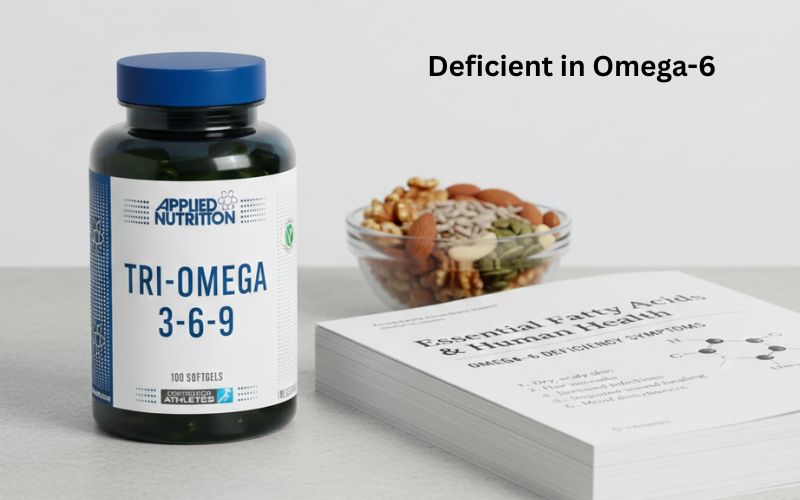
True Omega-6 deficiency is extremely rare because these fatty acids are widely available in modern diets especially through vegetable oils, processed foods, nuts, and seeds. In the uncommon cases where deficiency does occur (usually due to severe malnutrition or fat-absorption disorders), symptoms may include dry, scaly skin, impaired wound healing, weakened immune response, and slowed growth.
Why Most Diets Already Have Too Much Omega-6
Fast foods, processed meals, and cooking oils are loaded with Omega-6. Excess Omega-6 promotes inflammation when not balanced with Omega-3 contributing to lifestyle diseases.
This is a major reason Omega 3-6-9 blends are often unnecessary.
Omega-9 Fatty Acids
Omega-9 fatty acids (monounsaturated fats) play an important role in metabolic and cardiovascular health:
Benefits of Omega-9
Omega-9 helps:
- Improve cholesterol balance – Helps lower LDL (bad) cholesterol while maintaining or increasing HDL (good) cholesterol, supporting healthier lipid profiles.
- Support heart health – Contributes to reduced cardiovascular risk by improving blood vessel function, lowering inflammation, and supporting stable blood pressure.
- Enhance insulin sensitivity – Supports better glucose uptake by cells, helping regulate blood sugar levels and reducing the risk of insulin resistance.
Foods Rich in Omega-9
- Olive oil – One of the richest sources of Omega-9, especially extra virgin olive oil, also packed with antioxidants that protect against oxidative stress.
- Avocados – Provide heart-healthy Omega-9 along with fiber, potassium, and vitamins that support digestion and overall wellness.
- Almonds – A nutrient-dense source of Omega-9, offering additional benefits from vitamin E and magnesium for skin, muscle, and nerve health.
- Cashews – Deliver Omega-9 along with essential minerals like zinc and copper, supporting immunity and energy metabolism.
What Happens If You’re Deficient in Omega-9?
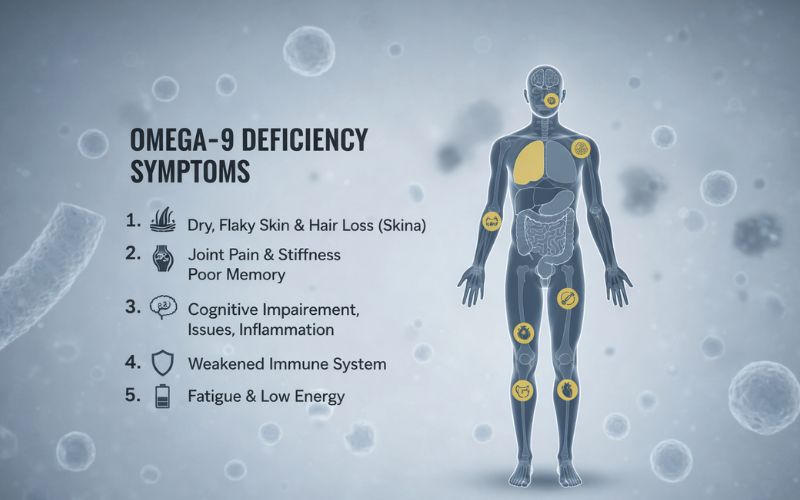
In practice, Omega-9 deficiency is extremely unlikely because the body can synthesize Omega-9 on its own when adequate amounts of healthy fats are consumed. Since Omega-9 is a non-essential fatty acid, most people naturally maintain sufficient levels through regular dietary intake of foods like olive oil, nuts, and avocados. As a result, true deficiency is virtually unheard of in healthy individuals.
Why Omega-9 Is Usually Not Required as a Supplement
Because Omega-9 is non-essential and widely available in common foods, supplementation typically provides minimal additional benefit. Most diets already supply ample Omega-9, and the body can produce it internally when needed.
Omega-3 vs Omega-3-6-9: Key Differences Explained
Omega-3 vs Omega-3-6-9: Key Differences Explained for Better Heart, Brain, and Overall Health Decisions.
| Feature | Omega-3 | Omega 3-6-9 |
| Main purpose | Correct Omega-3 deficiency | General fat blend |
| Contains Omega-6 | No | Yes |
| Contains Omega-9 | No | Yes |
| Anti-inflammatory | Strong | Weakened by Omega-6 |
| Needed by most people | Yes | Usually no |
| Evidence-based benefits | Extensive | Limited |
Omega 3-6-9 looks appealing on labels, but nutritionally it dilutes the one fat you actually need more of: Omega-3.
Omega-3 vs Omega-6 vs Omega-9: Which Is Better?
From a supplementation standpoint:
- Omega-3 wins clearly
- Omega-6 is already overconsumed
- Omega-9 is non-essential
So the winner for real health impact is Omega-3.
Omega-3 vs Omega-3-6-9: Which One Do You Actually Need?
Let’s personalize:
- Gym users: Omega-3 (recovery + inflammation control)
- Heart patients: Omega-3
- Women: Omega-3 (hormonal + skin support)
- Older adults: Omega-3 (brain + joints)
- Office workers: Omega-3 (mental clarity + inflammation)
- Joint pain sufferers: Omega-3
Omega 3-6-9 only makes sense if your diet is extremely restricted which is uncommon.
Should You Take Omega-3, 6 & 9 Supplements?
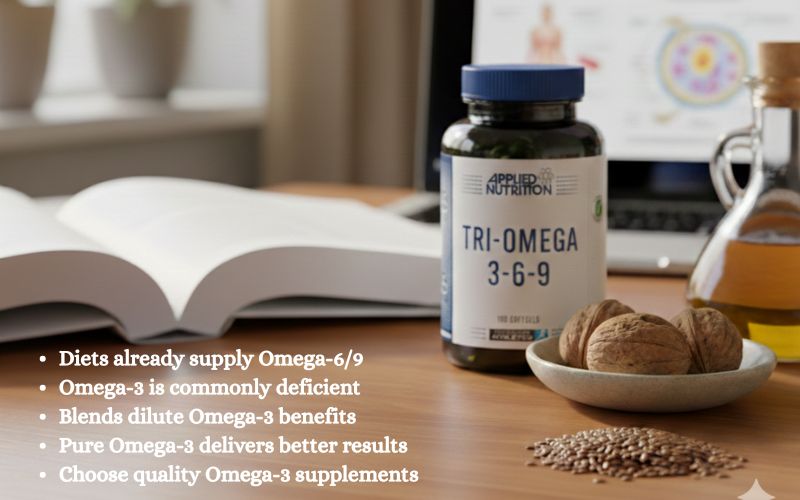
For most people, taking combined Omega-3, 6, and 9 supplements is unnecessary. Modern diets already provide ample Omega-6 and Omega-9 through everyday foods, and adding more of these fats may actually worsen fatty acid imbalance rather than improve it.
Instead, targeted Omega-3 supplementation is far more effective, as Omega-3 is the fatty acid most commonly deficient and plays a critical role in heart, brain, joint, and inflammatory health. Focusing on Omega-3 alone helps restore balance and delivers clearer, evidence-based benefits.
Common Myths About Omega Supplements
Myth 1: Omega 3-6-9 is more complete
Reality: It adds fats you don’t need.
Myth 2: Plant Omega-3 is equal to fish oil
Reality: ALA converts poorly to EPA/DHA.
Myth 3: More omegas mean better health
Reality: Balance matters more than quantity.
Ideal Omega-3 to Omega-6 Ratio (Why It Matters for Inflammation)
Experts suggest a ratio close to 1:4 or lower.
Modern diets often exceed 1:15, driving chronic inflammation.
Supplementing Omega-3 helps restore balance.
Dosage Guidelines: How Much Omega-3 Do You Really Need?
General guidance:
- Maintenance: 250–500 mg EPA+DHA daily
- Joint or heart support: 1000–2000 mg
- Athletes or inflammation: up to 3000 mg (with professional advice)
Always focus on EPA + DHA content, not total fish oil volume.
Omega Supplement Safety & Side Effects
Omega-3 supplements are generally safe for most people when taken at recommended doses. However, it’s important to keep the following in mind:
- High doses may thin blood – Omega-3 can have a mild blood-thinning effect, which may increase bleeding risk at very high doses or when combined with anticoagulant medications.
- Mild digestive upset can occur – Some individuals may experience burping, nausea, loose stools, or fishy aftertaste, especially when starting supplementation or taking Omega-3 on an empty stomach.
- Consult a doctor if pregnant or on blood thinners – Pregnant or breastfeeding women, as well as people taking medications such as aspirin or warfarin, should seek medical guidance before supplementing to ensure safe dosing.
- Choose high-quality products to avoid oxidation and heavy metals – Poor-quality fish oils may be oxidized or contaminated with mercury and other heavy metals, so always select third-party tested, purified supplements from reputable brands.
Choose high-quality products to avoid oxidation and heavy metals You can browse more options via the Omega-3 category at Nutritional World
Omega-3 vs Fish Oil vs Omega-3-6-9 Capsules
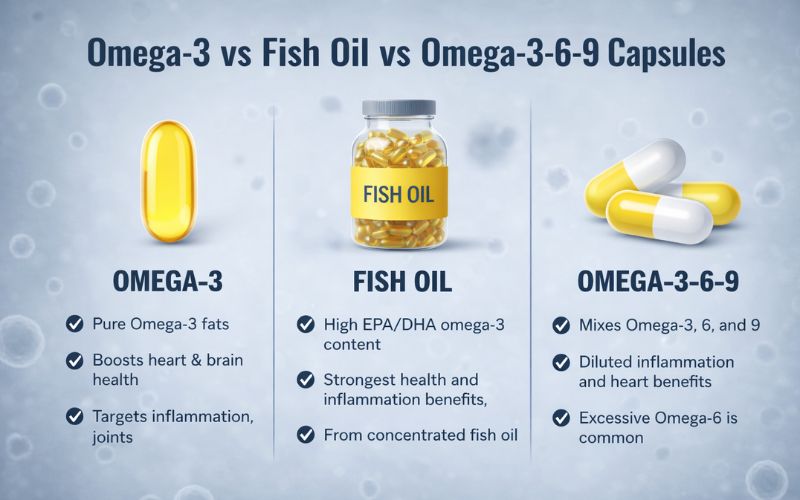
- Fish oil: Source of Omega-3
- Omega-3 capsules: Concentrated EPA/DHA
- Omega 3-6-9: Mixed fats with reduced Omega-3 impact
For results, go with purified Omega-3.
How to Choose a High-Quality Omega Supplement
Look for:
- Clear EPA + DHA labeling
- Triglyceride form
- Third-party testing
- Heavy metal screening
- Freshness guarantee
- IFOS or similar certification
Avoid vague labels and ultra-cheap oils.
Expert Verdict: Final Recommendation
From both nutritional science and real-world dietary patterns, the answer is clear:
Choose Omega-3. Skip Omega 3-6-9.
Omega-3 directly addresses modern deficiencies, reduces inflammation, and delivers proven benefits for heart, brain, joints, and overall wellness. Omega 3-6-9 mainly adds fats you already consume in excess.
FAQs
Is Omega-3 better than Omega 3-6-9?
Yes. For most people, Omega-3 alone delivers greater health benefits because Omega-6 and Omega-9 are already abundant in daily diets. Targeted Omega-3 supplementation helps correct imbalance and reduce inflammation.
Can I take both?
Generally not necessary unless specifically advised by a healthcare professional. Most diets already supply enough Omega-6 and Omega-9, so adding them rarely improves outcomes compared to focused Omega-3 intake.
Is Omega 3-6-9 a marketing gimmick?
Often yes. While it sounds comprehensive, Omega 3-6-9 blends usually dilute Omega-3 dosage and add fats you already consume, reducing effectiveness compared to a high-quality, concentrated Omega-3 supplement.
Who should avoid Omega supplements?
People using blood thinners, those with bleeding disorders, or individuals preparing for surgery should consult their doctor before taking Omega supplements due to potential blood-thinning effects.
How long does Omega-3 take to work?
Most people begin noticing improvements in joint comfort, mental clarity, or energy within 3–6 weeks of consistent use, though full benefits may take longer depending on individual health status.
Conclusion
When it comes to Omega 3 vs Omega 3-6-9, the science and dietary reality point in one direction.
Omega 3 price in Pakistan is an important factor for buyers, but what matters even more is choosing the right type of supplement.
If your goal is better heart health, reduced inflammation, sharper thinking, or stronger joints, Omega-3 is the smart, evidence-based choice.