













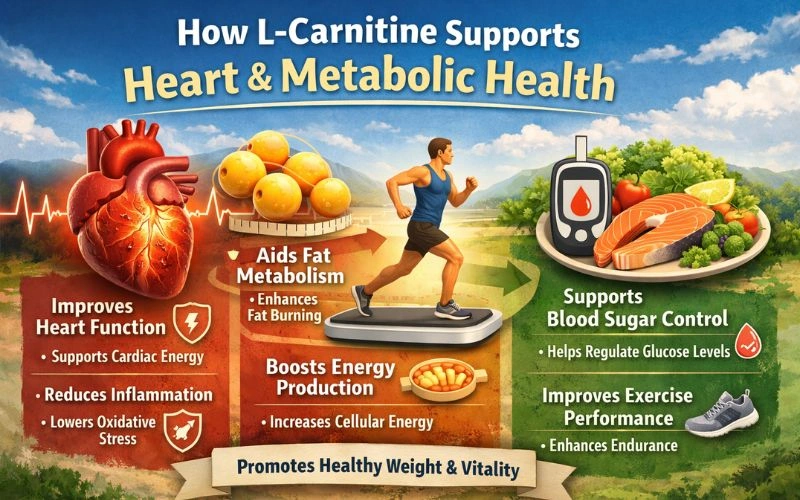
L-Carnitine is a naturally occurring compound that plays a vital role in energy production and fat metabolism. It helps transport long-chain fatty acids into the mitochondria—our cells’ powerhouses—where they are burned for fuel. Research shows that maintaining optimal L-Carnitine levels supports cardiovascular function, improves metabolic efficiency, and enhances overall vitality. This article explores how L-Carnitine promotes heart and metabolic health, backed by recent scientific findings.
L-Carnitine, derived from the amino acids lysine and methionine, is essential for maintaining energy balance and metabolic health. The human body can synthesize it in small amounts, but dietary intake from red meat, fish, and dairy often provides the majority.
Its significance extends beyond energy conversion—L-Carnitine has proven benefits for cardiac performance, lipid metabolism, and endurance, making it a cornerstone supplement for both clinical use and athletic performance.
Table of Contents
Mechanism of Action: How L-Carnitine Works
- Fatty Acid Transport: L-Carnitine shuttles fatty acids into the mitochondria, where they are oxidized to generate ATP—the main energy currency of cells.
- Cardiac Energy Optimization: The heart relies heavily on fatty acids for fuel. By improving mitochondrial efficiency, L-Carnitine enhances heart muscle performance and resilience under stress.
- Reduced Oxidative Stress: It helps neutralize free radicals and lowers oxidative damage, a major factor in cardiovascular aging and metabolic disorders.
- Enhanced Insulin Sensitivity: L-Carnitine supports glucose metabolism by improving insulin function, helping regulate blood sugar levels in people with metabolic syndrome.
Key Benefits of L-Carnitine for Heart and Metabolic Health
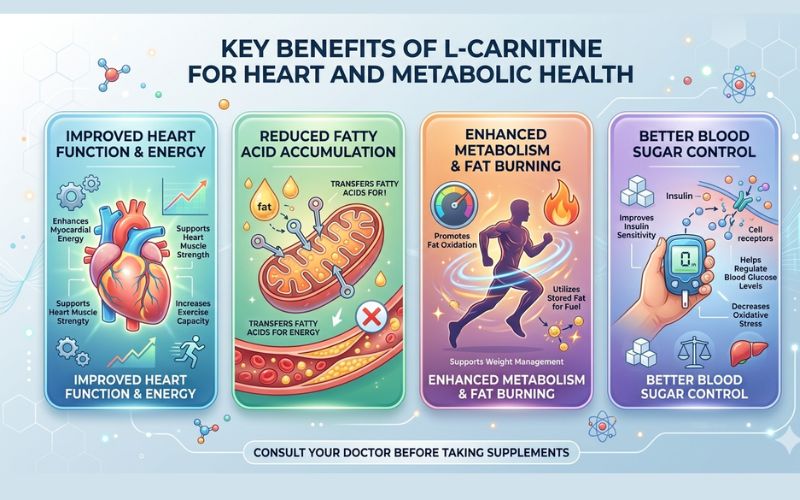
1. Supports Heart Function
Clinical studies have shown that L-Carnitine supplementation can improve cardiac output and reduce symptoms in patients with heart failure and angina. It enhances oxygen use by heart muscles, which can lead to better endurance and recovery.
2. Boosts Energy and Reduces Fatigue
By facilitating the transport of fatty acids into mitochondria, L-Carnitine provides a steady energy supply, especially during exercise or stress. It helps combat chronic fatigue and enhances stamina.
3. Aids in Fat Metabolism
L-Carnitine accelerates fat oxidation, promoting efficient weight management and metabolic balance. It may help reduce triglyceride levels and improve overall lipid profiles.For a combined approach to fat loss, many users stack it alongside CLA supplements or dedicated fat burners available at Nutritional World in fact, the BPI CLA + Carnitine is a popular choice for this purpose.
4. Supports Blood Sugar Regulation
Emerging evidence suggests that L-Carnitine improves insulin sensitivity and glucose uptake in muscle tissues, supporting metabolic health in those with prediabetes or type 2 diabetes.
5. Protects Against Oxidative Damage
Its antioxidant properties protect the heart and liver from oxidative stress, contributing to better long-term cardiovascular health.
Discussion: Scientific Evidence
- A 2024 review published in the Journal of Clinical Nutrition found that daily doses of 1–3 g of L-Carnitine improved heart function in individuals with chronic heart conditions.
- Meta-analysis from PMC (PubMed Central) highlighted significant reductions in all-cause mortality and arrhythmias among cardiac patients taking L-Carnitine.
- Research also indicates metabolic benefits, including improved mitochondrial efficiency and decreased visceral fat accumulation.
These findings reinforce L-Carnitine’s reputation as a multifunctional nutrient for both heart protection and metabolic optimization.
Recommended Dosage and Safety
Typical dosages range from 500 mg to 2000 mg per day, divided into two doses.
- Acetyl-L-Carnitine: better for brain and nerve support.
- L-Carnitine L-Tartrate: often used for energy and muscle recovery.
- Propionyl-L-Carnitine: most effective for cardiovascular benefits.
Safety: L-Carnitine is generally well-tolerated, but mild side effects like nausea or fishy odor can occur. Always consult a healthcare professional before starting supplementation especially if you have heart, kidney, or thyroid conditions.
Natural Food Sources of L-Carnitine
| Food Source | Approx. L-Carnitine (mg per 100g) |
| Beef steak | 95 mg |
| Cod fish | 5 mg |
| Chicken breast | 3 mg |
| Whole milk | 3.5 mg |
| Avocado | 2 mg |
| Whole grains | 0.2 mg |
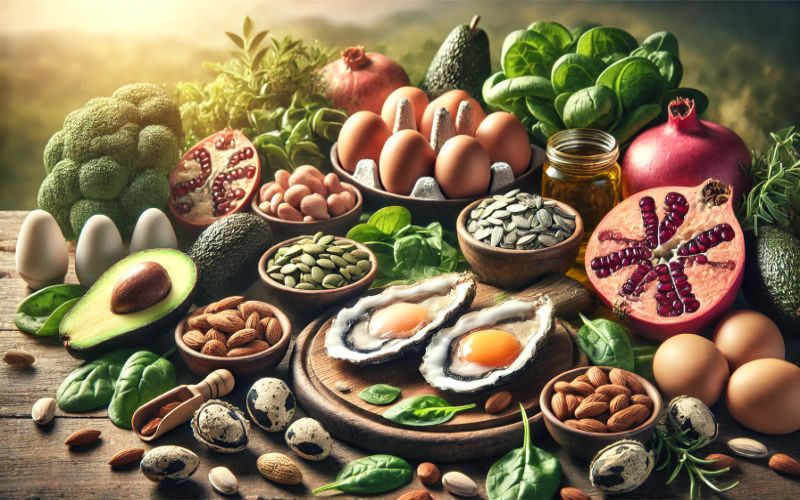
While red meat is the richest source, combining plant-based foods with supplements can ensure balanced intake.
Who Can Benefit Most
- Athletes seeking better energy and endurance
- Elderly adults experiencing low energy metabolism
- People with heart disease or metabolic syndrome
- Individuals on vegan/vegetarian diets who may have lower natural levels
Conclusions
L-Carnitine is more than just a supplement; it’s a scientifically validated nutrient that bridges the gap between energy metabolism and heart health. From improving mitochondrial function to protecting cardiovascular tissue, L-Carnitine supports long-term vitality and wellness. Regular intake through food or quality supplements can contribute to better performance, recovery, and metabolic balance.