










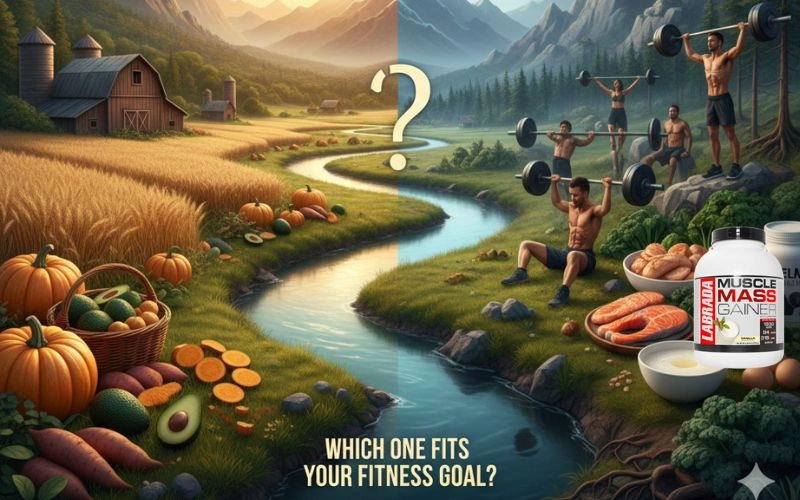
If you’re trying to gain muscle or body weight, chances are you’ve come across two popular supplement options: high-calorie gainers and high-protein gainers. While both are designed to support muscle growth, they work very differently inside the body. Choosing the wrong one can lead to unwanted fat gain, digestive issues, or stalled progress. This guide breaks down the high-calorie vs high-protein gainer debate in a clear, practical way so you can match the supplement to your body type, training style, and goals.
Table of Contents
High-Calorie vs High-Protein Gainer: A Quick Overview
At a glance, high-calorie gainers are built for people who struggle to gain weight even when eating frequently. They pack large amounts of carbohydrates, moderate protein, and sometimes fats to push daily calorie intake higher.
High-protein gainers, on the other hand, keep calories relatively moderate but increase protein density. They are designed for lean muscle gain with better control over fat accumulation. Understanding this core difference is essential before adding either to your routine.
What Is a High-Calorie Gainer?
A high-calorie gainer is a supplement formulated to deliver a large number of calories often 600 to 1,200+ per serving. Most of these calories come from carbohydrates, supported by protein and small amounts of fat. These gainers are commonly used by hard gainers, athletes with intense training schedules, or individuals with fast metabolisms who struggle to maintain a calorie surplus through food alone.
Major Benefits of High-Calorie Gainers
High-calorie gainers help you reach a calorie surplus easily, supporting faster weight gain, sustained training energy, and recovery when food intake alone isn’t enough.
Caloric Boost for Weight Gain
High-calorie gainers make it easier to consume enough calories for weight gain without eating excessive volumes of food.
Balanced Nutrition (Carbs, Protein & Fats)
They provide a macronutrient blend that supports training energy, muscle recovery, and overall weight gain.
Convenient Energy & Recovery Support
For people with busy schedules, a gainer shake can replace multiple meals.
Potential Side Effects & Ingredient Quality
Poor-quality gainers may contain excessive sugars, leading to bloating or fat gain if portions aren’t controlled.
Who Should Use a High-Calorie Gainer?
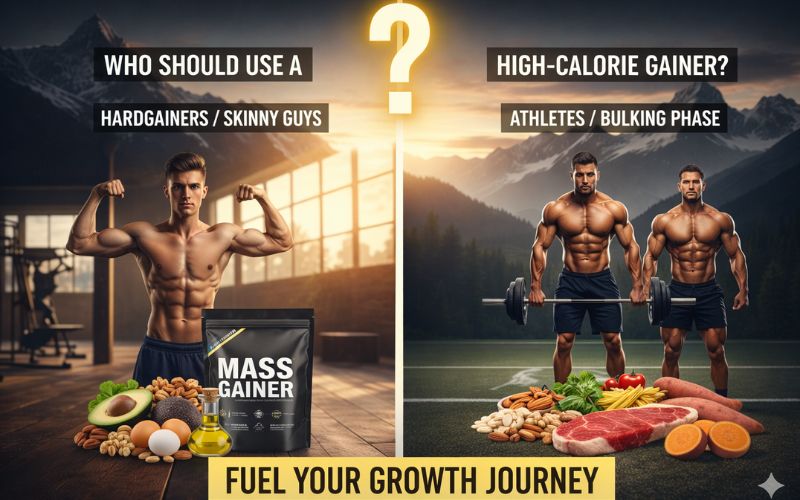
High-calorie gainers are best suited for individuals who train intensely, burn calories quickly, or fail to gain weight despite regular meals. If you’re naturally thin, highly active, or in a heavy bulking phase, a high-calorie option may be helpful when used strategically.
What Is a High-Protein Gainer?
A high-protein gainer focuses on delivering more protein per calorie. These supplements usually contain 30–50 grams of protein per serving with moderate carbohydrates. The goal is to support muscle protein synthesis without excessive calorie intake, making them suitable for lean bulking or controlled weight gain.
Types of Protein Used in High-Protein Gainers
Whey Protein Concentrate (WPC) provides a balance of protein and nutrients and is commonly used for general muscle support.
Whey Protein Isolate (WPI) offers higher protein purity with fewer carbs and fats, making it ideal for lean gainers.
Hydrolyzed Protein Blends are pre-digested for faster absorption and easier digestion for sensitive users.
Benefits of High-Protein Gainers
High-protein gainers help support lean muscle growth, reduce the risk of unnecessary fat gain, and are generally easier to digest. They are especially useful when your calorie intake is already sufficient but protein intake is lacking. For many users, this makes them more sustainable long term.
Who Should Use a High-Protein Gainer?
If your goal is lean muscle gain, body recomposition, or maintaining a controlled calorie intake, a high-protein gainer is often the smarter choice. Beginners, fat-sensitive individuals, and those training moderately tend to benefit most from this approach.
High-Calorie vs High-Protein Gainer: Key Differences
| Feature | High-Calorie Gainer | High-Protein Gainer |
| Calories per serving | 600–1200+ | 300–500 |
| Protein density | Moderate | High |
| Carb content | High | Controlled |
| Fat gain risk | Higher if misused | Lower |
| Digestion | Heavy for some | Easier |
| Best for | Hard gainers | Lean bulkers |
Best Time to Use Each Type of Gainer
High-calorie gainers work best post-workout or between meals when energy demands are highest. High-protein gainers are ideal post-workout or as a protein-rich snack during the day. Timing matters less than total daily intake, but consistency is key.
Common Mistakes When Choosing a Gainer
Many people choose based on price or serving size alone. Others ignore ingredient quality or use large servings without adjusting meals. The biggest mistake is not aligning the supplement with actual calorie needs and training intensity.
How to Choose the Right Gainer for Your Body Type
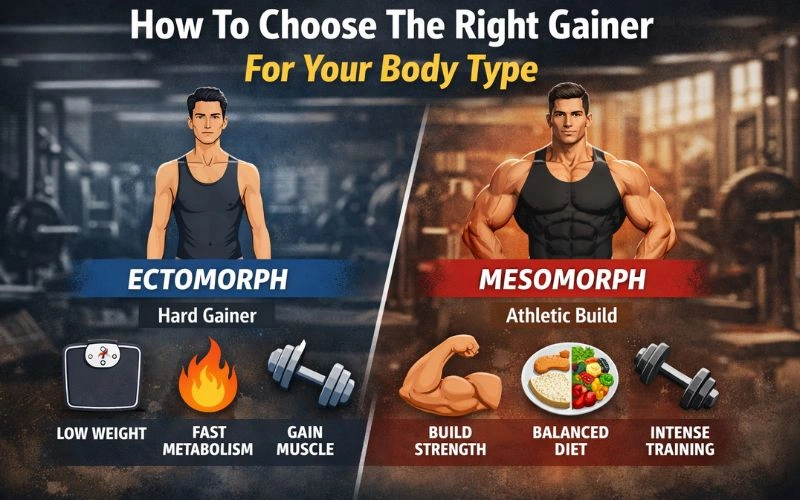
Fast metabolisms and high activity levels generally respond better to high-calorie gainers. Moderate metabolisms or those focused on muscle definition often do better with high-protein options. Tracking progress and adjusting intake is more effective than sticking rigidly to one product.
Can You Switch Between High-Calorie and High-Protein Gainers?
Yes. Many athletes use high-calorie gainers during aggressive bulking phases and transition to high-protein gainers when focusing on lean muscle or maintenance. This phased approach helps minimize fat gain while supporting muscle growth.
Which Is Better: High-Calorie vs High-Protein Gainer?
There is no universal winner in the high-calorie vs high-protein gainer debate. The best choice depends on your calorie needs, metabolism, and training goals. When used correctly, both can be effective tools rather than shortcuts.
FAQs
Is a high-calorie gainer bad for fat gain?
Fat gain depends on overall calorie surplus, not the supplement itself. Using correct portions, strength training, and balanced meals helps minimize unwanted fat while supporting healthy weight gain.
Can beginners use a high-protein gainer?
Yes. High-protein gainers are beginner-friendly because they help meet daily protein needs, support muscle recovery, and avoid excessive calorie intake that could lead to unnecessary fat gain.
Should I take a gainer every day?
Only if your daily calorie intake falls short. Gainers should complement meals, not replace them, and must align with your activity level, metabolism, and muscle-building goals.
Can I combine whey protein with a gainer?
You can combine them, but it’s usually unnecessary. Most gainers already contain sufficient protein, and adding whey may exceed requirements without additional muscle-building benefits.
Which option is better for lean muscle?
High-protein gainers are better for lean muscle when calorie intake is already adequate, as they prioritize protein delivery, muscle recovery, and controlled body composition over rapid weight gain.
Conclusion
Choosing between a high-calorie vs high-protein gainer is not about trends—it’s about understanding your body, metabolism, and training goals. A high-calorie vs high-protein gainer approach should always align with your calorie needs, workout intensity, and long-term physique goals. When used correctly, the right high-calorie vs high-protein gainer can support steady muscle growth without unnecessary fat gain. Instead of guessing, make an informed choice based on quality ingredients, digestion, and purpose.
Explore trusted options for both high-calorie vs high-protein gainer supplements at Nutritionalworld.com and choose nutrition that supports results not shortcuts.