













Walk into any Pakistani gym or nutrition discussion, and you’ll inevitably hear someone mention ‘high GI’ or ‘low GI’ foods,usually with strong opinions about which ones cause fat gain or hinder weight loss. But here’s where it gets confusing: watermelon has a high glycemic index (GI of 72), yet nutrition experts often recommend it for weight loss.
Meanwhile, a chocolate bar might have a moderate GI (around 49), yet nobody would call it a weight loss food. This apparent contradiction reveals a critical gap in how most people understand carbohydrate impact on the body. The answer lies not just in glycemic index, but in understanding glycemic load,a more nuanced measure that accounts for real-world serving sizes.
Table of Contents
Understanding Glycemic Index: The Speed of Blood Sugar Impact
Before comparing GI and GL, you need to understand what glycemic index actually measures and why researchers developed this metric in the first place.
What Is a Glycemic Index?
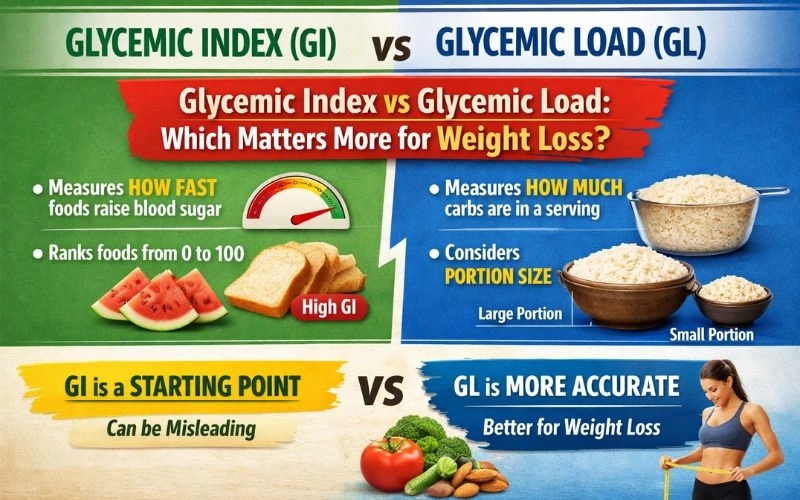
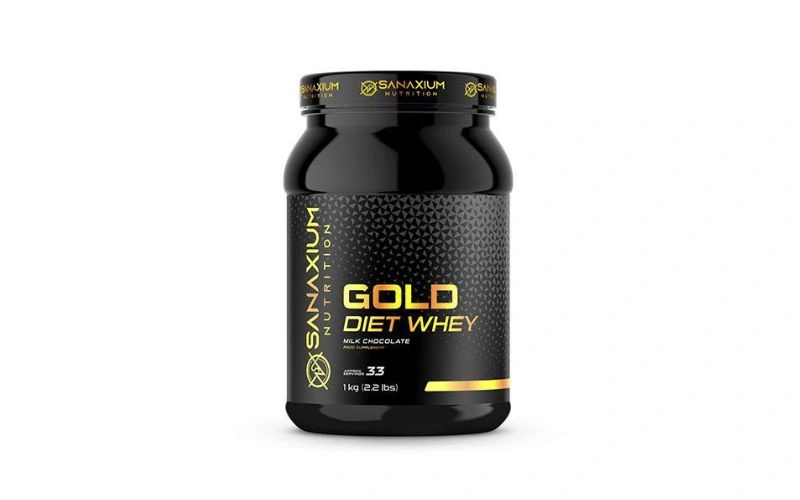
Glycemic index measures how quickly a carbohydrate-containing food raises blood glucose levels compared to a reference food (pure glucose or white bread). The scale runs from 0 to 100, with pure glucose assigned a value of 100 as the reference point.
GI Classification:
- Low GI: 55 or less (slow blood sugar rise)
- Medium GI: 56-69 (moderate blood sugar rise)
- High GI: 70 or above (rapid blood sugar rise)
The test involves giving volunteers a specific amount of a food containing 50 grams of digestible carbohydrates, then measuring blood glucose levels over the next 2-3 hours. The resulting blood sugar curve is compared to what happens when they consume pure glucose.
The Theory Behind GI and Weight Loss
The glycemic index concept became popular based on logical reasoning about blood sugar management:
- High GI foods cause rapid blood sugar spikes, triggering large insulin releases
- Large insulin surges promote fat storage and inhibit fat burning
- Rapid blood sugar rise followed by crash leads to hunger and cravings
- Low GI foods provide steadier energy and better appetite control
This theory sounds compelling, and it’s been the basis for countless diet books and recommendations. However, the real-world application reveals significant limitations that glycemic load addresses more effectively.
The Critical Flaw in Using GI Alone
Here’s the problem with glycemic index: it doesn’t account for the amount of carbohydrate you actually eat. GI is based on a fixed 50 grams of digestible carbohydrate from each food, regardless of whether that’s a realistic serving size.
Real-world examples of GI’s limitations:
- Watermelon: GI of 72 (high), but you’d need to eat 5 cups to get 50g carbs
- Carrots: GI of 71 (high), but 50g carbs requires eating nearly 2 pounds
- Pumpkin: GI of 75 (high), but extremely low carb density in normal portions
- White rice: GI of 73 (high), but typical serving easily provides 50g+ carbs
This disconnect between lab testing and real-world eating is precisely why glycemic load was developed,to provide a more practical measurement that accounts for actual serving sizes.
Understanding Glycemic Load: The Real-World Impact
Glycemic load represents a more sophisticated approach to understanding carbohydrate impact, combining both the quality of carbohydrates (GI) and the quantity you actually consume.
What Is a Glycemic Load?
Glycemic load (GL) calculates the actual blood sugar impact of a food based on both its glycemic index and the amount of carbohydrate in a realistic serving. The formula is simple:
GL = (GI × grams of carbohydrate per serving) ÷ 100
GL Classification:
- Low GL: 10 or less
- Medium GL: 11-19
- High GL: 20 or above
Why Glycemic Load Provides Better Guidance
Let’s examine how GL changes our understanding using real examples:
Watermelon:
- GI: 72 (high) – sounds bad for weight loss
- Typical serving (150g): 11g carbohydrates
- GL: (72 × 11) ÷ 100 = 7.9 (low)
- Real impact: Minimal blood sugar spike, perfectly fine for weight loss
White Rice (1 cup cooked):
- GI: 73 (high) – similar to watermelon
- Typical serving: 45g carbohydrates
- GL: (73 × 45) ÷ 100 = 32.9 (high)
- Real impact: Significant blood sugar spike, portion control matters
Sweet Potato (medium, baked):
- GI: 63 (medium)
- Typical serving: 24g carbohydrates
- GL: (63 × 24) ÷ 100 = 15.1 (medium)
- Real impact: Moderate, sustainable energy without major spike
The Pakistani Diet Perspective
Understanding GL is particularly valuable for Pakistani staples:
- Basmati Rice: GI 58 (medium), but 1.5 cups = GL of 29 (high). Portion control is crucial.
- Roti (whole wheat): GI 62 (medium), one roti (30g) = GL of 16 (medium). Reasonable portions work well.
- Lentils (dal): GI 32 (low), 1 cup = GL of 10 (low). Excellent weight loss choice.
- Chickpeas (chana): GI 28 (low), 1 cup = GL of 8 (low). High protein, low GL,ideal combination.
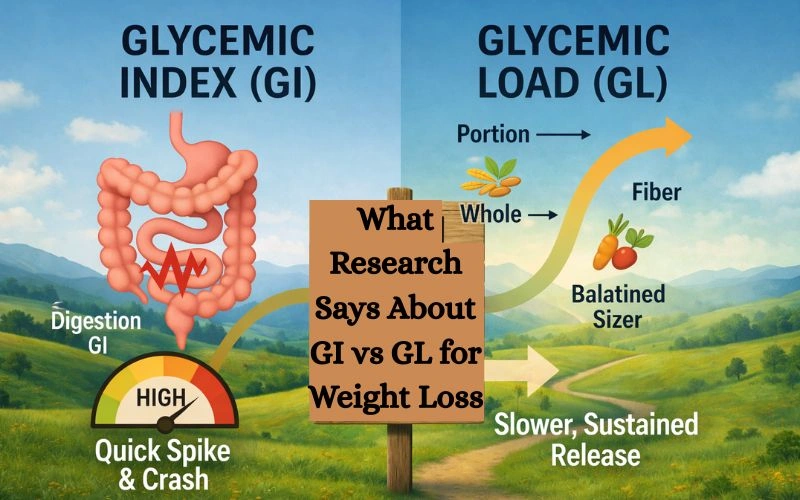
The Science: What Research Says About GI vs GL for Weight Loss
Beyond theory, what does actual research reveal about the relative importance of glycemic index versus glycemic load for weight loss outcomes?
Mixed Results for Low-GI Diets
Large-scale studies on glycemic index and weight loss show inconsistent results. Some research finds benefits from low-GI eating, while other well-designed studies show no advantage compared to standard calorie-controlled diets. The pattern that emerges: when calories and protein are matched, GI alone doesn’t reliably predict weight loss success.
A 2022 systematic review in the American Journal of National institutes of health multiple diet comparison studies concluded that while low-GI diets may improve some metabolic markers, they don’t consistently produce greater weight loss than higher-GI diets when calories are controlled. This suggests GI matters less than total energy intake.
Glycemic Load Shows More Consistent Relationships
Research on glycemic load paints a clearer picture. Multiple large prospective studies link higher dietary GL with increased risk of obesity, type 2 diabetes, and cardiovascular disease. The connection makes sense: GL directly reflects total carbohydrate intake and its impact on blood sugar,both relevant for weight management.
Studies show that diets with lower glycemic load tend to:
- Promote better appetite control and reduced hunger between meals
- Lead to more stable energy levels throughout the day
- Result in improved insulin sensitivity over time
- Support adherence to calorie deficits due to better satiety
The Calorie Equation Still Dominates
Here’s the critical context: regardless of GI or GL, weight loss ultimately requires a caloric deficit. You won’t lose fat eating unlimited amounts of low-GI foods, and you can lose weight eating higher-GI foods if total calories and protein intake are appropriate. GI and GL are tools for optimizing a weight loss approach,not magic bullets that override thermodynamics.
Practical Application: Using GL to Optimize Weight Loss
Understanding the science is one thing; applying it to make better daily food choices is where real results happen. Here’s how to use glycemic load practically for weight loss success.
Strategy 1: Prioritize Low-GL Carbohydrate Sources
Focus your carbohydrate intake on foods that provide nutrients, fiber, and volume without excessive glycemic load:
Excellent low-GL carbohydrates:
- Legumes: lentils, chickpeas, kidney beans, black beans
- Non-starchy vegetables: broccoli, cauliflower, spinach, peppers, zucchini
- Most fruits: berries, apples, pears, oranges, peaches
- Whole grains in moderate portions: quinoa, oats, barley
- Sweet potatoes: moderate GI, but reasonable GL in typical servings
These foods provide sustained energy, fiber for satiety, and micronutrients,all while keeping glycemic load manageable. Build your meals around these foundations rather than making them occasional additions.
Strategy 2: Control Portions of Higher-GL Foods
You don’t need to completely eliminate higher-GL foods,portion control makes them workable:
- White rice: Instead of 2-3 cups, limit to 1/2-1 cup per meal. Combine with protein and vegetables to reduce overall meal GL.
- White bread/naan: Choose smaller portions and pair with protein-rich foods. One piece with a meal is manageable.
- Potatoes: Medium potato (150g) provides moderate GL. Keep portions controlled and include skin for fiber.
- Dried fruits: High GL due to concentrated sugars. Limit to 1-2 tablespoons as treats rather than snacks.
Strategy 3: Use Food Combinations to Lower Meal GL
Even when eating higher-GI foods, you can reduce the overall glycemic impact through strategic combinations:
- Add protein: Protein slows carbohydrate digestion and absorption. Rice with chicken has lower GL than rice alone. Quality protein sources are essential for this strategy.
- Include healthy fats: Fats dramatically slow stomach emptying, reducing GL. Add nuts, olive oil, or avocado to carb-heavy meals.
- Eat vegetables first: Fiber-rich vegetables consumed before starchy foods create a physical barrier that slows digestion.
- Add acidic foods: Vinegar, lemon juice, or fermented foods lower the glycemic response to carbohydrates when eaten together.
Strategy 4: Time Higher-GL Carbs Around Training
If you train regularly, strategic timing optimizes higher-GL foods. Post-workout is ideal for faster-digesting carbohydrates,insulin sensitivity is elevated in muscle tissue, directing nutrients toward glycogen replenishment rather than fat storage. Save white rice, potatoes, or other higher-GL options for the 1-3 hours after intense training sessions. On rest days, emphasize lower-GL choices.
When GI Still Matters: Specific Scenarios
While glycemic load provides better overall guidance, certain situations make glycemic index particularly relevant regardless of serving size.
Pre-Workout Nutrition Timing
When eating 30-60 minutes before training, GI becomes important. You want carbohydrates that digest quickly enough to provide energy but won’t cause digestive distress or rapid crashes. Moderate-to-high GI foods work well here: white rice, bananas, or simple protein shakes with fast carbs provide quick fuel without sitting heavy in your stomach.
Blood Sugar Management for Diabetics
Individuals with diabetes or prediabetes need to consider both GI and GL. Even small portions of very high-GI foods can cause problematic blood sugar spikes. The speed of glucose increase matters as much as the total amount when insulin response is impaired. In these cases, prioritizing low-GI foods provides an additional layer of blood sugar control.
Endurance Sports and Competition
During long endurance events, athletes need rapid glucose absorption to maintain performance. High-GI sports drinks, gels, and simple carbohydrates serve this purpose effectively. For endurance athletes, GI becomes relevant in competition or hard training,fast fuel matters more than minimizing blood sugar response.
Building a Weight Loss Meal Plan Using GL Principles
Let’s translate GL understanding into a practical daily meal structure that supports weight loss while providing energy and satisfaction.
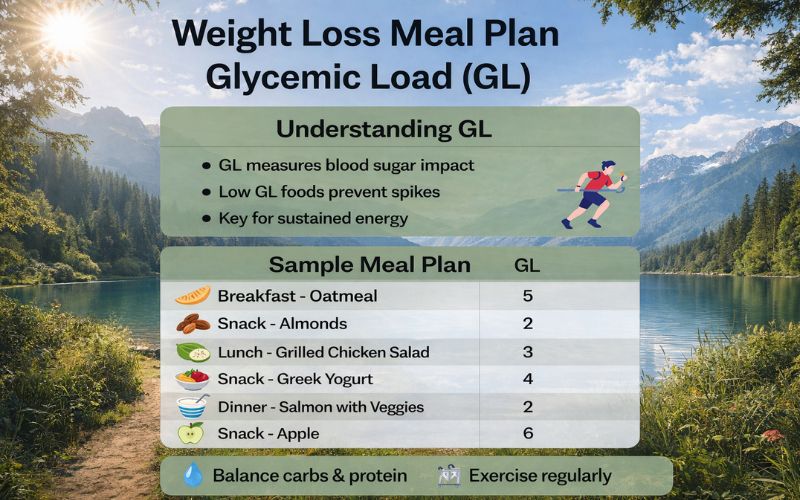
Sample Day: Lower-GL Approach
Breakfast: 3-egg omelet with vegetables, 1 slice whole grain toast, 1 small apple
- Total GL: ~12 (low)
- High protein, moderate carbs, sustaining fats
Mid-Morning Snack: Greek yogurt (200g) with handful of berries and 10g nuts
- Total GL: ~8 (low)
- Protein-rich, minimal GL impact
Lunch: Grilled chicken breast (150g), 1 cup lentils, large mixed salad with olive oil
- Total GL: ~14 (medium)
- Balanced macros, excellent satiety
Afternoon Snack: Protein shake (30g whey) with 1 tablespoon almond butter
- Total GL: ~2 (very low)
- Pure protein and fat, maintains energy
Dinner: Baked salmon (200g), roasted sweet potato (150g), steamed broccoli and carrots
- Total GL: ~17 (medium)
- Nutritious, satisfying, moderate GL
Daily total GL: ~53 (moderate) – This provides steady energy, excellent satiety, and supports weight loss when combined with appropriate total calories.
The Role of Supplements in Managing Blood Sugar and Weight Loss
While whole food choices form the foundation, strategic supplementation can support blood sugar management and enhance weight loss results.
- Protein supplements: Quality whey protein provides essentially zero GL while supporting muscle preservation during weight loss. Adding protein to meals lowers overall meal GL.
- Fiber supplements: Psyllium husk or glucomannan slow carbohydrate absorption, effectively reducing GL of meals when taken with food.
- Omega-3 fatty acids: Fish oil supplements improve insulin sensitivity, helping your body manage blood sugar more effectively over time.
- Chromium and alpha-lipoic acid: These nutrients support healthy glucose metabolism, though whole food sources and lifestyle factors remain more important than supplementation alone.
The Verdict: Which Matters More?
Glycemic index tells you how quickly a food can raise blood sugar when you consume 50 grams of carbs from it,useful for comparison but disconnected from typical eating patterns. Glycemic load tells you the expected blood sugar impact from a normal serving size,directly relevant to your daily food choices.
However, here’s the critical context: neither GI nor GL is the ultimate determinant of weight loss success. Total calorie intake, adequate protein, food quality, and overall diet adherence matter far more than obsessing over exact GL values.
Use glycemic load as a principle for making smarter carbohydrate choices:
- Emphasize vegetables, legumes, and whole grains in reasonable portions
- Control portions of higher-GL staples like rice, bread, and potatoes
- Combine carbs with protein and healthy fats to reduce overall meal GL
- Don’t fear all high-GI foods,many fit perfectly into healthy weight loss diets
The Pakistani diet can absolutely support effective weight loss using GL principles. Focus on dal, chickpeas, and vegetables as carbohydrate foundations. Enjoy moderate portions of rice and roti. Include plenty of lean protein sources and healthy fats. This approach provides cultural food satisfaction while managing blood sugar impact and supporting sustainable fat loss.