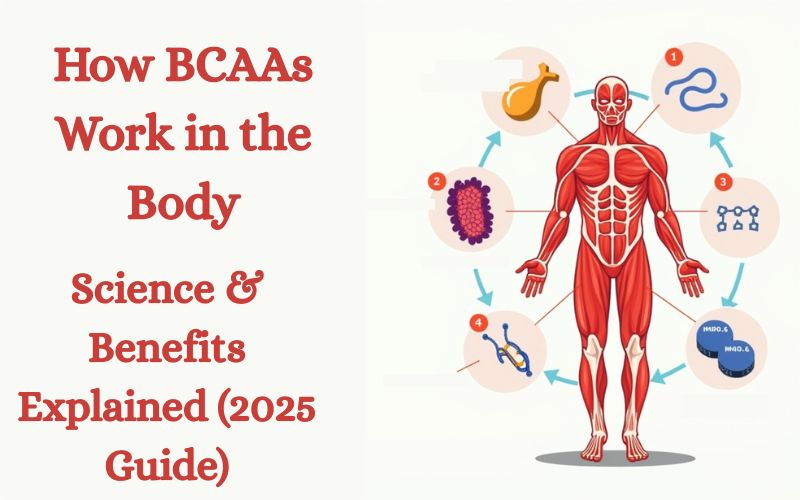














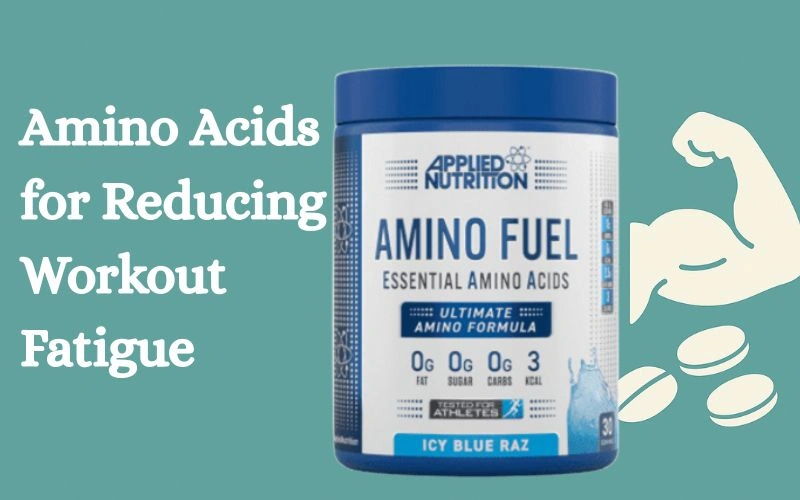
Feeling exhausted mid-workout or struggling to recover afterward is more common than you think. Whether you’re lifting weights, running, cycling, or doing HIIT, your muscles demand constant energy and repair support. This is where amino acids for reducing workout fatigue come in. They serve as the building blocks of protein, help delay exhaustion, support muscle recovery, and improve exercise performance.
In this guide, you’ll learn how amino acids work, which ones are most effective, and how to use them properly to boost endurance and fight fatigue.
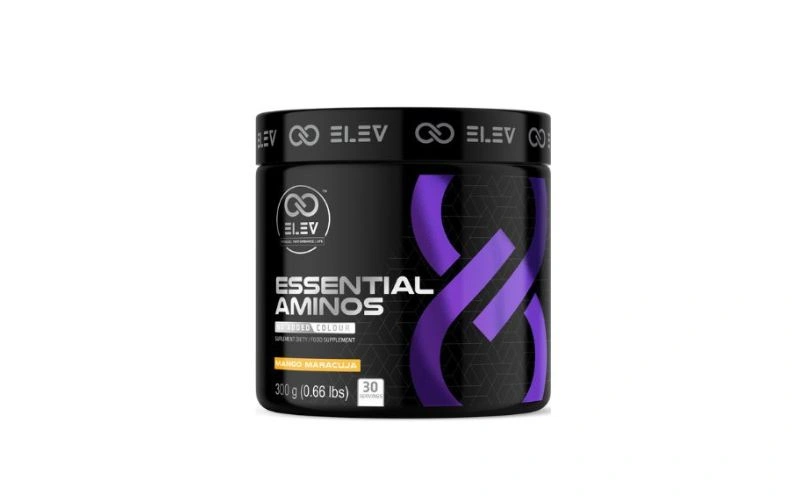
Table of Contents
What Are Amino Acids & Why Do They Matter for Fatigue?
Amino acids are the essential compounds your body uses to build muscle proteins, create enzymes, regulate hormones, and maintain energy levels. When you train hard, your body breaks down muscle tissue and depletes amino acids rapidly. This leads to:
- Early fatigue
- Muscle soreness
- Reduced performance
- Slower recovery
Using targeted amino acids for reducing workout fatigue helps replenish what your muscles lose, allowing you to train harder and recover faster.
There are 20 amino acids in total, divided into:
- Essential Amino Acids (EAAs) – cannot be produced by the body
- Non-essential & Conditional AAs – produced internally but may fall short under stress
- Branched-Chain Amino Acids (BCAAs) – three EAAs crucial for muscle performance
Each group plays a different role, but all contribute to energy, endurance, and reduced exhaustion.
How Amino Acids Reduce Workout Fatigue
Amino acids reduce fatigue through several science-backed mechanisms:
1. They Delay Central Fatigue
During long or intense workouts, serotonin levels rise, making you feel tired.
Amino acids like BCAAs compete with tryptophan, lowering serotonin production and helping you stay energized longer.
2. They Boost Muscle Repair
Hard training breaks down muscle fibers. EAAs, especially leucine, activate muscle protein synthesis, helping your body repair damage quickly.
3. They Reduce Muscle Soreness
Amino acids decrease inflammation and oxidative stress, minimizing post-workout soreness (DOMS).
4. They Support Energy Production
Amino acids like glutamine and arginine support ATP production, the main source of training energy.
Together, these benefits make amino acids for reducing workout fatigue one of the most effective sports-nutrition strategies for athletes and beginners alike.
Best Amino Acids for Reducing Workout Fatigue

Not all amino acids work the same. Here are the most effective for endurance, strength, and overall performance.
1. Essential Amino Acids (EAAs)
EAAs include all nine essential building blocks needed for protein synthesis, making them highly effective for improving endurance, reducing fatigue, and supporting faster muscle recovery. They trigger complete protein synthesis, reduce the breakdown of muscle tissue during intense exercise, and help maintain stamina throughout long training sessions, making them a powerful choice for athletes and fitness enthusiasts.
2. Branched-Chain Amino Acids (BCAAs)
The three BCAAs leucine, isoleucine, and valine are among the most recognized amino acids for enhancing workout performance. They help reduce central fatigue, boost endurance, improve mental focus during training, and minimize post-workout soreness. Because of these benefits, BCAAs are especially popular among runners, powerlifters, and individuals who train in a fasted state.
3. Glutamine
Glutamine plays a crucial role in muscle repair and immune function, making it highly valuable for reducing workout fatigue. It speeds up muscle recovery, helps prevent mid-session energy crashes, and supports glycogen replenishment to keep your muscles fueled. Because of these benefits, glutamine is especially ideal for high-volume training days or back-to-back workout sessions where recovery demands are higher.
4. Arginine & Citrulline
These amino acids help boost nitric oxide (NO) production, which enhances blood flow and improves oxygen delivery to working muscles. As a result, they reduce muscle burn, increase endurance, and support better nutrient delivery during training. This makes them especially beneficial for cardio athletes and lifters who struggle with early muscle fatigue.
How to Use Amino Acids for Maximum Results
Pre-Workout
Taking EAAs or BCAAs before training helps delay fatigue and improve stamina.
Best timing: 20–30 minutes before exercise.
They prepare your muscles for high-intensity performance by supplying readily available amino fuel. Pre-workout amino acids also help improve mental focus, ensuring you start your session strong.
Intra-Workout
Amino acids during training maintain energy levels and keep muscles fueled.
Best options: BCAAs, EAAs, Citrulline.
They help delay muscle burn and prevent mid-session crashes, especially during long workouts. Intra-workout supplementation also supports hydration and keeps your endurance steady from start to finish.
Post-Workout
After training, amino acids accelerate recovery and reduce soreness.
Best timing: Within 30 minutes of completing your workout.
They help repair muscle tissue quickly and support faster protein synthesis when your body needs it most. Post-workout amino acids also reduce inflammation, helping you recover efficiently for your next session.
Who Should Use Amino Acids?
Amino acids benefit you if you are:
- A gym-goer wanting to improve endurance
- Someone tired of early fatigue during workouts
- An athlete who trains twice a day
- A runner, cyclist, or HIIT trainee
- Someone recovering from intense physical activity
Even beginners can experience faster progress by maintaining amino acid levels.
Safety & Side Effects
Amino acids are generally safe when used in recommended doses.
Common side effects are minimal and may include:
- Mild stomach discomfort
- Nausea if taken on an empty stomach with high doses
Always follow the dosage recommended by your supplement brand.
Conclusion: Boost Energy, Reduce Fatigue, Train Better
Using amino acids for reducing workout fatigue is one of the most effective ways to train harder, last longer, and recover faster. Whether you’re an athlete or a fitness enthusiast, amino acids support your energy levels, improve endurance, and help you reach your training goals.
Want high-quality amino acid supplements to power your workouts? Visit Nutritional World today and choose trusted products that support performance and recovery.
FAQs
1. How fast do amino acids work for fatigue?
Amino acids, especially BCAAs and EAAs, usually start working within 20–30 minutes. They quickly support energy production and help delay mental and physical fatigue during workouts.
2. Can I take amino acids every day?
Yes, daily use is safe for most people. Consistent intake helps maintain muscle recovery, energy levels, and performance, especially if you train regularly.
3. Are amino acids better than protein shakes for fatigue?
Amino acids act faster because they are absorbed immediately during workouts, making them better for reducing mid-session fatigue. Protein shakes are slower and better for overall daily nutrition.
4. Which is best for endurance athletes?
EAAs and BCAAs are highly effective for endurance sports like running, cycling, and HIIT. They delay muscle fatigue, improve stamina, and support better performance over long sessions.
5. Can beginners use amino acids?
Yes, beginners can safely use amino acids. They help reduce soreness, improve recovery, and support consistent training making early workouts more manageable.