














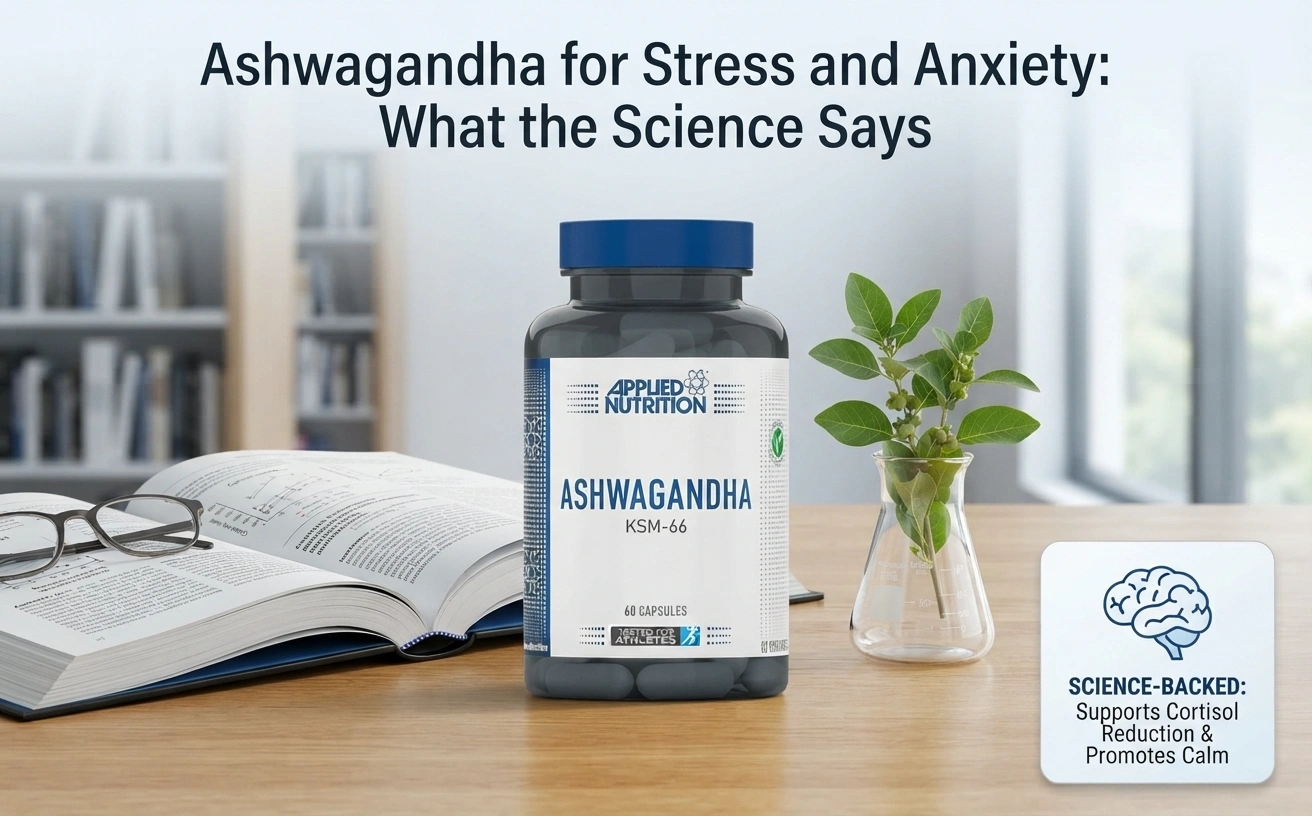
Between long commutes on Lahore’s clogged roads, back to back work targets, and joint family responsibilities, stress has become a daily companion for most Pakistanis. Add in the summer heat that drains energy by mid afternoon, and it is no surprise that more people are searching for a natural way to calm down without reaching for prescription medication. Ashwagandha for stress and anxiety has become one of the most searched wellness topics in Pakistan, and for good reason. This ancient adaptogen is backed by a growing body of clinical research on cortisol, mood, and sleep.
In this guide, we break down what ashwagandha actually does inside the body, what the science really says about anxiety relief, and how to use it safely if you live in Pakistan’s climate and lifestyle.
Table of Contents
What Is Ashwagandha and Why Is It Called an Adaptogen for Stress
Ashwagandha, or Withania somnifera, is a root herb used in Ayurvedic medicine for centuries. It belongs to a category of herbs known as adaptogens. An adaptogen for stress is simply a plant compound that helps the body resist physical and mental stress by supporting the systems that regulate hormones, energy, and mood, rather than sedating the nervous system directly.
The herb works primarily through its effect on the hypothalamic pituitary adrenal axis, the communication loop between the brain and the adrenal glands that controls how much cortisol the body releases in response to stress. When this loop runs too hot for too long, the result is the wired but tired feeling, poor sleep, and irritability that many working professionals in Pakistan describe.

Ashwagandha and Cortisol: The Core Mechanism
The ashwagandha cortisol connection is the most well documented part of the research. Several human trials using standardized root extract have measured a meaningful drop in serum cortisol levels among adults dealing with chronic stress after consistent daily use over four to eight weeks. Because cortisol drives fat storage around the midsection, disrupts sleep, and can interfere with testosterone production, bringing it back into a healthy range has knock on benefits well beyond just feeling calmer.
We covered this hormonal relationship in more depth in our earlier piece on how to lower cortisol and support testosterone naturally, which explains why managing stress hormones matters just as much for men’s health as diet and training do.
What the Research Actually Shows About Anxiety
It is important to be transparent here. According to the National Center for Complementary and Integrative Health, research indicates some ashwagandha preparations may help with stress and insomnia, though the evidence specifically for anxiety disorders is still considered limited rather than conclusive. This does not mean ashwagandha is ineffective. It means the herb works best as a supportive tool for everyday stress and low grade anxious tension, rather than a replacement for clinical treatment of diagnosed anxiety disorders.
Reviews of herbal approaches to stress management note that ashwagandha, along with a small group of other adaptogenic herbs, has an extensive research base showing it can reduce circulating cortisol and corticosterone by acting on the same hypothalamic pituitary adrenal pathway mentioned earlier. For someone dealing with work pressure, exam stress, or the general noise of daily life in a busy Pakistani city, that mechanism translates into feeling less reactive and sleeping more soundly.
KSM 66 Anxiety Research: Why the Extract Matters
Not all ashwagandha supplements are created equal. KSM 66 anxiety studies specifically use a full spectrum root extract standardized to a high concentration of withanolides, the active compounds responsible for the herb’s stress lowering effects. This standardization matters because it removes the guesswork around dosing and potency that comes with lower quality or leaf based extracts sold cheaply in the local market.
When shopping in Pakistan, always check the label for KSM 66 or a similarly standardized extract rather than a generic ashwagandha powder blend, since potency can vary significantly between products.
The Pakistan Angle: Heat, Diet Gaps, and Daily Stress
Pakistan’s climate adds an extra layer to the stress conversation. Long hours of heat exposure, dehydration, and disrupted sleep during summer months already put pressure on the adrenal system. Combine that with diets that are often heavy in refined carbohydrates and light on magnesium rich foods, and the body has fewer natural tools to buffer daily stress.
This is where a consistent adaptogen routine can help fill the gap. We explored similar territory in our article on adaptogens and stress management in athletes, which applies just as well to anyone training in Pakistan’s heat or simply trying to get through a demanding workday without burning out.
Magnesium is another mineral worth pairing with ashwagandha, since it works on a parallel pathway to calm the nervous system and support deeper sleep. Our guide on magnesium glycinate in Pakistan covers how the two can complement each other. For those whose stress shows up mainly at bedtime, our piece on tryptophan for sleep and mood is a useful next read.
How to Take Ashwagandha for Stress and Anxiety
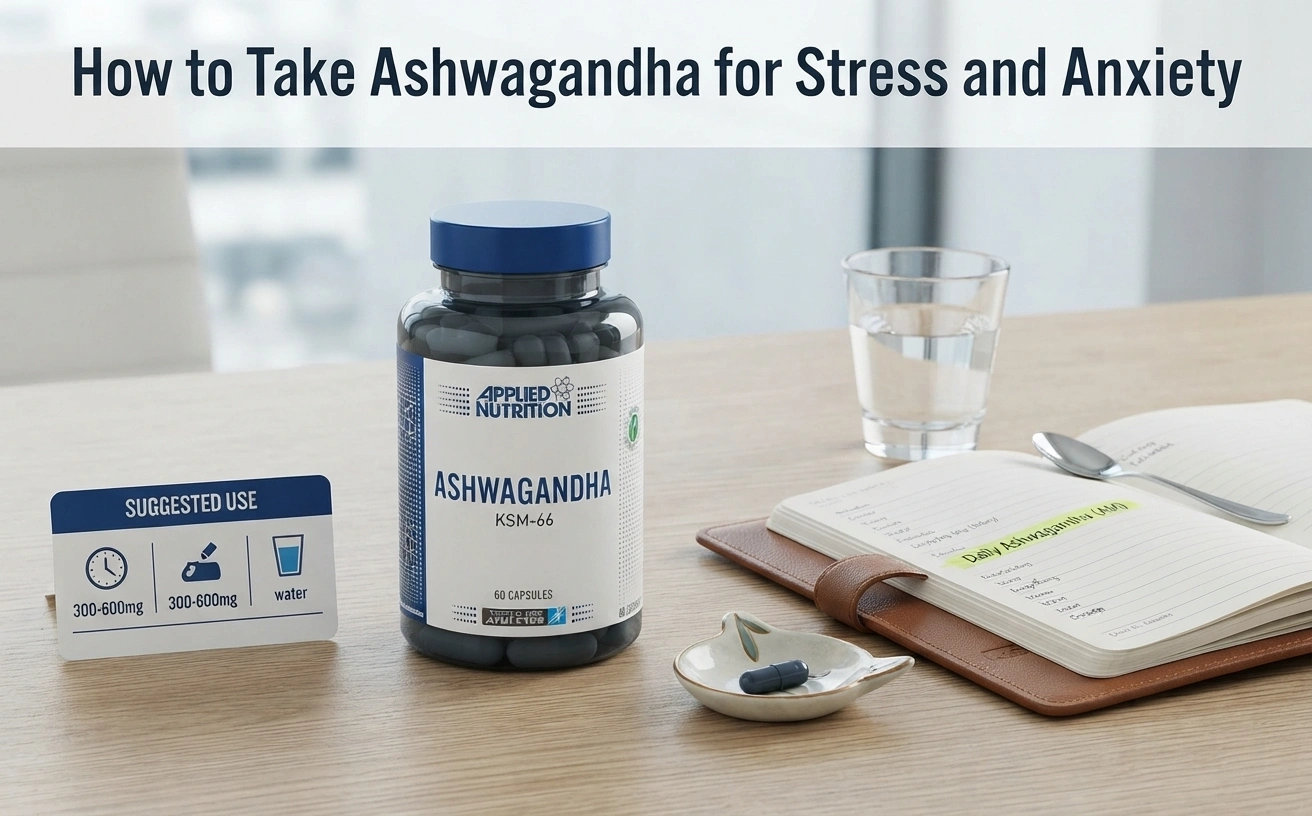
Most clinical trials use between 300 and 600 milligrams of standardized root extract per day, typically split into a morning and evening dose or taken once in the evening if the main goal is better sleep. Results are rarely immediate. Give it a consistent four to eight week window before judging whether it is working, since ashwagandha builds its effect gradually rather than acting like a fast acting sedative.
Taking it with food can reduce the mild stomach upset some people experience when starting out. Our Ashwagandha capsules are formulated with a standardized extract for consistent dosing, and for those who want added recovery support alongside stress relief, our ZMA Pro with Ashwagandha combines the herb with zinc and magnesium for a more complete nighttime formula.
Who Should Be Cautious
Ashwagandha is generally well tolerated, but pregnant women, people with autoimmune thyroid conditions, and anyone on sedative or thyroid medication should speak with a doctor before starting. People with existing liver conditions should also exercise caution, since rare cases of liver stress linked to ashwagandha use have been documented in safety reviews. As with any supplement, quality and dose matter more than simply taking more of it.
Final Thoughts
Ashwagandha for stress and anxiety is not a miracle cure, but it is one of the better researched natural options available for people dealing with the grind of daily life in Pakistan. Its effect on cortisol is genuinely well supported, its effect on anxiety specifically is promising but still developing, and a standardized KSM 66 extract gives you the most reliable results. Paired with better sleep habits, regular movement, and a diet that supports your nervous system, it can be a useful piece of a bigger stress management routine.
Frequently Asked Questions
Does ashwagandha really lower cortisol levels?
Yes, multiple human studies using standardized root extract show a measurable reduction in cortisol after four to eight weeks of consistent daily use, especially in adults dealing with chronic stress or poor sleep quality.
How long does ashwagandha take to work for anxiety?
Most people notice gradual improvements in stress tolerance and sleep within four to eight weeks of daily use. It is not a fast acting sedative, so consistency matters more than the size of a single dose.
What is the best ashwagandha dosage for stress relief?
Clinical trials commonly use 300 to 600 milligrams of standardized root extract daily, often split into morning and evening doses. Always follow the label guidance on your specific product for accurate dosing.
Is KSM 66 better than regular ashwagandha powder?
KSM 66 is a standardized full spectrum extract with consistent withanolide content, making dosing more predictable than generic powders, which can vary widely in potency and purity across different suppliers.
Can ashwagandha be taken with testosterone boosters?
Yes, since lowering cortisol can indirectly support healthy testosterone levels. Many men in Pakistan pair ashwagandha with a broader natural testosterone routine, though it is wise to check with a doctor if taking other supplements.