














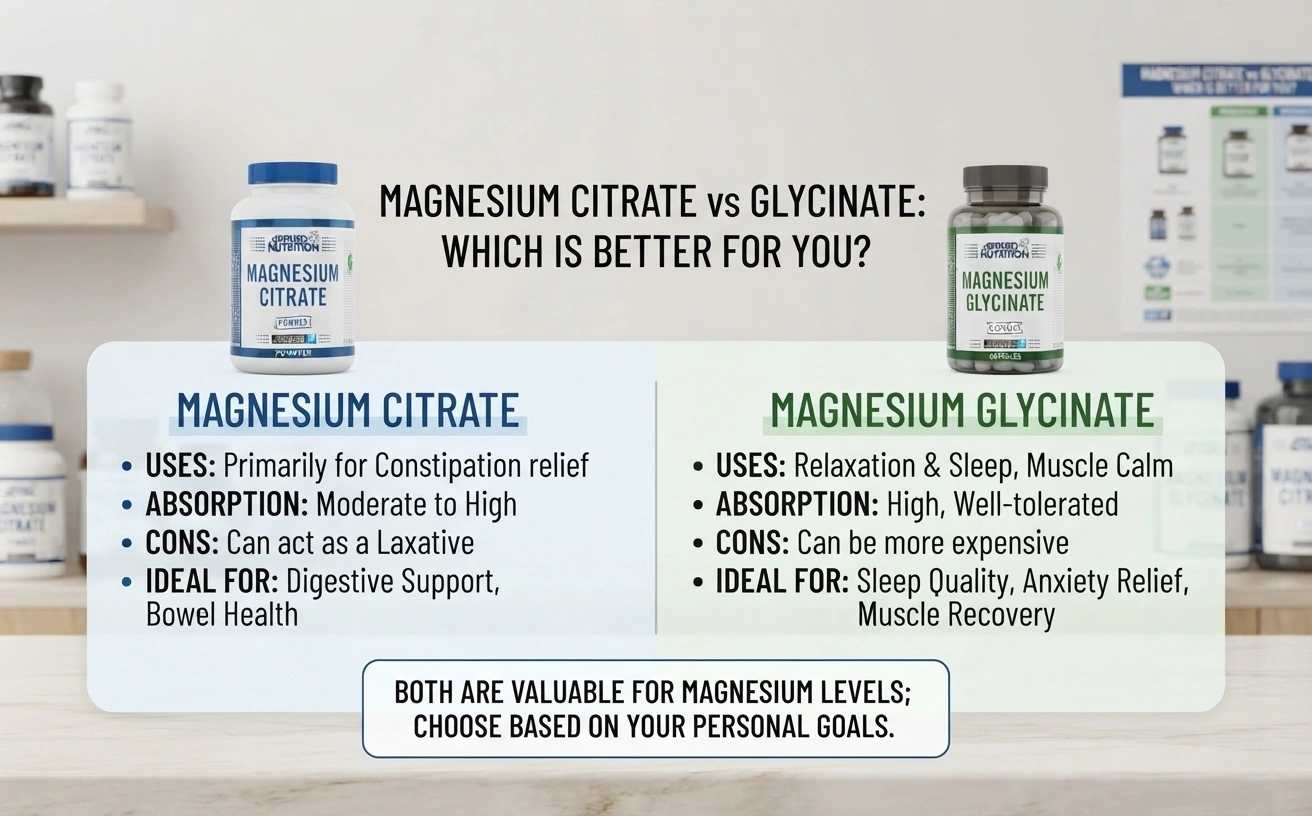
Magnesium is one of the most important minerals for muscle function, energy production, and nervous system health, yet many people in Pakistan do not get enough of it from diet alone. When it comes to choosing a supplement, the debate usually comes down to two forms: magnesium citrate vs glycinate. Both raise magnesium levels in the body, but they work differently and suit different goals. This guide breaks down the differences so you can pick the right one for your body and your budget.
Table of Contents
What Is Magnesium and Why Your Body Needs It
Magnesium supports over 300 enzyme reactions in the body, including muscle contraction, nerve signaling, blood sugar control, and bone strength. A shortage can show up as cramps, fatigue, poor sleep, or irritability. Since magnesium works closely with other minerals, many people also look at how it pairs with calcium for bone health, or combine it with a daily multivitamin to cover other gaps in the diet.
Magnesium Citrate: Benefits and Uses
Magnesium citrate is magnesium bound with citric acid. It is one of the more affordable and widely available magnesium types, and it absorbs reasonably well in the gut. Because it has a mild laxative effect, it is often used for occasional constipation and slow digestion. People who want a general-purpose magnesium supplement, without a specific focus on sleep or sensitivity issues, often start here. It works well when taken with meals and is a common choice among people newer to supplementation, similar to how beginners approach multivitamin tablets before moving to more targeted products.

Magnesium Glycinate: Benefits and Uses
Magnesium glycinate pairs magnesium with the amino acid glycine, which is known for its calming effect on the nervous system. This form is gentler on the stomach and less likely to cause the loose stools associated with citrate, making it a better fit for people with sensitive digestion. It is also the more commonly recommended form for relaxation, stress management, and better sleep quality. If you want a deeper look at how this form works specifically for a Pakistani diet and lifestyle, the earlier guide on magnesium glycinate in Pakistan covers dosage and sourcing in more detail.
Magnesium Citrate vs Glycinate: Key Differences
| Factor | Magnesium Citrate | Magnesium Glycinate |
| Absorption | Good | Very good |
| Effect on stomach | Can cause loose stools | Gentle, low GI upset |
| Best for | Constipation, general use | Sleep, stress, sensitive stomachs |
| Price | Usually lower | Usually higher |
| Taste and mixing | Slightly tangy | Neutral |
Neither form is universally better. The right pick depends on what problem you are trying to solve, your budget, and how your digestion responds.
Which Magnesium Type Is Best for Sleep
If your main goal is magnesium for sleep, glycinate is generally the stronger choice. The glycine component supports relaxation and does not carry the digestive side effects that can disturb sleep at night. Some people also stack it with other calming nutrients, such as those covered in the guide on tryptophan for sleep and mood, for a more complete night-time routine. Citrate can still support sleep indirectly by correcting a deficiency, but it is not the first choice when sleep quality is the primary concern.
Magnesium Types Explained: Choosing the Right One for Your Goal
Beyond citrate and glycinate, there are other magnesium types on the market, such as oxide and malate, but these two remain the most practical for everyday use in Pakistan. A simple way to decide:
- Choose citrate if you deal with occasional constipation or want an affordable, general magnesium source.
- Choose glycinate if you want better sleep, lower stress, or have a sensitive stomach.
- Combine either with a balanced diet and, where needed, a vitamin D supplement, since vitamin D and magnesium work together in bone and muscle health.
Best Magnesium Supplement for Pakistani Users
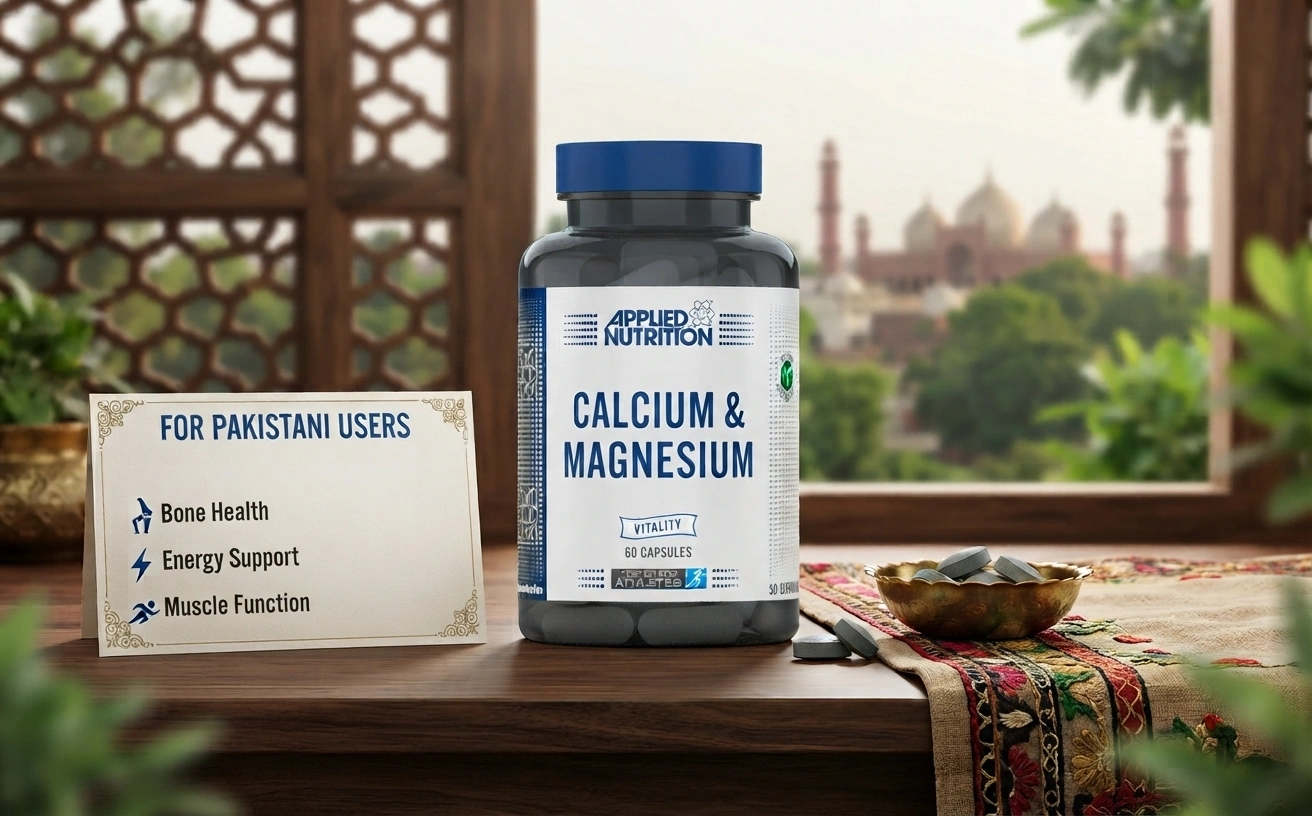
When shopping locally, look for a product that clearly states the elemental magnesium content per serving, not just the total compound weight. Combination products such as calcium magnesium tablets can be convenient if you want both minerals in one dose. For those focused purely on relaxation and sleep support, a dedicated glycinate product is usually worth the extra cost. You can browse current options in the supplement shop to compare price and serving size before buying.
How to Choose Between Citrate and Glycinate
Ask yourself three questions before buying:
- Is my main concern digestion or sleep?
- Does my stomach react badly to laxative-type supplements?
- Am I taking magnesium alongside other supplements, such as a vitamin B12 product or a general multivitamin?
If digestion and cost matter most, citrate is a reasonable starting point. If sleep, stress, or stomach sensitivity are the priority, glycinate is the better long-term option.
FAQs
Is magnesium citrate or glycinate better for sleep?
Magnesium glycinate is better for sleep. The glycine content has a calming effect on the nervous system and does not cause the digestive discomfort that can interrupt rest at night.
Can I take magnesium citrate and glycinate together?
You generally do not need both at once. Pick one based on your main goal, since taking excess magnesium from two sources can lead to stomach upset or diarrhea.
Which magnesium type is gentlest on the stomach?
Magnesium glycinate is gentlest on digestion. It does not draw water into the intestines the way citrate does, so it rarely causes loose stools or cramping.
Is magnesium citrate good for constipation?
Yes, magnesium citrate is commonly used for constipation because it has a mild laxative effect. It draws water into the intestines, which helps soften stool and ease bowel movements.
What is the best magnesium supplement for daily use in Pakistan?
The best magnesium supplement depends on your goal. Citrate suits general daily use and digestion, while glycinate suits sleep and stress support with fewer stomach side effects.