












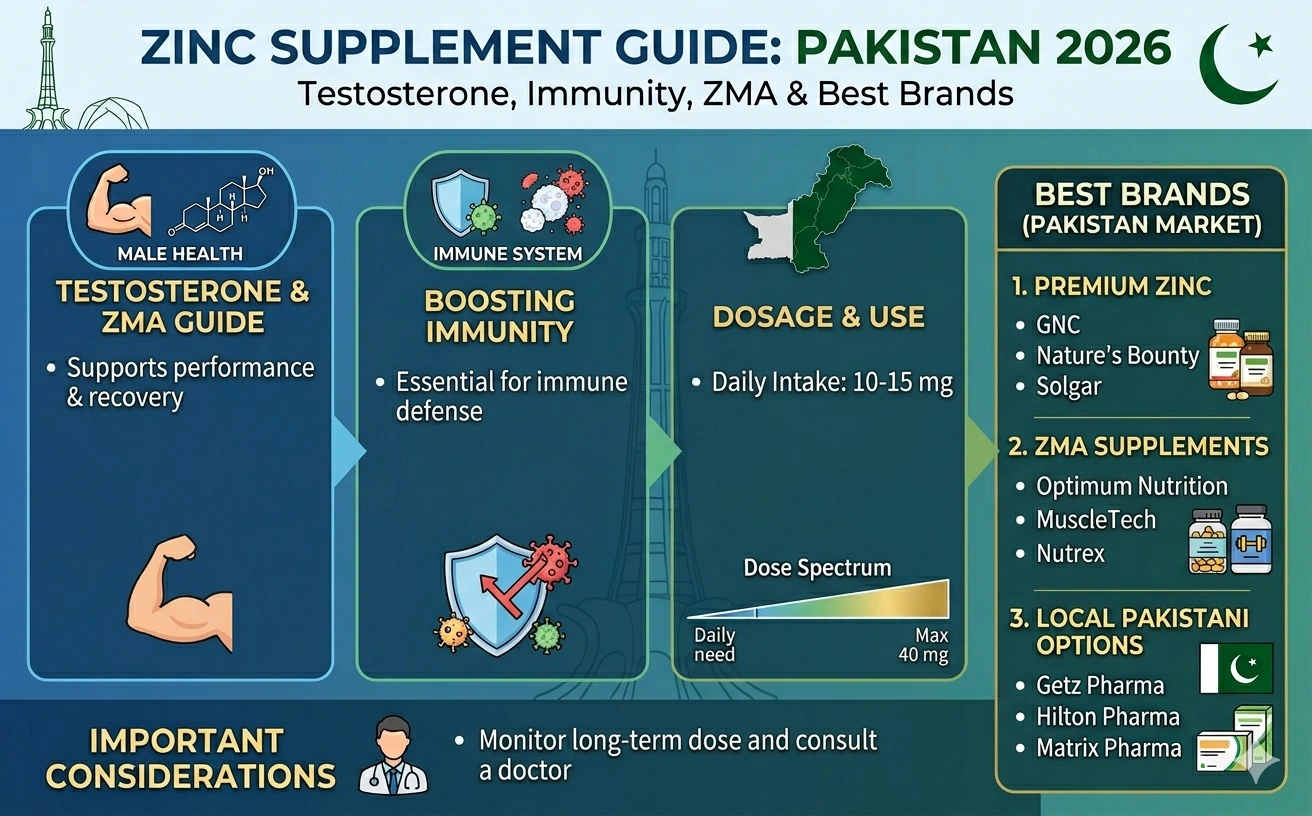
Zinc is one of the most overlooked minerals in Pakistan’s supplement conversation, yet it sits at the center of testosterone production, immune defence, skin health, protein synthesis, and wound healing. The reason most Pakistani men do not get enough of it has less to do with not eating enough food and more to do with what they eat alongside it. Roti, daal, and rice form the backbone of the average Pakistani meal, and all three contain compounds that actively block zinc from being absorbed. Understanding this dynamic changes how you approach the zinc supplement Pakistan market entirely, because dietary zinc alone is often not the solution.
This guide covers the science behind zinc deficiency in the Pakistani context, which supplement forms actually absorb versus which ones are a waste of money, a complete ZMA breakdown for men targeting testosterone and recovery, and the only two verified products from NutritionalWorld.com.pk with confirmed PKR prices.
Table of Contents
Why Zinc Deficiency Is a Specific Problem for Pakistani Men
Zinc deficiency affects an estimated one in three people in South Asia, a figure far higher than in Western populations. The reasons are structural, rooted in the dietary patterns that define daily eating across Pakistan rather than simply individual food choices.
The Testosterone Connection
Zinc is a direct co-factor in testosterone biosynthesis. The enzyme 5-alpha reductase, which converts testosterone into its more active form dihydrotestosterone, requires zinc to function. Luteinizing hormone, which signals the testes to produce testosterone, is also zinc-dependent. When zinc status is low, even a man with otherwise healthy hormonal function will see suppressed testosterone output. Clinical studies have consistently shown that restoring zinc levels in deficient men produces measurable increases in serum testosterone without any other hormonal intervention.
For men already working to support natural testosterone production through diet, training, and supplementation, the guide on halal-certified natural testosterone support approaches in Pakistan places zinc in the proper context alongside other evidence-backed interventions. Zinc is foundational; everything else stacks on top of it.
Immunity, Skin, and Training Recovery
Beyond testosterone, zinc is involved in over 300 enzymatic reactions in the body. For Pakistani men specifically, three other areas are particularly relevant.
- Immune function: Zinc is required for the development and activation of T-lymphocytes, the white blood cells that direct immune responses. Low zinc increases susceptibility to respiratory infections, which is particularly significant during Pakistan’s winter months and post-Ramadan fasting periods when immune pressure is elevated.
- Skin and hair health: Zinc regulates sebaceous gland activity and supports keratin production. Acne, oily skin, slow wound healing, and brittle hair are among the first visible signs of chronic zinc depletion, all of which are common complaints among Pakistani men in their twenties and thirties.
- Post-training recovery: Athletes and gym-goers lose significant zinc through sweat. High-volume training without zinc replenishment delays muscle repair, increases cortisol retention post-workout, and reduces the anabolic window after sessions. The role of key vitamins and minerals in training recovery identifies zinc as one of the three most critical minerals for active Pakistani men alongside magnesium and Vitamin D.
Pakistani Foods That May Reduce Zinc Absorption
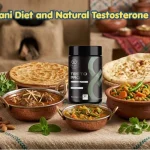
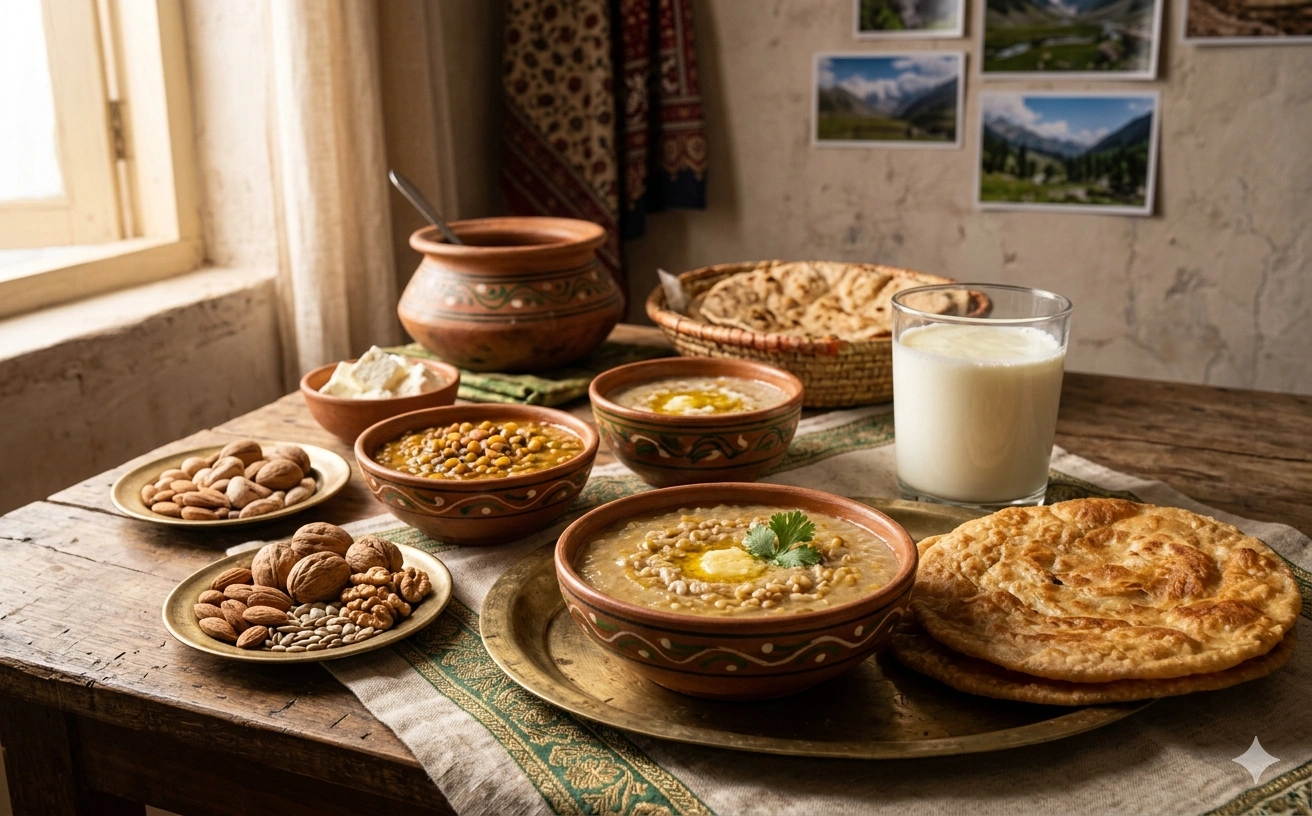
This is the section most Pakistani men have never read anywhere, and it explains why eating what feels like a reasonably nutritious diet still leaves zinc levels consistently low. The issue is phytic acid, a naturally occurring compound in plant seeds that binds to zinc, iron, and calcium in the digestive tract and prevents their absorption. Pakistan’s staple diet is essentially a phytate delivery system.
Roti (Wheat bread)
Unrefined whole wheat flour contains among the highest phytate concentrations of any food. Three to four rotis at a single meal can block a significant portion of the zinc eaten alongside it.
Daal (Lentils)
All lentil varieties including masoor, moong, and chana daal are high in phytates. Daal twice daily, a common pattern in Pakistani households, creates a sustained phytate load throughout the day.
Rice
Brown rice in particular contains notable phytate levels. White rice is lower but still contributes to the overall phytate burden when eaten in large quantities.
Chai with meals
Tea contains polyphenols and tannins that inhibit zinc absorption. Drinking chai immediately after or during meals compounds the phytate problem by adding a second absorption-blocking mechanism.
Chickpeas (Chana)
A popular protein source in Pakistani vegetarian cooking, chickpeas are high in phytates. Chana chaat and cholay are nutritious but significantly reduce zinc availability when eaten regularly.
Spinach (Palak)
While nutritious in many ways, spinach contains oxalates that interfere with mineral absorption. Eaten alongside roti in palak dishes, the combined inhibition effect on zinc is meaningful.
Practical takeaway: Taking your zinc supplement at the same time as a roti and daal meal will reduce how much zinc is actually absorbed. Take zinc either first thing in the morning before breakfast, between meals, or at bedtime well away from phytate-heavy food. This single timing adjustment can meaningfully improve the benefit you get from the same dose.
The best zinc food sources that are not heavily affected by phytates are red meat, chicken, eggs, and seafood. For men who eat these regularly, dietary zinc may partially compensate. For vegetarian or semi-vegetarian Pakistanis, supplementation is essentially non-negotiable for maintaining adequate zinc status. Understanding the full set of nutrients most commonly deficient in the Pakistani diet shows that zinc sits alongside Vitamin D, magnesium, and iron as foundational supplementation priorities.
Zinc Forms: Which One Actually Absorbs?
Not all zinc supplements are the same. The elemental zinc content and the form it is bound to determine how much your body can actually use. Many cheap products use zinc oxide, which has a high elemental zinc percentage on paper but delivers far less to the body than premium chelated forms.
| Zinc Form | Absorption Rate | Stomach Tolerance | Common In |
| Zinc Bisglycinate Best | 50 to 60% | Excellent | Premium supplements |
| Zinc Picolinate | 45 to 55% | Very good | Quality supplements |
| Zinc Gluconate | 35 to 45% | Good | Mid-tier supplements |
| Zinc Citrate | 35 to 45% | Good | Mid-tier supplements |
| Zinc Sulfate | 20 to 30% | Can cause nausea | Budget supplements |
| Zinc Oxide | Below 10% | Poor at higher doses | Cheapest local products |
Applied Nutrition’s zinc product uses an easily absorbed source described as contributing to normal immune system function during and after intense physical exercise, which aligns with the chelated or gluconate category based on its absorption claims and price point. The key point is that the form matters far more than the milligram number on the label. A 15 mg dose of zinc bisglycinate delivers more usable zinc than 50 mg of zinc oxide.
ZMA Explained: Why Zinc Works Better With Magnesium and B6
ZMA is a combination of zinc, magnesium, and Vitamin B6 that has been used in sports nutrition for decades. The logic behind combining the three is not marketing convenience; it is biochemical synergy. All three nutrients are depleted through physical activity and stress, all three are consistently low in the Pakistani diet, and all three work on overlapping hormonal and recovery pathways where the effect of each is amplified by the presence of the others.
How Each Component Contributes
- Zinc supports testosterone biosynthesis, immune function, and enzymatic protein metabolism. It is the anchor of the ZMA stack for male hormonal health.
- Magnesium supports nervous system function, muscle relaxation, sleep quality, and ATP energy production. Without adequate magnesium, the physical recovery benefits of training are significantly blunted overnight. The full explanation of how magnesium deficiency affects recovery and sleep in Pakistani athletes covers the mechanism in detail.
- Vitamin B6 is a cofactor in over 100 enzyme reactions and contributes to the reduction of tiredness and fatigue. It also plays a role in protein metabolism and the synthesis of neurotransmitters that affect sleep quality and mood.
Taken together before bed, ZMA compounds the sleep and recovery benefits of each individual component while addressing testosterone support through a different mechanism than ashwagandha does. Stacking ZMA with an adaptogen like ashwagandha covers both the zinc-testosterone pathway and the cortisol-testosterone pathway simultaneously, which is why the combined ZMA Pro + Ashwagandha formulation is the most comprehensive single-product approach available at NutritionalWorld Pakistan.
When to Take ZMA for Maximum Effect
The optimal window is 30 to 60 minutes before sleep, on an empty stomach or at least two hours after the last meal. Taking ZMA with food, particularly a phytate-heavy Pakistani dinner, reduces zinc and magnesium absorption through the same mechanism described above. The empty-stomach or light-snack protocol maximizes mineral uptake and allows both compounds to begin supporting the hormonal and neurological processes that occur during deep sleep.
Zinc and ZMA Products Verified Prices 2026
The two products below are the only zinc-containing supplements verified as currently listed on NutritionalWorld.com.pk. Both are Applied Nutrition products imported from the UK. All prices are sourced directly from the product pages with no estimation or rounding.
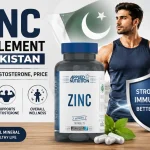
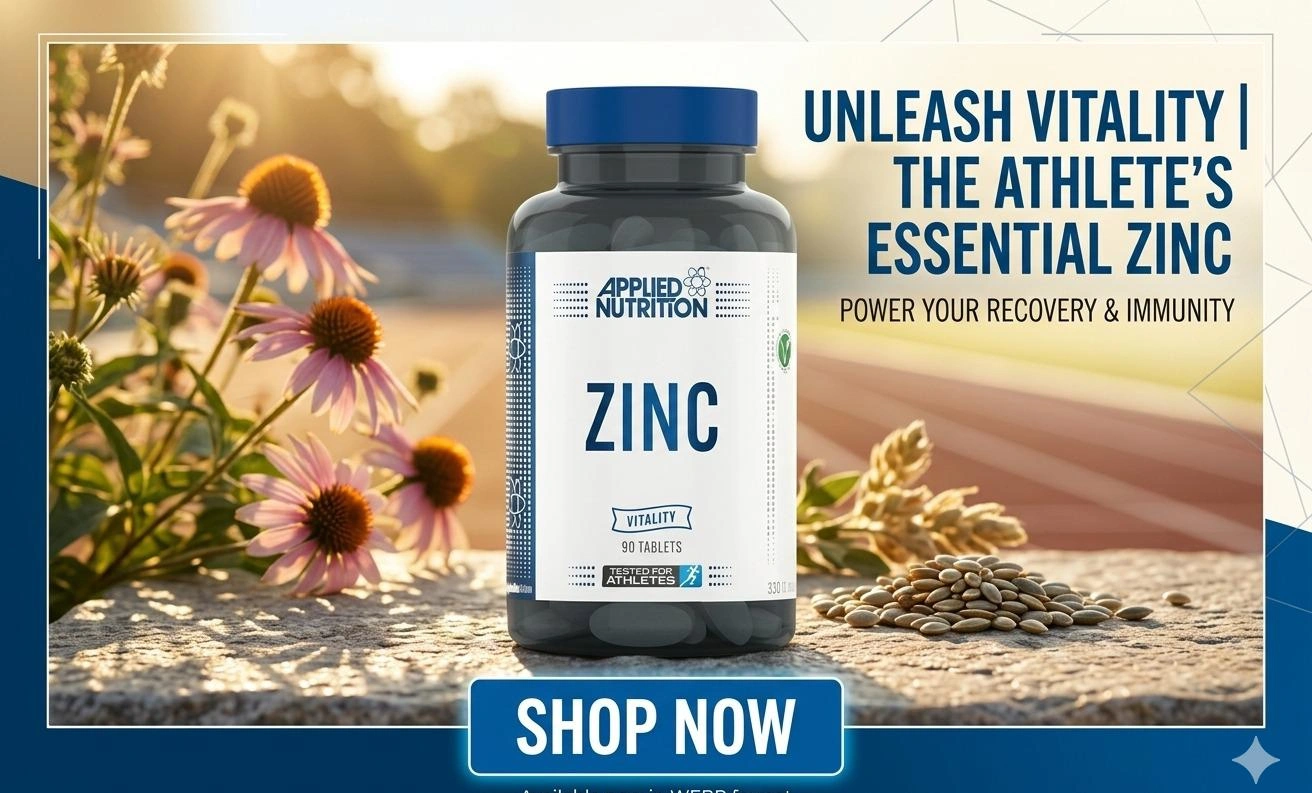
Applied Nutrition Zinc — 90 Veggie Tabs
PKR 2,800 PKR 3,500 Halal Certified
A standalone zinc supplement using an easily absorbed source, encapsulated in plant-based veggie tablets suitable for all dietary and religious requirements. Provides 90 servings at one tablet per day, making it a 3-month supply at the recommended daily dose. Every batch is tested for banned substances at an ISO 17025 accredited lab and manufactured in a GMP-certified facility. Designed specifically to support immune function during and after intense physical exercise, alongside its broader roles in testosterone metabolism and protein synthesis.
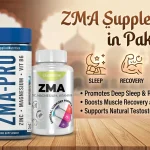
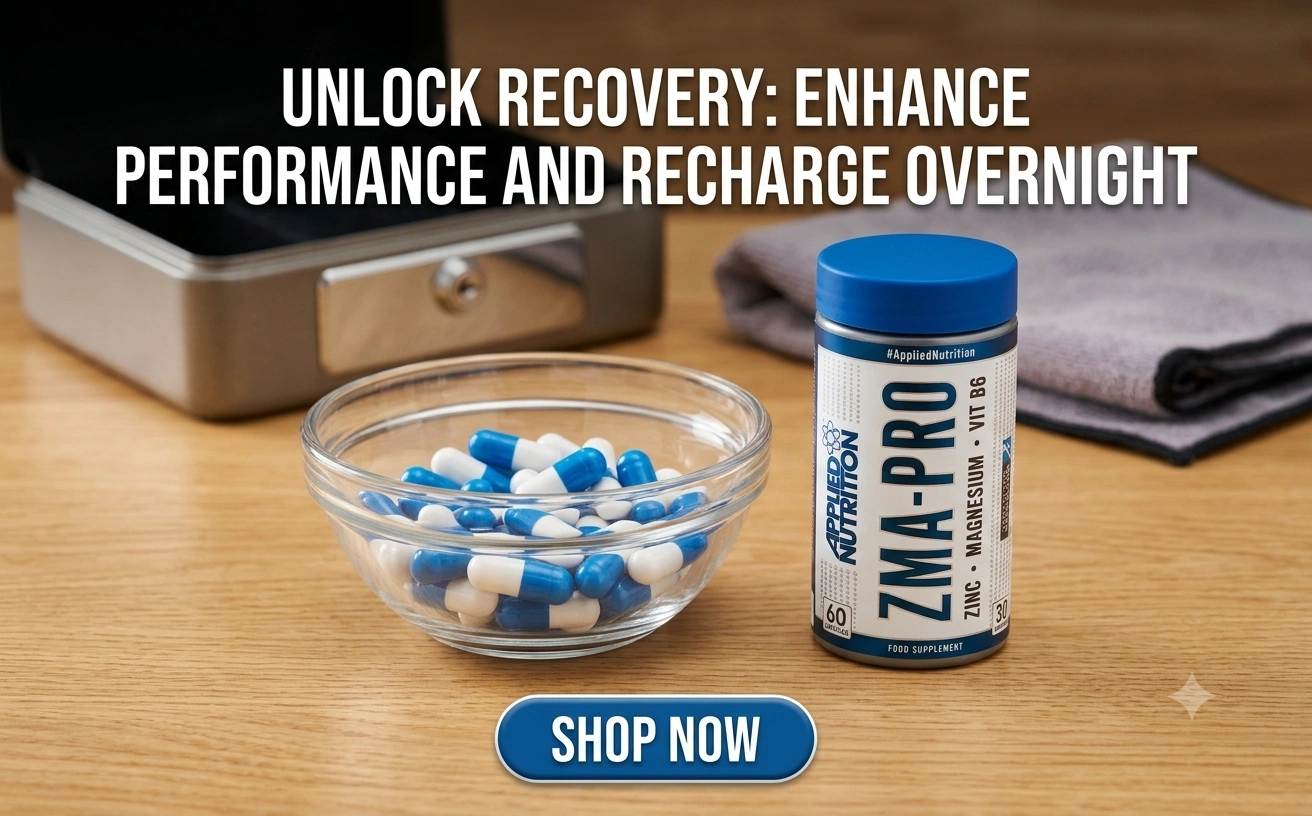
Applied Nutrition ZMA Pro + Ashwagandha KSM-66 — 60 Caps
PKR 3,600 PKR 4,500 Halal Certified
The most comprehensive nighttime recovery and testosterone support formula available at NutritionalWorld. Combines zinc, magnesium, and Vitamin B6 in the classic ZMA ratio with KSM-66 ashwagandha extract and AstraGin for enhanced bioavailability. Taking two capsules before bed covers four overlapping mechanisms: zinc for testosterone biosynthesis, magnesium for sleep and muscle recovery, B6 for fatigue reduction, and KSM-66 ashwagandha for cortisol modulation. This is the best ZMA supplement in Pakistan for men who want one product to handle the full nighttime hormonal and recovery stack. Halal certified with plant-based capsule shells.
Which one to choose? If you already take a standalone magnesium supplement or ashwagandha product and want to add zinc separately, the Applied Nutrition Zinc 90 Veggie Tabs at PKR 2,800 is the clean, no-overlap option at a 3-month supply per bottle. If you want a single before-bed product that handles testosterone, recovery, sleep, and cortisol in one serving, the ZMA Pro + Ashwagandha at PKR 3,600 is the stronger value over the course of a month.
Zinc Dosage Guide for Pakistani Men
Getting the dose right matters both for effectiveness and safety. Zinc is one of the few minerals where excess supplementation can cause problems, including copper depletion and nausea, so staying within the evidence-based range is important.
| Goal | Daily Zinc Dose (Elemental) | Timing | Notes |
| General maintenance | 10 to 15 mg | Morning or before bed | Standard for most adults |
| Testosterone support | 15 to 25 mg | Before bed, away from meals | Clinical range for hormonal effect |
| Active athletes | 20 to 30 mg | Post-workout or before bed | Accounts for sweat losses |
| Immune support | 15 to 25 mg | With light food | During illness or recovery periods |
| Maximum tolerable intake | 40 mg per day | Do not exceed | Above this risks copper depletion |
Most men in Pakistan doing regular gym training fall in the 20 to 30 mg daily range for optimal benefit. The Applied Nutrition Zinc product provides a standard daily dose per tablet; check the product label for the exact elemental zinc amount per serving. For those using the ZMA Pro + Ashwagandha formulation, the combined zinc, magnesium, and B6 in the 2-capsule serving is pre-calibrated to the ZMA protocol dosing range used in clinical research.
Who Needs a Zinc Supplement in Pakistan?
Zinc supplementation is not only for gym athletes. Several common Pakistani lifestyle profiles create zinc depletion that has nothing to do with training intensity.
- Men eating roti, daal, and rice as daily staples with limited red meat or seafood intake, regardless of whether they train
- Gym-goers training more than three days per week in Pakistan’s heat, where sweat-related zinc losses are significantly higher than in cooler climates
- Men experiencing acne, hair thinning, or slow skin healing, which are among the first and most visible signs of chronic zinc depletion
- Anyone who gets sick frequently, particularly with recurrent respiratory infections or prolonged recovery from colds, where zinc-dependent immune function is clearly impaired
- Pakistani men over 35, where both zinc absorption efficiency and testosterone levels decline naturally and the combination of dietary phytate exposure and age creates a compounding deficit
- Students during high-stress periods, since both psychological stress and poor study-time eating habits that favor quick roti-based meals accelerate zinc depletion
For those building a full supplement routine that includes zinc, the comprehensive supplement stacking guide for Pakistani athletes shows exactly how zinc fits alongside protein, creatine, Vitamin D, magnesium, and omega-3 in a prioritized monthly budget.
Halal Certification: Confirming Before You Buy
Halal certification is a non-negotiable filter for Pakistani Muslim consumers when choosing any supplement. Both Applied Nutrition zinc products available at NutritionalWorld Pakistan use plant-based veggie capsule or tablet shells, which resolves the most common halal concern around gelatin-based capsules derived from non-halal animal sources.
Additionally, both products carry formal halal certification and are manufactured in a GMP facility with batch-level testing. This combination of plant-based delivery, halal certification, and third-party laboratory verification represents the standard that imported supplement brands sold through authorized retailers in Pakistan should meet. The guide on verifying halal certification in food supplements covers what the certification label should state and how to cross-check its validity before purchasing.
Frequently Asked Questions
Why are Pakistani men particularly prone to zinc deficiency?
Pakistani men face zinc deficiency primarily because the staple diet of roti, daal, and rice is high in phytic acid, which binds to zinc in the gut and blocks absorption. Low red meat intake, high sweat losses in Pakistan’s summer heat, and intense training further drain zinc reserves. This combination makes zinc deficiency structurally common in Pakistan regardless of how much food is eaten overall.
What is the price of zinc tablets in Pakistan in 2026?
Applied Nutrition Zinc 90 Veggie Tabs is priced at PKR 2,800 on NutritionalWorld Pakistan, discounted from PKR 3,500. The ZMA Pro + Ashwagandha 60 Caps, combining zinc with magnesium, B6, and KSM-66 ashwagandha, is listed at PKR 3,600, discounted from PKR 4,500. Both are imported from the UK with full halal certification and ISO 17025 batch testing. Check product pages for restocking updates.
Which zinc form absorbs best in the body?
Zinc bisglycinate and zinc picolinate are the most bioavailable forms, delivering 50 to 60 percent of the elemental zinc to the body. Gluconate and citrate are also well-absorbed mid-tier options. Zinc oxide, found in many cheap local supplements, absorbs below 10 percent and frequently causes stomach discomfort. Choosing an easily absorbed source like that used in Applied Nutrition products is far more important than choosing the highest milligram count.
What is ZMA and how does it help Pakistani men?
ZMA is a combination of zinc, magnesium, and Vitamin B6 designed to address deficiencies that are especially common in active Pakistani men. Zinc supports testosterone production, magnesium improves sleep and muscle recovery, and B6 reduces fatigue. All three are depleted through sweat and phytate-heavy diets. Taking ZMA before bed addresses hormonal and recovery gaps simultaneously, making it one of the highest-value supplement combinations for men in Pakistan.
Does roti block zinc absorption?
Yes. Unrefined wheat flour in roti contains phytic acid that binds to zinc in the digestive tract and prevents absorption. Eating three to four rotis at a single meal can block a meaningful portion of the zinc consumed alongside it. The practical solution is to take zinc supplements away from roti-based meals, either first thing in the morning, between meals, or at bedtime, to ensure the zinc you supplement actually reaches your bloodstream.
Final Recommendation: Which Zinc Product to Buy in Pakistan
Zinc is not optional for Pakistani men eating a standard roti and daal diet. The phytate content of daily staple foods, combined with heat-related sweat losses and training demands, creates a structural deficit that dietary adjustment alone rarely corrects fully. The right zinc supplement, taken at the right time and in an absorbable form, is one of the highest-return investments available for testosterone support, immune function, and recovery quality.
Both Applied Nutrition products available through NutritionalWorld Pakistan meet the core criteria: halal certified, plant-based capsule or tablet shell, easily absorbed zinc source, UK imported, and batch-tested. For standalone zinc supplementation across 90 days, the Applied Nutrition Zinc 90 Veggie Tabs at PKR 2,800 is the most economical choice. A complete nighttime hormonal and recovery stack combining zinc, magnesium, B6, and KSM-66 ashwagandha in a single before-bed serving, the ZMA Pro + Ashwagandha at PKR 3,600 delivers the strongest overall value for men serious about their hormonal health.
For those building out a broader supplement foundation, understanding the connection between diet, mineral status, and hormonal regulation in Pakistani men and reviewing the evidence on the most effective natural testosterone support protocols will help you get the most from zinc as part of a complete routine rather than as a standalone fix.