













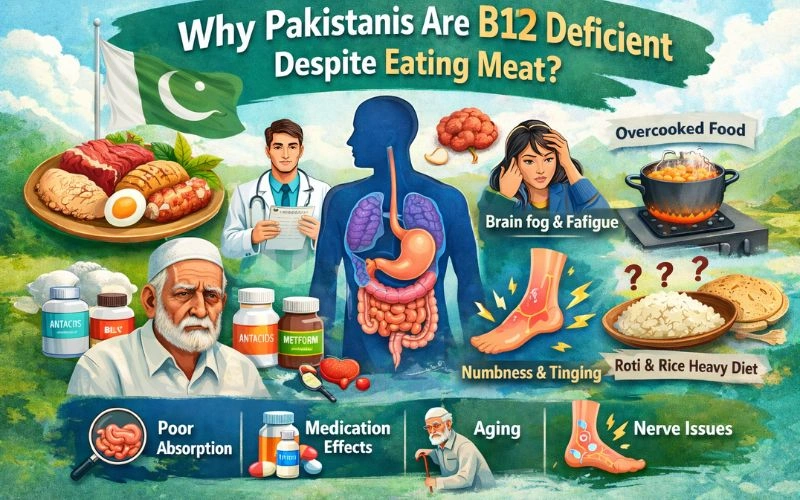
Many Pakistanis are surprised to learn they are deficient in vitamin B12, even though meat is a regular part of their diet. Since vitamin B12 is commonly associated with animal foods like beef, chicken, eggs, and dairy, deficiency often seems impossible for meat-eaters. Yet, doctors across Pakistan frequently diagnose B12 deficiency in people who consume meat multiple times a week, leading many to explore vitamin B12 supplements in Pakistan as part of their treatment plan.
So what is going wrong? The answer lies not just in what we eat, but how our bodies absorb and use vitamin B12. Factors like digestive health, medications, age, cooking practices, and lifestyle habits all play a major role. This article explains why Pakistanis can still suffer from B12 deficiency despite eating meat, how to recognize the symptoms, and what practical steps you can take to correct and prevent it.
Table of Contents
Vitamin B12 Deficiency Despite Eating Meat. Why?
Vitamin B12 is essential for:
- Red blood cell formation
- Nerve health and brain function
- DNA synthesis
- Energy metabolism
Eating meat provides B12, but intake alone does not guarantee adequate levels. Vitamin B12 has one of the most complex absorption pathways of any vitamin. Even small disruptions in digestion can significantly reduce how much B12 your body actually absorbs.
In Pakistan, where digestive issues and self-medication are common, this problem is far more widespread than most people realize.
Absorption Issues: How Vitamin B12 Is Absorbed
To understand why meat alone is not enough, it helps to walk through what actually needs to happen for B12 to reach your bloodstream. Vitamin B12 absorption is a multi-step physiological process that depends heavily on proper digestive function. Even when dietary intake is adequate, a disruption at any stage can lead to deficiency.
For effective absorption, the body requires:
- Adequate stomach acid to release vitamin B12 from protein-bound food sources
- Intrinsic factor, a specialized protein produced by the stomach lining that binds to B12
- A healthy small intestine (particularly the ileum) to absorb the vitamin into the bloodstream
If any of these steps are impaired, vitamin B12 absorption decreases, often without immediate symptoms, resulting in gradual deficiency.
Common Vitamin B12 Absorption Problems in Pakistan
In Pakistan, digestive health issues are widespread and frequently underdiagnosed or self-treated. These conditions significantly increase the risk of impaired B12 absorption:
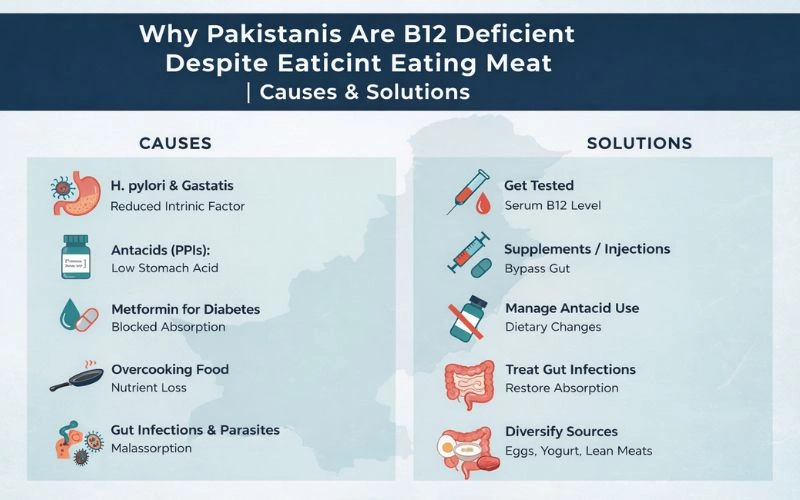
- Chronic gastritis, often caused by H. pylori infection
- Acid reflux (GERD) and long-term use of antacids or proton pump inhibitors (PPIs)
- Irritable bowel issues and functional digestive disorders
- Recurrent stomach and intestinal infections linked to poor water and food hygiene
- History of intestinal or gastric surgery, which can reduce intrinsic factor production or absorption surface area
Because digestive discomfort is commonly normalized or treated with over-the-counter remedies, vitamin B12 deficiency often develops silently over years, only becoming noticeable once neurological, blood-related, or cognitive symptoms appear.
Aging
Beyond digestive conditions, age itself is one of the most consistent risk factors for B12 deficiency. As people age, stomach acid production naturally declines. Lower stomach acid means:
- Poor release of B12 from meat
- Reduced intrinsic factor activity
- Lower overall absorption
In Pakistan, older adults are rarely screened for vitamin deficiencies unless severe symptoms appear. This is why fatigue, numbness, memory problems, and balance issues are often mistaken for “normal aging” when B12 deficiency is the real cause. This guide to proper B12 dosage for elderly adults in Pakistan covers this in more detail.
Medications That Interfere With Vitamin B12 Absorption
Several commonly prescribed and over-the-counter medications in Pakistan are known to impair vitamin B12 absorption, often leading to deficiency despite adequate dietary intake. Because many of these drugs are used long term, the risk is frequently overlooked.
Metformin (Used for Diabetes Management)
Metformin is widely prescribed for type 2 diabetes and is strongly associated with reduced vitamin B12 absorption in the intestine. Given Pakistan’s high diabetes prevalence, metformin-induced B12 deficiency has become a major but under-recognized public health concern, especially in long-term users.
Proton Pump Inhibitors (PPIs) and Antacids
Medications that suppress stomach acid can significantly interfere with vitamin B12 absorption, as acid is essential to release B12 from food proteins. Commonly used drugs include:
- Omeprazole
- Pantoprazole
- Esomeprazole
Prolonged or unsupervised use of these medications reduces gastric acid levels, making it increasingly difficult for the body to extract and absorb vitamin B12 from natural food sources.
Other Long-Term Medications
Certain medications may also contribute to declining B12 levels when used over extended periods, including:
- Some antibiotics
- Anti-seizure medications
- Chronic gastric and digestive medicines
These drugs can alter gut flora, intestinal lining, or absorption mechanisms, gradually lowering vitamin B12 stores.
Key Takeaway
If you regularly use these medications, dietary vitamin B12 alone may not be sufficient. Periodic B12 testing and medical guidance on supplementation are strongly recommended to prevent long-term neurological and blood-related complications.
Low Stomach Acid
Medications are not the only cause of reduced stomach acid worth understanding. Contrary to popular belief, low stomach acid (hypochlorhydria) is frequently mistaken for high acidity. Because the symptoms often overlap, such as bloating, indigestion, and reflux, many people end up using acid-reducing medications unnecessarily, worsening the problem.
Low stomach acid directly interferes with vitamin B12 absorption by:
- Preventing the release of B12 from protein-bound foods
- Reducing the effectiveness of intrinsic factor, which is essential for B12 transport
- Increasing the risk of long-term vitamin B12 deficiency, even with adequate dietary intake
Common causes of low stomach acid include advancing age, chronic stress, poor dietary habits, and prolonged use of antacids or proton pump inhibitors (PPIs). Over time, this silent imbalance can lead to fatigue, neurological symptoms, and persistent nutrient deficiencies if left unaddressed.
B12 Storage Depletion
One reason deficiency catches so many people off guard is how the body stores this vitamin in the first place. The body stores vitamin B12 in the liver, sometimes for several years. This means:
- Deficiency develops slowly
- Symptoms appear late
- Damage (especially nerve damage) may already be present
By the time many Pakistanis notice symptoms like numbness or extreme fatigue, their B12 stores are already severely depleted.
How Common Is B12 Deficiency in Pakistan?
While exact national figures vary, healthcare professionals consistently report high rates of vitamin B12 deficiency across Pakistan, affecting:
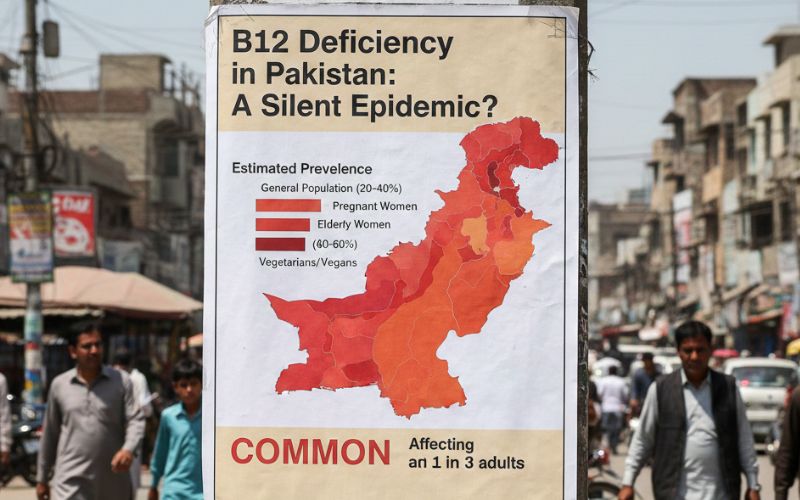
- Urban and rural populations
- Meat-eaters and non-vegetarians
- Young adults and older individuals
The combination of digestive issues, medication use, dietary imbalance, and lack of routine testing makes B12 deficiency a widespread but underdiagnosed problem.
Why Meat Alone Does Not Prevent B12 Deficiency
Despite consuming meat, many people in Pakistan remain vulnerable to vitamin B12 deficiency due to dietary patterns, cooking habits, and food variety limitations. Simply eating meat is often not enough.
Low Quantity and Inconsistent Intake
Economic constraints frequently limit meat consumption to small portions or occasional meals rather than daily intake. Such sporadic consumption may fall short of meeting the body’s ongoing vitamin B12 requirements, especially in individuals with higher needs.
Overcooking and Desi Cooking Practices
Traditional cooking methods often involve prolonged cooking times, excessive boiling, deep frying, and repeated reheating. These practices can significantly reduce the vitamin B12 content of meat, lowering its nutritional value by the time it is consumed.
Carb-Heavy Dietary Patterns
Many Pakistani diets are dominated by roti, rice, sugary tea, and refined carbohydrates. While filling and affordable, these foods provide calories without sufficient micronutrients, leading to poor nutrient diversity even when small amounts of meat are included.
Limited Intake of Fish, Eggs, and Dairy
Households often rely primarily on chicken or beef, while fish, eggs, milk, and dairy products, which are rich and diverse sources of vitamin B12, are consumed infrequently. This lack of variety further increases deficiency risk.
Hidden Causes Pakistanis Often Overlook
Beyond diet and digestion, a few less obvious factors also quietly contribute to deficiency.
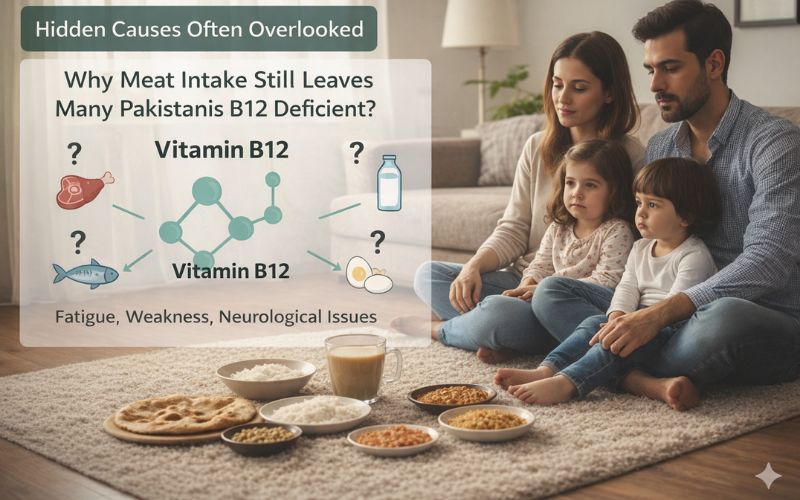
- Chronic gastritis and stomach inflammation
- H. pylori infection
- Frequent use of painkillers and antacids
- Parasitic infections (in some regions)
- Pernicious anemia (autoimmune condition affecting B12 absorption)
These factors quietly impair absorption, making deficiency difficult to detect without testing.
Symptoms of Vitamin B12 Deficiency
Vitamin B12 deficiency often develops gradually, with early signs frequently ignored or mistaken for stress, aging, or overwork. Recognizing symptoms early can prevent long-term nerve damage.
Early Symptoms
These initial signs are common but nonspecific, making them easy to overlook:
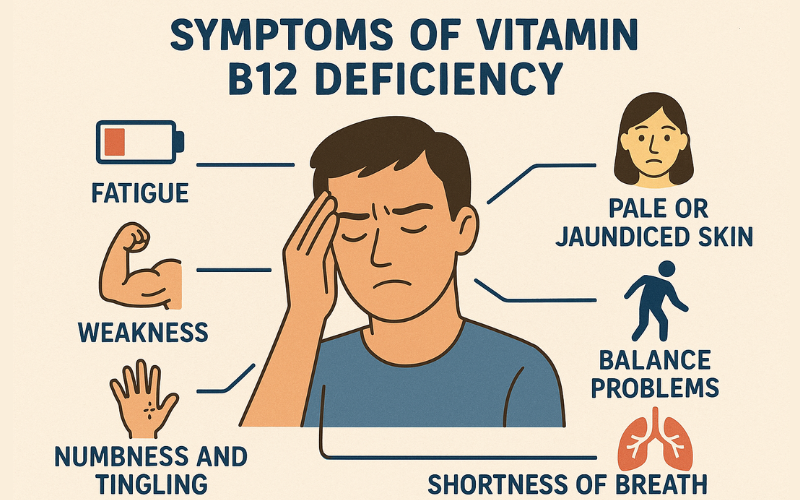
- Persistent fatigue despite adequate rest
- General weakness and low stamina
- Brain fog, poor concentration, or forgetfulness
- Low mood, irritability, or mild depressive symptoms
Nerve-Related Symptoms
As deficiency progresses, the nervous system becomes affected:
- Tingling or numbness in hands and feet
- Burning, pins-and-needles, or electric sensations
- Poor balance or unsteady walking
- Reduced coordination
Red Flags (Seek Medical Help Immediately)
These symptoms suggest advanced deficiency and require urgent medical evaluation:
- Difficulty walking or frequent falls
- Severe memory loss or cognitive decline
- Vision disturbances or blurred vision
- Shortness of breath due to B12-related anemia
Comprehensive Table: Vitamin B12 Deficiency in Pakistan
To pull all of the above together, here is a single reference table covering causes, comparisons, and treatment options at a glance.
| Category | Factor / Item | Explanation |
| Dietary Factors | Low meat quantity | Small or infrequent portions fail to meet daily vitamin B12 requirements |
| Overcooking practices | Prolonged cooking, boiling, reheating, and deep frying destroy B12 content | |
| Carb-heavy diet | Roti, rice, and sugary tea reduce dietary diversity and micronutrient intake | |
| Limited food variety | Low intake of fish, eggs, milk, and dairy reduces overall B12 sources | |
| Absorption Process | Stomach acid | Releases B12 from food protein; low acid or antacid use blocks this step |
| Intrinsic factor | Binds B12 for transport; gastritis and aging reduce its production | |
| Small intestine | Absorbs B12 into blood; IBS, infections, or surgery impair absorption | |
| Medical and Digestive Issues | Absorption problems | Digestive disorders prevent B12 utilization despite adequate intake |
| Chronic gastritis / H. pylori | Damages stomach lining, reducing acid and intrinsic factor | |
| Low stomach acid | Prevents B12 release and increases long-term deficiency risk | |
| Medications | Metformin | Reduces intestinal B12 absorption in diabetic patients |
| PPIs and antacids | Omeprazole, Pantoprazole, Esomeprazole lower stomach acid | |
| Long-term antibiotics | Alter gut flora and interfere with absorption | |
| Anti-seizure drugs | Disrupt nutrient metabolism | |
| Chronic gastric medicines | Block B12 release from food | |
| Deficiency Comparison | Vitamin B12 deficiency | Nerve damage, tingling, numbness, memory problems |
| Iron deficiency | Breathlessness, paleness, dizziness, anemia | |
| Vitamin D deficiency | Bone pain, muscle weakness, fractures | |
| Treatment Options | Food-based approach | Effective only in mild deficiency with normal digestion |
| Oral supplements | Suitable for mild to moderate deficiency; affordable and common | |
| Sublingual B12 | Helps mild absorption problems by partial digestive bypass | |
| B12 injections | Required for severe deficiency or neurological symptoms | |
| High-Risk Groups | Pregnant and breastfeeding women | Increased nutritional demand |
| Diabetics on metformin | Medication-induced absorption loss | |
| Adults over 50 | Naturally reduced stomach acid | |
| Long-term antacid users | Impaired B12 release from food | |
| Digestive disorder patients | Chronic malabsorption | |
| Medical Red Flags | Persistent numbness | Indicates possible nerve damage |
| Balance problems | Sign of advanced deficiency | |
| Severe fatigue | May indicate anemia | |
| Pregnancy + deficiency | Risk to mother and baby |
Vitamin B12 Deficiency vs Vitamin D Deficiency vs Iron Deficiency
Many nutrient deficiencies present with overlapping symptoms, which often leads to confusion, self-treatment, and delayed diagnosis. Understanding the key differences is essential for correct treatment.
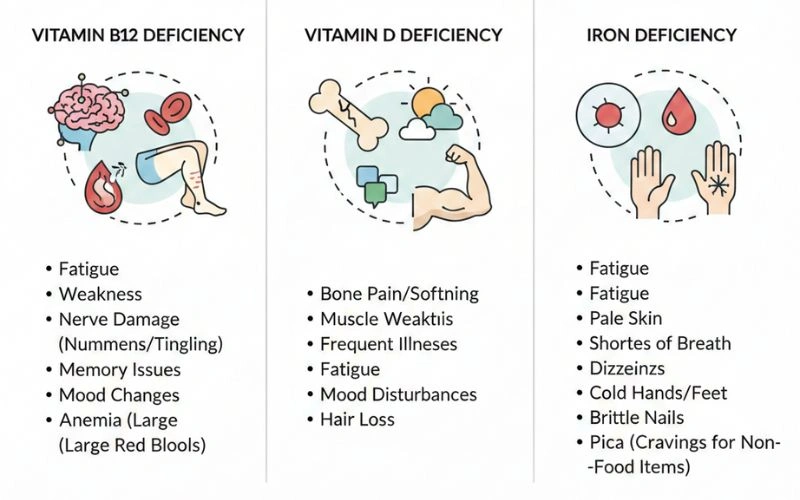
Common Overlapping Symptoms
All three deficiencies may cause:
- Persistent fatigue
- General weakness
- Reduced immunity and frequent infections
Because these symptoms are nonspecific, relying on them alone can be misleading.
Key Differences to Watch For
Vitamin B12 Deficiency
- Commonly causes nerve-related symptoms, including tingling, numbness, burning sensations, balance problems, and memory issues.
Iron Deficiency
- Often presents with shortness of breath, pale skin, dizziness, headaches, and rapid heartbeat due to reduced oxygen-carrying capacity of blood.
Vitamin D Deficiency
- Typically causes bone pain, lower back pain, muscle weakness, body aches, and increased risk of fractures, a topic covered further in this overview of vitamin D’s broader role in the body.
Why Testing Matters
Treating symptoms without proper testing can worsen deficiencies or mask the real cause. Blood tests are essential to confirm the exact deficiency and guide effective, targeted treatment.
How to Confirm B12 Deficiency
Given how much overlap exists between deficiencies, lab testing is really the only reliable way to know what you are actually dealing with. Ask your healthcare provider about:
- Complete Blood Count (CBC)
- Serum Vitamin B12 level
- Homocysteine or MMA (if available)
- Ferritin and Vitamin D (common co-deficiencies)
Only lab confirmation ensures accurate diagnosis and treatment.
Best Treatment Options for Vitamin B12 Deficiency in Pakistan
The most effective treatment for vitamin B12 deficiency depends on severity, symptoms, and absorption capacity. A personalized approach ensures faster recovery and prevents long-term complications.
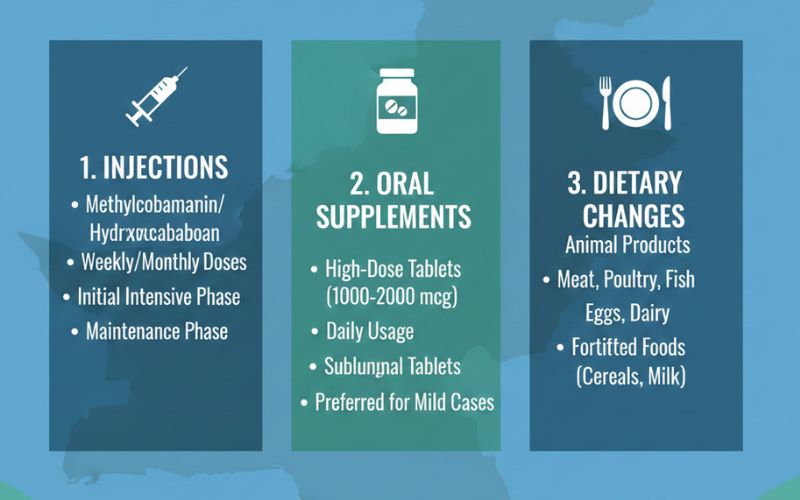
Food-Based Approach
This approach is suitable for mild deficiency without absorption issues. Including B12-rich foods such as meat, fish, eggs, milk, and dairy products can help restore levels when digestive function is normal.
Oral Vitamin B12 Supplements
Oral supplements are effective for many individuals, particularly in mild to moderate deficiency. Consistent daily intake allows gradual replenishment of body stores, making this a convenient and affordable option in Pakistan.
Sublingual Vitamin B12 Forms
Sublingual tablets or drops dissolve under the tongue and may benefit people with mild absorption problems. They partially bypass the digestive system, improving bioavailability in some cases.
Vitamin B12 Injections
Injections are often recommended in cases of:
- Severe vitamin B12 deficiency
- Neurological symptoms such as numbness or balance issues
- Malabsorption conditions, including gastric disorders or post-surgery states
This method delivers B12 directly into the bloodstream, ensuring rapid and reliable correction.
Recovery Timeline
Energy levels and general well-being often improve within weeks, while nerve-related symptoms may take several months to recover. Early treatment leads to better outcomes and reduces the risk of permanent nerve damage.
What to Eat for Vitamin B12 in Pakistan
Vitamin B12 is naturally found in animal-based foods, but consistent and balanced intake is more important than large quantities eaten occasionally.
Best Dietary Sources of Vitamin B12
Include a variety of the following foods regularly:
- Beef and mutton, among the richest natural sources of vitamin B12
- Chicken, widely consumed and contributes moderate B12 when eaten consistently
- Fish, especially sardines and tuna, which are highly bioavailable sources with additional omega-3 benefits
- Eggs, affordable, versatile, and a reliable daily source
- Milk, yogurt, and cheese, which support steady B12 intake and gut health
- Fortified foods (when available), such as fortified cereals or plant-based milks
Key Dietary Insight
A balanced and varied intake of B12-rich foods supports better absorption and steady blood levels. Relying on a single food source or eating large portions infrequently is far less effective.
Common Mistakes That Keep Vitamin B12 Deficiency Going
Many people unknowingly delay recovery by making avoidable mistakes, even after starting treatment:
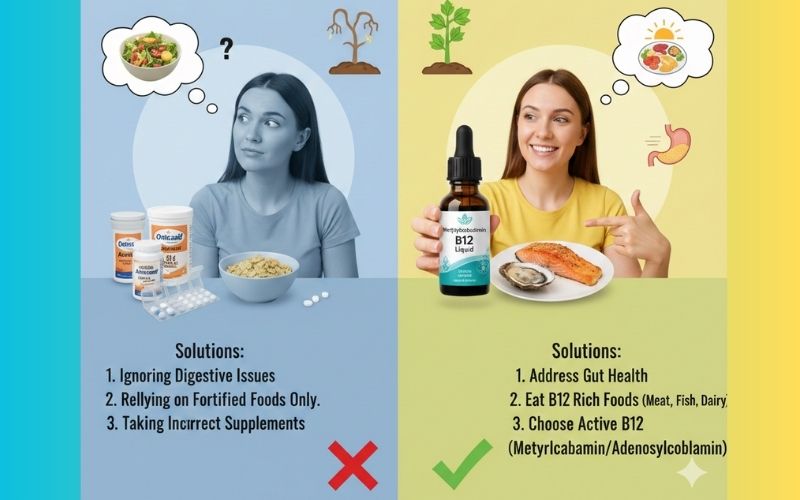
- Stopping supplements too early, before body stores are fully restored
- Ignoring underlying digestive issues, which continue to block absorption
- Self-injecting vitamin B12 without medical guidance, risking improper dosing
- Treating symptoms without blood testing, leading to misdiagnosis and delayed care
Who Should Be Extra Careful?
Pulling together the risk factors covered throughout this guide, certain groups are at a higher risk of vitamin B12 deficiency and require closer monitoring:
- Pregnant and breastfeeding women, due to increased nutritional demands
- People with diabetes using metformin, which reduces B12 absorption
- Adults over 50, as stomach acid production naturally declines with age
- Individuals on long-term antacids or PPIs, which impair B12 release from food
- Those with digestive disorders, such as gastritis or irritable bowel conditions
Prevention Plan (Quick Checklist)
Use this simple checklist to reduce your risk of vitamin B12 deficiency:
- Eat a balanced, protein-rich diet with diverse B12 sources
- Avoid unnecessary or prolonged antacid use
- Test vitamin B12 levels if symptoms appear
- Review long-term medications with your doctor
- Use supplements only when medically recommended
When shopping for quality supplements in Pakistan, ensure you choose from a trusted online supplement store in Pakistan that offers authentic imported supplements with proper certifications.
When to See a Doctor Immediately
Regardless of how mild your symptoms may seem, some signs warrant immediate attention rather than a wait-and-see approach. Seek medical attention without delay if you experience:
- Persistent numbness or tingling in hands or feet
- Walking difficulties or balance problems
- Severe fatigue or signs of anemia
- Pregnancy with suspected or confirmed B12 deficiency
FAQs
To close out, here are quick answers to the questions Pakistani readers ask most often about B12 deficiency.
Why am I B12 deficient if I eat chicken daily?
Chicken does contain vitamin B12, but absorption problems such as low stomach acid, intrinsic factor deficiency, or gut disorders can prevent your body from properly absorbing and utilizing it.
Are injections better than tablets?
Injections bypass the digestive system and work faster in severe deficiency or absorption disorders. Tablets may be effective in mild cases. The choice depends on labs, symptoms, and medical advice.
How long does recovery take?
Improved energy and appetite usually appear within a few weeks of treatment. However, nerve-related symptoms like numbness or tingling may require several months of consistent therapy to recover fully.
Can B12 deficiency cause anxiety or hair fall?
Yes. Vitamin B12 deficiency can affect the nervous system and hormone balance, contributing to anxiety, mood changes, brain fog, hair thinning, and excessive hair shedding over time.
Conclusion
Vitamin B12 deficiency in Pakistan is not just a dietary issue, it is an absorption and lifestyle problem. Eating meat alone does not guarantee protection. Digestive health, medication use, cooking habits, and timely testing all matter.
A simple blood test and proper guidance can restore your health and prevent long-term complications. Explore trusted B12 options, compare formulations, and make informed choices for your health at Nutritional World, your trusted partner for vitamin supplements in Pakistan. Whether you are in Lahore, Islamabad, or Faisalabad, Nutritional World delivers authentic, halal-certified food supplements to support your health journey.