














Amino acid supplements have become increasingly popular among gym-goers, athletes, and health-conscious individuals. But a common question still remains: what does amino acid supplements do, and are they really necessary if you already consume protein? Understanding how these supplements work can help you decide whether they fit your health or fitness goals.
This guide explains amino acids in simple terms, their functions in the body, and how amino acid supplements support muscle, recovery, metabolism, and overall health backed by science.
Table of Contents
What Are Amino Acids?
Amino acids are the building blocks of protein. Every protein in your body muscle tissue, enzymes, hormones, skin, hair, and even neurotransmitters is made from amino acids.
When you eat protein-rich foods, your body breaks them down into individual amino acids, which are then used to repair tissues, build muscle, regulate metabolism, and support vital biological processes.
What Are the Different Types of Amino Acids?
Amino acids are divided into three main categories:
- Essential amino acids (EAAs): Cannot be produced by the body and must come from food or supplements
- Non-essential amino acids: Produced naturally by the body
- Conditionally essential amino acids: Needed in higher amounts during stress, illness, or intense exercise
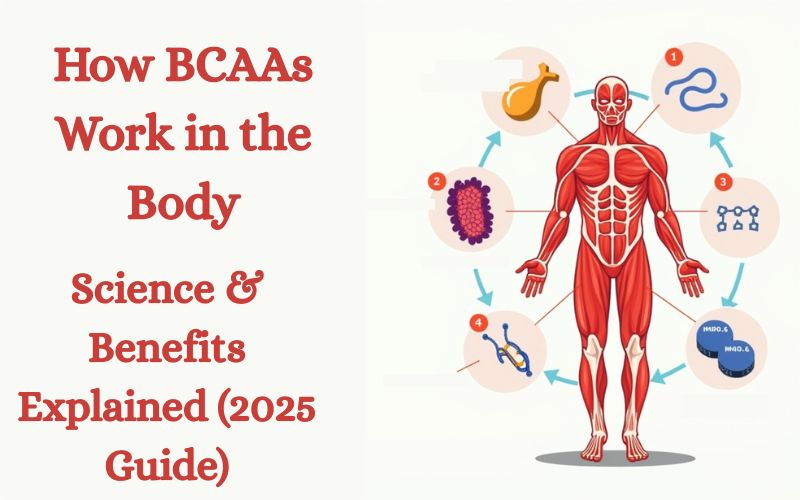
Among essential amino acids, branched-chain amino acids (BCAAs)—leucine, isoleucine, and valine are especially important for muscle protein synthesis.
What Is the Structure of an Amino Acid?
Each amino acid has a simple yet essential structure built around a central carbon atom bonded to an amino group, a carboxyl group, a hydrogen atom, and a variable side chain (R-group). This R-group defines each amino acid’s unique function, absorption rate, chemical behavior, and specific role in metabolism, muscle repair, enzyme activity, and overall physiological balance.
What Do Amino Acid Supplements Do?
So, what does amino acid supplements do exactly? Amino acid supplements provide free-form amino acids that are absorbed quickly into the bloodstream. Unlike whole proteins, they don’t require extensive digestion.
Their primary roles include:
- Supporting muscle protein synthesis: Amino acids, especially essential amino acids and leucine, activate muscle-building pathways that stimulate protein synthesis, helping repair damaged muscle fibers and promote lean muscle growth after training.
- Reducing muscle breakdown: During intense exercise or calorie deficits, amino acids help limit muscle protein breakdown by supplying readily available building blocks, preserving lean mass and supporting a healthier body composition.
- Enhancing recovery after exercise: Amino acids reduce post-workout muscle soreness, support tissue repair, and speed up recovery by improving blood flow, nutrient delivery, and the rebuilding of stressed muscle fibers.
- Supporting energy production and endurance: Certain amino acids are used as an energy source during prolonged exercise, helping delay fatigue, improve stamina, and maintain performance when glycogen stores are low.
- Aiding metabolism and immune function: Amino acids support enzyme activity, hormone production, and immune cell function, helping regulate metabolism, strengthen immunity, and improve overall resilience during physical stress.
This makes them especially useful during workouts, calorie deficits, or periods of physical stress.
How Amino Acid Supplements Work in the Body
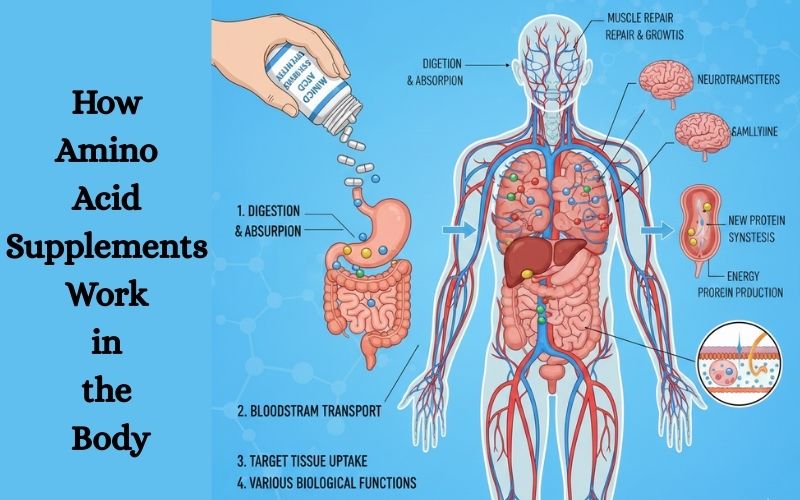
Once consumed, amino acid supplements bypass complex digestion and enter circulation rapidly. This fast absorption helps:
- Trigger muscle repair immediately after training
- Provide fuel during workouts
- Prevent muscle loss during fasting or dieting
Leucine, in particular, activates the mTOR pathway, which signals the body to build and repair muscle tissue.
Top Benefits of Amino Acid Supplements
They support faster muscle recovery, enhance muscle growth, reduce workout fatigue, help prevent muscle breakdown, and improve overall exercise performance.
1. Muscle Growth and Recovery
Amino acid supplements help stimulate muscle protein synthesis, reduce post-workout soreness, and speed up recovery especially useful for resistance training and endurance sports.
2. Reduced Muscle Breakdown
During intense workouts or calorie restriction, amino acids help prevent muscle catabolism, making them valuable during cutting phases.
3. Improved Endurance and Performance
Some amino acids help delay fatigue, improve oxygen utilization, and reduce perceived exertion during long workouts.
4. Support for Metabolism and Immunity
Certain amino acids play roles in glucose regulation, hormone production, and immune cell function.
Who Can Benefit Most from Amino Acid Supplements?
Amino acid supplements are particularly beneficial for:
- Athletes and bodybuilders
- People training in a fasted state
- Individuals on low-protein or plant-based diets
- Older adults experiencing muscle loss
- Those recovering from illness or injury
If protein intake from food is insufficient or poorly absorbed, supplementation becomes more relevant.
How Many Amino Acids Do I Need?
There is no universal dosage, but general guidelines include:
- BCAAs: 5–10 grams per serving
This dosage is commonly used before or during workouts to reduce muscle breakdown, delay fatigue, and support endurance, especially during fasted training or calorie-restricted diets. - EAAs: 8–15 grams daily
Taken once or split around workouts, this range supports complete muscle protein synthesis, recovery, and lean muscle maintenance, making it effective when overall protein intake is low. - Single amino acids: Depends on purpose and formulation
Dosage varies by goal, such as glutamine for recovery, arginine for blood flow, or taurine for endurance, and should follow product guidelines or professional advice.
Needs vary based on body weight, activity level, diet, and fitness goals.
What Foods Contain Amino Acids?
Whole foods naturally rich in amino acids include:
- Eggs, chicken, fish, beef
- Dairy products like milk and yogurt
- Soy, lentils, chickpeas, quinoa
- Nuts and seeds
Complete proteins provide all essential amino acids, while plant sources often require combinations.
Should I Take Amino Acid Supplements?
Whether you need amino acid supplements depends on your lifestyle. They are not mandatory for everyone, but they can be helpful if:
- You train intensely or frequently
- You struggle to meet protein needs
- You want faster recovery and performance support
- You train fasted or follow calorie-restricted diets
They should supplement, not replace, a balanced diet.
Amino Acid Supplements vs Whole-Food Protein

Whole foods and protein powders provide a broad nutritional profile, while amino acid supplements offer speed and convenience. Supplements are ideal around workouts, whereas meals and protein shakes are better for overall nutrition.
Using both strategically often produces the best results.
Frequently Asked Questions (FAQs)
Do amino acid supplements help with weight loss?
Amino acid supplements support weight loss indirectly by preserving lean muscle mass, reducing muscle breakdown, and improving workout endurance during calorie restriction, which helps maintain metabolism and overall fat-loss efficiency.
Can amino acid supplements replace protein powder?
No, amino acid supplements cannot replace protein powder because they lack complete proteins, calories, and additional nutrients needed for muscle building, meal replacement, and long-term dietary protein requirements.
When is the best time to take amino acid supplements?
The best time to take amino acid supplements is before, during, or immediately after workouts, as this timing supports muscle recovery, reduces fatigue, improves endurance, and enhances nutrient absorption.
Are amino acid supplements safe?
Amino acid supplements are generally safe when taken within recommended dosages, chosen from reputable brands, and used alongside a balanced diet without excessive reliance or unnecessary high intake.
Conclusion: What You Should Know Before Taking Amino Acid Supplements
To summarize, what amino acid supplements do comes down to one core function: they support muscle repair, performance, and recovery by supplying fast-absorbing amino acids. While not essential for everyone, they can be a valuable tool for athletes, active individuals, and those with higher protein needs.
When used wisely alongside a balanced diet and training program, amino acid supplements can enhance results not replace good nutrition. Explore high-quality, authentic amino acid supplements at Nutritional World, your trusted source for original supplements, expert guidance, and performance-driven nutrition in Pakistan.