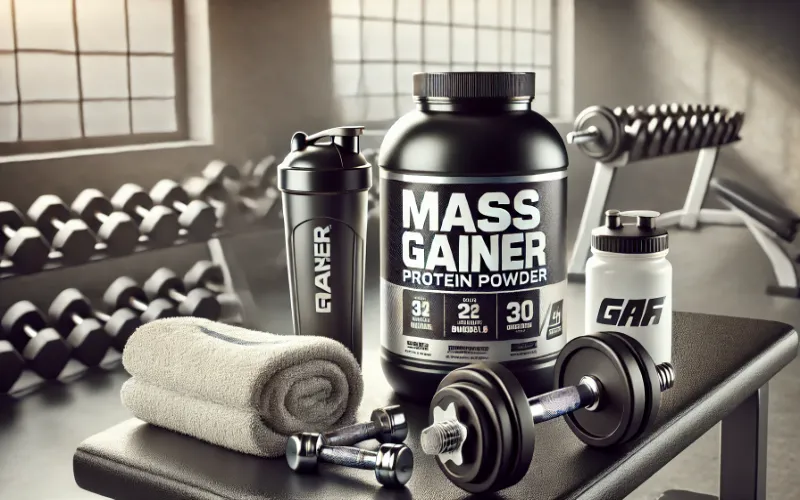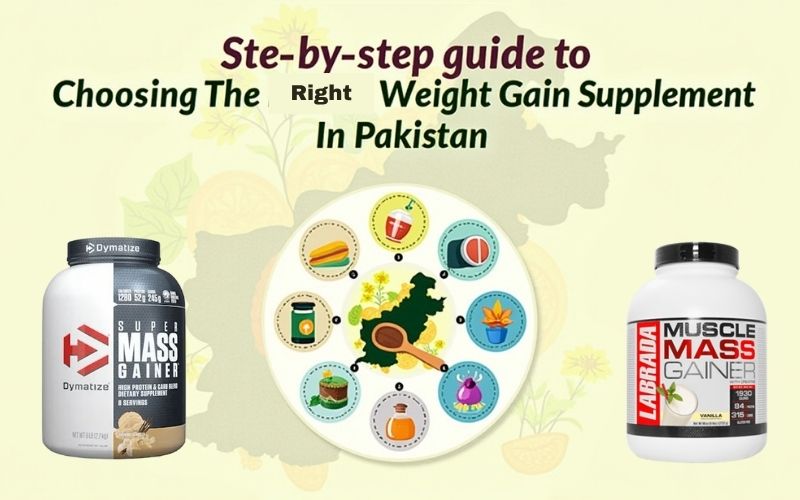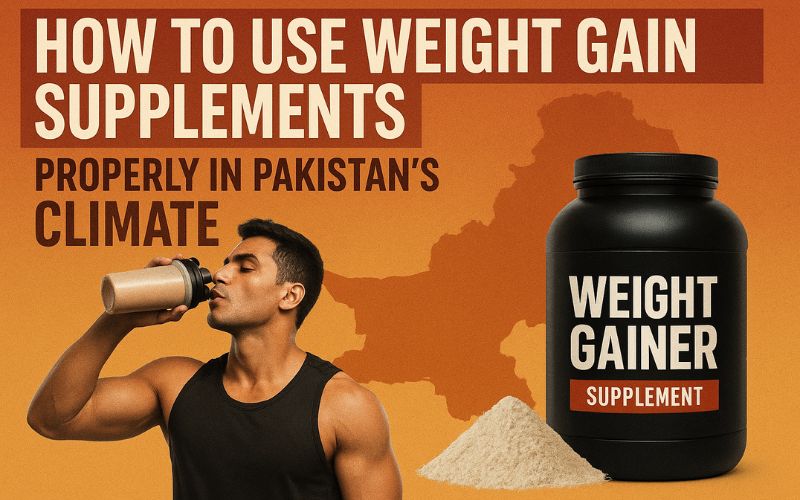













Choosing the right supplement can make or break your fitness journey, especially if you are a hard gainer, beginner, or someone struggling to put on healthy weight. In the world of muscle gain supplements, two popular contenders often spark confusion: mass gainers and protein powders.
While both are staples in many gym-goers’ cabinets, they serve different purposes. Understanding their unique roles is crucial if your goal is effective, sustainable weight gain. Whether you are a teenager trying to bulk up, a woman looking to build lean muscle, or a beginner navigating the supplement aisle for the first time, this guide will help you decide what is best for your body and goals.
Let us explore the difference between mass gainer and whey protein, their nutritional benefits, and how to use them smartly.
Table of Contents
What Are Mass Gainers?
Mass gainers are high-calorie supplements designed specifically to help individuals gain weight, often used by ectomorphs or people with a fast metabolism.
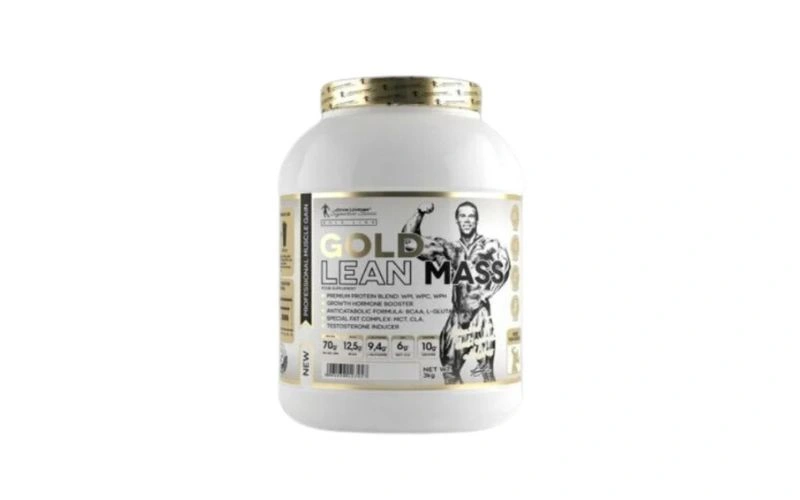
What’s Inside a Mass Gainer?
Before deciding whether one fits your goals, it helps to know exactly what you are consuming in a typical serving.
- Carbohydrates: 50 to 100g or more (usually from maltodextrin or other fast-digesting sources)
- Protein: 20 to 60g (from whey, casein, or blends)
- Fats: 5 to 15g (sometimes added MCT oils)
- Calories: Ranges from 500 to over 1200 per serving
Some also include added vitamins, minerals, creatine, and digestive enzymes.
Who Should Use Mass Gainers?
With the ingredient profile clear, here is who this type of supplement is actually built for.
- Hard gainers whose metabolism burns through calories faster than they can eat them back
- Teenagers with high metabolic rates
- Athletes in a bulking phase
- Individuals recovering from illness or underweight issues
Pros of Mass Gainers
Given who they suit, here is what mass gainers actually do well.
- High-calorie density helps meet surplus goals easily
- Convenient for those who struggle to eat large meals
- Supports fast weight gain
Cons of Mass Gainers
On the other side of that convenience, there are a few trade-offs worth knowing before you buy.
- Risk of fat gain if not monitored
- Often loaded with sugar or fillers
- May cause digestive discomfort in some users
What Are Protein Powders?
Having covered mass gainers in detail, it is worth understanding how protein powders fill a different role entirely. Protein powders are concentrated sources of protein designed to help you meet your daily intake for muscle repair, recovery, and growth, not necessarily for weight gain alone.
Common Types of Protein Powders
Protein powder is not a single product either, so it helps to know the main forms available before choosing one.
- Whey Protein Concentrate: Budget-friendly and popular
- Whey Isolate: Low in fat and lactose, fast absorbing
- Casein: Slow digesting, ideal for nighttime
- Soy, Pea, or Plant-Based: Good for vegans or lactose intolerant users
Who Should Use Protein Powders?
These are perfect for:
- Beginners focused on lean muscle building
- People looking to tone without excess fat
- Women and teens needing controlled calorie intake, a group covered further in this look at whey protein’s benefits for women
- Those supplementing a balanced diet
Pros of Protein Powders
Compared to gainers, protein powders bring a different set of strengths to the table.
- Lean and lower in calories
- Great for muscle repair and recovery
- Versatile, since it can be added to smoothies, oats, or pancakes
Cons of Protein Powders
Of course, protein powder is not a perfect substitute for a mass gainer either.
- Not enough calories alone for weight gain
- May require multiple servings or added foods for surplus
- Quality varies widely between brands
Mass Gainers vs Protein Powders: Key Differences
When it comes to choosing the best supplement for weight gain, understanding how these two compare is critical.
Nutritional Breakdown
Here is how the two options stack up on the numbers that matter most.
| Feature | Mass Gainer | Protein Powder |
| Calories | 500 to 1200 or more | 100 to 150 |
| Carbs | High | Low |
| Protein | Moderate to High | High |
| Fat | Moderate | Low |
Satiety and Digestion
Beyond the macros, how each one actually feels going down matters for day-to-day use.
- Mass Gainers: Heavy, can cause bloating or discomfort in sensitive users.
- Protein Powders: Light and easily digestible.
Muscle Gain vs Fat Gain
This is arguably the most important distinction for anyone trying to bulk without adding unwanted fat.
- Mass Gainers: Can cause fat gain if overused or paired with a sedentary lifestyle.
- Protein Powders: Promote lean muscle gain with proper resistance training, an approach explored further in this guide to building weight without adding excess belly fat.
Suitability by Body Type and Goal
Putting it all together, here is a quick reference for which option fits which situation.
| Goal / Body Type | Recommended |
| Ectomorph / Fast Metabolism | Mass Gainer |
| Lean Muscle Building | Protein Powder |
| Budget-conscious bulkers | Protein Powder + high-calorie whole foods |
| Dirty Bulk (fast mass gain) | Mass Gainer |
| Lean Bulk (controlled muscle gain) | Protein Powder |
Which Is Better for Weight Gain?
The answer depends on your body type, lifestyle, metabolism, and fitness goals.
For Beginners
Start with protein powder and a high-calorie meal plan. Only switch to a mass gainer if you are not seeing results after 3 to 4 weeks, and this starter supplement stack for beginners is a good place to plan that out.
For Underweight Individuals
If you are medically underweight or recovering from illness, mass gainers can be a lifesaver in rebuilding lost muscle and fat.
For Athletes
Use protein powders for lean gains. Add mass gainers during intense training cycles for bulking seasons.
For Teenagers
Choose wisely. Protein powders are safer for gradual, healthy growth. Avoid overusing mass gainers, which may spike insulin and promote fat gain.
For Women
Go with protein powders unless you are severely underweight. Mass gainers can lead to unnecessary fat gain if not managed carefully.
Common Mistakes to Avoid
Many first-time supplement users fall into traps that stall progress. Avoid these:
- Over-relying on supplements without a solid diet
- Ignoring timing, since post-workout is generally optimal, as this guide to the best time to take whey protein explains in more detail
- Taking too much at once, leading to bloating
- Not pairing with resistance training, an area this rundown of exercises that support body gain can help with
Supplements only work when your training, diet, and recovery are on point.
Supplement Safety and Authenticity Tips
Not all supplements are created equal. The market is flooded with fake, expired, or contaminated products, especially in developing countries.
Tips for Safe Usage
With that risk in mind, here is how to protect yourself before you buy.
- Buy from trusted retailers or official brand websites
- Always check for third-party testing (such as Informed Choice or NSF)
- Scan QR codes or use authentication apps where available
- Read the label and avoid products with excessive sugar, proprietary blends, or undisclosed ingredients, and this guide to spotting fake imported supplements covers the warning signs in more depth
- Monitor for side effects, since acne, bloating, or fatigue may signal poor quality
Conclusion: Mass Gainers vs Protein Powders, Which Is Best for Weight Gain?
When it comes to mass gainers vs protein powders, there is no one-size-fits-all answer. For most beginners, protein powder combined with calorie-dense whole foods is the safest and most effective route, and if you want ideas for mixing it in, these whey protein smoothie recipes are a good starting point. If you are still struggling to hit your calorie surplus, or you are an ectomorph needing 3000 or more calories per day, mass gainers can fill the gap.
Remember: smart supplementation aligns with your training, lifestyle, and metabolism. Do not chase quick gains. Build your body with purpose.
FAQs
To wrap up, here are quick answers to the questions people ask most often when choosing between these two.
Can I use both protein powder and mass gainer?
Yes, but you should time them wisely. Use protein powder post-workout and mass gainer between meals or as a meal replacement if needed.
Are mass gainers safe for teenagers?
Only under supervision. Teenagers should focus on whole foods first, and use protein powders for safer growth.
What is the best supplement for weight gain without fat?
Whey protein plus complex carbs and healthy fats is ideal for lean bulking.
Is whey protein enough for weight gain?
Yes, if paired with a high-calorie diet. Add oats, bananas, or peanut butter to shakes to boost calorie intake.
How long does it take to see results?
With consistency, expect 1 to 2kg gain per month for lean bulking. Results vary based on diet, training, and metabolism.