








Branched-Chain Amino Acids, better known as BCAAs, are the recovery trio every serious lifter eventually meets: leucine, isoleucine, and valine. These three essential aminos help rebuild the microscopic muscle fibres that tear during heavy training, which is exactly why so many athletes reach for them after their toughest muscle building sessions. For anyone chasing muscle gain, faster recovery, or steadier energy through long workouts, a quality BCAA shortens the gap between one session and the next.
For Muslim athletes, though, the supplement aisle comes with an extra filter. Plenty of popular formulas quietly carry ingredients that clash with Islamic dietary rules, so finding a genuinely halal certified BCAA supplement takes a little homework. The good news is that clean, faith-friendly options absolutely exist, and this guide walks you through the strongest picks along with how to verify them yourself.
Table of Contents
Why Halal Certification Matters in Sports Supplements
Before comparing products, it helps to understand why the halal label carries real weight for observant Muslims rather than being a marketing afterthought.
Halal, meaning “permissible” in Arabic, reaches far beyond the dinner table and into every consumable product, supplements included. Many mainstream BCAA powders hide derivatives that fall outside Islamic dietary law, such as pork-based gelatin in capsule shells, alcohol-derived flavour carriers, or enzymes from unverified sources. A certified product removes that uncertainty. It signals that the formula is free of forbidden substances, produced ethically, and screened against Islamic standards. For anyone who treats both training and faith seriously, that assurance is the bridge between physical progress and spiritual peace of mind. If you want a wider view of the category, this overview of how supplements earn halal approval is a useful starting point, and the same logic carries over to halal amino acid choices across Pakistan.
What BCAAs Actually Do for Your Muscles
It is worth knowing how these aminos behave once they enter your system, because that biology explains every benefit you end up feeling in the gym.
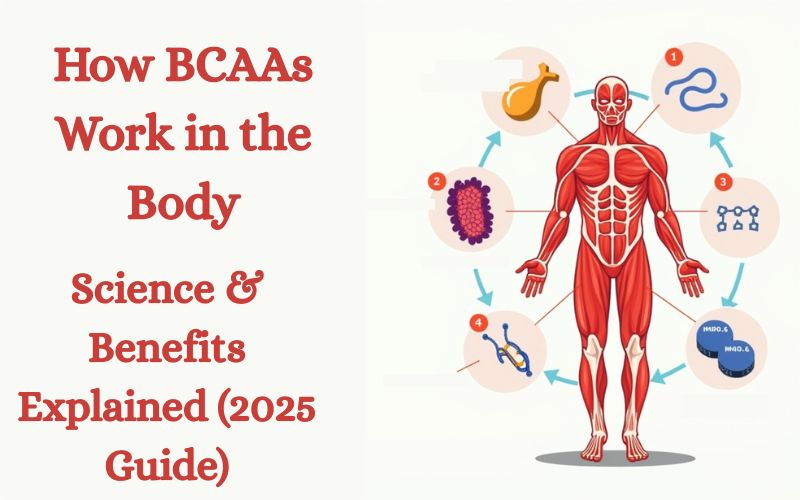
Of the three, leucine does the heavy lifting by switching on muscle protein synthesis, the process that turns recovery into actual growth. Isoleucine and valine support energy use and help blunt the breakdown of lean tissue during demanding sessions. The combined effect is quicker repair, less next-day stiffness, and a steadier supply of fuel when you train fasted or push through longer workouts. If you enjoy the mechanics behind it, this breakdown of how BCAAs function inside the body connects the science to real-world results.
BCAA vs EAA: Which One Suits Muslim Athletes Better
Many lifters eventually ask whether they should reach for BCAAs or full-spectrum EAAs, so it helps to lay the difference out plainly before you commit.
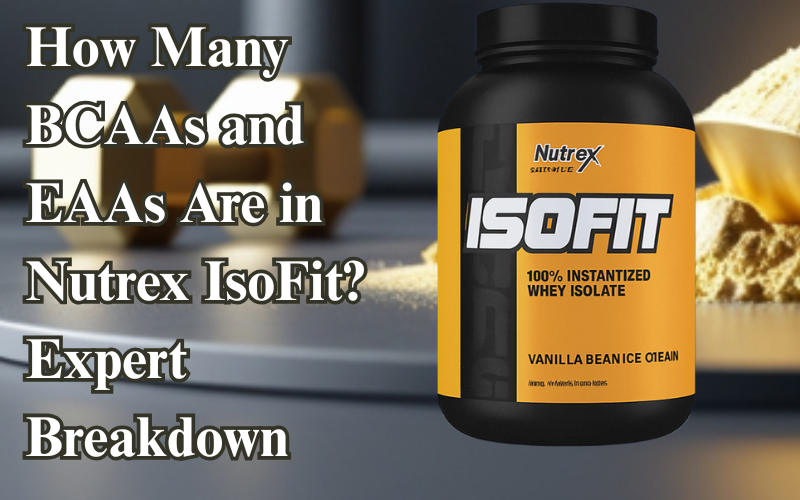
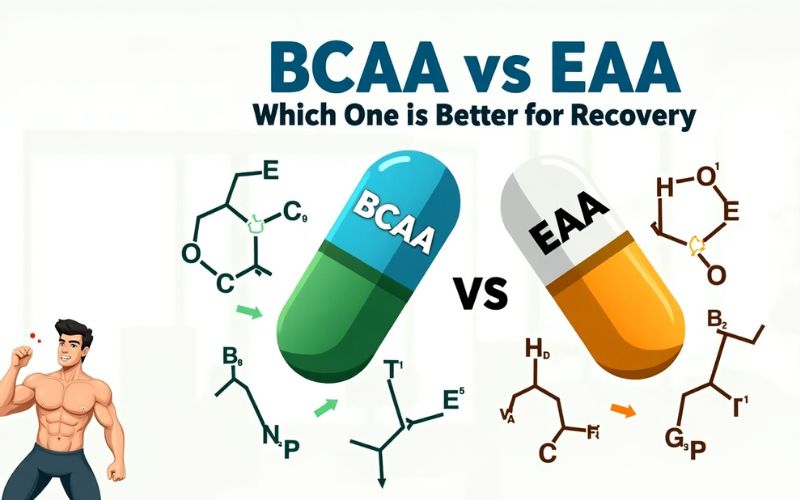
BCAAs cover three essential aminos, while Essential Amino Acids include all nine the body cannot make on its own, the three BCAAs plus six others. EAAs offer a broader recovery profile, whereas BCAAs are leaner, cheaper, and ideal for intra-workout sipping. Neither is automatically “better”; the right pick depends on your diet and goals. For a side-by-side look that helps you decide, see this comparison of BCAAs and EAAs for recovery, and either way both should still meet your halal requirements.
How to Spot a Genuinely Halal BCAA Supplement
Identifying a truly halal product takes more than glancing for a logo on the front of the tub. Run through these four checks before you spend a rupee.
- Verify the certification seal issued by a recognised halal authority, not a vague in-house claim.
- Scan the full ingredient list for gelatin, alcohol-based flavourings, or unnamed animal derivatives.
- Check the sourcing to confirm the amino acids in the blend are plant-fermented or synthetic rather than animal-derived.
- Read independent reviews and third-party test results to confirm purity and honest labelling.
The same diligence pays off across your whole stack; for example, applying these habits when picking a halal omega 3 in Pakistan keeps every product in your routine compliant.
Top Halal BCAA Supplements for Muslims
With the basics covered, here are the cleanest halal-friendly BCAA picks worth keeping in your gym bag, each chosen for transparent labelling and a faith-conscious formulation.
1. ELEV BCAA Gold 300g
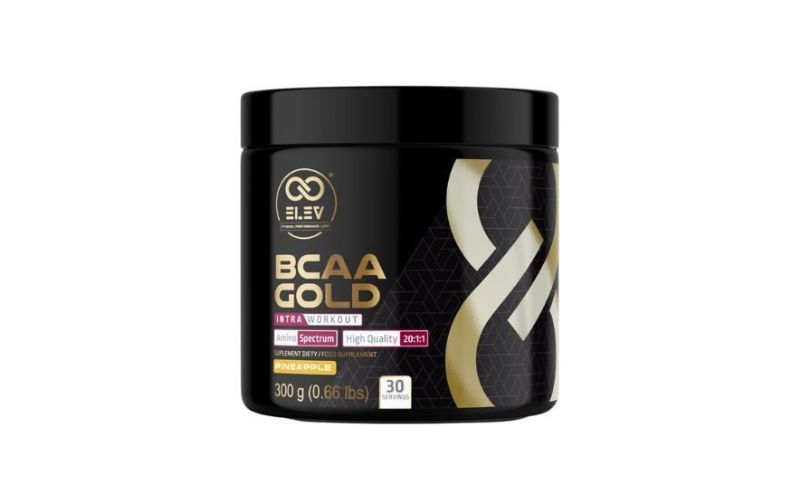
ELEV BCAA Gold leans on the classic 2:1:1 ratio, weighting the blend toward leucine so post-workout repair fires quickly while endurance holds up through the session. The ingredient profile stays clean and halal-friendly, which makes it a confident everyday pick for lifters who want results without second-guessing the label.
2. ELEV BCAA Pro
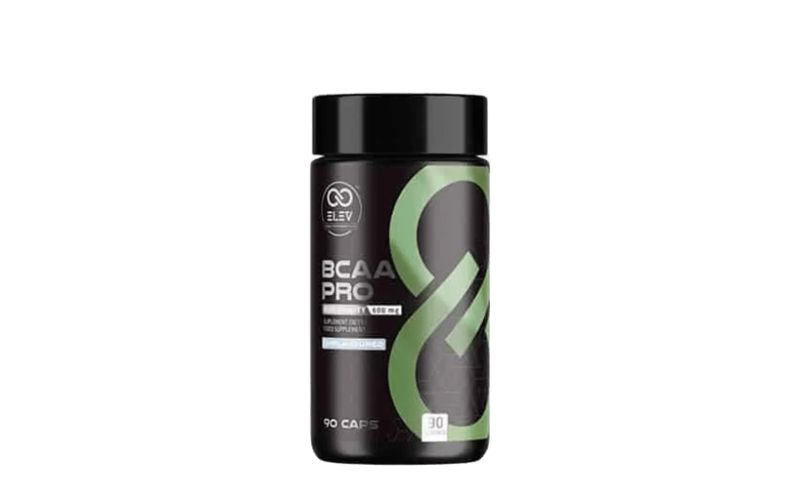
A step up from the standard formula, ELEV BCAA Pro folds electrolytes into its amino matrix, making it a smart partner for long, sweat-heavy training. It replenishes the minerals you lose while still driving muscle recovery, and halal-conscious users can lean on it without compromising their values.
3. BCAA Amino Hydrate by Applied Nutrition
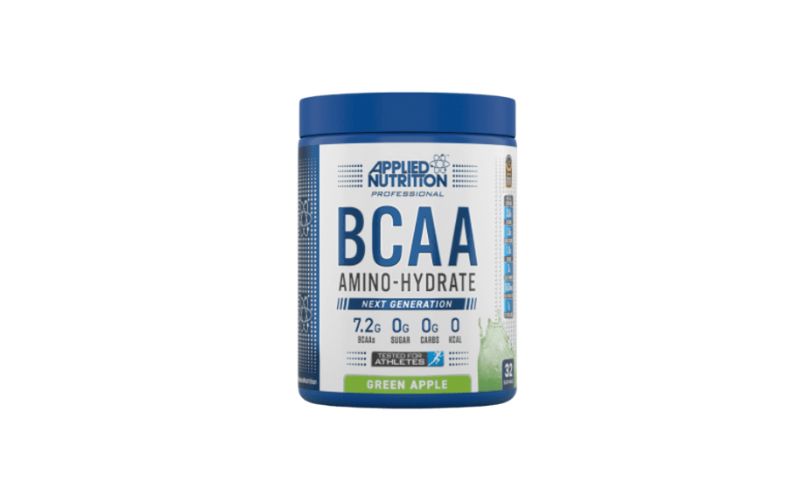
This premium recovery formula pairs BCAAs with rehydrating electrolytes, which makes it a natural fit after grueling summer sessions. The sugar-free, refreshing flavours earn it a permanent spot in most gym bags, and Applied Nutrition’s halal-friendly production keeps it firmly on the safe list for Muslim users.
4. Scivation Xtend BCAA, 30 Servings
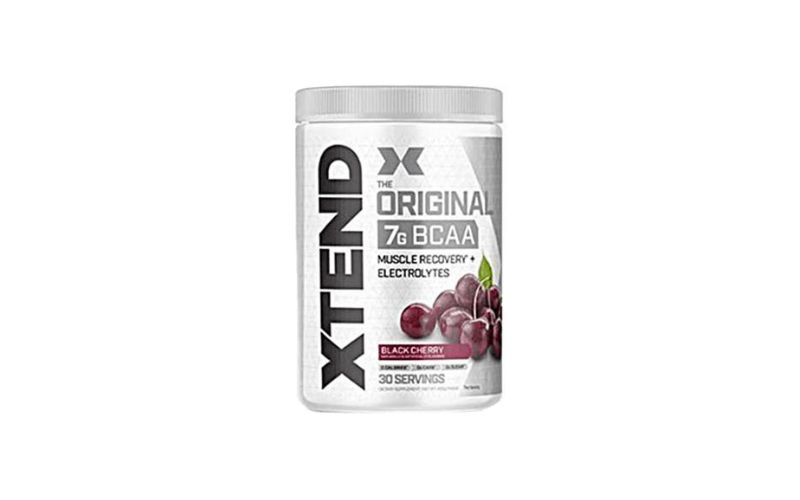
A global favourite, Scivation Xtend is loved for its full amino profile and genuinely good flavours. Added electrolytes mean it supports hydration alongside recovery, and the clean label keeps it suitable for Muslims looking for a dependable halal alternative they can sip through any session.
5. Rule 1 BCAA, 30 Servings
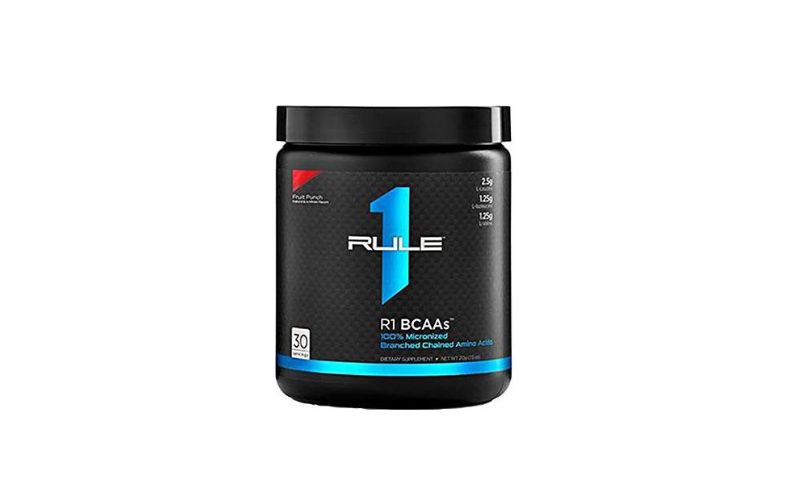
Rule 1 keeps things refreshingly simple, built around a potent core blend that prioritises recovery and minimises soreness. With no questionable additives in sight, it suits anyone who wants straightforward, faith-friendly gains without a long list of fillers.
6. BPI Best BCAA, 300g (30 Servings)
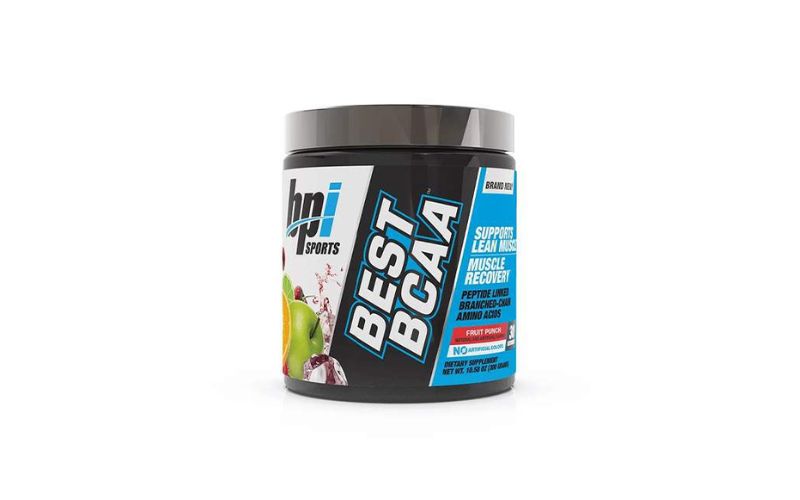
BPI Best BCAA uses a peptide-bonded form of aminos that the body absorbs quickly, translating into noticeably efficient recovery. The brand’s attention to ingredient quality makes it a reassuring option for Muslims who would rather not second-guess what goes into the tub.
7. Scivation Xtend Elite BCAA, 20 Servings
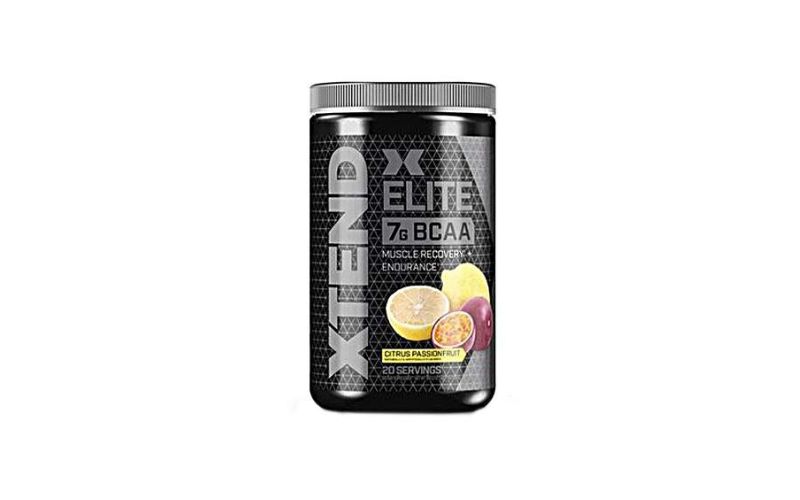
Built for harder training days, the Elite version layers beta-alanine and extra performance support on top of the trusted Xtend amino base. It is a strong fit for heavy lifters and committed athletes, and its transparent labelling keeps it in line with halal principles.
8. Scivation Xtend Energy BCAA Powder, 30 Servings
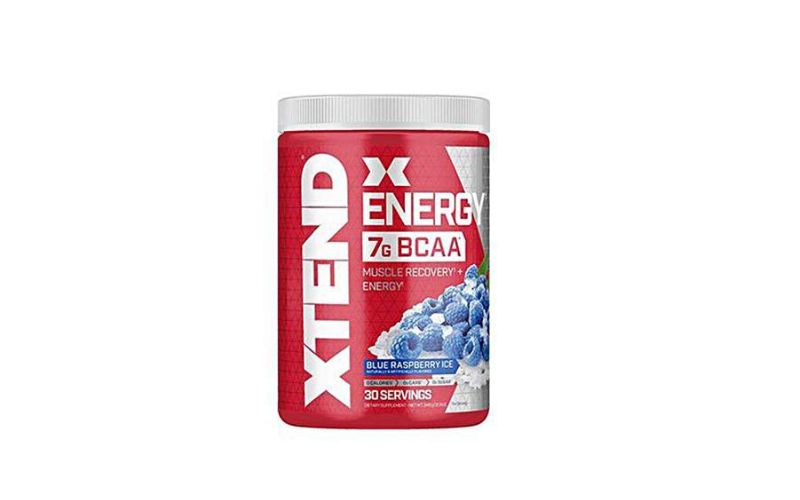
Need a lift alongside your aminos? Xtend Energy blends caffeine with BCAAs for a dual-action formula that wakes you up while it repairs. The recipe stays clean and suitable for Muslim users, making it a handy choice when an afternoon session needs a push.
Benefits of Adding Halal BCAAs to Your Routine
Choosing a halal BCAA does far more than tick a religious box; the right formula delivers a string of physical payoffs that compound over time.
- Faster muscle repair after demanding training
- Less next-day soreness, so you bounce back to the gym sooner
- Steadier endurance through longer or fasted sessions
- Lean muscle protection while you are dieting in a calorie deficit
- Better hydration when the formula includes electrolytes
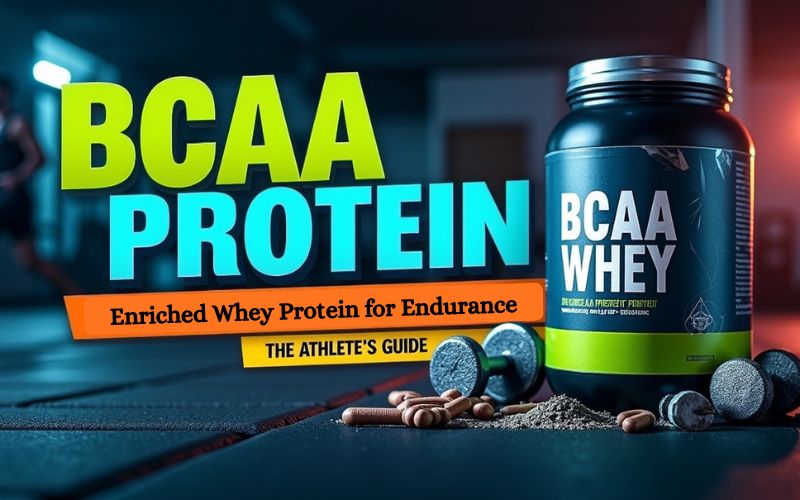
Endurance athletes in particular tend to feel the difference, which is why dedicated runners often explore BCAA support for long-distance running as part of their race-day plan.
How to Use BCAAs for the Best Results
Timing and dosage decide how much value you actually get from your tub, so a few simple habits go a long way.
- Sip during training: mix one scoop in water and drink it across your session for sustained energy and steady hydration while you train.
- Take it post-workout: a serving straight after lifting helps ease soreness with amino acids and kickstarts repair.
- Mind your dose: one scoop per session is plenty, so there is no need to overload your kidneys with extra.
- Stay consistent: regular use paired with a solid diet and smart programming is where the real progress shows.
Timing matters even more during Ramadan, and this guide on using BCAAs while fasting shows how to protect muscle without breaking your fast.
Frequently Asked Questions
A few questions come up again and again from Muslim lifters weighing up their first BCAA, so here are clear answers to the most common ones.
Are BCAA supplements halal?
They can be, but it is not guaranteed. Some powders use animal-derived ingredients or alcohol-based flavour carriers, so always look for a recognised halal certification and a clean ingredient list before buying.
How can I tell if a BCAA is genuinely halal certified?
Check for an official seal from a trusted halal authority, scan the label for gelatin or alcohol, confirm the aminos are plant-fermented or synthetic, and cross-check independent reviews or third-party testing for honest labelling.
What is the difference between BCAA and EAA?
BCAAs deliver three essential aminos (leucine, isoleucine, valine), while EAAs include all nine the body cannot produce. EAAs cover a broader recovery range, whereas BCAAs are leaner and ideal for intra-workout sipping.
When is the best time to take a BCAA?
Sipping during your workout supports energy and hydration, while a serving straight after training accelerates recovery. Both windows work well, so pick the one that fits your routine.
Can Muslims take BCAAs while fasting in Ramadan?
Pure BCAAs do contain a small number of calories, so most people save them for the windows around suhoor and iftar to help preserve muscle without affecting the fast.
Are BCAAs safe for daily use?
For healthy adults, one scoop a day is generally well tolerated. Stick to the recommended serving, stay hydrated, and consult a doctor first if you have any kidney or liver concerns.
Final Thoughts
Navigating supplements as a Muslim athlete should not feel like walking a tightrope. More brands now offer clean, transparent, halal-friendly BCAAs, which means you can fuel hard training without setting aside your values. Whether you are lifting heavy, sprinting, or simply pushing your limits, the picks above let your fitness honour both your physical goals and your faith. Choose carefully, stay consistent, and let the results speak for themselves.