













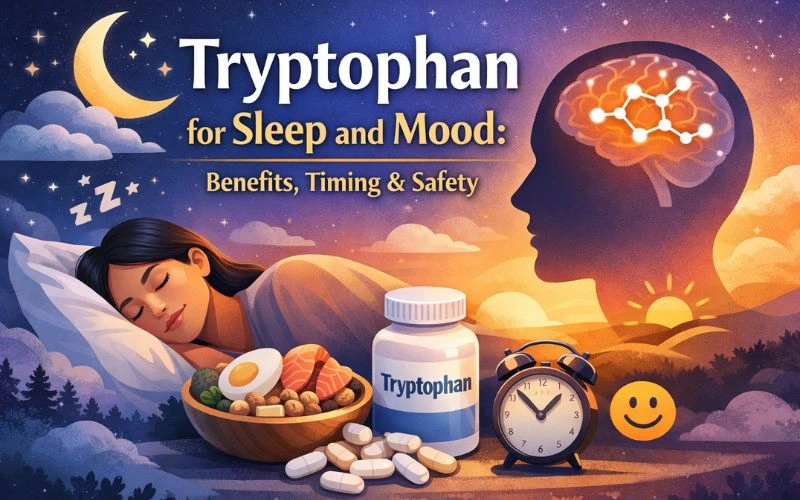
Sleep problems and low mood often go hand in hand. One nutrient that quietly supports both is tryptophan, an essential amino acid your body needs to produce serotonin and melatonin. Understanding how tryptophan for sleep and mood works can help you make smarter dietary and supplement choices without unrealistic promises.
This guide explains the science in simple terms, who may benefit, how to use it safely, and common mistakes to avoid.
Table of Contents
How Tryptophan Boosts Your Sleep Quality and Mood
Tryptophan helps the body produce serotonin and melatonin, supporting calmness, mood balance, and healthy sleep cycles while minerals like calcium and magnesium play a complementary role by relaxing muscles and calming the nervous system, making formulas such as Calcium Magnesium tablets ideal for nighttime wellness support.
What Is Tryptophan?
Tryptophan is an essential amino acid, meaning your body cannot make it on its own. You must obtain it from food or supplements. It plays a role in:
- Neurotransmitter production
- Sleep regulation
- Cognitive function
- Emotional balance
Because it’s involved in multiple brain pathways, even mild deficiencies can affect both sleep quality and mood.
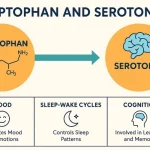
Effects on Mood, Behavior and Cognition
Supports emotional balance, mental clarity, and healthy brain function by helping regulate serotonin production and supporting the nervous system through essential B-vitamins.
Low Levels Are Associated With Mood Disorders
Research suggests low tryptophan availability may be linked to irritability, anxiety, and depressive symptoms, especially during periods of stress or poor diet.
Low Levels May Impair Memory and Learning
Tryptophan contributes to cognitive performance. Inadequate levels may affect focus, learning efficiency, and mental clarity.
Serotonin Is Responsible for Many of Its Effects
Most mood-related benefits of tryptophan occur through serotonin production, influencing emotional regulation, impulse control, and calmness.
Impact on Melatonin and Sleep
Melatonin production depends on serotonin availability. When tryptophan intake is sufficient, the body can maintain a healthier circadian rhythm, supporting:
- Faster sleep onset
- Deeper sleep stages
- Improved next-day alertness
This is why tryptophan for sleep and mood is often discussed together rather than separately.
Sources of Tryptophan
Natural food sources include:
- Eggs
- Dairy products
- Chicken and turkey
- Fish
- Nuts and seeds
- Oats and whole grains
While food is the best foundation, absorption varies based on overall diet composition, stress levels, and protein balance.
How to Use Tryptophan Supplements
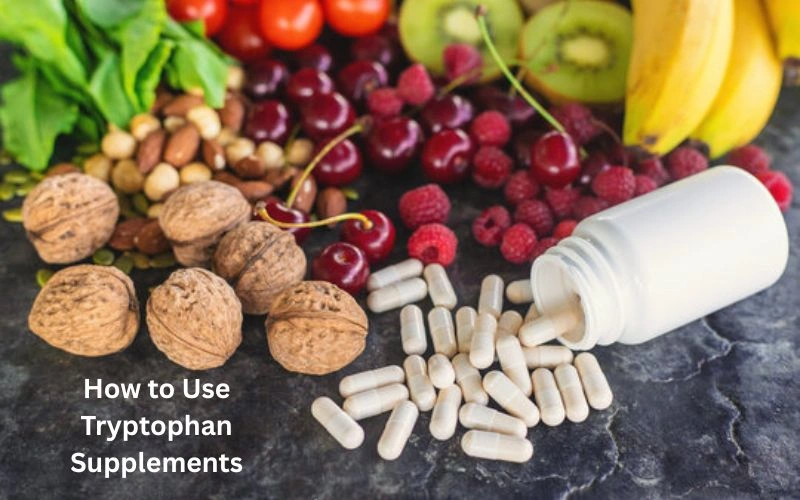
Supplemental tryptophan can be beneficial for individuals with poor sleep quality, stress-related mood fluctuations, low protein intake, or calorie-restricted diets. When included as part of essential amino acid formulas, it helps support overall nutrition alongside healthy sleep routines, stress management, and balanced daily meals.
Side Effects
Tryptophan is generally well tolerated when used responsibly. Possible mild effects include nausea or drowsiness. Combining it with certain medications (especially antidepressants) may increase risk, so professional advice is recommended.
Tryptophan for Sleep and Mood—Does It Really Work?
For many users, consistent use may support overall well-being over time, but results are gradual and depend on lifestyle factors such as caffeine intake, screen exposure, stress levels, and overall diet quality. Supplements like Nitrix Xtreme work best when combined with balanced nutrition and healthy daily routines.
Best Time to Take Tryptophan for Sleep and Mood
The best time to take tryptophan for sleep and mood is in the evening, about 30–60 minutes before bedtime, to support natural melatonin production and relaxation.
For Sleep
Evening intake, about 30–60 minutes before bed, aligns best with melatonin production.
For Mood Support
Some people benefit from earlier intake to support daytime serotonin levels.
Morning vs Night
Nighttime use is generally preferred for sleep-focused goals.
Recommended Dosage (General Guidance)
There is no universal dose. Most people are advised to:
- Start with a low amount
- Monitor response
- Avoid stacking with serotonin-affecting medications
Always prioritize food sources first.
Tryptophan vs 5-HTP vs Melatonin
- Tryptophan: Gentle, food-based support
- 5-HTP: More direct serotonin support, stronger effects
- Melatonin: Direct sleep hormone, fast-acting
Choice depends on sensitivity, goals, and health status.
Who Should Avoid Tryptophan?
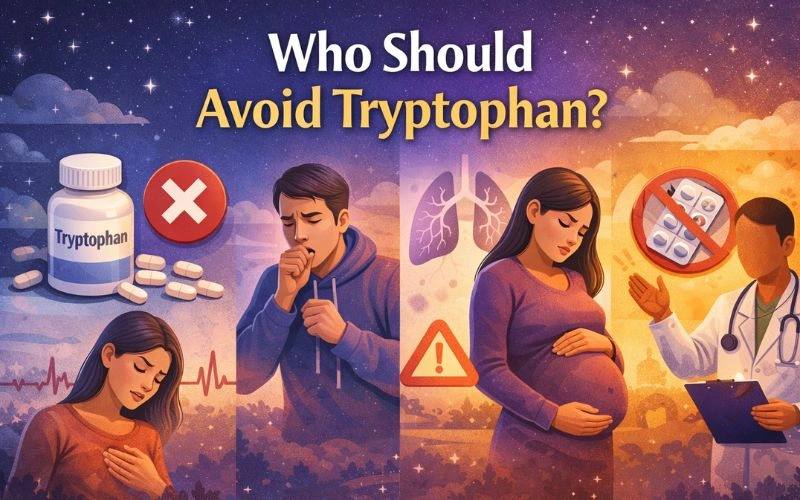
- People taking antidepressants or medications that affect serotonin levels should avoid tryptophan supplements unless advised by a healthcare professional, as combining them may increase the risk of serotonin imbalance or unwanted side effects.
- Individuals with liver or kidney conditions should avoid tryptophan supplements unless approved by a healthcare professional, as impaired organ function may affect amino acid metabolism and increase the risk of unwanted accumulation or side effects.
- Pregnant or breastfeeding women should avoid using tryptophan supplements unless specifically advised by a qualified healthcare professional, as safety data is limited and nutritional needs are best met through a balanced, whole-food diet.
The Bottom Line
Tryptophan for sleep and mood works best as part of a balanced lifestyle, not a quick fix. When combined with proper nutrition, stress management, and good sleep habits, it can gently support relaxation, emotional balance, and better rest.
At NutritionalWorld, we focus on quality-checked, authentic supplements that support your wellness goals safely and responsibly. If you’re exploring amino acids, sleep-support nutrients, or mood-support formulas, you’ll find trusted options backed by transparent sourcing and expert guidance.
Explore premium amino acids and sleep-support supplements at NutritionalWorld and take a smarter, science-guided step toward better sleep and balanced mood naturally.
FAQs
Is tryptophan good for anxiety and mood?
Tryptophan supports serotonin production, which plays a key role in emotional balance and stress regulation. While it’s not a medical treatment, adequate intake may help support mood stability when combined with healthy lifestyle habits.
Can tryptophan help insomnia?
Tryptophan may support better sleep quality by helping the body produce melatonin. It is especially useful when sleep problems are linked to stress, irregular routines, or nutritional deficiencies rather than chronic or clinical insomnia.
How long does tryptophan take to work?
Some people notice mild relaxation within a few days, but consistent improvements in sleep quality and mood balance typically appear after regular use for one to two weeks, depending on diet, stress levels, and lifestyle.
Is food-based tryptophan enough?
Food sources often provide sufficient tryptophan, but absorption varies between individuals. High stress, calorie restriction, or poor diet balance may reduce availability, leading some people to consider supplemental support.
Is tryptophan safe long-term?
When used responsibly and within recommended ranges, tryptophan is generally safe for long-term use in healthy adults. However, individuals taking serotonin-affecting medications should consult a healthcare professional before regular supplementation.