














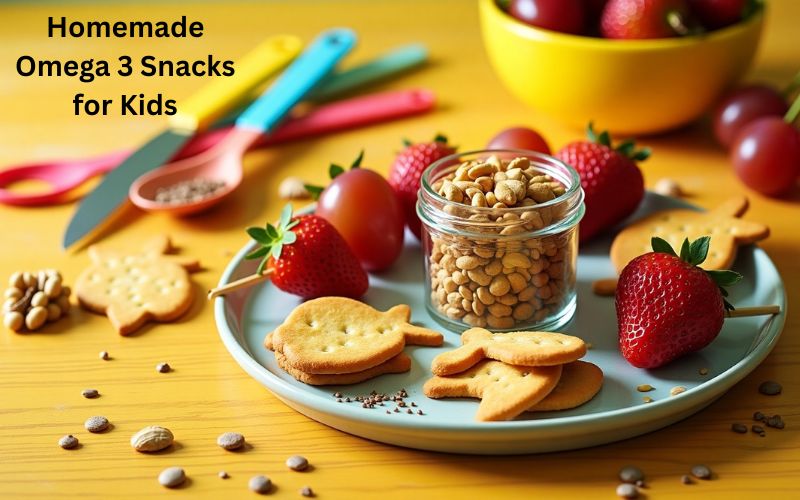
Omega-3 fatty acids are essential for children’s development, especially for their brain, eyes, and immune system. However, many kids do not get enough of these healthy fats from their daily meals. That is why homemade omega 3 snacks for kids are a fantastic and practical way to boost their nutritional intake.
In this article, we will explore the importance of omega-3s, kid-friendly food sources, and easy homemade snack ideas that your little ones will love.
Table of Contents
Why Omega-3 Is Essential for Children
Omega-3 fatty acids, particularly DHA (docosahexaenoic acid) and EPA (eicosapentaenoic acid), play a vital role in a child’s cognitive development, behavior regulation, and heart health. Several studies suggest that children who consume adequate omega-3s perform better academically, have improved memory, and even show fewer signs of ADHD symptoms. This lines up with what omega-3’s combined heart and brain benefits show across age groups, not just in adults.
Since the body does not produce these fats naturally, they must be consumed through diet. While fatty fish is an excellent source, not every child enjoys eating it. That is where homemade omega 3 snacks for kids come in handy, since they make nutrition tasty and fun.
Best Food Sources of Omega-3 for Kids
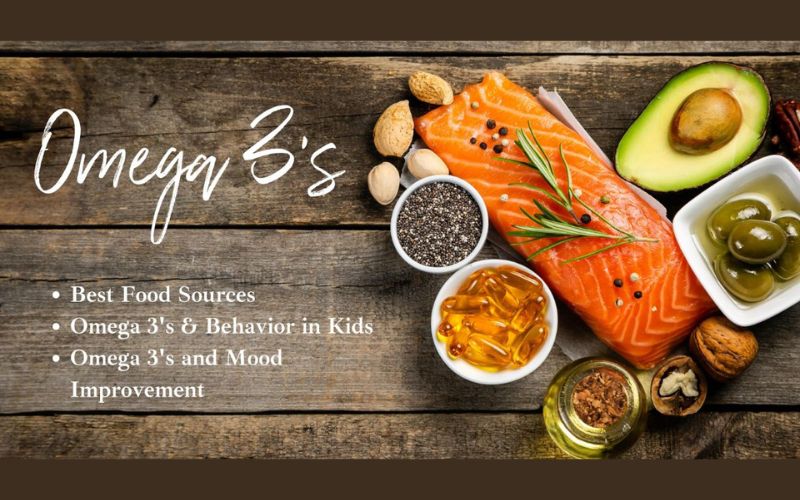
Before jumping into recipes, let us highlight some common ingredients rich in omega-3s.
- Chia seeds
- Flaxseeds
- Walnuts
- Hemp seeds
- Salmon
- Sardines
- Fortified eggs
- Canola and flaxseed oil
These can be easily incorporated into daily snacks without affecting taste, and many of them are perfect for kids with dietary restrictions. If your child cannot eat fish at all, this overview of plant based omega-3 sources is a helpful reference for building a fish-free routine around these ingredients.

Top Homemade Omega 3 Snacks for Kids
With the key ingredients covered, here are some nutritious and easy to make ideas to prepare homemade omega 3 snacks for kids that they will actually want to eat.
1. Flaxseed Banana Muffins
Starting with a breakfast favorite, these moist muffins are a breakfast hit and double up as a healthy snack. Replace some of the flour with ground flaxseed for a rich omega-3 boost. Add ripe bananas, oats, and a touch of honey to make them naturally sweet.
2. Chia Seed Pudding with Berries
Next, for a no-cook option, mix chia seeds with your child’s favorite milk, whether dairy or a plant-based alternative, a little honey, and top it with fresh berries. Leave it in the fridge overnight. It is high in fiber, omega-3s, and antioxidants, making it ideal for school lunchboxes.
3. Salmon Patties or Nuggets
For children who do eat fish, this option packs the most direct dose of omega-3. If your child eats fish, try making mini salmon patties. Blend cooked salmon with mashed potatoes, parsley, and a pinch of salt, then pan fry them lightly. Serve with a yogurt dip for a protein and omega-3 rich snack.
4. No-Bake Walnut Energy Balls
If your child prefers something they can grab on the way out the door, this one works well. Combine walnuts, dates, oats, a spoonful of almond butter, and a bit of cocoa powder. Blend them into a dough and roll into small balls. These are perfect on the go snacks with no added sugar, and if you want more ideas along these lines, this roundup of omega-3 friendly snack ideas for kids covers several other options worth trying.
5. Avocado and Flaxseed Toast Bites
For an after-school snack that takes minutes to prepare, mash ripe avocado on whole grain bread, sprinkle with ground flaxseed, and cut into fun shapes using cookie cutters. It is a great after school snack rich in healthy fats and fiber.
6. Omega-3 Smoothie Popsicles
Rounding out the list, this one is especially useful for hiding vegetables in something kids actually want to eat. Blend spinach, banana, chia seeds, and Greek yogurt with a splash of orange juice. Pour into molds and freeze. These colorful popsicles hide vegetables while delivering healthy omega-3s.
Tips for Including Omega-3s in Kids’ Diets
With six recipes to try, it also helps to have a few general habits that make omega-3s an easier daily fit.
- Start small: Gradually introduce flaxseed or chia into baked goods or cereals.
- Blend in smoothies: Seeds and oils blend easily into fruit smoothies.
- Make it fun: Involve kids in the kitchen. Let them shape energy balls or decorate muffins.
- Use oils wisely: Drizzle flaxseed or canola oil on cooked pasta or vegetables instead of butter.
How to Ensure Omega-3 Absorption
Getting omega-3s onto the plate is only half the job, since how the body processes them matters just as much. While plant-based sources like flaxseed and walnuts are rich in ALA (alpha-linolenic acid), the body needs to convert it into DHA and EPA, which is not always efficient. That is why including small amounts of fatty fish or fortified foods can help. Cooking methods also matter, so avoid deep frying and stick to baking or steaming.
Balance matters too. Avoid giving too many omega-6 rich foods, often found in processed snacks, as they can interfere with omega-3 absorption.
A Balanced Diet Makes a Big Difference
Beyond absorption, consistency across the whole diet is what really moves the needle over time. Kids are naturally picky eaters. That is why parents need to be creative when it comes to nutrition. Offering homemade omega 3 snacks for kids is one of the best ways to support their growth, focus, and overall health without battles at the dinner table.
Incorporate these ideas into their weekly routine, and you will notice improved mood, energy, and even immunity.
FAQs About Homemade Omega 3 Snacks for Kids
To finish up, here are quick answers to the questions parents ask most often about giving kids omega-3s at home.
What are the best plant-based omega-3 sources for kids?
Chia seeds, ground flaxseeds, hemp seeds, and walnuts are excellent plant-based omega-3 sources. They contain ALA, which supports normal growth and development. Add small amounts to smoothies, oatmeal, yogurt, or homemade snacks for children.
Can I give my child omega-3 snacks daily?
Yes, children can enjoy omega-3-rich snacks daily as part of a balanced diet. Choose age-appropriate portions and vary ingredients to provide different nutrients. Consider allergies, choking hazards, and your child’s nutritional needs when preparing snacks regularly.
My child does not like fish. How else can I give them omega-3?
If your child dislikes fish, try homemade omega-3 snacks using ground flaxseeds, chia seeds, or walnuts. These provide plant-based ALA. Fish oil supplements may provide EPA and DHA, but consult a pediatrician before giving supplements to children.
Are store-bought omega-3 snacks healthy?
Some store-bought omega-3 snacks are nutritious, but their quality varies. Check ingredient lists for added sugars, excessive salt, and allergens. Homemade alternatives let you control ingredients, portion sizes, and preparation methods while incorporating nutritious seeds, fruits, and whole grains.
How much omega-3 does a child need per day?
Omega-3 requirements depend on a child’s age and the specific fatty acid. ALA recommendations vary by age and sex, while no established daily requirement exists for EPA and DHA. Consult this daily omega-3 dosage guide
Can I freeze omega-3 snacks for later use?
Yes, many homemade omega-3 snacks, including energy bites and muffins, can be frozen for convenient meal preparation. Store them in airtight, freezer-safe containers, label the dates, and thaw safely. Chia pudding can also be refrigerated for short-term storage.
What is better for kids, ALA, DHA, or EPA?
ALA, DHA, and EPA each have nutritional value, but they serve different roles. ALA comes from plants, while DHA and EPA occur mainly in seafood. DHA supports normal brain and eye development, and the body converts ALA inefficiently.
How do I mask the taste of flax or chia in snacks?
Blend ground flaxseeds or chia seeds into smoothies, oatmeal, yogurt, or homemade muffins to make their flavour less noticeable. Bananas, berries, cocoa, and nut butters can improve taste. Start with small amounts and adjust according to your child’s preferences.
Are these snacks suitable for school lunchboxes?
Yes, many omega-3-rich snacks are convenient for school lunchboxes, including seed-based energy bites, oatmeal muffins, and fruit smoothies in suitable containers. Check school allergy policies, avoid choking hazards for younger children, and use insulated lunch bags when refrigeration is needed.
Conclusion
Raising healthy kids starts with smart nutrition, and incorporating homemade omega 3 snacks for kids is a simple yet powerful habit. From muffins to smoothies, the possibilities are endless when you use the right ingredients with a touch of creativity. Not only will your kids love the taste, but their bodies and brains will thank you for it.
Start your child’s omega-3 journey today with nutritious, home-crafted snacks that make health fun.
Visit Nutritional World for more child-friendly nutrition tips, recipes, and expert guidance tailored for growing minds and bodies.