














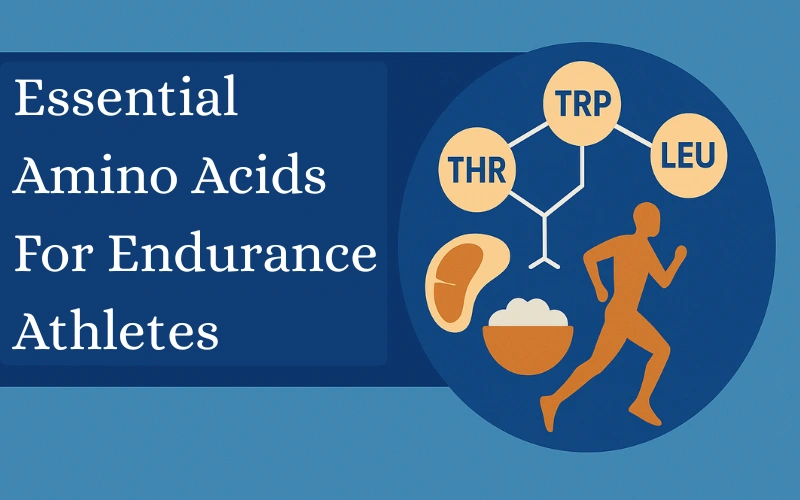
Endurance sports demand consistency, resilience, and the ability to recover quickly. Whether you’re a distance runner, cyclist, swimmer, or triathlete, your muscles undergo continuous stress. To sustain long-duration performance, the body relies heavily on essential amino acids for endurance athletes, as these nutrients support muscle repair, energy production, and fatigue management.
This guide explains how EAAs work, what benefits they provide, and how endurance athletes can use them strategically for peak performance.
Table of Contents
What Are Essential Amino Acids?
Essential amino acids (EAAs) are nine amino acids that the body cannot produce on its own. That means they must come from diet or supplementation. These include leucine, isoleucine, valine, lysine, histidine, methionine, threonine, phenylalanine, and tryptophan.
For endurance athletes, EAAs play three vital roles:
- Supporting muscle protein synthesis
- Reducing exercise-induced muscle breakdown
- Enhancing recovery after long training sessions
Because endurance sports are catabolic in nature, maintaining adequate EAA levels helps preserve muscle mass while improving energy utilization making essential amino acids for endurance athletes fundamental for performance optimization.
Why Endurance Athletes Need Essential Amino Acids
Unlike strength athletes who focus on lifting heavy loads, endurance athletes face long, repetitive, and high-volume sessions. This increases the demand for protein turnover and amino acid availability.
Muscle Repair and Protection
Long-distance training causes micro-tears in muscle fibers. EAAs, especially leucine, help activate muscle repair pathways and prevent excessive breakdown.
Improved Energy and Reduced Fatigue
EAAs support glucose uptake and mitochondrial function, enabling better endurance output. Certain amino acids like valine and histidine help delay central fatigue, which becomes crucial during prolonged sessions.
Better Recovery Window
Endurance athletes often train multiple times a week. EAAs accelerate recovery so athletes can maintain training frequency without burnout.
By supplying all nine building blocks needed for muscle repair and energy production, essential amino acids for endurance athletes help sustain higher performance and improved endurance capacity.
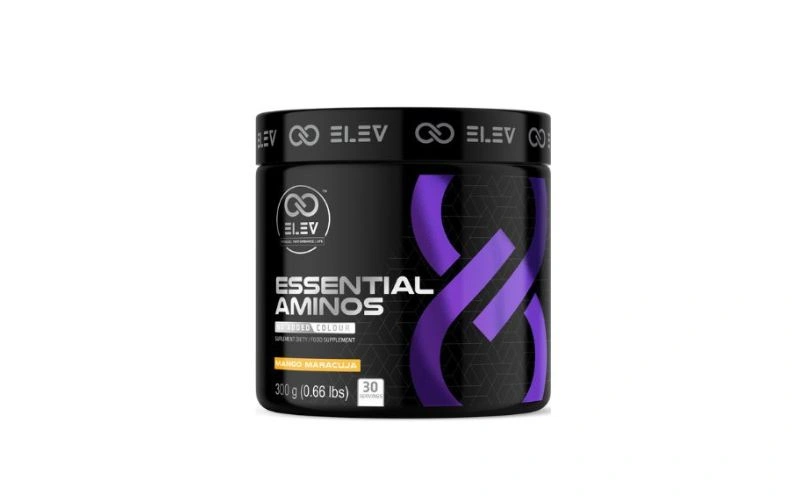
If you want to explore a high-quality EAA supplement trusted by active individuals, you can check out ELEV Essential Aminos.
EAAs vs. BCAAs: What Works Better for Endurance?
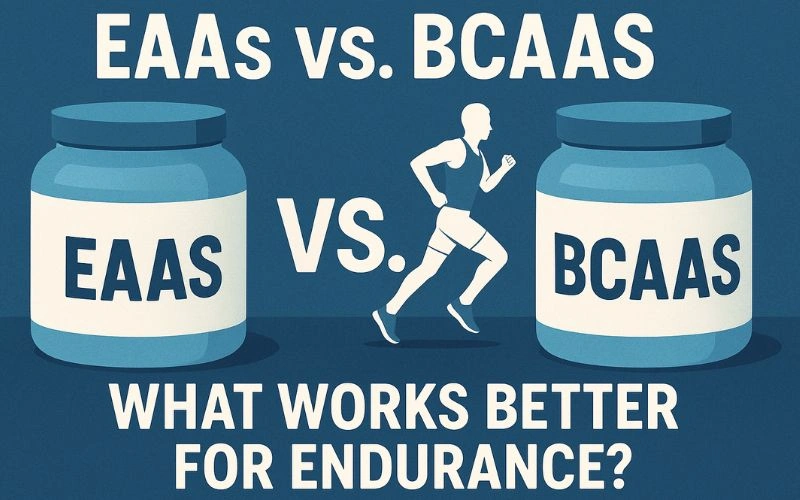
While BCAAs are popular, they contain only three amino acids. EAAs include all nine, making them more complete and scientifically effective.
Why EAAs Are Superior:
- Support complete muscle protein synthesis
- Help reduce soreness more effectively
- Improve both aerobic and anaerobic performance
- Provide balanced nutrient support
- Prevent muscle catabolism during long-duration workouts
This is why experts recommend EAAs over BCAAs for long-distance runners, cyclists, and multi-sport athletes.
Best Time to Take EAAs for Endurance Performance
Strategic timing enhances the benefits of essential amino acids for endurance athletes. During long-duration training, some endurance athletes also prefer using nitric oxide support supplements for better blood flow and stamina. You can explore a powerful option like Core Champs Nitrix Xtreme (120 Capsules).
Before Training
Taking EAAs 30 minutes before training provides energy support and reduces muscle breakdown during long sessions.
During Long Workouts
Ideal for sessions lasting over 90 minutes EAAs help maintain amino acid levels, reduce mental fatigue, and preserve performance quality.
After Training
Post-workout EAAs accelerate muscle repair, improve recovery, and reduce soreness.
This timing strategy ensures consistent amino acid availability and supports high training volume.
Recommended Dosage for Endurance Athletes
The optimal dosage depends on training intensity, but general guidelines include:
- 8–10g EAAs for moderate training days
- 10–12g EAAs pre or intra for intense endurance sessions
- 12–15g EAAs for marathon or long cycling workouts
Steady intake improves long-term performance and recovery outcomes.
Natural Food Sources of EAAs
Endurance athletes can get EAAs through foods such as:
- Eggs
- Chicken
- Fish
- Greek yogurt
- Soy and tofu
- Quinoa
- Whey protein
However, during long sessions or tight training windows, supplementation provides faster, more convenient support.
FAQs
What makes EAAs essential for endurance athletes?
EAAs support muscle preservation, improve recovery, enhance energy metabolism, and delay fatigue making them crucial for long-duration sports.
How often should endurance athletes take EAAs?
EAAs can be taken daily, especially around training sessions, to maintain optimal amino acid levels.
Do EAAs improve running and cycling performance?
Yes, EAAs help improve stamina, reduce fatigue, and support faster recovery, benefiting runners, cyclists, triathletes, and swimmers.
Can EAAs replace protein shakes?
They don’t replace protein but act as a targeted supplement for faster absorption and enhanced muscle repair before, during, or after endurance training.
Conclusion
For anyone involved in long-distance or high-volume endurance sports, essential amino acids for endurance athletes are one of the most effective ways to enhance stamina, reduce fatigue, protect muscle tissue, and speed up recovery. They provide a complete amino acid profile that supports both immediate performance and long-term athletic development.
If you’re looking to improve endurance naturally and consistently, explore more science-backed nutrition and performance guides at Nutritionalworld, your trusted source for smart, research-driven fitness insights.