














If you’ve ever felt uncomfortably full or gassy after a protein shake, you’re not alone. The debate around digestive comfort with different protein types is real, and understanding how casein protein compares to whey protein can help you make smarter nutrition choices. While both proteins come from milk and offer excellent muscle-building benefits, their digestion profiles couldn’t be more different.
Table of Contents
Understanding Casein and Whey: What Makes Them Different?
When milk is processed to make cheese, it separates into two protein fractions. Whey protein is the liquid part that’s quickly absorbed, while casein forms the solid curds and digests much more slowly. This fundamental difference affects how your body processes each protein and whether you might experience bloating.
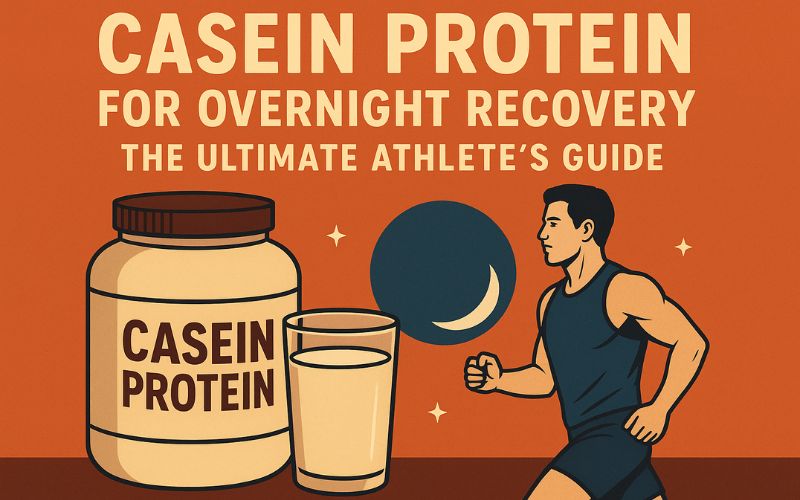
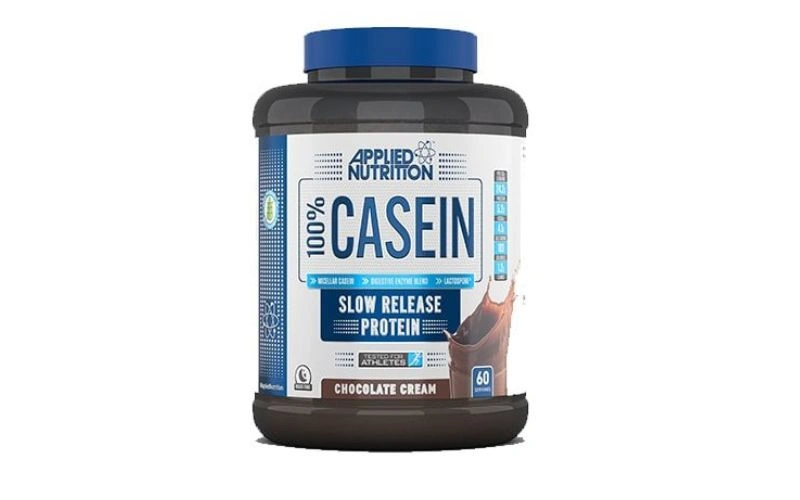
Think of whey as a sprint runner,it enters your bloodstream rapidly, delivering amino acids within 20-40 minutes. Casein, on the other hand, is a marathon runner. It forms a gel-like substance in your stomach, releasing amino acids gradually over 6-8 hours. This slow-release property makes casein popular for overnight muscle recovery, but it also means your digestive system works longer to break it down.
Why Bloating Happens With Protein Powders
Bloating from protein supplements typically stems from three main culprits:
- Lactose content: Both casein and whey contain varying amounts of milk sugar
- Digestion speed: Slower proteins sit in your gut longer, potentially causing gas
- Additives and sweeteners: Artificial ingredients can trigger digestive upset
- Portion size: Taking too much protein at once overwhelms your digestive enzymes
Does Casein Protein Cause More Bloating Than Whey?
The short answer is: it depends on your individual digestive system, but casein has a higher likelihood of causing bloating in sensitive individuals. Research shows that casein’s slow digestion means it stays in your gastrointestinal tract longer, which can lead to increased gas production and that uncomfortable bloated feeling.
A 2020 study published in the Journal of National institutes of Health Science found that approximately 35% of people who consumed casein protein reported mild to moderate digestive discomfort, compared to 18% with whey protein isolate. The extended digestion time gives gut bacteria more opportunity to ferment the protein, producing gas as a byproduct.
The Lactose Factor in Casein vs Whey
One critical difference lies in lactose content. Standard casein protein contains roughly 3-5 grams of lactose per serving, while whey protein concentrate has about 2-4 grams. However, whey isolate goes through additional processing that removes most lactose, bringing it down to less than 1 gram per serving.
If you’re lactose intolerant or sensitive, this matters significantly. Your body lacks sufficient lactase enzymes to break down milk sugar, so undigested lactose ferments in your colon, creating bloating, gas, and sometimes diarrhea. In this scenario, casein’s higher lactose content and slower digestion create a perfect storm for digestive issues.
Who Should Choose Casein Despite Bloating Concerns?
Despite the potential for bloating, casein offers unique benefits that make it valuable for specific situations. If you’re using it strategically and managing portion sizes, the digestive trade-off might be worth it.
- Before bed protein: Casein’s slow-release properties make it ideal for preventing overnight muscle breakdown. Taking 25-30 grams before sleep provides a steady stream of amino acids while you fast during sleep.
- Between-meal satiety: Because casein digests slowly, it keeps you feeling full longer than whey. This makes it valuable for those trying to manage hunger during weight loss programs.
- Muscle preservation during cuts: Athletes in calorie deficits use casein to maintain muscle mass while losing fat, thanks to its anti-catabolic effects that prevent muscle breakdown.
Minimizing Bloating When Using Casein
You don’t have to give up casein entirely if you experience mild bloating. Try these strategies:
- Start with smaller servings (15-20 grams) and gradually increase as your digestive system adapts
- Take digestive enzymes containing lactase and protease 15 minutes before your casein shake
- Mix with water instead of milk to reduce overall lactose intake
- Avoid casein close to workouts when blood flow is diverted from digestion
- Choose micellar casein over calcium caseinate, as it’s closer to casein’s natural form
When Whey Protein Is the Better Choice
For most people concerned about bloating, whey protein offers a gentler digestive experience. Its rapid absorption means less time for fermentation and gas production. If you’re specifically worried about digestive comfort, here’s when whey makes more sense.
- Post-workout recovery: Whey’s fast absorption delivers amino acids to muscles when they need them most,immediately after training. This is why post-workout nutrition emphasizes whey over casein.
- Lactose sensitivity: Whey isolate removes virtually all lactose, making it suitable even for those with significant intolerance. Many brands process whey to under 0.5 grams of lactose per serving.
- Digestive ease: Whey’s quick digestion minimizes the time it spends in your gut, reducing opportunities for bloating and gas. Most people digest whey within 1-2 hours.

Different Types of Whey and Their Bloating Potential
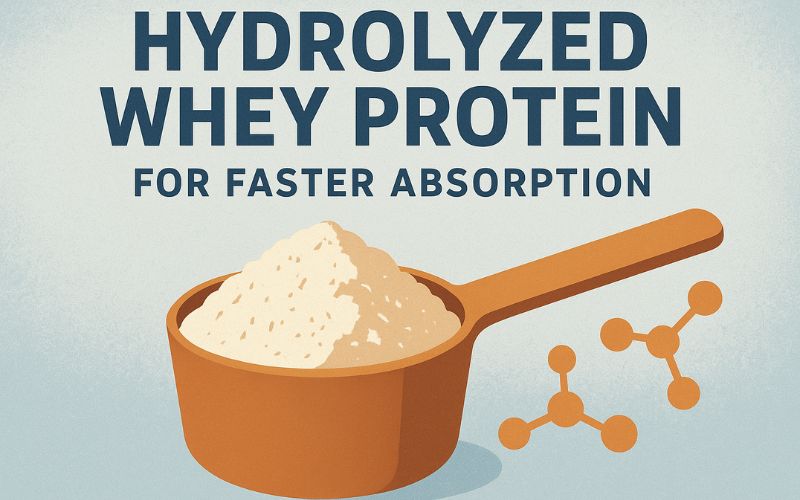
Not all whey proteins are created equal when it comes to digestive comfort. Whey concentrate contains 70-80% protein with some lactose and fat remaining. Whey isolate undergoes additional filtration to reach 90%+ protein with minimal lactose. Hydrolyzed whey takes this further, pre-digesting the protein into smaller peptides for even faster absorption.
The progression from concentrate to isolate to hydrolyzed generally reduces bloating risk. If standard whey concentrate causes issues, upgrading to an isolate protein often solves the problem without switching protein types entirely.
Finding Your Ideal Protein Based on Digestion
The “best” protein isn’t about which one builds more muscle,it’s about which one your body tolerates while still meeting your fitness goals. Both casein and whey effectively support muscle building and recovery when used appropriately.
Testing Your Tolerance
Start with a simple elimination approach. Use only whey isolate for two weeks, tracking digestive symptoms. Then switch to casein for two weeks under the same conditions. Keep notes on bloating, gas, stomach discomfort, and overall energy levels. This personal data is more valuable than any study when choosing your protein.
Many athletes find success with a hybrid approach,whey around workouts for quick absorption, and casein before bed for overnight recovery. This strategy, often called protein timing, optimizes both digestion and muscle protein synthesis without overloading your system with one type.
Alternative Proteins If Both Cause Bloating
Sometimes neither casein nor whey sits well, particularly for people with dairy sensitivity beyond just lactose intolerance. The good news is that protein supplement options extend far beyond dairy.
- Plant-based proteins: Pea, rice, and hemp proteins offer complete amino acid profiles without any dairy. Many find them gentler on digestion, though some plant proteins can cause gas due to fiber content.
- Beef protein isolate: This dairy-free option provides a complete amino acid profile similar to whey. Beef protein digests at a moderate speed,faster than casein but slower than whey isolate.
- Egg white protein: Another lactose-free option, egg protein offers high bioavailability and moderate digestion speed. It’s particularly useful for those avoiding both dairy and soy.
Combining Proteins for Optimal Digestion
Rather than using pure casein or pure whey, many manufacturers create protein blends that balance fast and slow-digesting proteins. These blends typically contain 60-70% whey with 30-40% casein, providing immediate amino acid delivery plus sustained release.
This approach offers a middle ground,you get whey’s digestive ease and rapid absorption combined with casein’s sustained amino acid release, but without the bloating that pure casein might cause. The smaller casein portion means less time in your digestive tract and reduced gas production.

Practical Tips for Reducing Protein Bloating
Regardless of which protein you choose, certain habits can minimize digestive discomfort. These strategies work whether you’re using whey, casein, or alternatives.
- Mix thoroughly: Clumpy protein shakes are harder to digest. Use a blender or quality shaker bottle to ensure smooth consistency.
- Drink plenty of water: Protein metabolism requires water. Aim for at least 8-10 ounces of water with each shake, plus your normal daily intake.
- Don’t gulp your shake: Drinking protein too quickly introduces air into your digestive system, causing immediate bloating. Sip over 10-15 minutes.
- Avoid late-night casein if prone to bloating: While casein works well before bed for muscle preservation, if you’re bloating-prone, take it 2-3 hours before sleep rather than immediately before.
Supporting Digestive Health Long-Term
Your gut health significantly impacts how well you tolerate any protein. Adding digestive support supplements like glutamine can strengthen your intestinal lining. Probiotics help balance gut bacteria, reducing fermentation and gas. A balanced diet rich in fiber from whole foods supports overall digestive function.
Many athletes find that addressing gut health holistically solves protein bloating issues more effectively than simply switching protein types. When your digestive system is strong and balanced, it handles both casein and whey more efficiently.
Making the Final Decision: Casein or Whey?
There’s no universal answer to whether casein causes more bloating than whey,it depends on your individual physiology, digestion strength, and how you use each protein. What’s clear is that casein’s slower digestion does create more opportunity for digestive discomfort in sensitive individuals.
For most people prioritizing digestive comfort, whey isolate represents the safest starting point. Its low lactose content and rapid absorption minimize bloating risk while still delivering excellent muscle-building benefits. You can find quality whey proteins in Pakistan that won’t break your budget.
If you want casein’s specific benefits,overnight muscle protection, extended satiety, or anti-catabolic effects during cutting,start with small doses and quality micellar casein products. Monitor your response and adjust accordingly. Your body’s feedback is the ultimate guide.
Listen to Your Body
The supplement industry loves to overcomplicate protein selection, but the truth is simpler. Try different proteins systematically, track your body’s response, and choose what works for your digestion while supporting your fitness goals. Whether you end up using casein, whey, blends, or alternatives, the best protein is the one you can digest comfortably while consistently hitting your nutrition targets.
Don’t let bloating fears prevent you from using protein supplements altogether. With the right selection and smart usage strategies, you can support your muscle building and recovery without digestive distress. Explore protein options at Sports One to find what works for your body and goals.