













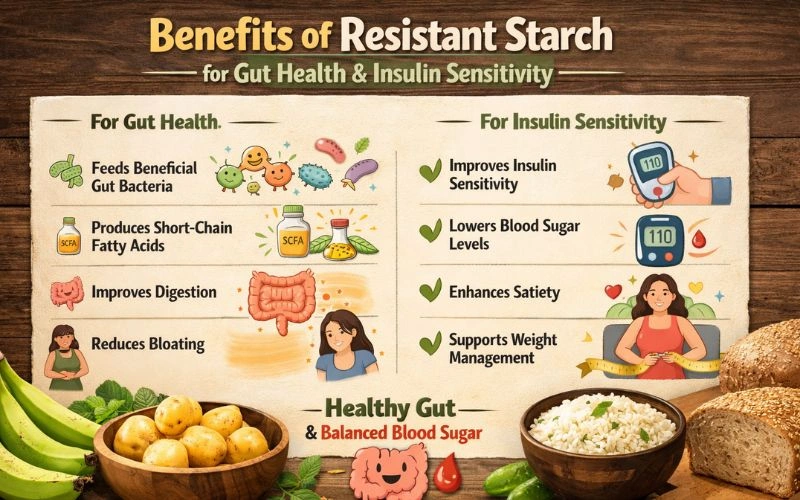
Your digestive system processes most carbohydrates by breaking them down into simple sugars that enter your bloodstream. But one type of carbohydrate,resistant starch,behaves completely differently, passing through your small intestine intact to reach your colon where it feeds beneficial bacteria and triggers remarkable health benefits. Understanding resistant starch and how to incorporate it strategically into your diet can transform both your gut health and metabolic function, particularly if you’re struggling with blood sugar control, digestive issues, or body composition goals.
Resistant starch earns its name because it resists digestion in the small intestine, functioning more like fiber than traditional starch. This simple difference creates profound effects throughout your body. When resistant starch reaches your colon, beneficial bacteria ferment it into short-chain fatty acids,particularly butyrate,that fuel your intestinal cells, reduce inflammation, improve insulin sensitivity, and support overall metabolic health. For athletes and fitness enthusiasts, these benefits translate directly into better body composition, improved recovery, and enhanced performance.
Table of Contents
Understanding the Four Types of Resistant Starch
Scientists categorize resistant starch into four distinct types. Type 1 is physically inaccessible, trapped within the fibrous cell walls of grains, seeds, and legumes. Type 2 comes from raw or uncooked foods like raw potatoes, green bananas, and uncooked oats;their tight molecular structure resists digestive enzymes. Guide to balanced diet for beginners explains carbohydrate types.
Type 3 resistant starch forms through retrogradation,when cooked starches cool and their molecular structure reorganizes. This is why cooked and cooled rice, potatoes, and pasta contain significantly more resistant starch than freshly cooked versions. Type 4 is chemically modified by manufacturers. For practical purposes, most people obtain resistant starch from Types 2 and 3,raw foods and cooked-then-cooled starches.

How Resistant Starch Transforms Your Gut Microbiome
Your colon houses trillions of bacteria that profoundly influence your health. Resistant starch serves as a preferred food source for beneficial bacterial species, particularly those producing butyrate and other short-chain fatty acids. When you consume resistant starch, it travels undigested to your colon where bacteria ferment it, producing SCFAs,primarily butyrate, propionate, and acetate. How gut health influences athletic performance explores these connections.
Regular resistant starch consumption shifts your microbiome toward beneficial species. Studies show it increases Bifidobacteria and other health-promoting bacteria while reducing potentially harmful species. This improved bacterial balance strengthens your intestinal barrier, reduces systemic inflammation, and enhances nutrient absorption. Adaptogens and stress management in athletes discusses how gut health affects stress response. Your gut microbiome influences neurotransmitter production, immune function, and metabolic regulation, making resistant starch benefits extend far beyond digestion.
Resistant Starch’s Direct Impact on Insulin Sensitivity
Insulin sensitivity determines how effectively your body processes carbohydrates and maintains stable blood sugar. Resistant starch improves insulin sensitivity through multiple mechanisms. First, it produces minimal blood sugar spikes since it’s not digested in the small intestine, reducing insulin secretion and giving your pancreatic beta cells a break. How to reduce carbohydrate cravings addresses blood sugar management.
The short-chain fatty acids from resistant starch fermentation directly improve insulin sensitivity. Butyrate and propionate signal improved glucose metabolism in your liver and muscles, while increasing production of hormones like GLP-1 that enhance insulin secretion and sensitivity. Research shows consuming resistant starch with meals reduces post-meal blood sugar spikes by 20-30%. Can fibroids cause weight gain discusses metabolic factors. For athletes, this improved insulin sensitivity means carbohydrates are more likely directed toward muscle glycogen storage rather than fat accumulation.
Practical Food Sources of Resistant Starch
Several common foods provide substantial resistant starch with simple preparation. Raw or underripe bananas contain Type 2 resistant starch,a green banana provides approximately 15-20 grams, decreasing as it ripens. Cooked and cooled potatoes offer excellent Type 3 resistant starch,a medium potato contains about 4-5 grams after refrigerating 12-24 hours.
The cook-cool-reheat cycle dramatically increases resistant starch content. Cook rice, pasta, or potatoes normally, then refrigerate for at least 12 hours. Reheating doesn’t eliminate the resistant starch formed during cooling. Keto chicken karahi oatmeal in soups and baked goods includes creative preparations. Legumes naturally contain resistant starch,lentils provide about 5 grams per cooked cup and white beans offer 7-8 grams. Raw or minimally processed oats also contain resistant starch. Calories in oatmeal with milk breaks down oatmeal nutrition.
Resistant Starch for Athletes and Body Composition
Athletes pursuing optimal body composition can leverage resistant starch’s unique properties strategically. Because resistant starch provides only 2 calories per gram compared to regular starch’s 4 calories, it offers satiety and gut health benefits with lower caloric impact. The improved insulin sensitivity means carbohydrates consumed around training are more efficiently directed toward muscle glycogen replenishment rather than fat storage. Understanding glycogen and energy storage explains these processes.
While resistant starch doesn’t provide immediate training fuel, incorporating it strategically supports long-term metabolic health and performance. Many athletes include resistant starch in meals several hours before training or in evening meals for overnight recovery and gut health. Some experiment with resistant starch in pre-sleep meals, utilizing the extended overnight period for bacterial fermentation. Low glycemic weight gainer recipes include resistant starch applications.
Resistant Starch and Digestive Health Beyond Bacteria
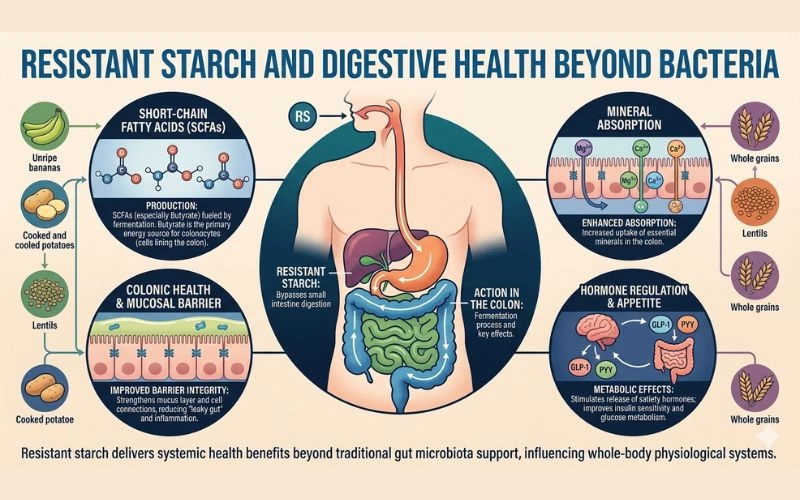
Butyrate from resistant starch fermentation serves as primary fuel for colonocytes,the cells lining your colon. Adequate butyrate strengthens intestinal tight junctions, improving barrier function and reducing inflammation. Role of antioxidants in reducing oxidative stress discusses inflammation management.
Resistant starch increases stool bulk and improves bowel movement consistency, similar to fiber. However, this requires gradual adaptation,rapidly increasing intake can cause temporary bloating. Start with 5-10 grams daily and increase by 5 grams weekly until reaching 15-30 grams daily. How diet affects the results of fat burners addresses digestive considerations.
Weight Management Benefits of Resistant Starch
Resistant starch supports weight management through several mechanisms. Its low caloric density means you can consume satisfying portions while controlling total calories. The improved insulin sensitivity from resistant starch means your body becomes more metabolically flexible,better able to switch between burning carbohydrates and fats. Combining fat burners with high-protein diets discusses comprehensive approaches.
The SCFAs from resistant starch influence hormones related to appetite and fat storage, increasing satiety hormones like PYY and GLP-1 while reducing ghrelin. People consuming resistant starch report feeling fuller longer and experiencing fewer cravings. Healthy weight gain without belly fat addresses balanced body composition approaches. These appetite-regulating effects prove invaluable for long-term adherence to controlled eating patterns.
Potential Side Effects and How to Minimize Them
Rapid introduction of resistant starch can cause temporary digestive discomfort from increased fermentation,bloating, flatulence, and abdominal discomfort. This adaptation period typically lasts 1-3 weeks with gradual introduction. Individual tolerance varies significantly based on gut microbiome composition and digestive health history.
Begin with small amounts,perhaps a half portion of cooked and cooled potatoes daily. Maintain this for several days before adding resistant starch at another meal. Drink adequate water,at least 8-10 glasses daily,to minimize constipation. Do green smoothies detox the body and discuss digestive support. If experiencing persistent discomfort, reduce intake temporarily, then increase more slowly. Patient, gradual introduction proves more successful than aggressive changes causing discomfort.
Resistant Starch Supplements vs Whole Food Sources
While whole foods provide ideal sources with other nutrients, supplements offer convenience and concentrated doses. Raw potato starch contains approximately 8 grams of Type 2 resistant starch per tablespoon. Hi-maize resistant starch from special corn provides another option. Supplements allow precise dosing in smoothies, yogurt, or cold beverages. Benefits of imported supplements in 2025 discusses quality considerations.
Start with one tablespoon (8 grams) daily, mixed into cold liquids or foods,never add to hot foods as heat converts resistant starch into digestible starch. Ideally, combine supplemental resistant starch with whole food sources rather than relying exclusively on supplements for complete nutritional benefits.
Frequently Asked Questions About Resistant Starch
Understanding how resistant starch works helps you use it strategically for gut health, blood sugar control, and metabolic support.
How much resistant starch should I consume daily?
Most research suggests 15-30 grams daily provides substantial benefits. Start with 5-10 grams and gradually increase over 2-3 weeks to your target amount to minimize digestive discomfort.
Can resistant starch help with diabetes management?
Yes, resistant starch improves insulin sensitivity and reduces post-meal blood sugar spikes, making it potentially beneficial for both type 2 diabetes management and prevention. However, always consult healthcare providers before making significant dietary changes for medical conditions.
Does reheating destroy resistant starch formed during cooling?
No, reheating doesn’t eliminate resistant starch that formed during cooling. The molecular structure changes that occurred during cooling remain even after reheating, so you can enjoy hot meals while still getting resistant starch benefits. Weekend prep weight gain meals include meal preparation strategies.
Are there any medications that interact with resistant starch?
Resistant starch may affect the absorption rate of some medications due to changes in gut transit time and bacterial metabolism. If you take medications, especially those with narrow therapeutic windows, discuss resistant starch intake with your doctor or pharmacist.