














You know that feeling when you attempt to walk down stairs two days after leg day, and your quads scream in protest? That’s delayed onset muscle soreness (DOMS), and if you’ve been training for any length of time, you’ve probably wondered whether those amino acid supplements everyone’s talking about actually help. The short answer is yes, but not all amino acids work the same way, and understanding the science behind them can save you money and maximize your recovery.
Let me walk you through everything you need to know about using amino acids strategically to bounce back faster from brutal leg workouts.
Table of Contents
What Actually Causes That Brutal Post-Leg Day Soreness?
Before we dive into solutions, let’s understand the problem. When you push through those final squat reps or finish a punishing set of lunges, you’re creating microscopic tears in your muscle fibers. This mechanical damage triggers an inflammatory response as your body rushes to repair the damage, which is what causes that tender, achy feeling that peaks around 24-72 hours post-workout.
Your muscles are essentially construction sites during recovery, and amino acids are the building blocks your body needs to rebuild stronger tissue. Without adequate amino acids, your recovery stalls, soreness lingers longer, and your next leg session suffers. This is where strategic supplementation can make a measurable difference in how quickly you recover.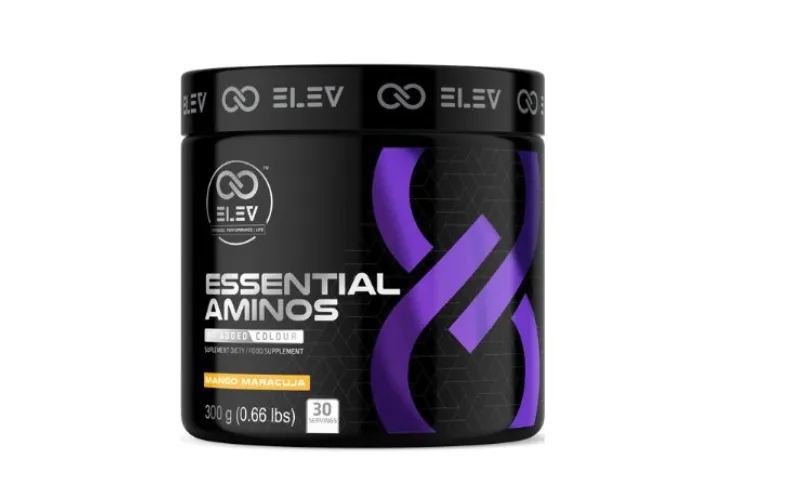
The Science Behind BCAAs and Muscle Recovery
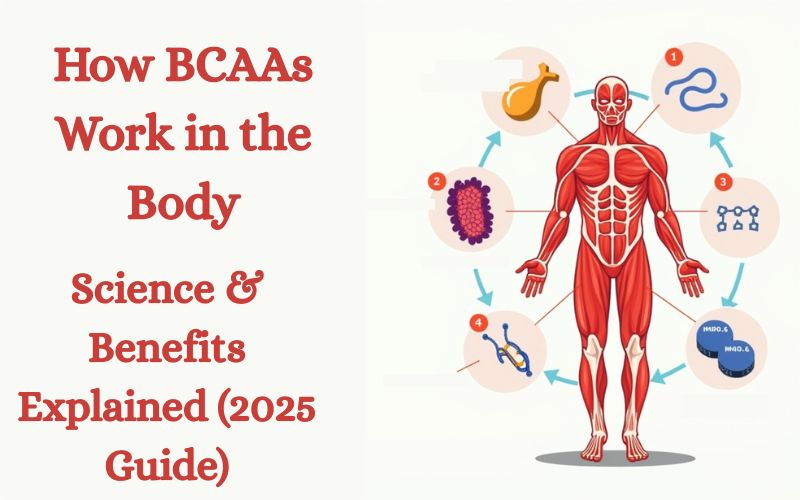
Branched-chain amino acids, leucine, isoleucine, and valine, have dominated the supplement conversation for good reason. These three essential amino acids make up roughly 35% of your muscle protein and play unique roles in recovery that go beyond simple protein synthesis.
Science says that BCAA supplementation before and after resistance training can significantly reduce markers of muscle damage and perceived soreness. The mechanism is twofold: BCAAs reduce exercise-induced protein breakdown during training, and they accelerate the repair process afterward by stimulating muscle protein synthesis through the mTOR pathway.
Here’s what makes BCAAs particularly effective for leg day recovery:
- They bypass liver metabolism and go directly to muscle tissue for immediate use
- Leucine specifically triggers the anabolic signaling that initiates muscle repair
- They reduce plasma levels of creatine kinase and lactate dehydrogenase, both markers of muscle damage
- BCAA supplementation can decrease soreness ratings by 20-30% in trained individuals
Why EAAs Might Be Your Better Option for Complete Recovery
While BCAAs get most of the attention, essential amino acids (EAAs) are emerging as the more comprehensive solution. Your body needs all nine essential amino acids to build complete proteins, and providing just three might be limiting your recovery potential.
Think of it this way: if muscle building is like constructing a house, BCAAs give you the framing materials, but EAAs provide everything, framing, drywall, electrical, plumbing, and finishing touches. Studies comparing EAAs to BCAAs show superior muscle protein synthesis rates when all essential amino acids are present, particularly when consumed around training windows.
Timing Your Amino Acid Intake for Maximum Soreness Relief
When you take amino acids matters almost as much as which ones you take. Your muscles are primed for nutrient uptake during specific windows, and strategic timing can amplify the anti-soreness benefits significantly.
The most effective protocol involves dosing around your workout,30 minutes before, during (for especially intense sessions), and immediately after. Pre-workout amino acids create an anabolic environment before damage occurs, intra-workout supplementation provides real-time building blocks during muscle breakdown, and post-workout dosing accelerates the repair process when your muscles are most receptive.
For optimal leg day recovery, consider this timing strategy:
- 5-10g EAAs or BCAAs 30 minutes before training
- 5-10g sipped during your workout if it exceeds 60 minutes
- 10-15g immediately post-workout, ideally with fast-absorbing carbohydrates
- Another 5-10g dose before bed to support overnight recovery
Glutamine: The Overlooked Recovery Amino Acid
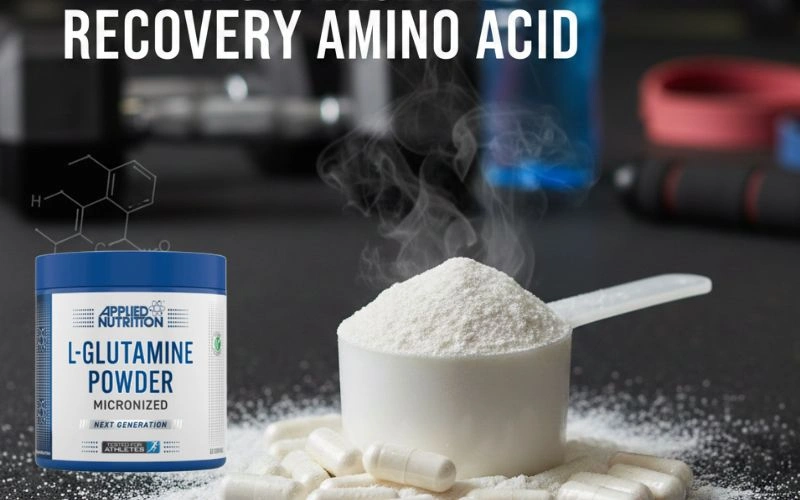
While BCAAs steal the spotlight, glutamine deserves serious consideration for anyone struggling with severe post-leg day soreness. This conditionally essential amino acid becomes depleted during intense training, and your immune and digestive systems compete with your muscles for available glutamine during recovery.
Science indicates that glutamine supplementation can reduce muscle soreness and improve recovery markers, though the effects are more pronounced in athletes training at high volumes. For leg day specifically, glutamine’s anti-inflammatory properties may help manage the excessive inflammation that contributes to prolonged soreness
How Complete Proteins Stack Up Against Isolated Amino Acids
Here’s where things get interesting: you might not need specialized amino acid supplements at all if your protein intake and timing are dialed in. Whole protein sources like whey, casein, or plant-based protein blends contain all essential amino acids in functional ratios, plus additional compounds that support recovery.
Whey protein particularly shines for post-leg day recovery because it’s rich in leucine (the primary anabolic trigger), digests rapidly, and has consistently demonstrated effectiveness in reducing DOMS in controlled studies. A 25-30g serving of high-quality whey post-workout delivers approximately 3g of leucine along with all other essential amino acids your muscles need.
Dosage Guidelines That Actually Work
Generic supplement label recommendations rarely account for training intensity, body size, or individual needs. For meaningful soreness reduction after leg training, research-backed dosing falls into specific ranges depending on the amino acids you’re using.
Dosing recommendations:
- BCAAs: 0.1-0.2g per kilogram of bodyweight, taken 2-4 times daily around training (approximately 7-14g for a 70kg person)
- EAAs: 10-15g per serving, with at least 3g of leucine, taken before and after training
- Glutamine: 10-20g daily, split into 2-3 doses with one immediately post-workout
- Leucine (isolated): 3-5g per dose to trigger muscle protein synthesis maximally
Remember that more isn’t always better; your body can only utilize amino acids at certain rates, and excessive intake primarily benefits your bank account and your urine’s amino acid content.
Real-World Applications What Actually Works for Lifters
Beyond the lab studies, what actually helps gym-goers walk normally after crushing leg day? I’ve worked with athletes across various levels, and the consistent pattern is that amino acid supplementation works best as part of a comprehensive recovery strategy, not as a magic bullet.
The people who see the most dramatic reductions in leg day soreness combine amino acid timing with proper hydration (3-4 liters daily), adequate sleep (7-9 hours), and strategic nutrition throughout the day. They’re not just taking aminos and expecting miracles; they’re addressing all recovery variables simultaneously.
Combining Amino Acids with Other Recovery Strategies
Amino acids work synergistically with other evidence-based recovery modalities to provide even greater soreness relief. Consider them one tool in your recovery toolbox rather than the entire solution.

Pairing amino acids with light active recovery exercises, like easy cycling or walking the day after leg training, increases blood flow to damaged muscles, delivering those circulating amino acids more efficiently to where they’re needed. Similarly, consuming amino acids alongside anti-inflammatory foods rich in omega-3s, antioxidants, and polyphenols may provide additive benefits for managing the inflammatory component of DOMS.
Effective recovery combinations include:
- Amino acids + tart cherry juice for combined anti-inflammatory effects
- EAAs + creatine monohydrate for enhanced cellular recovery
- Amino acids + carbohydrates post-workout to maximize insulin’s anabolic effects
- BCAAs + electrolytes during training for hydration and performance
Are Expensive Amino Acid Supplements Worth the Investment?
Let’s address this. Amino acid supplements aren’t cheap, and the market is flooded with overpriced products making exaggerated claims. The critical question becomes whether the benefits justify the cost compared to simply eating more protein-rich whole foods.
- Most recreational lifters who train 3–4 days per week can achieve excellent recovery by prioritizing whole-food protein intake.
- Consuming 1.6–2.2g of protein per kilogram of bodyweight and distributing it evenly across meals supports optimal muscle recovery.
- This nutrition-focused approach can deliver 80–90% of recovery benefits without the need for supplements.
- Competitive athletes may experience additional benefits from using isolated amino acid supplements.
- Individuals in a caloric deficit may find isolated amino acids helpful for preserving muscle mass.
- People with digestive issues that limit protein absorption may benefit from amino acid supplementation.
The Bottom Line on Amino Acids and Leg Day Recovery
Do amino acids help with muscle soreness after leg day? Absolutely, but with important caveats. The studies show that strategic amino acid supplementation, particularly EAAs and BCAAs, can reduce perceived soreness, decrease biochemical markers of muscle damage, and accelerate recovery when used correctly.
However, they’re not miracle workers. If your training programming is poor, your sleep is inadequate, or your overall protein intake is insufficient, amino acids won’t rescue your recovery. They amplify good recovery practices; they don’t replace them.
Amino acids are essential for your body and help you recover faster. You must purchase authentic and the best quality amino acids in Pakistan for a healthy lifestyle and faster recovery.
Frequently Asked Questions
Should I take amino acids before or after leg day for the best results?
Both timing windows are beneficial, but taking amino acids before and after leg day provides the most comprehensive benefits. Pre-workout amino acids (5-10g of EAAs or BCAAs 30 minutes before training) create an anabolic environment that reduces muscle breakdown during your workout. Post-workout amino acids (10-15g immediately after) accelerate the repair process when your muscles are most receptive.
How long does it take for amino acids to reduce muscle soreness?
Amino acids don’t provide immediate soreness relief like pain medication would. Instead, they work by accelerating the underlying repair process. Most people notice reduced soreness intensity beginning around 24-48 hours post-workout when DOMS typically peaks. With consistent amino acid supplementation over several weeks, many athletes report that their baseline soreness levels decrease.
Can I just eat more protein instead of taking amino acid supplements?
Yes, for most people, consuming adequate whole food protein (1.6-2.2g per kilogram bodyweight daily) distributed across 4-5 meals provides all the amino acids needed for recovery. Whole protein sources like chicken, fish, eggs, and dairy contain complete amino acid profiles.
Which is better for leg day soreness: BCAAs or EAAs?
Essential amino acids (EAAs) are generally more effective because they provide all nine essential amino acids needed for complete protein synthesis, while BCAAs only provide three (leucine, isoleucine, and valine).BCAAs are typically less expensive and still provide meaningful benefits, particularly the leucine content, which triggers muscle protein synthesis. For maximum recovery, EAAs are the better investment.
Are there any side effects of taking amino acids for muscle recovery?
Amino acids are generally safe when used at recommended dosages (10-20g daily), as they’re the same compounds found in protein-rich foods. Some people experience mild digestive discomfort with higher doses, particularly on an empty stomach. People with kidney disease should consult healthcare providers before supplementing with amino acids, as should pregnant or breastfeeding women. Always start with lower doses to assess individual tolerance.