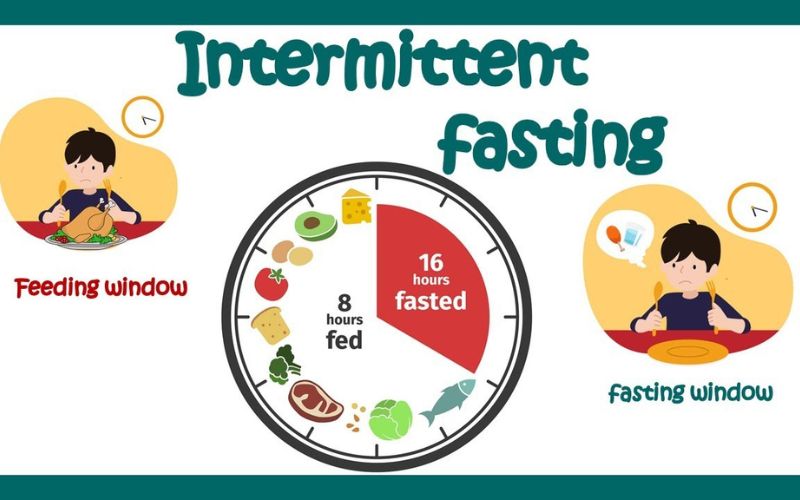














Intermittent fasting (IF) has become one of the most effective strategies for fat loss, metabolic balance, and improving overall energy levels. But for people who train during fasting hours, muscle loss and workout fatigue are real concerns. This is where BCAA during intermittent fasting becomes a highly discussed topic.
Do BCAAs help maintain muscle while fasting? Do they break fast? When should you take them? This article explains everything with scientific insights, real-world training experience, and semantic SEO-friendly clarity.
Table of Contents
BCAAs and Intermittent Fasting
BCAAs leucine, isoleucine, and valine are essential amino acids responsible for muscle repair, energy production, and reducing exercise fatigue. During intermittent fasting, your body remains without food for long hours, which increases amino acid depletion.
Using BCAA during intermittent fasting helps bridge that gap and supports muscle protection, especially for people who exercise early in their fasting window.
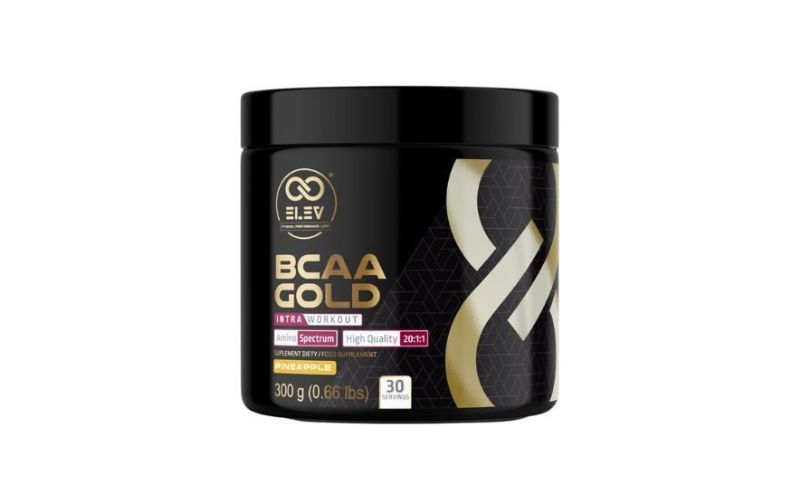
Taking BCAAs During Intermittent Fasting
Many individuals consume BCAAs before or during their fasted workouts. The goal is simple:
- Maintain muscle mass
- Improve workout performance
- Reduce fatigue
- Support recovery without consuming a full meal
However, whether BCAAs break a fast depends on your fasting purpose, fat loss or strict autophagy.
Do BCAAs Break a Fast? The Scientific Explanation
Technically, BCAAs are amino acids and contain a few calories (around 10–20 per serving). Since leucine stimulates mTOR, the body’s protein-building pathway, it technically disrupts a strict fast.
But here’s the important part:
BCAAs do not significantly spike insulin or stop fat burning.
So, for fat loss, strength training, and maintaining muscle mass, most trainers and nutritionists allow BCAA intake during fasting.
Understanding How BCAAs Affect mTOR, Insulin, and Autophagy
- mTOR Activation: Leucine activates mTOR, signaling muscle repair ideal for training, not ideal for deep fasting.
- Insulin: Minimal impact; levels remain low enough to support fat burning.
- Autophagy: Any amino acid can slow autophagy, so avoid BCAA if cellular cleansing is your primary goal.
Benefits of BCAAs for Muscle Mass

Taking BCAA during intermittent fasting offers several key benefits:
- Prevents muscle protein breakdown
- Enhances muscle protein synthesis
- Increases strength during fasted workouts
- Reduces post-workout soreness
- Helps maintain lean muscle while losing fat
This makes BCAAs especially useful for athletes cutting weight, lifters training early morning, and those who prefer fasted cardio.
BCAAs While Intermittent Fasting
Using BCAAs correctly can enhance the effectiveness of your intermittent fasting routine by supporting both performance and recovery without the need for a full meal. They are especially beneficial for morning gym-goers, endurance trainers, individuals aiming to maintain muscle while losing fat, and those following longer fasting windows of 18–20 hours.
Ideal Timing of BCAA During Intermittent Fasting
The best times to use BCAAs during fasting are:
1. Before Workout (Most Effective)
5–10 grams of BCAA boosts energy and prevents muscle loss.
2. During Workout
Helps maintain strength and hydration during long or high-intensity sessions.
3. After Workout
Useful if you will break your fast shortly after.
How Much BCAA Should You Take While Fasting?
Recommended doses:
- Men: 5–10 grams per session
- Women: 3–5 grams per session
- Athletes: Up to 12–15 grams spread pre-, intra-, and post-workout
Choose a zero-calorie, zero-sugar formula to maintain fasting purity.
Should I Take BCAAs During Intermittent Fasting?
You should use BCAAs if you train fasted, want to protect lean muscle, experience fatigue during fasting, or follow long fasting windows. However, you should avoid BCAAs if your primary goal is autophagy, you’re doing therapeutic fasting, or you prefer whole-food amino acids. For most fitness-focused individuals, BCAA during intermittent fasting is both beneficial and safe.
More on Intermittent Fasting
Intermittent fasting is not a diet, it’s an eating pattern that alternates between fasting and feeding windows. Supplement strategies like BCAAs can enhance fasting performance when used correctly.
Popular Intermittent Fasting Protocols
Common intermittent fasting methods include 16:8 (the most popular for fat loss), 18:6, 20:4 (OMAD), 5:2 fasting, and alternate-day fasting. Your need for BCAAs typically increases with longer fasting windows or when you train early in the morning on an empty stomach.
What Are the Benefits of Intermittent Fasting?
Intermittent fasting supports fat loss and metabolic flexibility, improves insulin sensitivity, reduces inflammation, enhances hormonal balance, and boosts mental clarity. Adding BCAAs to your routine helps preserve muscle while you work toward these benefits.
What Can You Eat and Drink During a Fast?
Allowed items during a fast include water, black coffee, green tea, electrolytes, and zero-calorie supplements. BCAA during intermittent fasting is acceptable for fitness and muscle-preservation goals, but it should be avoided if you’re aiming for strict autophagy fasting.
BCAA vs. EAA During Fasting: Which Is Better?
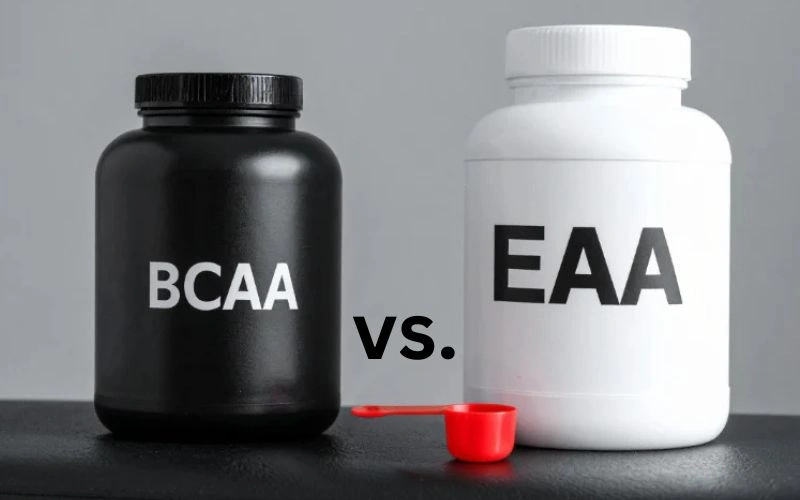
- BCAAs are ideal for energy and muscle protection.
- EAAs contain all essential amino acids but have more calories.
For fasting, BCAA is preferred due to lower caloric impact.
Mistakes to Avoid When Using BCAA in a Fasted State
- Choosing BCAA with sugar
- Overconsuming calories
- Relying only on supplements for recovery
- Not increasing protein intake during eating window
Do BCAAs Break Intermittent Fasting: Bottom Line
For fitness-oriented fasting, BCAAs are a helpful tool for maintaining muscle and optimizing performance.
For strict autophagy fasting, avoid them.
If you train fasted and want to protect muscle, BCAA during intermittent fasting is one of the best and safest supplement strategies.
Conclusion
Using BCAA during intermittent fasting can significantly enhance your workout performance, protect muscle mass, and support your fitness goals without interfering with fat loss. If you follow a fasting lifestyle and train regularly, BCAAs can be a game-changer.
For premium, authentic BCAA supplements and sports nutrition products, visit: Nutritional World Pakistan’s Trusted Supplement Store.
FAQs: BCAA During Intermittent Fasting
1. Do BCAAs break intermittent fasting?
BCAAs contain small calories and stimulate mTOR, so they technically break a strict fast. However, they do not significantly raise insulin levels, which means they are acceptable for fat loss and fitness-focused fasting, but not for strict autophagy fasting.
2. Should I take BCAA before or during a fasted workout?
The best time to take BCAA during intermittent fasting is 10–20 minutes before your workout. This helps protect muscle mass and boosts workout performance. You can also sip BCAAs during long or intense training sessions.
3. How much BCAA is recommended while fasting?
Most individuals benefit from 5–10 grams per session, while women may prefer 3–5 grams. Choose a zero-calorie, sugar-free formula to prevent breaking your fast unintentionally.
4. Will BCAAs affect fat burning during fasting?
No. BCAAs do not significantly spike insulin or halt fat oxidation. You can still burn fat efficiently while taking BCAA during intermittent fasting, especially if you train fasted.