













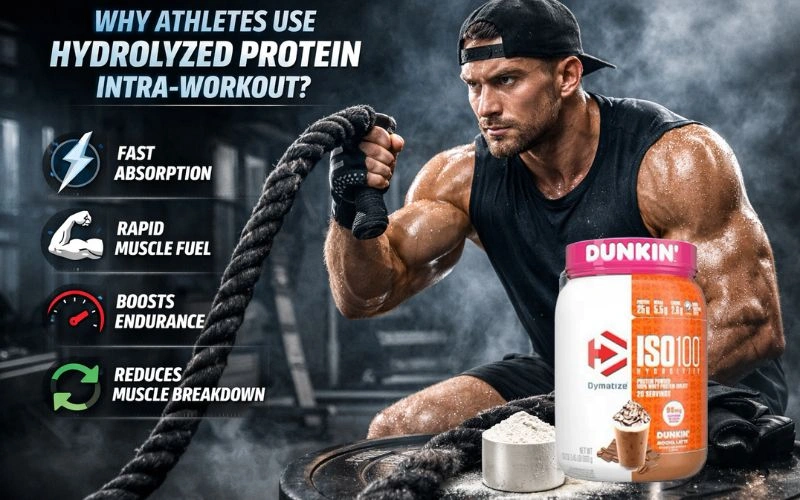
Athletes are constantly looking for ways to maximize their performance and recovery, and one strategy gaining serious traction is using hydrolyzed protein during intra-workout sessions. But why has this become such a popular choice among serious trainers, bodybuilders, and endurance athletes? The answer lies in how your body processes protein at the molecular level and when it needs it most.
Table of Contents
Understanding Hydrolyzed Protein and Its Rapid Absorption
When we talk about hydrolyzed protein, we are discussing protein that has already been partially broken down through a process called hydrolysis. Think of it as a pre-digested protein where the long amino acid chains have been cut into smaller peptides and individual amino acids. This matters tremendously during workouts because your body does not have to work as hard to digest and absorb these nutrients when you are in the middle of intense physical activity.
The science behind this is straightforward yet powerful. During exercise, your body’s digestive system takes a backseat as blood flow gets redirected to working muscles. This is exactly why hydrolyzed whey speeds up absorption so effectively, since it bypasses much of the digestive process, getting amino acids into your bloodstream within minutes rather than hours.
The Biological Advantage of Pre-Digested Protein
To understand why this matters so much, it helps to compare it against how standard whey behaves in the body. Regular whey isolate requires significant digestive effort, and comparing isolate and concentrate on digestion speed shows just how much that effort varies between forms. Your stomach must produce acids, enzymes must break bonds, and then absorption happens gradually in the small intestine. But hydrolyzed protein arrives already broken down into di-peptides and tri-peptides, the exact forms your intestinal walls are designed to absorb immediately.
Research shows that hydrolyzed protein can be absorbed up to 80% faster than standard whey concentrate. For athletes mid-workout, this speed translates directly into maintaining muscle protein synthesis, reducing catabolism, and sustaining energy levels through challenging training sessions. The practical implications are significant. You are essentially providing your muscles with instant nutrition exactly when they need it most, during the stress of training.
Comparing Different Protein Structures
With the absorption advantage established, it helps to see exactly how the molecular structures differ. Standard whey protein consists of complete, folded protein chains. Isolate has some of these chains broken down during processing. Hydrolyzed protein takes it further, with chains broken into fragments of just 2 to 3 amino acids. This progressive breakdown correlates directly with absorption speed, making hydrolyzed protein ideal when rapid nutrient delivery matters most.
Why Timing Matters: The Intra-Workout Window
With the biology covered, the next question is why the timing of intake matters as much as the protein type itself. Your muscles are like sponges during exercise. They are actively breaking down tissue, depleting glycogen stores, and signaling for nutrients to support ongoing work and prepare for recovery. This creates what sports scientists call an “anabolic window” that actually begins during your workout, not just after it ends.
When you consume hydrolyzed protein during training, you are essentially feeding your muscles while they are still under stress. This has several performance benefits. First, it helps maintain blood amino acid levels, which supports continued muscle protein synthesis even as you are actively training. Second, it can reduce the rate of muscle protein breakdown that naturally occurs during intense exercise.
Preventing Muscle Catabolism During Long Sessions
This is especially relevant once a session runs long enough for glycogen stores to start running low. Long training sessions, especially those exceeding 60 to 90 minutes, pose a unique challenge. Your body starts to break down muscle tissue for fuel as glycogen stores deplete. Understanding how BCAAs and EAAs compare for recovery becomes relevant here because hydrolyzed protein provides the full amino acid spectrum your body needs to counteract this catabolic state.
Athletes report feeling noticeably stronger in the second half of workouts when using intra-workout protein. This is not just perception, studies measuring force output and muscular endurance show measurable improvements when amino acids are consumed during training versus waiting until after. The difference becomes more pronounced as workout duration increases, making hydrolyzed protein particularly valuable for marathon training sessions common in bodybuilding and strength sports.
The Science Behind Mid-Workout Nutrition
This growing body of research has actually reshaped older assumptions about when protein timing matters most. Traditional thinking suggested we should only consume protein post-workout during the recovery window. Recent research challenges this, showing that the anabolic window exists throughout training, not just afterward. By providing amino acids during exercise, you are creating a more favorable environment for muscle preservation and growth throughout the entire training session, not just during recovery.
Performance Benefits That Make the Difference
The real question is not whether hydrolyzed protein works during workouts, but how significantly it improves your results. Elite athletes and serious fitness enthusiasts have identified several concrete advantages that justify the investment in quality hydrolyzed protein products.
Reduced muscle soreness is one of the most noticeable benefits. By providing amino acids during training, you are giving your body the building blocks it needs for immediate repair. This means less damage accumulates, and the muscle soreness that follows hard training becomes less severe.
Enhanced Endurance and Work Capacity
Beyond soreness reduction, there is a real in-the-moment performance benefit worth highlighting too. Consuming protein during workouts does not just help with recovery, it actually improves your ability to work harder in the moment. The amino acids provide an alternative fuel source and help maintain cellular function in working muscles. Most practical ways to sustain energy through training emphasize carbohydrates, but protein plays an underrated role.
Comparing Different Protein Types for Intra-Workout Use
Not all proteins are created equal when it comes to intra-workout consumption. Understanding the differences helps you make informed choices about what works best for your specific training style and goals. Let us break down how hydrolyzed protein stacks up against other options.
Understanding how the three whey processing types compare is a common question. Concentrate, while cost-effective, digests too slowly for optimal intra-workout use. Isolate is better, offering faster absorption and lower lactose content. But hydrolysate takes it a step further with pre-digestion that makes nutrients available almost immediately.
Why Hydrolyzed Beats Standard Options Mid-Workout
Putting the comparison into practical terms, here is what actually sets hydrolyzed protein apart during training. Hydrolyzed whey protein is specifically engineered for rapid digestion and performance support during intense training sessions.
- Absorption speed: Hydrolyzed protein absorbs 30 to 80% faster than isolate
- Digestive comfort: Minimal stomach distress during intense activity
- Amino acid availability: Peak blood amino acid levels reached in 15 to 30 minutes
- Reduced catabolism: Immediate nutrient delivery stops muscle breakdown
- Better mixing: Completely dissolves in water without clumping
Think of it this way: standard whey is like eating a meal before training, isolate is like a quick snack, but hydrolyzed is like having an IV drip of nutrients. During exercise when your body is in performance mode, that immediate availability makes all the difference.
Optimal Dosing and Timing Strategies
Getting the most from hydrolyzed protein during workouts requires strategic timing and appropriate dosing. For most athletes, 15 to 25 grams of hydrolyzed protein consumed during a 60 to 90 minute training session provides optimal results.
Most experts recommend starting your intra-workout protein about 20 to 30 minutes into your session, once you have completed your warm-up. For longer training sessions, sipping consistently throughout works better than gulping large amounts at once, maintaining stable amino acid levels without stomach upset.
Who Benefits Most From Intra-Workout Protein?
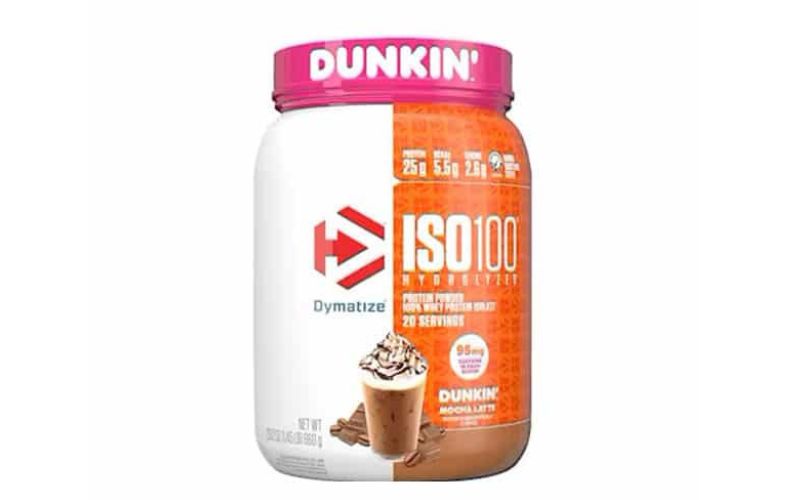
While any athlete can potentially benefit from intra-workout nutrition, certain groups see more dramatic results. Bodybuilders and strength athletes training for 90 or more minutes definitely benefit from the sustained amino acid delivery. Some of these ways endurance athletes use ISO100 in training show that endurance athletes also gain advantages during long training sessions.
Athletes in caloric deficits need it most. When you are cutting weight while maintaining training intensity, your body is more prone to breaking down muscle for fuel. Providing amino acids during training helps protect muscle mass. Older athletes represent another group where intra-workout protein shows outsized benefits, as this look at whey protein’s role in fighting age-related muscle loss explains.
Cost-Benefit Analysis for Pakistani Athletes
Let us talk honestly about price. Hydrolyzed protein typically costs 20 to 40% more than standard whey isolate. A kilogram of quality hydrolyzed protein might run you 8,000 to 12,000 PKR compared to 5,000 to 7,000 PKR for regular isolate.
Here is a practical strategy: use hydrolyzed protein only for intra-workout nutrition where it provides maximum benefit. For pre-workout and post-workout meals when you have more time for digestion, regular whey protein isolate works perfectly fine at a lower cost. This targeted approach stretches your supplement budget while still capturing the performance benefits where they matter most.
Combining Hydrolyzed Protein With Other Supplements
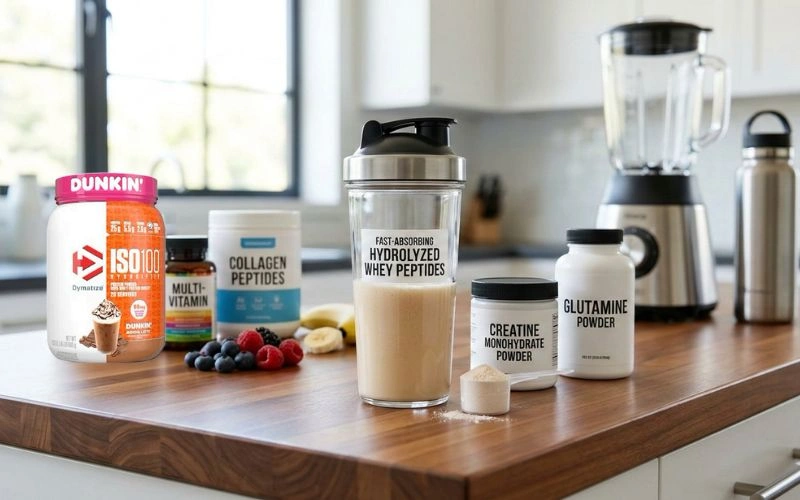
Strategic supplement stacking can amplify the benefits of intra-workout protein. This approach to mixing creatine directly into a protein shake is one proven combination. Adding 3 to 5 grams of creatine to your intra-workout protein helps maintain ATP production while the amino acids support muscle protein synthesis.
Adding 20 to 40 grams of fast-digesting carbohydrates from dextrose or maltodextrin replenishes glycogen stores while you train. This combo of protein and carbs creates an even more powerful anti-catabolic effect. Do not forget electrolytes, especially if you train in hot conditions, as this look at why hydration matters for training performance explains.
Potential Drawbacks and How to Avoid Them
No supplement is perfect, and hydrolyzed protein has some considerations worth discussing. The most common complaint is taste, since the hydrolysis process can create a bitter flavor that some find unpleasant. This guide to choosing a whey protein that suits your taste and goals includes taste testing tips.
Some athletes experience digestive upset even with hydrolyzed protein during very intense training. If you are prone to stomach issues, start with smaller doses, maybe 10 grams, and gradually increase as your system adapts. This roundup of protein picks for lactose-sensitive athletes becomes relevant because while hydrolyzed protein contains minimal lactose, some lactose-intolerant individuals still react.
Real-World Results From Athletes Using Intra-Workout Protein
Theory is valuable, but what matters most is whether intra-workout hydrolyzed protein actually works for people pushing their bodies in real training environments. Powerlifters and strength athletes note their ability to maintain intensity through the final sets improves noticeably. Instead of hitting a wall at the 75-minute mark, they can push through longer sessions while maintaining focus and strength output.
Bodybuilders using intra-workout protein report improved “pump,” the swelling and fullness muscles get during training. This is not just aesthetic, it is a sign of increased blood flow and cellular hydration, both beneficial for muscle growth. This healthy weight gain approach for teenage girls shows how young athletes benefit from properly timed nutrition, with the same principles applying across all ages.
Making the Switch: Transition Strategies
If you have been using regular protein and want to try intra-workout hydrolyzed protein, a smart transition strategy prevents potential digestive issues while helping you assess whether it is working for your specific needs.
Do not immediately replace all your protein with hydrolyzed versions. Start by using hydrolyzed protein just during your longest, most intense training sessions. This lets you compare how you feel on hydrolyzed versus regular protein without a complete overhaul of your nutrition program.
Tracking Your Response and Product Selection
Once you start experimenting, it helps to actually record what changes rather than relying on memory alone. Keep a training log for 3 to 4 weeks noting workout duration, intensity, fatigue levels, and next-day soreness. Compare weeks when you use intra-workout protein versus weeks without it. This systematic approach helps you determine whether the benefits justify the cost for your individual situation.
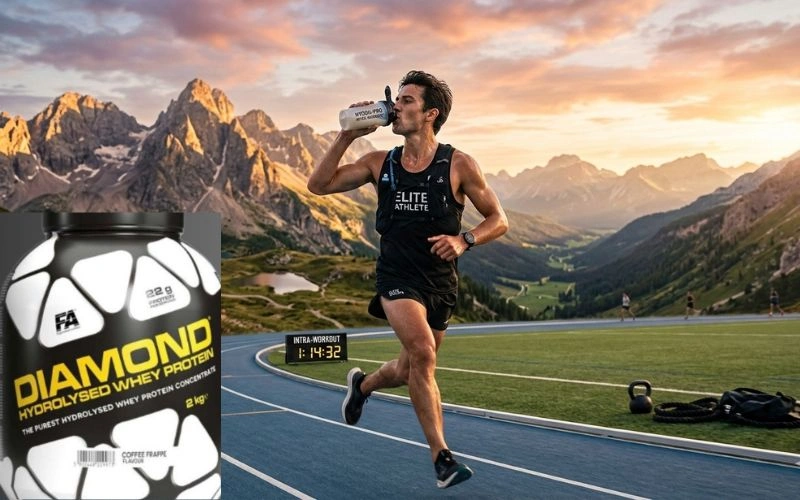
When selecting products, FA Diamond Hydrolysed Whey Protein represents quality options with extensive hydrolysis. Check ingredient lists, since high-quality hydrolyzed proteins list “hydrolyzed whey protein isolate” as the first ingredient. Understanding how timing affects whey protein absorption explains how this applies across all protein types, not just hydrolysate.
Frequently Asked Questions About Intra-Workout Protein
To wrap up, here are quick answers to the questions athletes ask most often about using hydrolyzed protein during training.
Can I use regular whey protein instead of hydrolyzed during workouts?
You can, but you might experience digestive discomfort and will not get the same rapid absorption. Regular whey takes 2 to 3 hours to fully digest, while hydrolyzed versions work in 30 to 60 minutes.
How much hydrolyzed protein should I consume during training?
Most athletes benefit from 15 to 25 grams per hour of intense training. Start with 15 grams and adjust based on your response.
Will intra-workout protein help with fat loss?
Indirectly, yes. By preserving muscle during caloric deficits, it supports body composition changes. However, pairing a fat burner with a high-protein diet remains more directly effective for fat loss specifically.
Is Intra-Workout Hydrolyzed Protein Right for You?
The evidence supporting hydrolyzed protein during workouts is solid, but whether it is worth the investment depends on your specific situation. If you are an elite athlete, competitive bodybuilder, or serious fitness enthusiast training 90 or more minutes regularly, the benefits likely justify the cost. The faster absorption, reduced muscle breakdown, and improved work capacity can provide measurable performance gains.
For casual gym-goers training 30 to 45 minutes a few times weekly, standard whey protein consumed post-workout probably suffices. Consider your goals, training intensity, duration, and budget. If you decide to try intra-workout hydrolyzed protein, commit to at least 4 to 6 weeks of consistent use before judging results.
Remember, no supplement replaces consistent training, adequate recovery, and solid baseline nutrition. This approach to building a balanced diet as a beginner forms your foundation. Supplements like intra-workout hydrolyzed protein simply help you maximize the results of that foundation when used strategically and consistently.