














Amino acid supplements have become one of the most talked-about products in fitness, recovery, and general wellness. From gym beginners to professional athletes, many people take them but what do amino acid supplements do for your body, and are they truly necessary?
This in-depth guide explains how amino acid supplements work, their benefits, scientific relevance, safety considerations, and who should (or shouldn’t) use them based on real physiology, not hype.
Table of Contents
What Are Amino Acids?
Amino acids are organic compounds that serve as the building blocks of protein. Every muscle fiber, enzyme, hormone, and neurotransmitter in your body depends on amino acids to function properly.
When you eat protein-rich foods, your body breaks them down into amino acids, which are then used to repair tissues, build muscle, regulate metabolism, and support immunity.
What Are the Different Types of Amino Acids?
Amino acids are classified into three main categories:
Essential Amino Acids (EAAs)
These cannot be produced by the body and must come from food or supplements.
Non-Essential Amino Acids
Produced naturally by the body, even if dietary intake is low.
Conditional Amino Acids
Normally non-essential, but become essential during illness, injury, stress, or intense physical training.
What Is the Structure of an Amino Acid?
Each amino acid has a distinctive chemical structure made up of four core components: an amino group, a carboxyl (acid) group, a hydrogen atom, and a unique side chain known as the R-group. While the amino, carboxyl, and hydrogen components remain consistent across all amino acids, the R-group varies and determines each amino acid’s specific properties and functions.
This precise molecular structure enables amino acids to link together through peptide bonds, forming proteins that carry out essential biological roles such as muscle repair, enzyme activity, hormone production, immune defense, and cellular communication throughout the body.
What Do Amino Acids Do in the Body?
Amino acids play a role in almost every physiological function, including:
- Muscle repair and growth
- Hormone and enzyme production
- Immune system regulation
- Neurotransmitter synthesis
- Energy metabolism
Without adequate amino acids, the body struggles to maintain muscle mass, recover from stress, and perform optimally.
What Do Amino Acid Supplements Do for Your Body?

This is the key question and the answer depends on your lifestyle, diet, and physical demands.
1. Support Muscle Growth and Repair
One of the primary reasons people ask what do amino acid supplements do for your body is muscle recovery. Supplements—especially EAAs and BCAAs—support protein synthesis, helping muscles repair faster after workouts.
2. Improve Exercise Recovery
Amino acid supplements may reduce muscle soreness and breakdown after intense training by supporting nitrogen balance and tissue repair.
3. Enhance Physical Performance
During prolonged or high-intensity workouts, amino acids can help delay fatigue and support endurance by preserving muscle tissue.
4. Support Immune and Metabolic Health
Certain amino acids support immune cell production and metabolic pathways, especially during physical stress or calorie restriction.
5. Aid Hormone and Neurotransmitter Production
Amino acids like tryptophan and tyrosine help produce serotonin, dopamine, and adrenaline important for mood, focus, and stress response.
So, what do amino acid supplements do for your body? In short, they provide targeted nutritional support when dietary protein alone may not meet increased physiological demands.
How Many Amino Acids Do You Need?
Most people meet their amino acid needs through a balanced diet. However, requirements increase with:
- Strength or endurance training
- Muscle-building goals
- Injury recovery
- Aging or illness
Athletes and active individuals often require higher intake than sedentary adults.
What Foods Contain Amino Acids?
High-quality amino acid sources include:
- Meat, fish, eggs, dairy
- Whey and casein protein
- Soy, quinoa, legumes, lentils
Whole foods remain the most reliable source, while supplements act as a support tool, not a replacement.
Types of Amino Acid Supplements
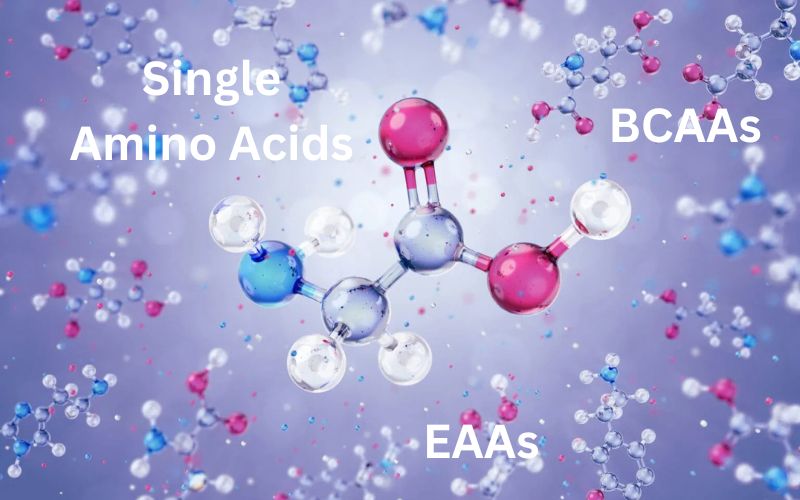
BCAAs, EAAs, and single amino acids for targeted health support.
BCAAs (Branched-Chain Amino Acids)
Support muscle recovery but lack all essential amino acids. Browse our BCAA supplements.
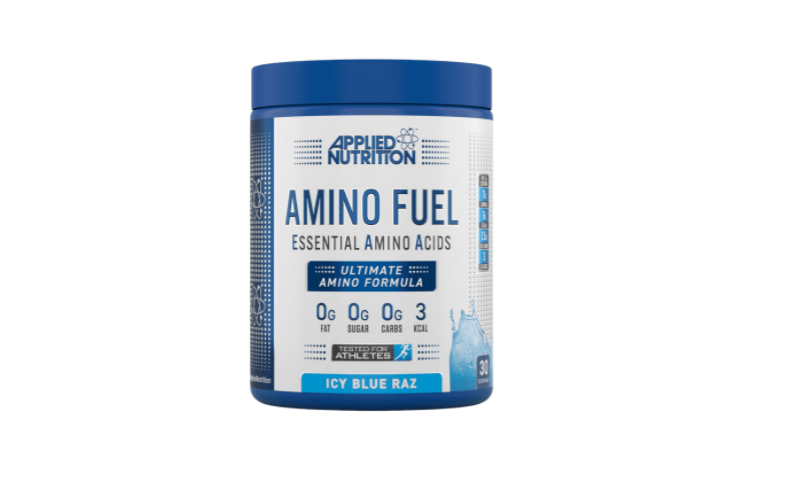
EAAs (Essential Amino Acids)
Provide complete amino acid support and are generally more effective than BCAAs alone. Explore EAA supplements.
Single Amino Acids
Used for specific needs such as sleep, focus, or stress management.
How to Take Amino Acid Supplements
Common timing options include:
- Before workouts for endurance – Check out our pre-workout supplements
- During workouts to reduce muscle breakdown
- After workouts for recovery – Explore post-workout options
Dosage depends on body weight, activity level, and overall protein intake.
Are Amino Acid Supplements Safe?
For healthy individuals, amino acid supplements are generally safe when used within recommended limits. However:
- Excessive intake may strain kidneys in at-risk individuals
- People with medical conditions should consult a healthcare professional
Common Myths About Amino Acid Supplements
Myth: Amino acids work better than whole protein Fact: Whole protein offers broader nutritional value
Myth: Everyone needs amino acid supplements Fact: Only beneficial when dietary intake or recovery demands are high
FAQs:
1. What do amino acid supplements do for your body?
Amino acid supplements support muscle repair, protein synthesis, recovery, metabolism, and overall cellular function, especially during physical stress or intense training.
2. Do amino acid supplements help build muscle?
Yes, amino acid supplements—particularly essential amino acids—help stimulate muscle protein synthesis and reduce muscle breakdown when combined with proper training and nutrition.
3. Are amino acid supplements necessary if I eat enough protein?
If your protein intake is adequate, supplements may not be necessary, but they can be useful for athletes, older adults, or people with higher recovery demands.
4. Can amino acid supplements improve workout recovery?
Amino acid supplements may help reduce muscle soreness and speed up recovery by supporting tissue repair and minimizing exercise-induced muscle damage.
5. Are amino acid supplements safe for daily use?
For healthy individuals, amino acid supplements are generally safe when used as directed, but excessive intake or medical conditions may require professional advice.
Conclusion: Should You Take Amino Acid Supplements?
Understanding what do amino acid supplements do for your body helps you make smarter health decisions. While not essential for everyone, they can be highly beneficial for athletes, active individuals, and those with increased recovery needs.
If you’re looking for authentic, high-quality amino acid supplements tailored to your fitness and wellness goals, explore trusted options at Nutritional World.
Visit https://nutritionalworld.com.pk/ to find expert-approved supplements, detailed guidance, and reliable nutrition solutions designed for real results.