













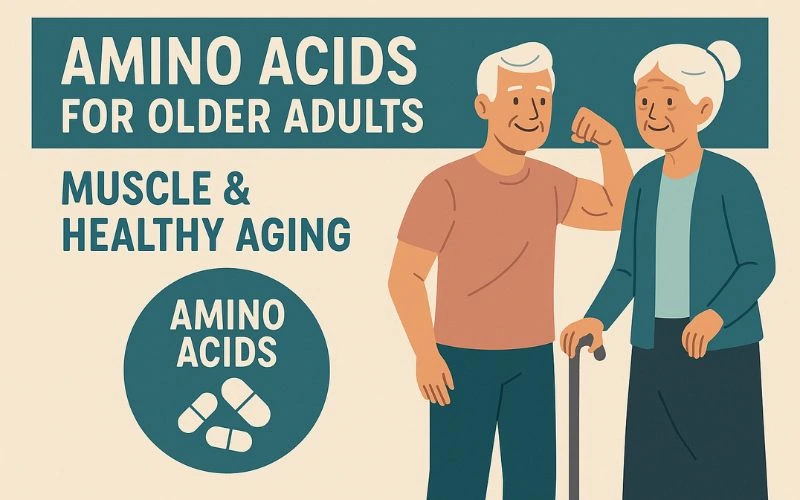
Aging naturally brings changes in muscle strength, mobility, and recovery. One of the most effective nutritional tools to slow this decline is adequate amino acid intake. This guide explains how amino acids support muscle health, prevent age-related weakness, and promote active, independent living in older adults, using evidence-based and practical insights.
Table of Contents
Why Amino Acids Matter for Muscle Health in Older Adults
As people age, maintaining muscle mass and physical strength becomes more challenging. After the age of 50, many adults begin to experience sarcopenia, a gradual loss of muscle mass and function. This decline affects balance, mobility, metabolism, and overall quality of life. Nutrition plays a critical role in slowing this process, and among all nutrients, amino acids for older adults are especially important for preserving muscle health and physical independence.
Age-Related Changes in Muscle Protein Metabolism
Muscle tissue is constantly being renewed through a balance between muscle protein synthesis and muscle protein breakdown. In younger adults, this balance is easily maintained. However, with aging, muscle protein synthesis becomes less efficient while breakdown may increase, which is why targeted nutritional support such as amino acid–based supplements like Core Champs Nitrix Xtreme can help support muscle function and recovery in older adults.
Older adults often experience:
- Reduced ability to build muscle after meals
- Slower muscle repair and recovery
- Increased sensitivity to inactivity or illness
These metabolic changes mean that simply eating “normal” amounts of protein may no longer be sufficient to maintain muscle mass in later life.
Role of Amino Acids in Muscle Protein Synthesis
Amino acids are the building blocks of protein and play a direct role in repairing and rebuilding muscle tissue. Among them, essential amino acids (EAAs) are particularly important because the body cannot produce them on its own.
One essential amino acid, leucine, has been shown to be especially effective at stimulating muscle protein synthesis. Leucine activates key cellular pathways that signal the body to build muscle. For older adults, consuming enough high-quality amino acids through diet or targeted supplements such as Gold L-Arginine 1000 can help counteract age-related muscle loss and support better muscle function.
Anabolic Resistance in Older Adults
A major challenge in aging muscles is a phenomenon called anabolic resistance. This means that older muscles respond less strongly to protein and amino acid intake compared to younger muscles.
As a result:
- Small protein servings may not trigger muscle growth
- Higher-quality protein or amino acids are required
- Distribution of protein across meals becomes important
Increasing the intake of essential amino acids particularly leucine-rich sources can help overcome anabolic resistance and improve the muscle-building response in older adults.
Clinical Evidence and Biological Mechanisms
Scientific studies consistently show that amino acid intake improves muscle protein synthesis in older adults. Research demonstrates that when essential amino acids are consumed in sufficient amounts, they activate cellular pathways such as mTOR, which regulates muscle growth and repair.
Clinical evidence suggests that adequate amino acid intake can:
- Improve muscle strength
- Enhance physical function
- Support faster recovery from illness or inactivity
- Reduce the risk of frailty and falls
These effects are strongest when amino acid intake is combined with light resistance or strength-based exercise.
Benefits of Amino Acids for Older Adults

The benefits of amino acids extend beyond muscle size alone, as regular intake supports overall physical health and daily functioning in older adults. By helping preserve muscle mass and strength, improving balance and mobility, enhancing recovery after physical activity, and supporting metabolic health and energy levels, amino acids blends such as ELEV BCAA Gold contribute to greater independence and a better quality of life for seniors.
Best Amino Acids for Aging Muscles
Not all amino acids have the same impact on aging muscles. The most beneficial include:
- Leucine: Strongly stimulates muscle protein synthesis
- BCAAs (Leucine, Isoleucine, Valine): Support muscle repair and reduce muscle breakdown
- Essential Amino Acids (EAAs): Provide complete muscle-building support
A combination of these amino acids is often more effective than relying on a single source.
Natural Food Sources of Amino Acids
Older adults can meet their amino acid needs through a balanced diet that includes high-quality protein sources such as eggs and dairy products like milk, yogurt, and cheese, along with lean meats, poultry, and fish. Plant-based options including legumes, lentils, soy products, nuts, and seeds also contribute valuable amino acids. While animal-based proteins generally provide a more complete amino acid profile, a well-planned plant-based diet can still effectively support muscle health and overall nutrition in older adults.
Amino Acid Supplements for Older Adults
In some cases, food alone may not provide enough amino acids, especially for individuals with low appetite, digestive issues, or increased protein needs. Amino acid supplements can be a practical solution.
Supplements may be helpful when:
- Daily protein intake is consistently low
- Muscle weakness or frailty is present
- Recovery from illness or surgery is slow
High-quality supplements should be used responsibly and preferably under medical or nutritional guidance.
Recommended Intake and Timing
For older adults, protein and amino acid intake should be evenly distributed throughout the day rather than concentrated in one meal. Including sufficient protein at breakfast, lunch, and dinner helps stimulate muscle protein synthesis multiple times daily.
Consuming amino acids:
- After physical activity supports muscle repair
- In the evening may help reduce overnight muscle breakdown
Consistency is more important than timing perfection.
Discussion: Implications for Nutrition and Healthy Aging

Amino acids are not just nutrients for athletes; they are essential tools for healthy aging. When combined with balanced meals and regular physical activity, amino acids help older adults maintain strength, mobility, and confidence in daily life. Addressing amino acid intake early can significantly reduce age-related decline later on.
Conclusion
Adequate intake of amino acids for older adults plays a crucial role in preserving muscle mass, strength, and independence. By focusing on high-quality protein sources, essential amino acids, and proper meal distribution, older individuals can support healthier aging and maintain an active lifestyle well into later years.
FAQs
Can amino acids prevent muscle loss with aging?
Amino acids cannot stop the natural aging process, but adequate intake can significantly slow age-related muscle loss. They help maintain muscle strength, improve physical performance, and support daily mobility in older adults.
Is food better than supplements for amino acids?
Whole foods are always the preferred source because they provide complete nutrition along with vitamins and minerals. However, supplements can be beneficial when appetite is low or dietary protein intake is insufficient.
At what age should amino acid intake increase?
Muscle mass and strength often begin to decline after the age of 40 to 50. Increasing focus on protein and amino acid intake during this stage helps preserve muscle health and supports active aging.