













Most Pakistani households do not get enough calcium from food. Dairy is expensive and inconsistent in many parts of the country, and the average desi diet leans heavily on rice, roti, and lentils rather than milk, cheese, or yogurt in daily quantities that actually meet calcium needs. This gap is one of the biggest reasons calcium supplement price in Pakistan has become a common search this year, as more people look for an affordable way to protect their bones.
This guide breaks down calcium tablets in Pakistan by price tier, explains why calcium and Vitamin D3 work best together, and gives dosage guidance by age group so you can choose the right product without guesswork.
Table of Contents
Why Calcium Deficiency Is So Common in Pakistan
Calcium deficiency in Pakistan is not just about low dairy intake. A few other factors make it worse:
- Limited sun exposure for working professionals and women who observe purdah, which lowers Vitamin D production and reduces calcium absorption.
- Diets high in phytates from wheat and legumes, which can bind to calcium and reduce how much the body actually absorbs.
- Low awareness of bone health until symptoms like joint pain, cramps, or fractures appear later in life.
Because of this, a plain calcium tablet is often not enough on its own. Pairing calcium with Vitamin D3 gives your body what it needs to actually use the mineral, not just consume it. You can read more about this local gap in our article on the rise of Vitamin D deficiency in Pakistan.

Best Calcium Supplement Pakistan: Price Tiers
Calcium tablets in Pakistan generally fall into three price brackets depending on the brand, dosage strength, and whether Vitamin D3 or magnesium is combined in the formula.
| Tier | Price Range (PKR) | What You Get |
| Budget | 800 to 1,500 | Basic calcium carbonate or calcium citrate tablets, 60 to 90 count |
| Mid-Range | 1,500 to 2,800 | Calcium with added Vitamin D3 or Magnesium, better absorption |
| Premium | 2,800 and above | Imported multi-mineral formulas, higher bioavailability, larger bottles |
Budget Picks (Under PKR 1,500)
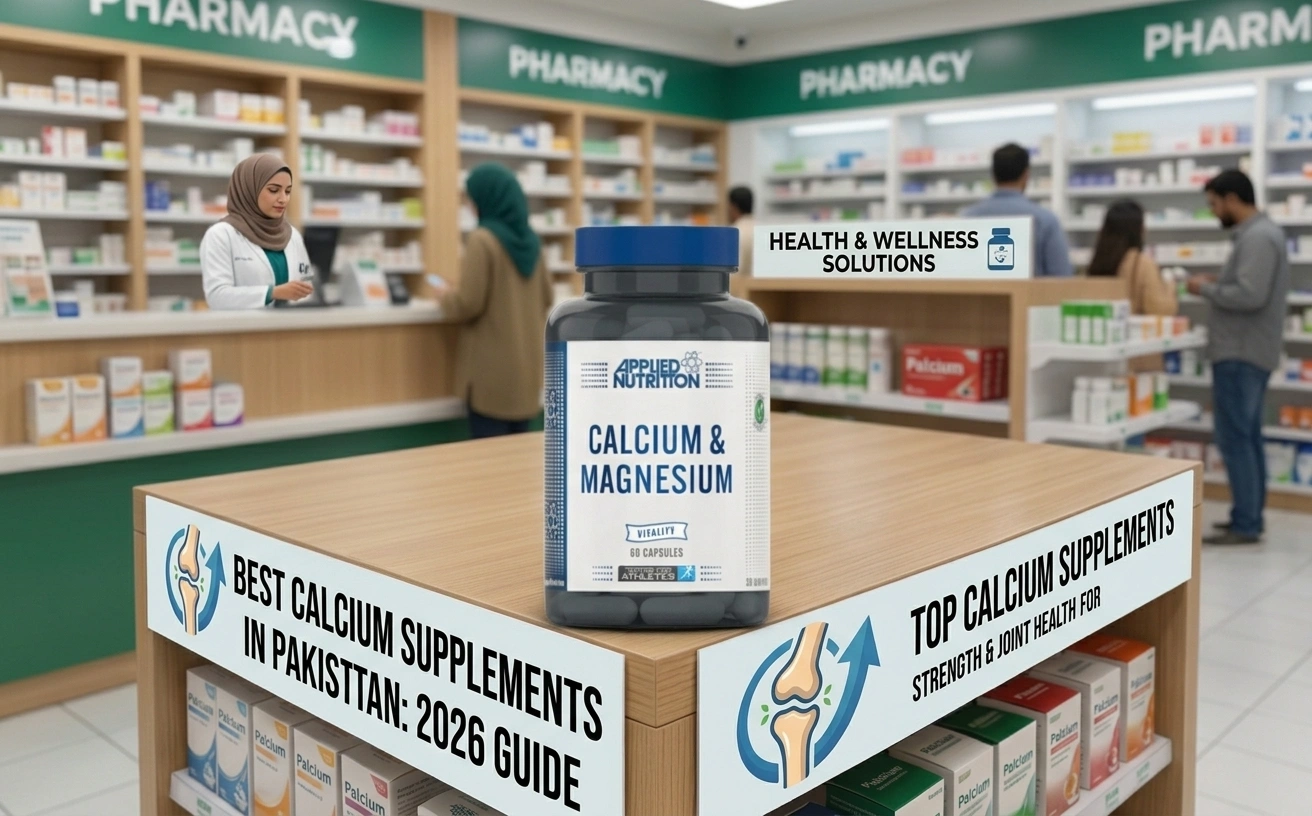
These options work well for people who already get some calcium from diet and just need a top-up. A straightforward Calcium Magnesium 60 Tablets formula is a solid starting point in this range, since the added magnesium supports muscle function alongside bone strength.
Mid-Range Picks (PKR 1,500 to 2,800)
This is where most Pakistani buyers land, since it balances price and absorption quality. A dedicated Vitamin D3 90 Tablets supplement is often stacked alongside a calcium product in this tier, giving you the combination that dietitians usually recommend for local diets low in sunlight and dairy.
Premium Picks (PKR 2,800 and Above)
Premium formulas usually combine calcium with D3, magnesium, and zinc in one tablet, reducing how many pills you need to take daily. If you prefer an all-in-one approach, a general Multi Vitamins formula or a Platinum Multivitamin can cover calcium alongside other essential nutrients in a single daily dose.
Calcium Plus D3: Why This Combo Matters More in Pakistan
Calcium and Vitamin D3 are almost always sold or recommended together, and there is a simple reason for this. The calcium is the building block for bone density, but Vitamin D3 is what allows your intestines to actually absorb that calcium into the bloodstream. Without enough D3, a large portion of the calcium you take passes through the body unused.
Given that Vitamin D deficiency is widespread across Pakistan, choosing a calcium supplement that already includes D3, or pairing a plain calcium tablet with a separate D3 product, tends to give noticeably better results than calcium alone. This is especially relevant for people who work indoors most of the day or wear clothing that limits sun exposure.
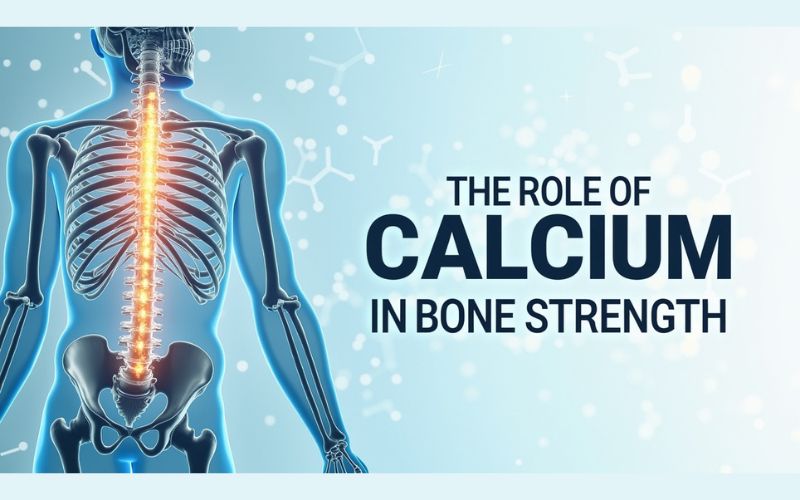
For a deeper look at how this mineral supports skeletal strength on its own, see our article on the role of calcium in bone strength.
Calcium Dosage by Age Group
Calcium needs to change significantly across life stages, and taking the wrong dose either wastes money or fails to protect your bones properly.
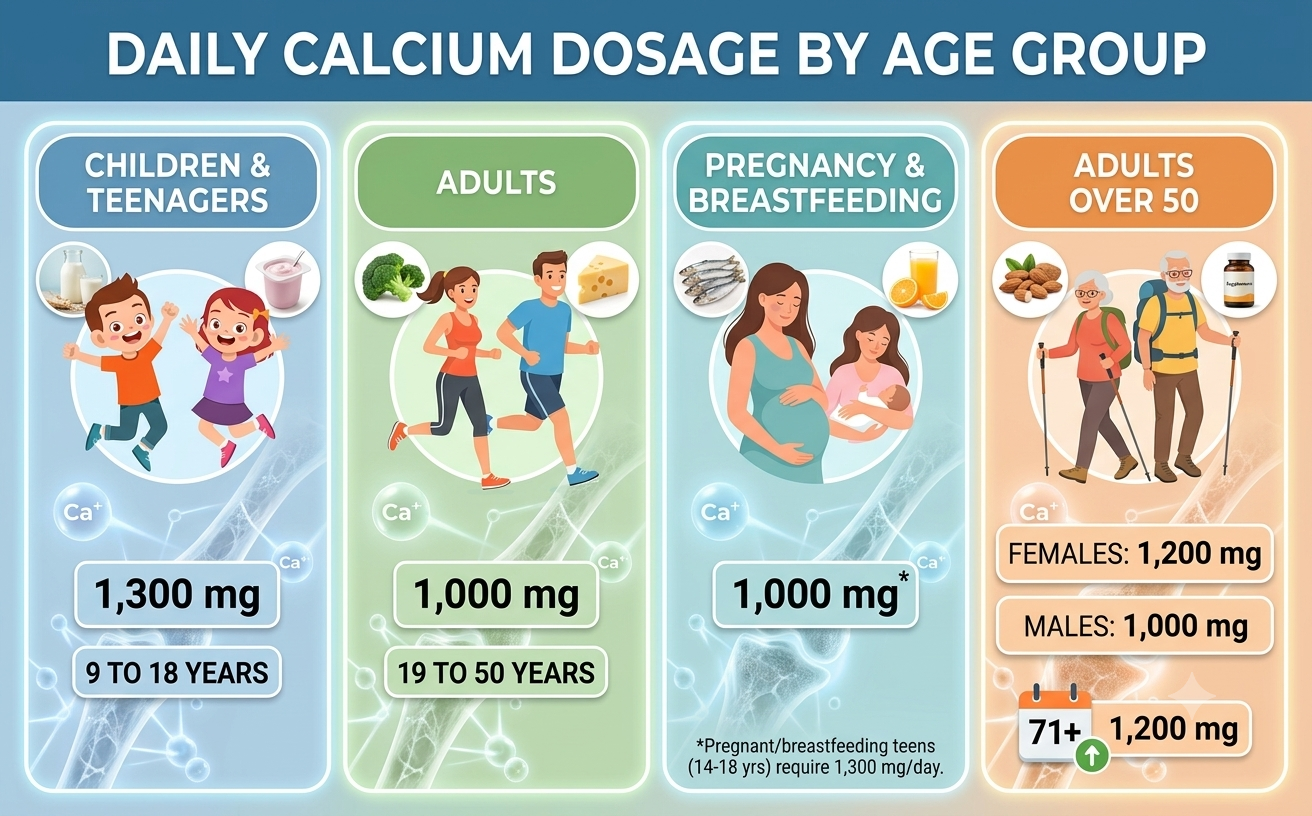
Children and teenagers (9 to 18 years):
This is the period of fastest bone growth, so daily calcium needs are higher, typically around 1,300 mg per day from food and supplements combined. Pairing this with an age-appropriate D3 product, such as the option covered in our guide on the best Vitamin D supplement for kids, supports proper absorption during growth spurts.
Adults (19 to 50 years):
Requirements settle around 1,000 mg per day. Most working adults in Pakistan fall well short of this through diet alone, making a moderate daily supplement a practical choice rather than a necessity for everyone, but a useful safety net for most.
Women during pregnancy or breastfeeding:
Needs rise again during this stage, since the body is supporting fetal bone development or milk production. A combined calcium and D3 formula, ideally reviewed with a doctor, is commonly recommended here.
Adults over 50:
Bone density naturally declines with age, and absorption efficiency drops too. Requirements move up to around 1,200 mg per day, and pairing calcium with D3 becomes more important rather than optional at this stage.
Always confirm your specific dosage with a physician, especially if you take other medications or have kidney concerns, since excess calcium supplementation can carry its own risks.
Frequently Asked Questions
What is the average calcium supplement price in Pakistan?
Basic calcium tablets start around PKR 800 to 1,500 for a monthly supply, while combination formulas with Vitamin D3 or magnesium typically cost between PKR 1,500 and 2,800.
Is calcium alone enough, or do I need Vitamin D3 too?
Calcium alone is rarely enough for most people in Pakistan, since low sun exposure and indoor lifestyles mean Vitamin D levels are already low. Pairing the two gives far better absorption and bone health outcomes.
Can I get enough calcium from a Pakistani diet without supplements?
It is possible but difficult for most people, since dairy intake tends to be inconsistent and portion sizes are often smaller than what is needed to meet daily calcium targets. A supplement is a practical way to close that gap.
Are calcium supplements safe for daily long-term use?
Yes, when taken at recommended doses. Very high doses over long periods without medical guidance can increase the risk of kidney stones in some people, so staying within standard daily allowances is important.
What is the best calcium supplement in Pakistan for bone health specifically?
Formulas that combine calcium with Vitamin D3, and ideally magnesium, tend to perform best for bone density support. Choosing based on your age group and existing diet, rather than price alone, gives the most reliable results.